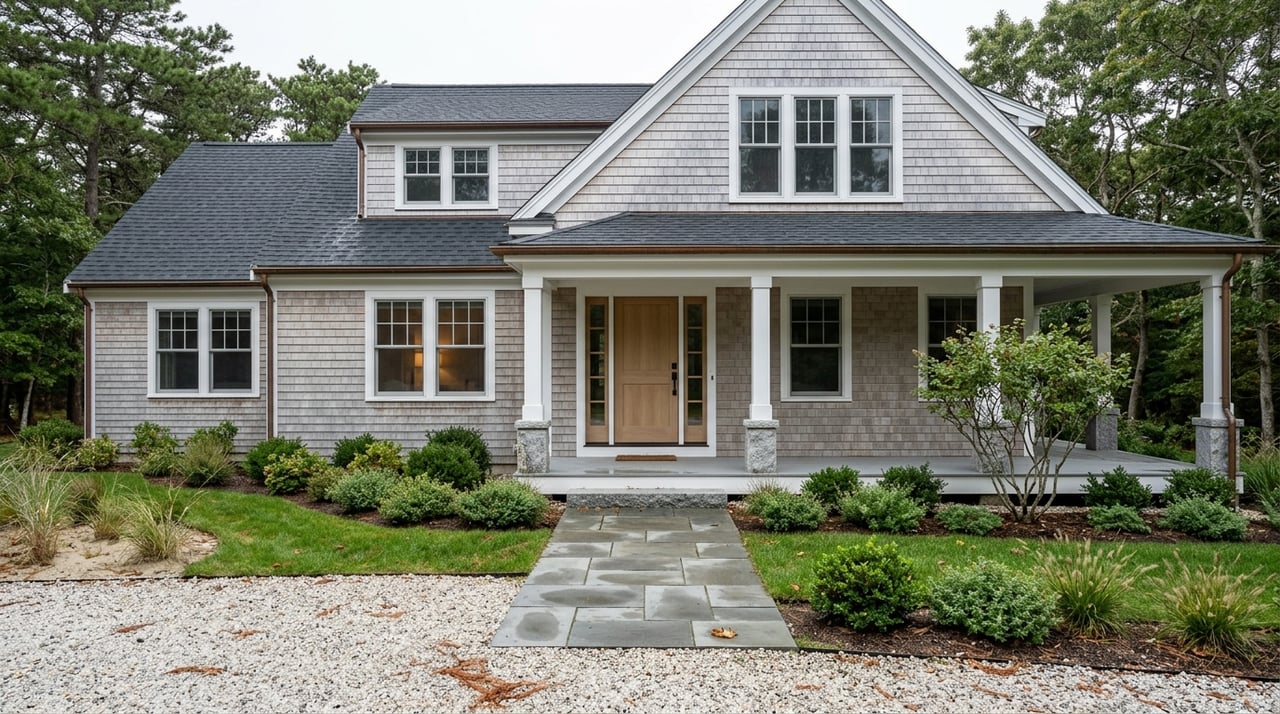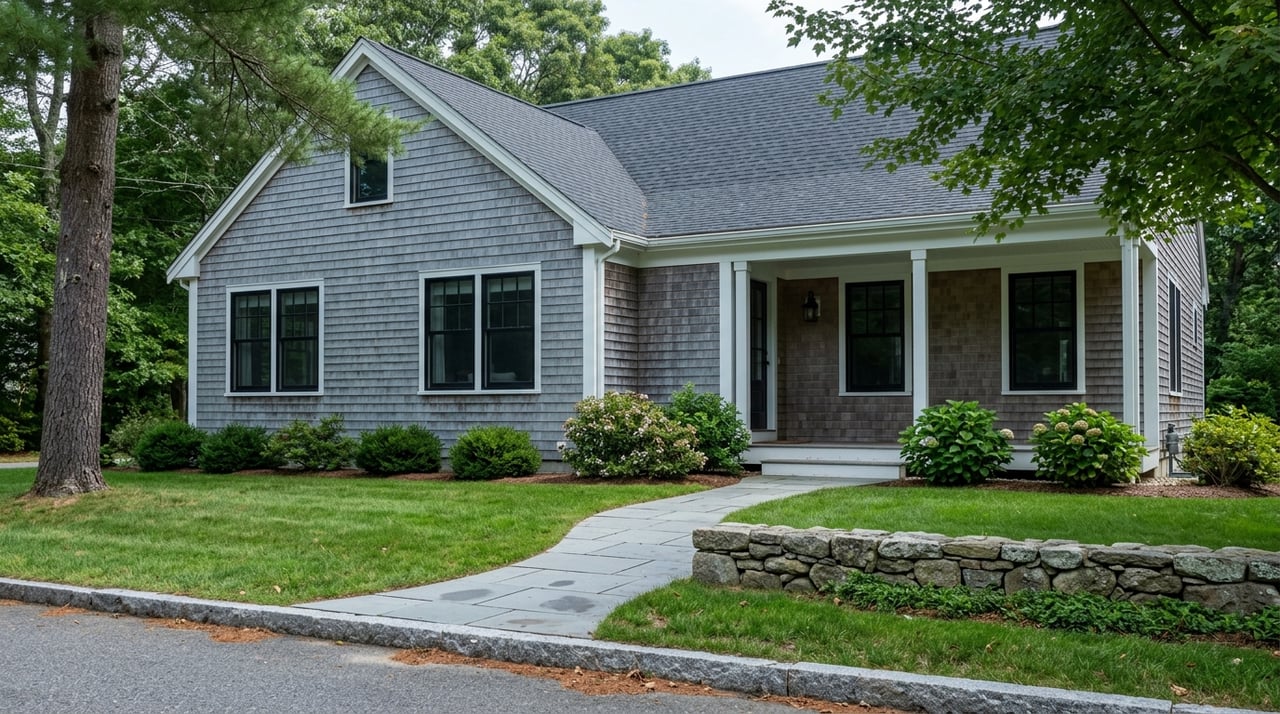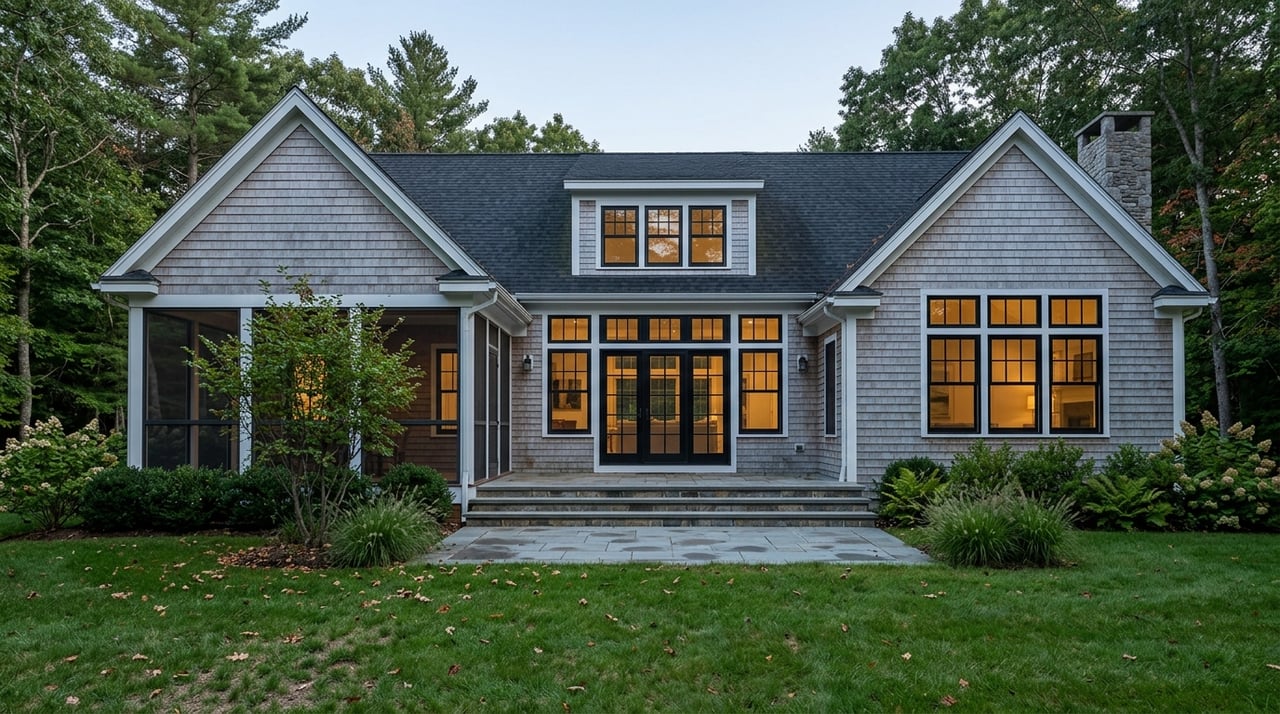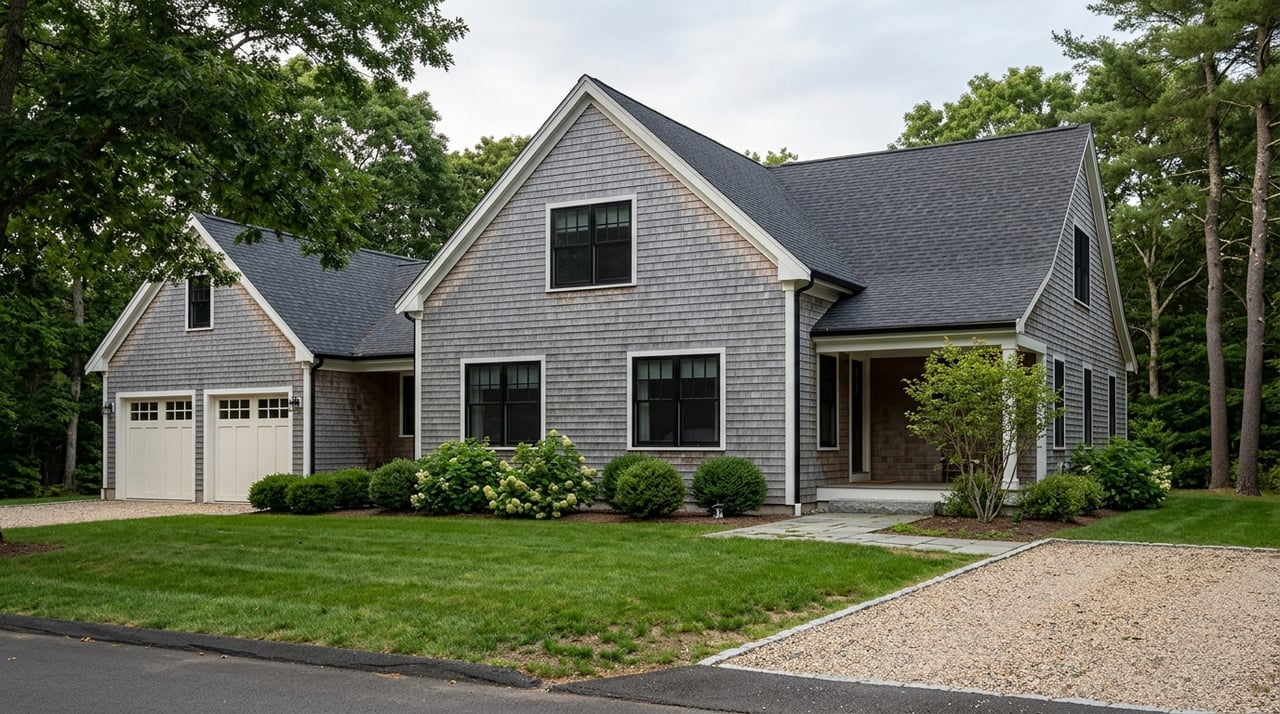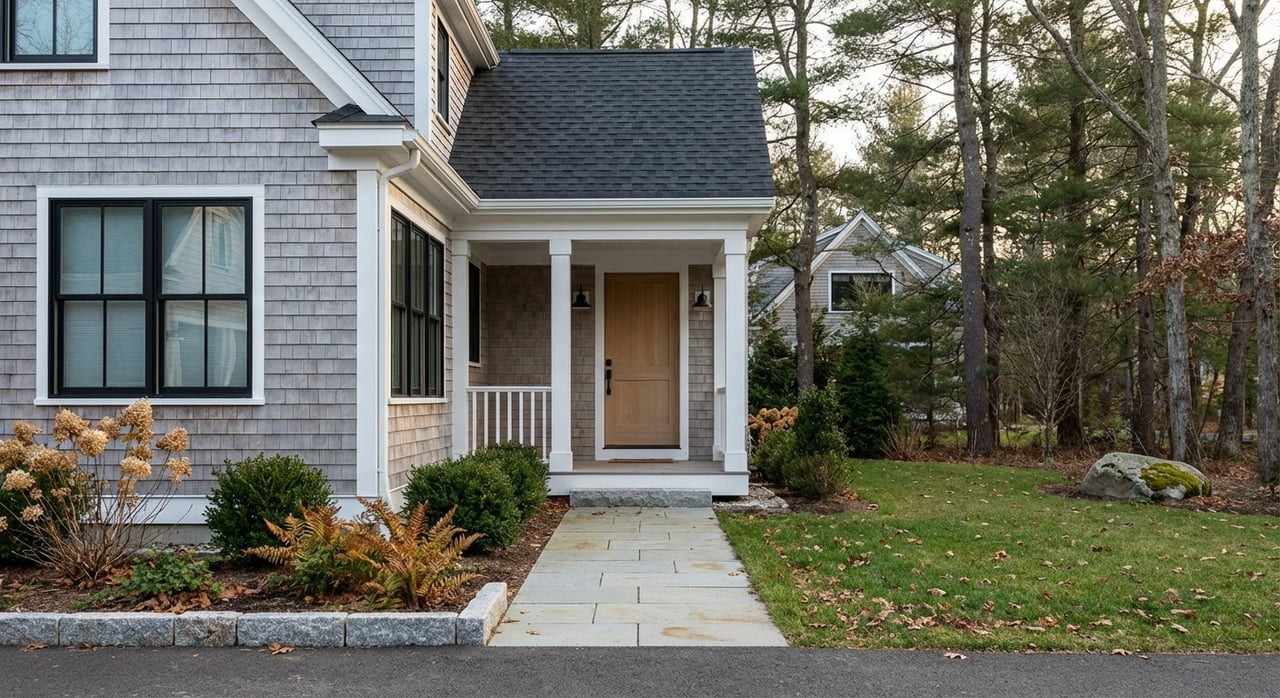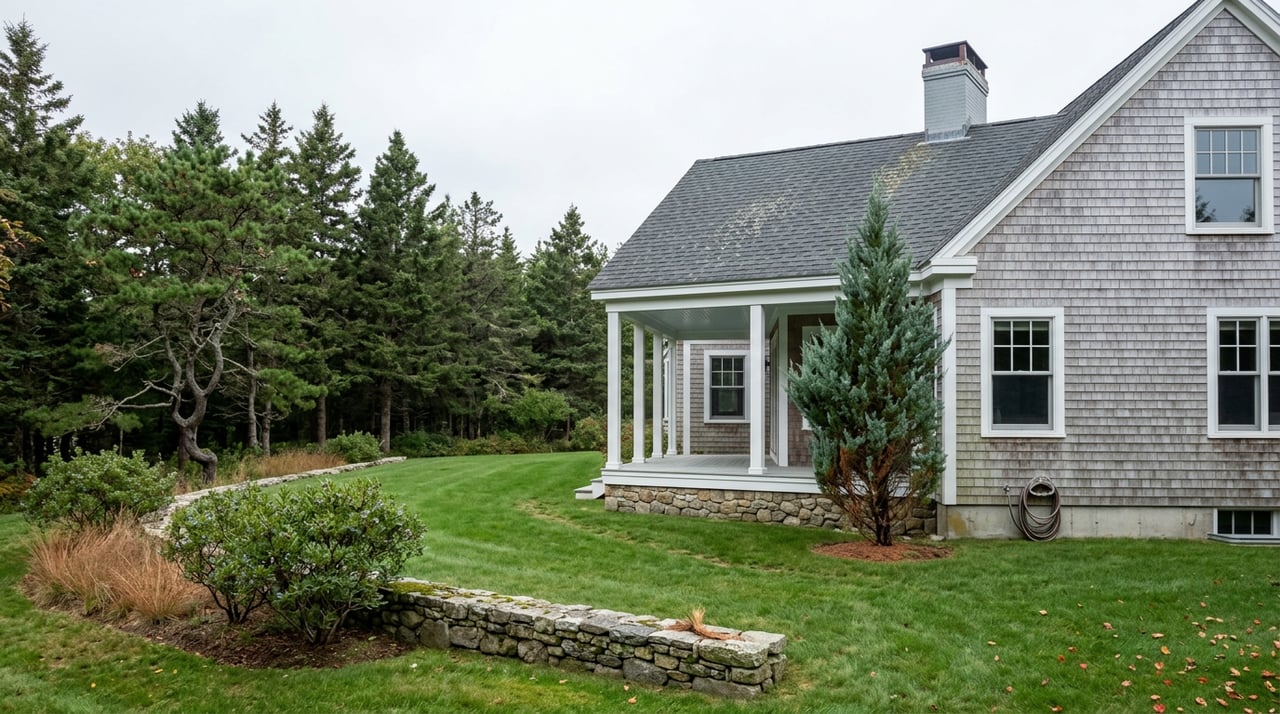
Say you close on a bluff-front house in Ellisville this fall, the kind with a lawn that ends at a drop to the beach instead of a fence line. A year in, you want a deck off the back where the view is best. Who do you call first, a contractor or an engineer?
In most Plymouth neighborhoods that's not really a question. In Ellisville, it is, and the honest answer is neither. The first call belongs to the Plymouth Conservation Commission, because your lot almost certainly sits inside the Ellisville Harbor Area of Critical Environmental Concern, a 600-acre designation the state made in 1980 that covers the harbor, the salt marsh, and the steep bluffs this part of the neighborhood is known for. That designation didn't expire when the last owner sold the house to you, and it won't expire when you sell it to someone else. It runs with the land.
This matters more than the listing photos do, because the thing that actually gates your renovation plans isn't your budget or your architect's imagination. It's a set of buffer distances measured from the top of the coastal bank, distances that show up over and over in the town's own Conservation Commission filings for waterfront lots along this stretch of coast.
The lines nobody draws on the survey
Every coastal bank lot in Plymouth, Ellisville's bluffs included, is subject to buffer zones under the Massachusetts Wetlands Protection Act and the town's local wetlands bylaw. The Commission's own hearing records describe the two distances that come up in almost every waterfront case:
| Zone | Distance from top of coastal bank | What it typically restricts |
|---|---|---|
| No-Touch Zone | 0 to 35 feet | Grading, cutting, and new structures are generally off-limits; existing lawn and plantings usually have to stay |
| No-Build Zone | 35 to 50 feet | New construction is heavily limited; decks, patios, and pools in this band usually require a waiver hearing |
| Wetland Resource Buffer | up to 100 feet from bordering vegetated wetlands | Grading, septic work, and driveway changes inside this ring need Commission review even if the coastal bank itself isn't touched |
Those aren't approximate numbers I'm rounding for the sake of a clean table. They come directly from Commission meeting records: a June 2024 hearing needed a waiver vote specifically for work inside the "35 ft No-Touch and 50 ft No-Build portions of the Buffer Zone," and a March 2023 filing for a home near a pond required review because the project sat within a "100' buffer from Bordering Vegetated Wetlands." In one case from November 2023, staff flagged a hot tub installed at the top of a coastal bank and told the homeowner it would need to be resolved because it sat inside that same 35-foot line. A hot tub. Not a house.
The buffer zone doesn't ask what you're building. It asks how far you are from the edge.
What actually triggers a hearing
If you're picturing this as a rule that only applies to major construction, the Commission's own agendas say otherwise. Filings from 2023 through early 2026 show the full range of what gets swept into review on coastal bank lots:
- Razing and rebuilding a single-family home, which almost always means abandoning an old cesspool and installing a new Title V septic system in the same motion
- Adding a deck, screened porch, or pervious patio near the top of the bank
- Installing or replacing a swimming pool within 50 feet of the bank edge
- Reconstructing a seawall or stone revetment after storm damage
- Removing dead trees or vegetation inside the buffer, even three dead pines
- Replacing access stairs down to the beach
A March 2026 agenda alone included a request to repair armor stone displaced by storm damage, a septic system replacement, a post-facto demolition notice, and a full request to demolish and rebuild a home with a new pool and retaining walls. This isn't a rule that gets invoked once a decade. It's the standing process for anyone who owns coastal bank frontage in this town, and Ellisville's bluffs are squarely inside that jurisdiction. A December 2024 agenda item made that explicit: a Notice of Intent for maintenance dredging at Ellisville Harbor itself, filed the same month as several coastal bank rebuild cases elsewhere on the shoreline. Same commission, same buffer math, same paperwork trail.
The engineers who keep showing up
Here's the part that changes how a buyer should budget. Regular contractors don't file these applications. Coastal bank work in Plymouth runs through a short bench of specialized engineering firms whose names recur across years of hearing minutes: Bracken Engineering, Atlantic Design Engineers, Merrill Engineers and Land Surveyors, Coastal Engineering Co., BSC Group, and Foth Infrastructure & Environment. Each Notice of Intent needs a stamped plan from a licensed professional engineer, a site visit, and often a soil analysis if fill is being moved from the top of the bank to the lower slope, as one 2025 filing required.
The timeline isn't instant either. Hearings on coastal bank cases routinely get continued once or twice while an applicant updates plans, a pattern visible across multiple 2025 filings where a hearing opened in July and didn't close until late August. Once a project is approved and built, it isn't finished. Planting restoration plans typically require monitoring reports submitted to the Commission every year for three consecutive growing seasons, each one documenting species survival and vegetative cover before the file can close with a Certificate of Compliance.
None of this is a reason to avoid Ellisville's waterfront. It's a reason to know what you're buying into before you write the offer.
The one detail that can work in your favor
There's a wrinkle in the rules that actually helps some owners: dwellings built before 1978 get treated differently for repair purposes under the Commission's standards. One March 2023 filing noted a property qualified to repair rather than fully replace certain structures specifically because it was a pre-1978 dwelling. If you're looking at an older Ellisville bluff house, the construction date isn't just a nostalgia point on the listing sheet. It can change what you're allowed to fix without triggering the full Notice of Intent process that a newer or rebuilt structure would face.
What to ask before you waive anything
If you're under agreement or about to be, this is the due diligence list worth running past your agent and the seller before you get comfortable:
- Has the property ever had a Notice of Intent, Order of Conditions, or Certificate of Compliance filed with the Plymouth Conservation Commission? Ask for the file number.
- What year was the dwelling built, and does it qualify for pre-1978 repair treatment?
- Is the septic system Title V compliant now, and would a future addition or rebuild force a full replacement?
- Are there any structures, decks, patios, or hot tubs currently sitting inside the 35-foot No-Touch zone that were never permitted?
- If you plan to renovate, has anyone gotten a preliminary read from a coastal engineer on what the buffer zones would allow on this specific lot?
None of these questions show up on a standard home inspection. They come from understanding that a coastal bank lot in Ellisville isn't just real estate, it's a piece of land the Commonwealth flagged as ecologically significant in 1980 and the Town of Plymouth still actively regulates today, all the way through 2026.
FAQ
Does this apply to every home in Ellisville, or just the ones directly on the water? It applies to lots with coastal bank frontage, wetland resource areas, or land within 100 feet of bordering vegetated wetlands. Inland lots away from the bluffs and marsh generally aren't subject to the same review.
Can I still get insurance and financing on a home with an open Order of Conditions? That depends on the specifics of the filing and your lender, which is exactly why it's worth surfacing the Commission file before you're deep into a mortgage commitment, not after.
Does a completed renovation from a previous owner protect me from future review? Only for the scope that was actually permitted and closed out with a Certificate of Compliance. Anything built without a permit, or any new work you plan yourself, starts the process over.
Ellisville's bluffs are one of the more distinctive settings on the South Shore, and that distinctiveness comes with real permitting mechanics attached. If you're weighing a purchase here, or already own on the bluff and are thinking about what comes next, Lynne Morey works this stretch of coast regularly and can walk you through what a specific lot's history actually means for your plans. Request a free consultation before you write the offer, not after.