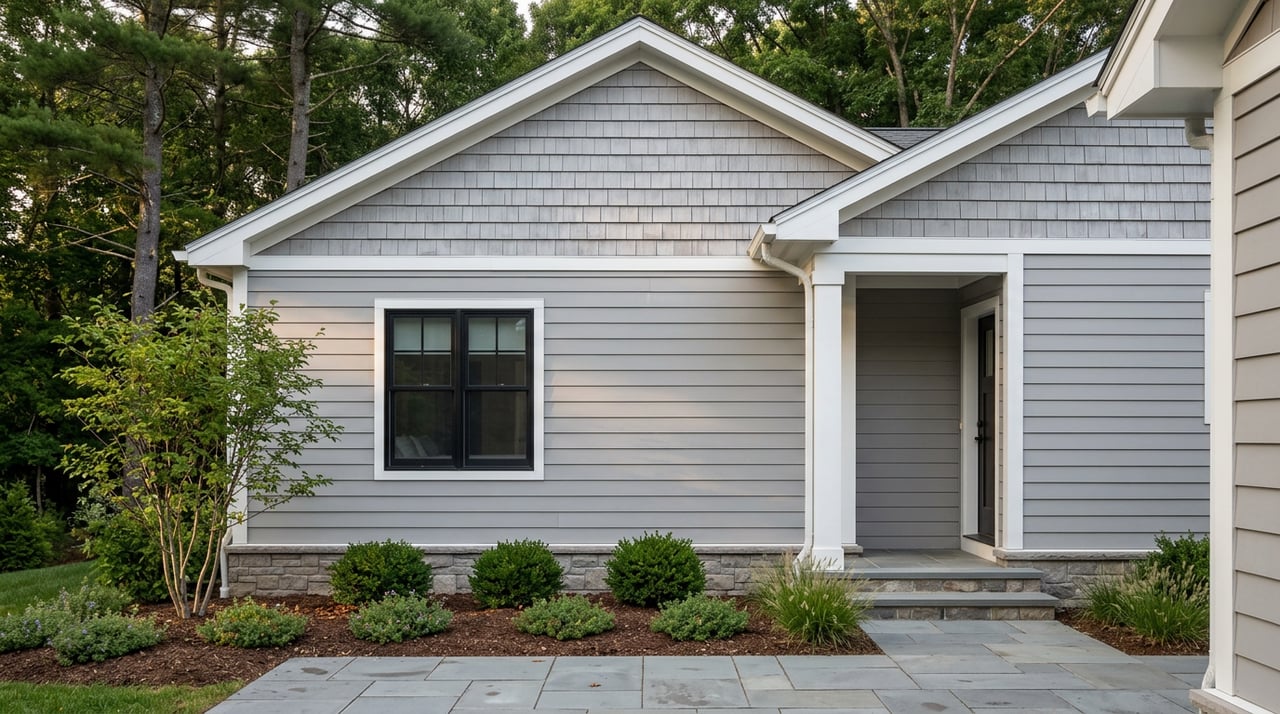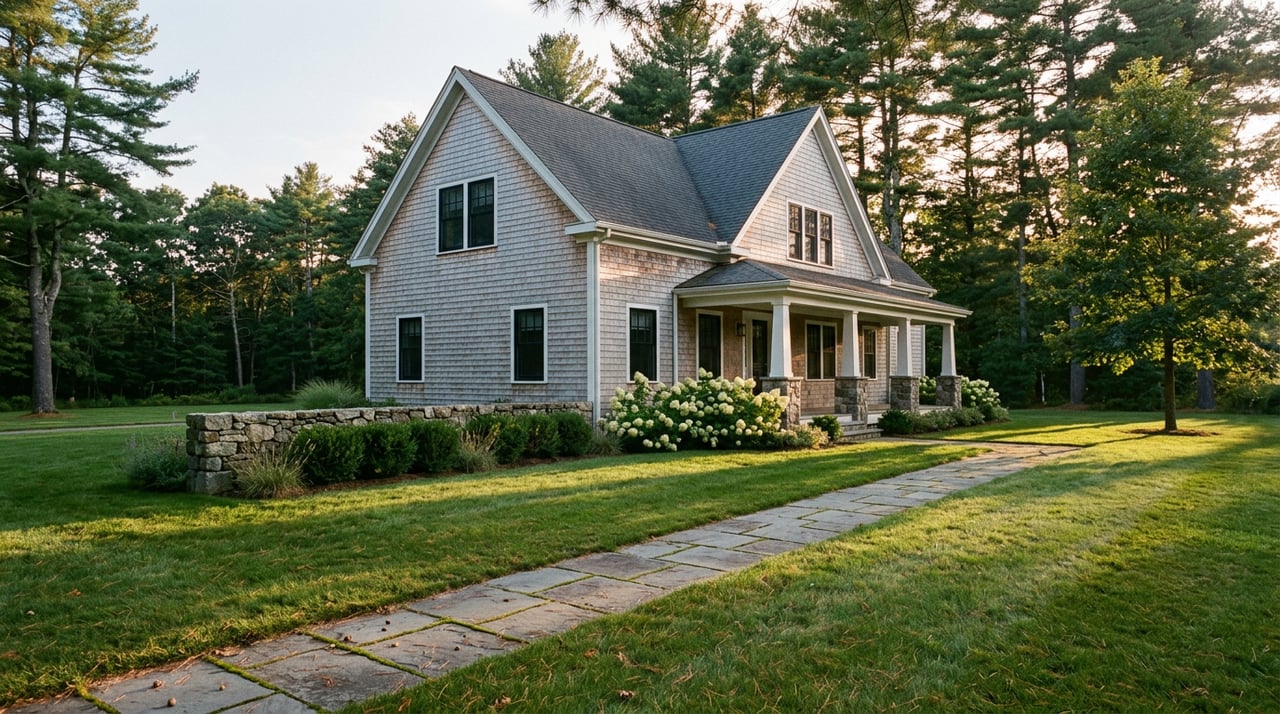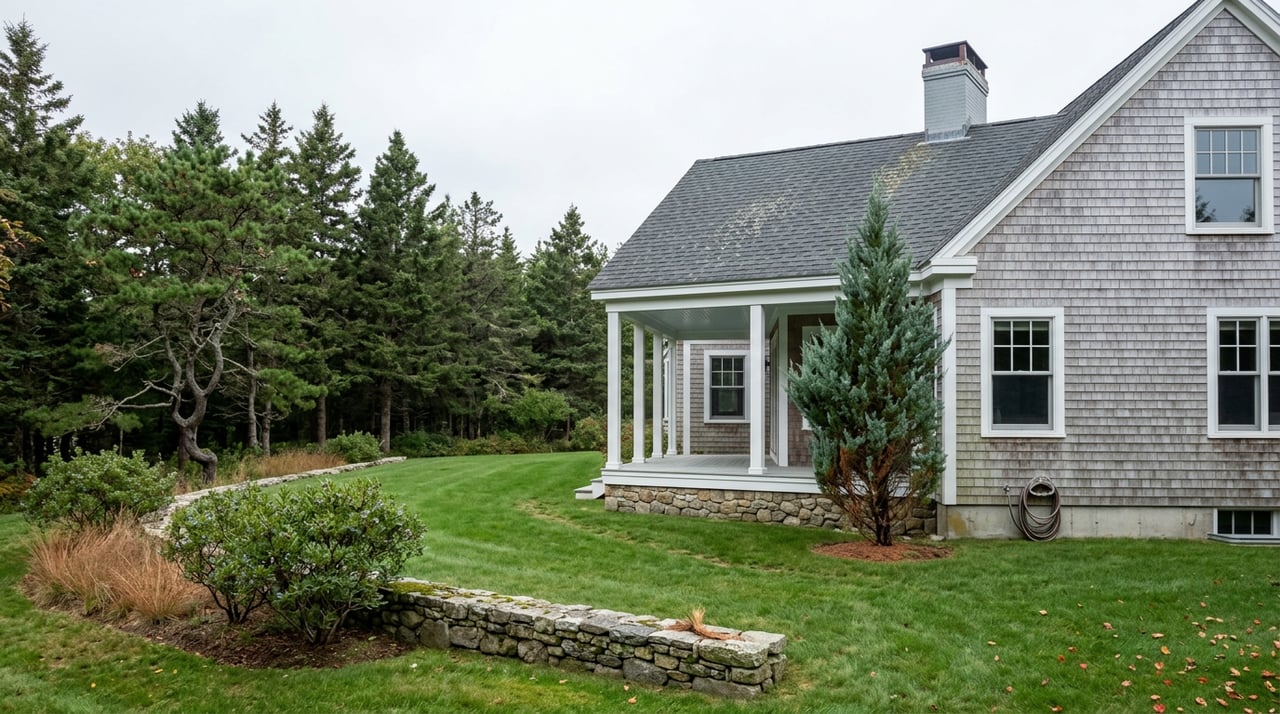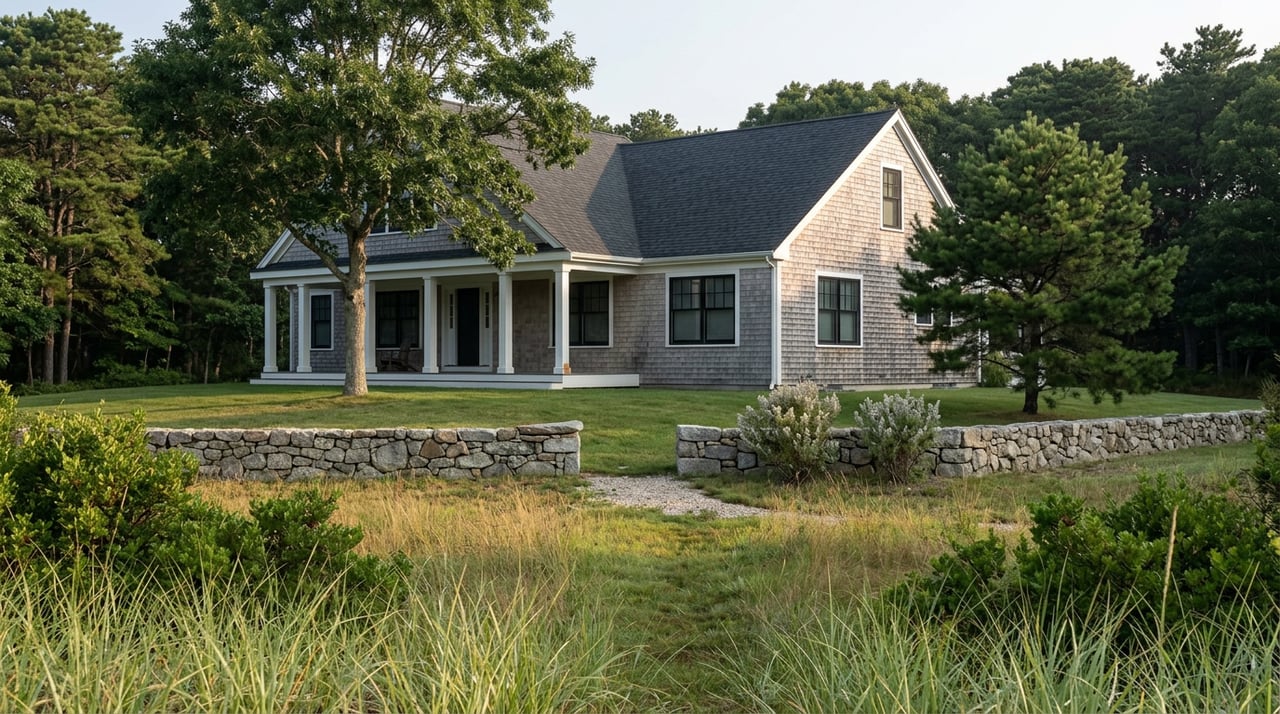
If you have pulled up a number for Chiltonville and started comparing it to other South Shore neighborhoods, you are doing something more complicated than you think. A single median price for Chiltonville is trying to describe three different kinds of houses that happen to share a mail carrier. It cannot do that job well, and treating it like it can is how buyers end up anchored to a figure that has almost nothing to do with the specific house they are about to make an offer on.
Chiltonville is small. It is bounded by the Atlantic on one side and the Eel River on the other, with Bramhall's Corner acting as its unofficial center. But inside that small footprint sit three distinct housing generations, and each one behaves differently when it comes to price, condition, and what a buyer is actually paying for.
One Village, Three Building Eras
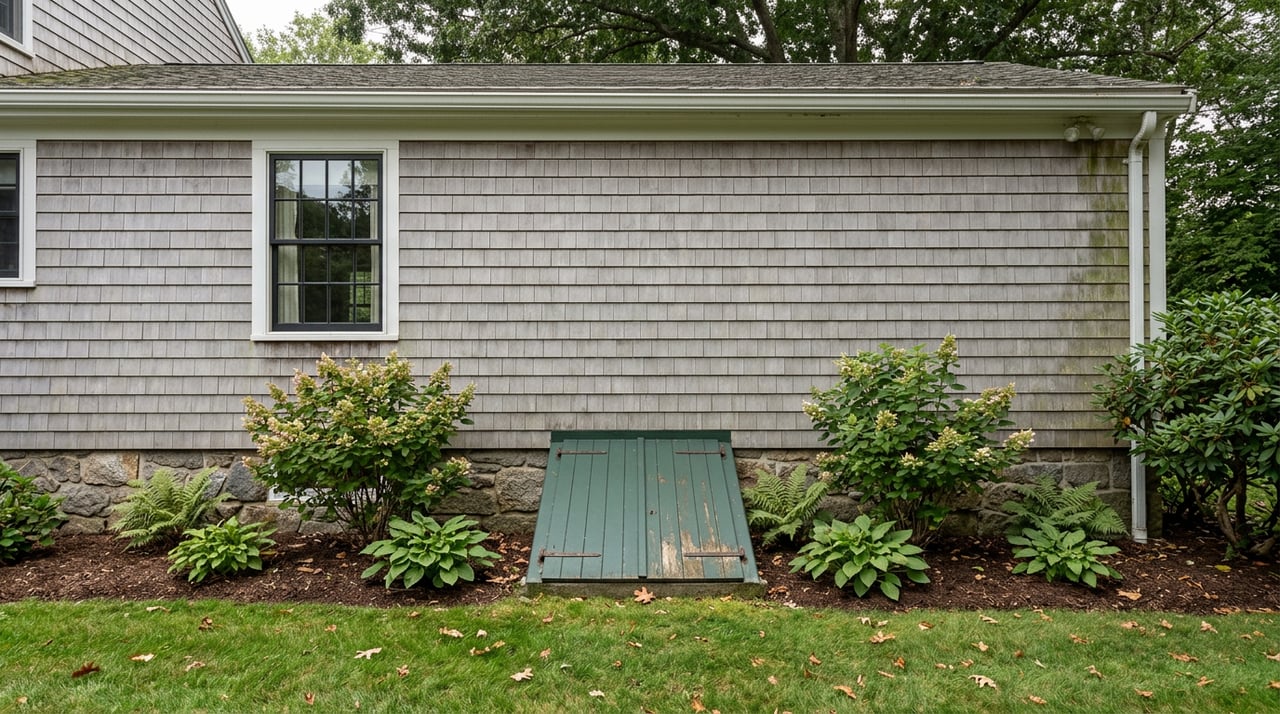
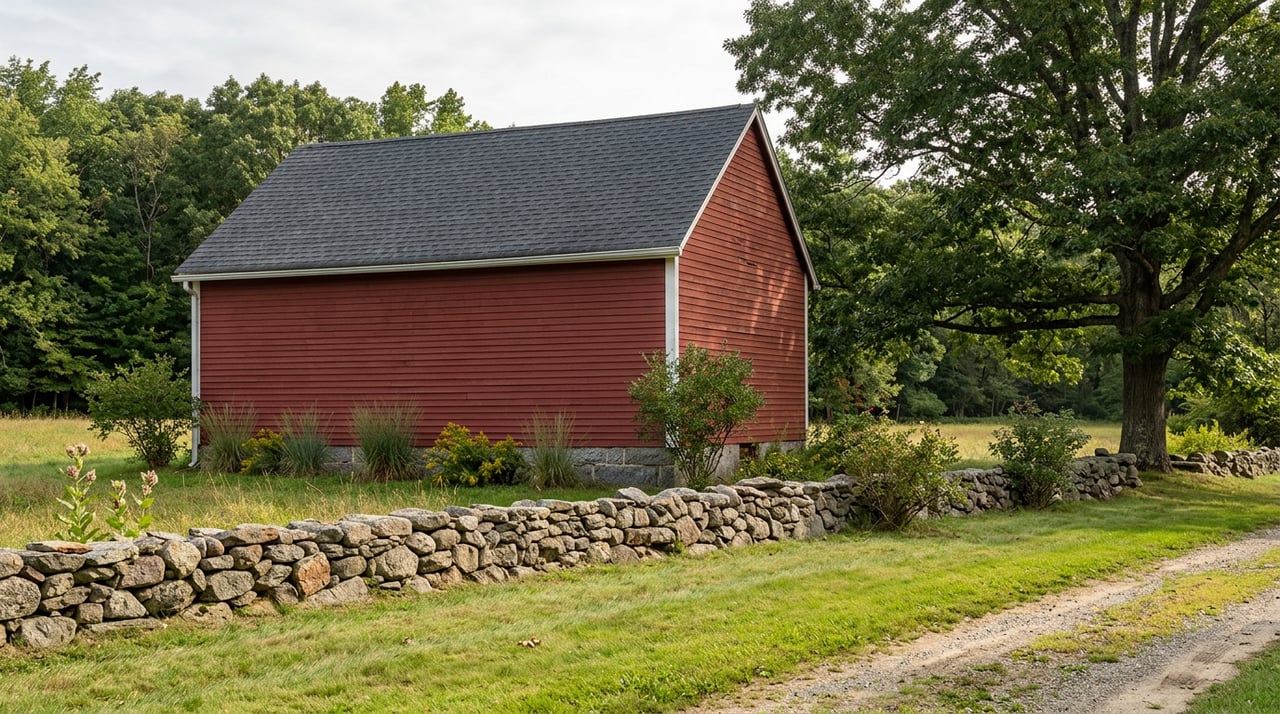
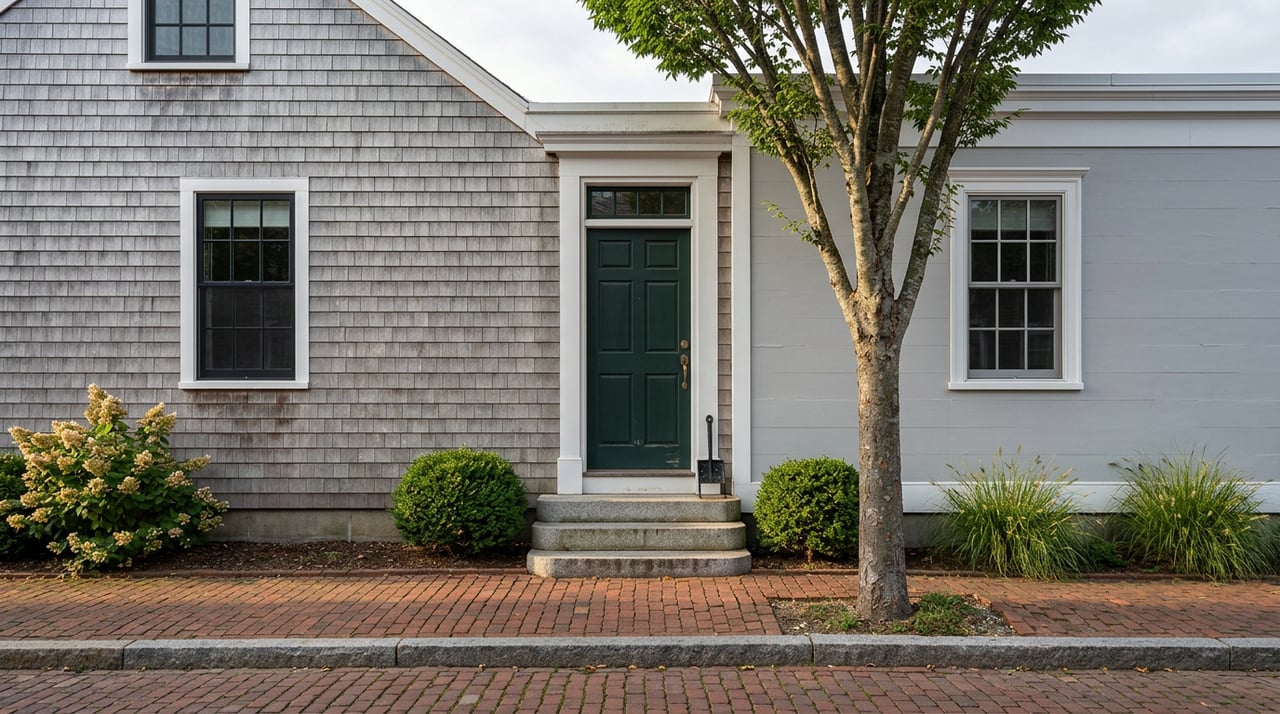
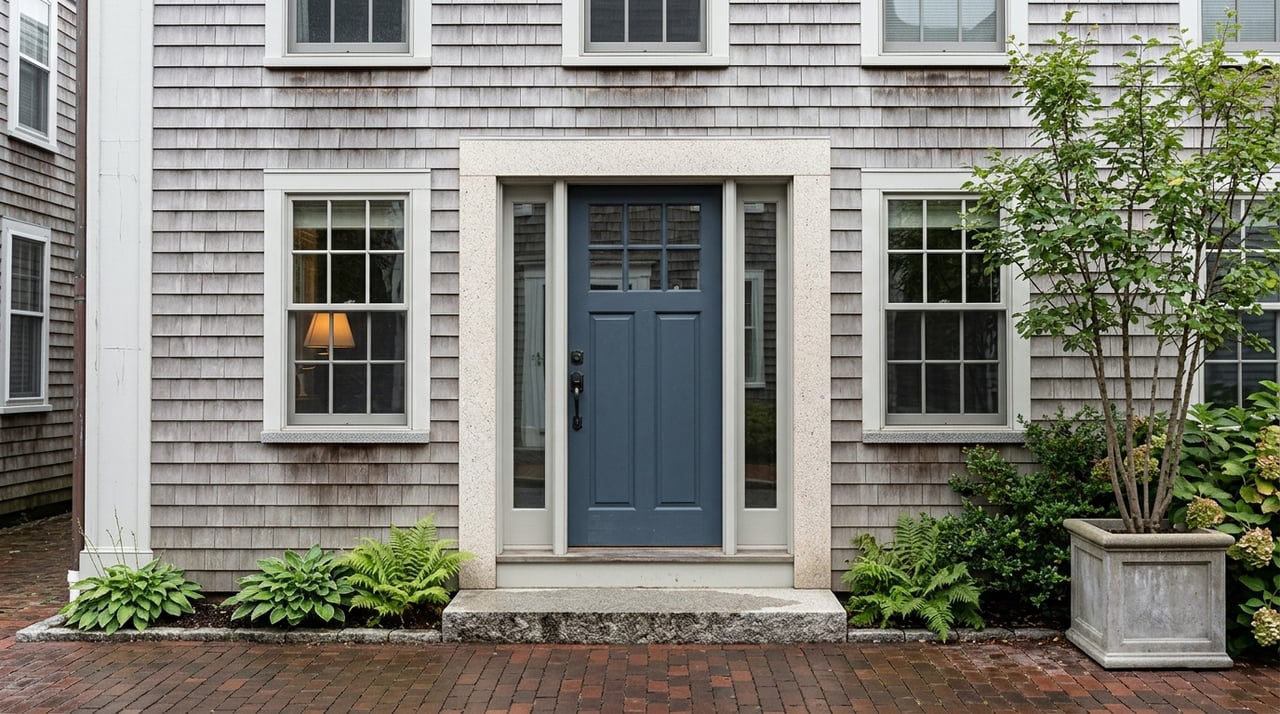
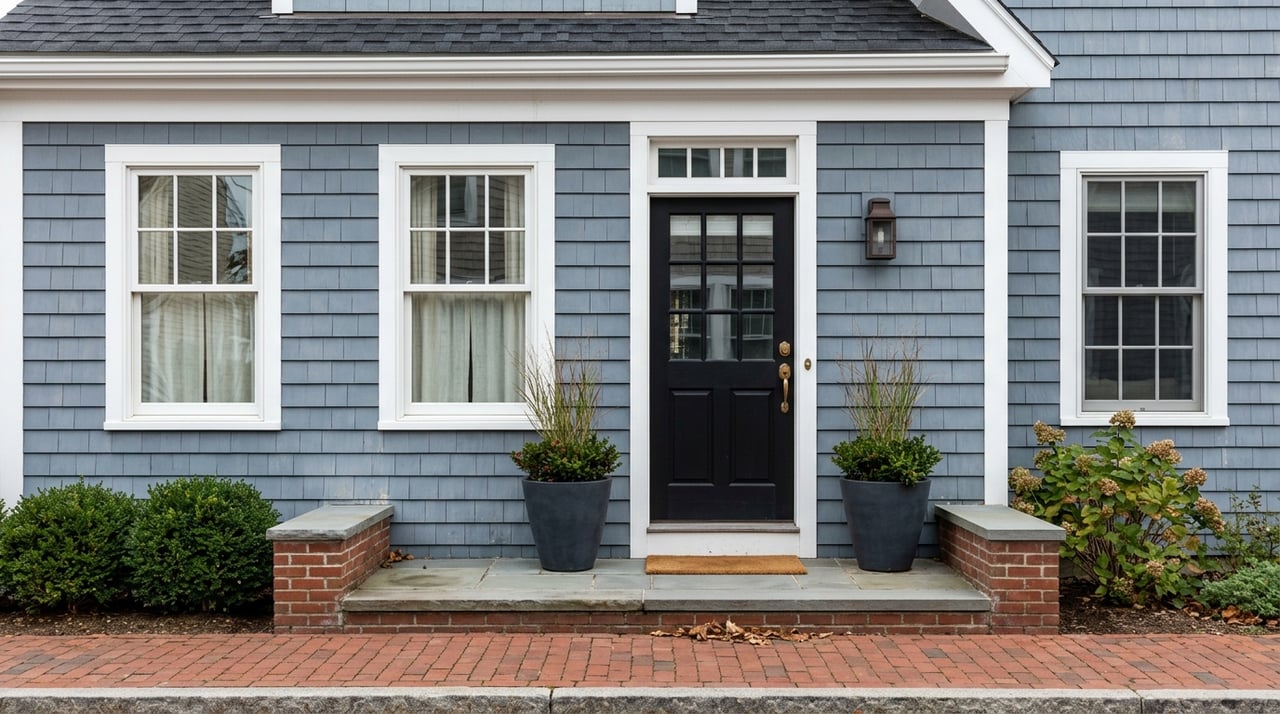
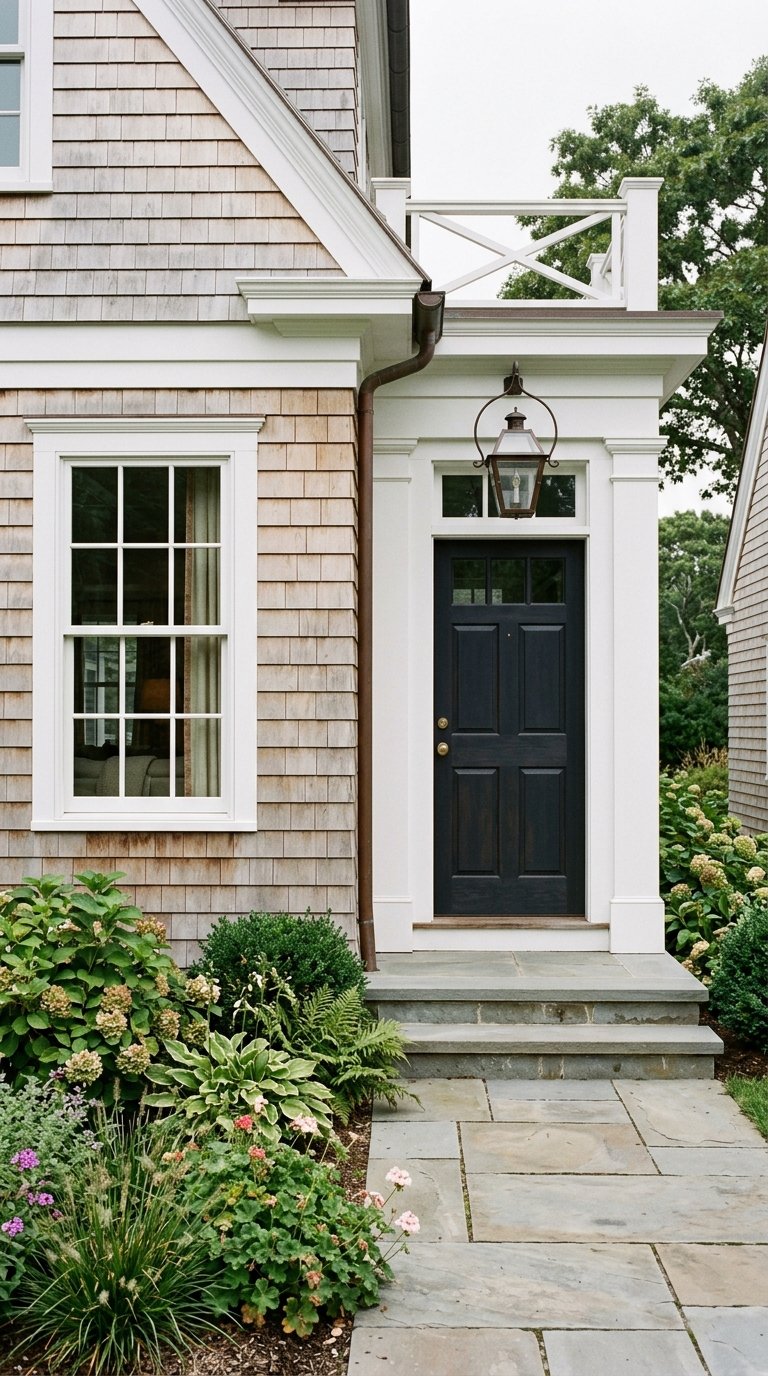
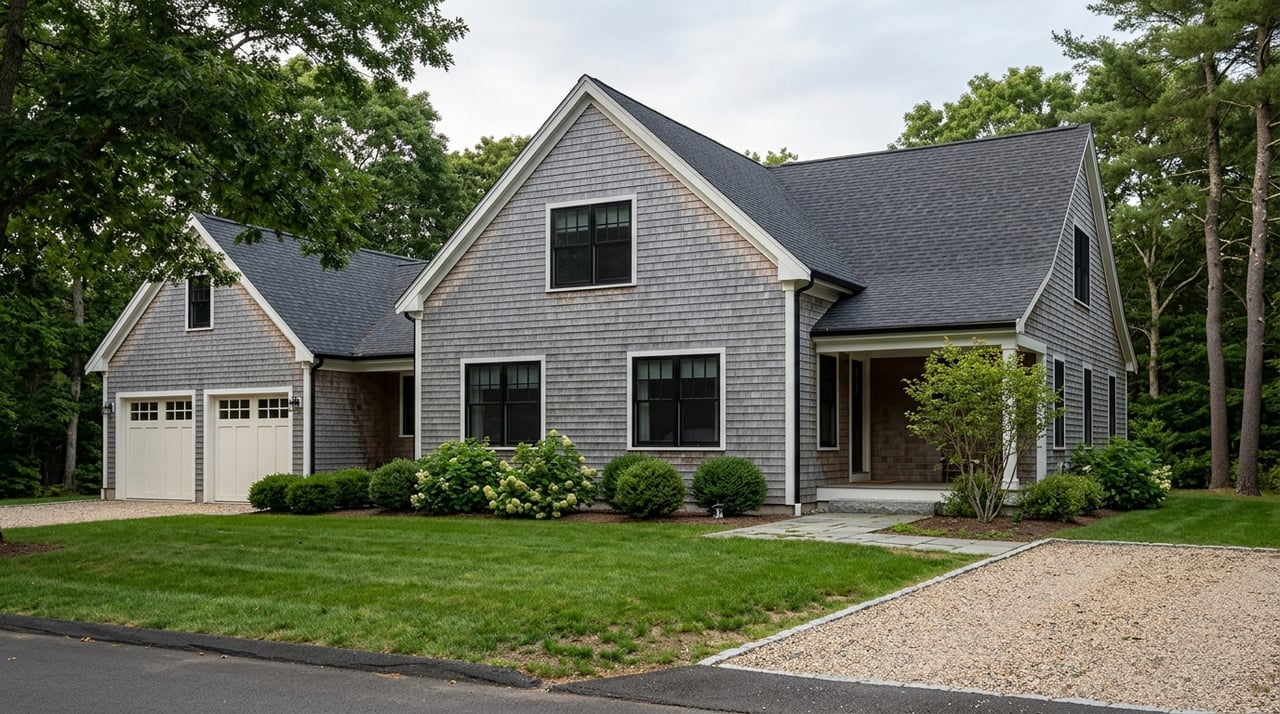
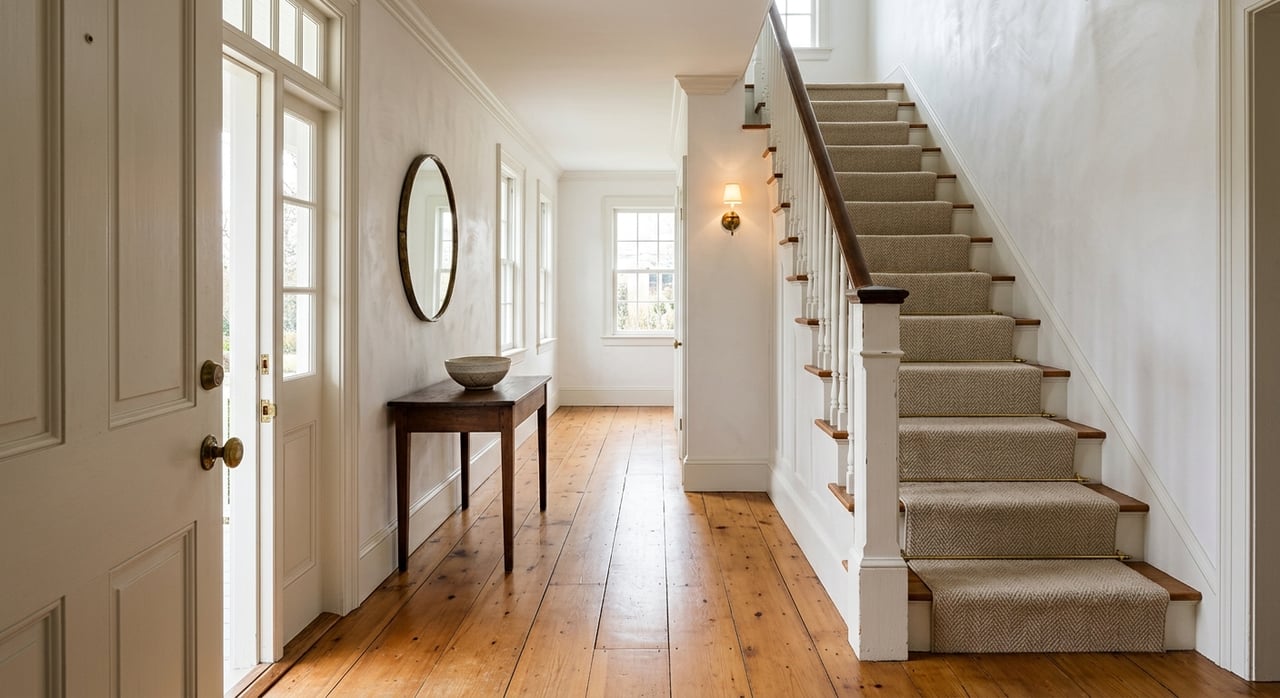
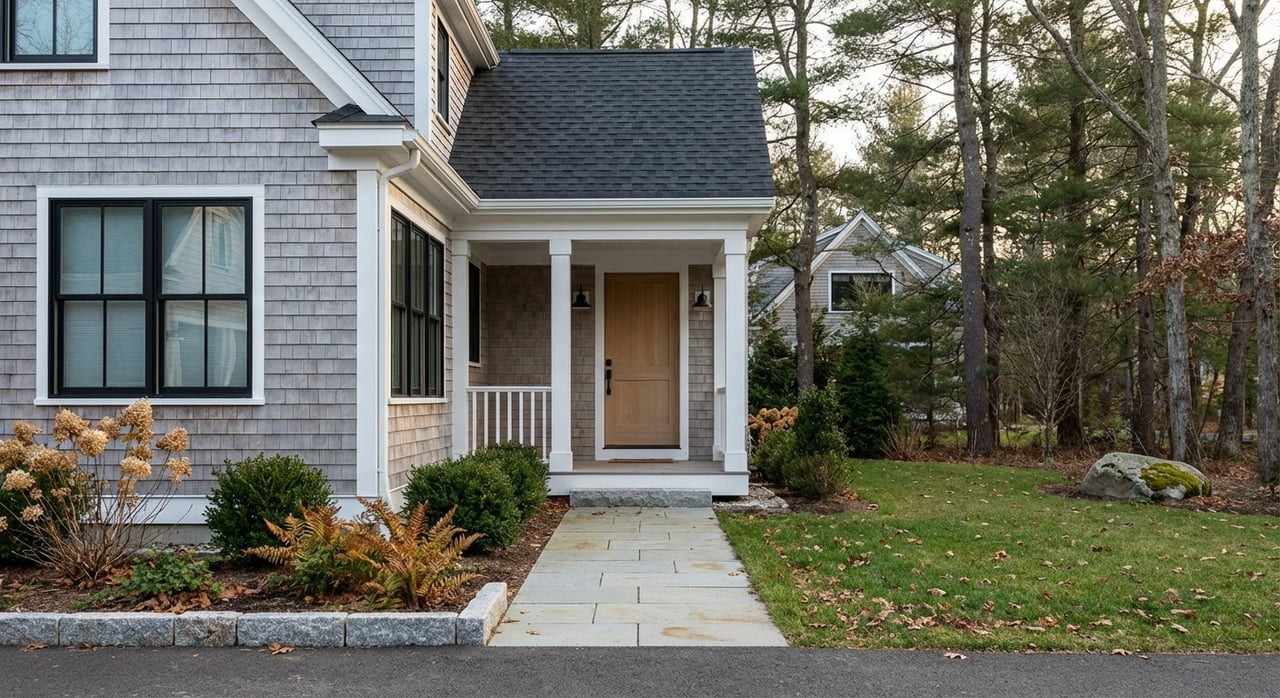
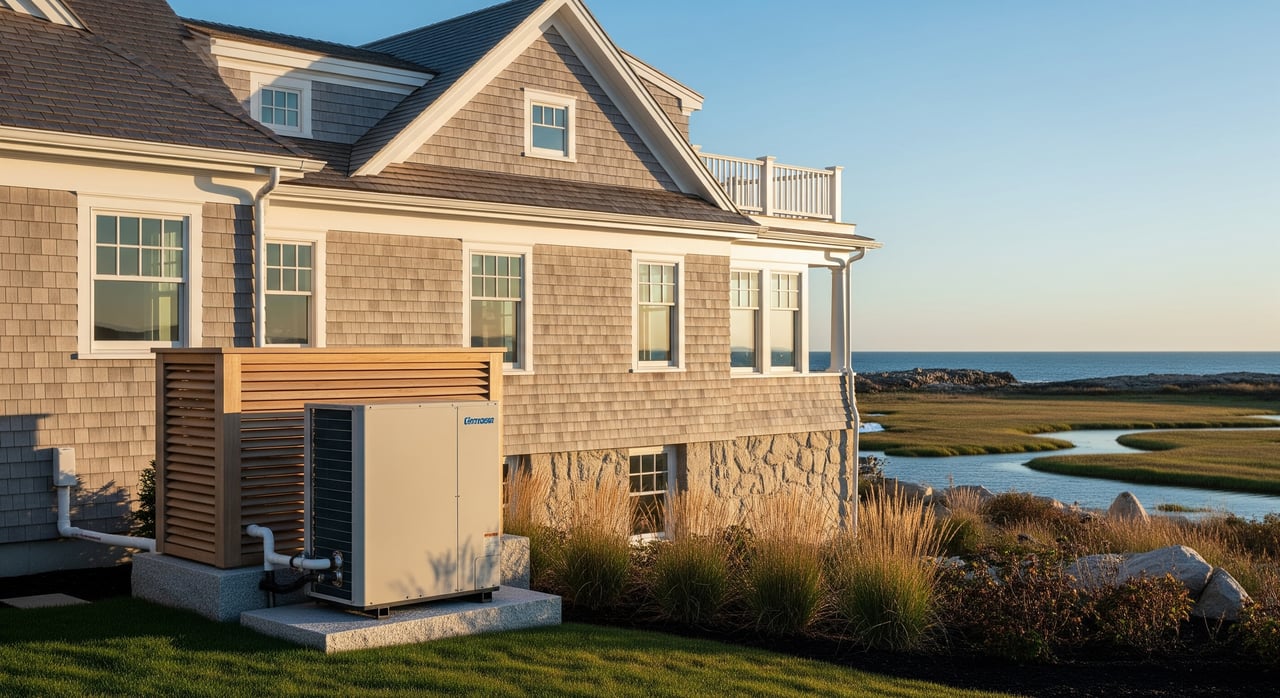
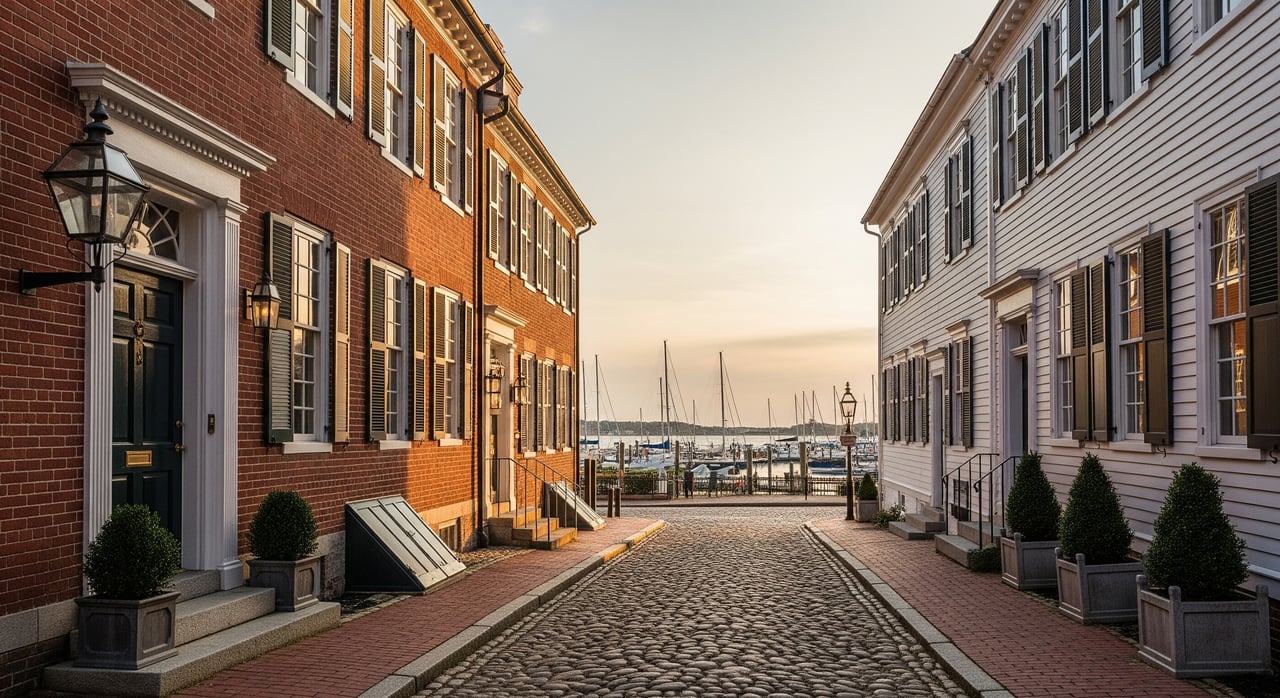
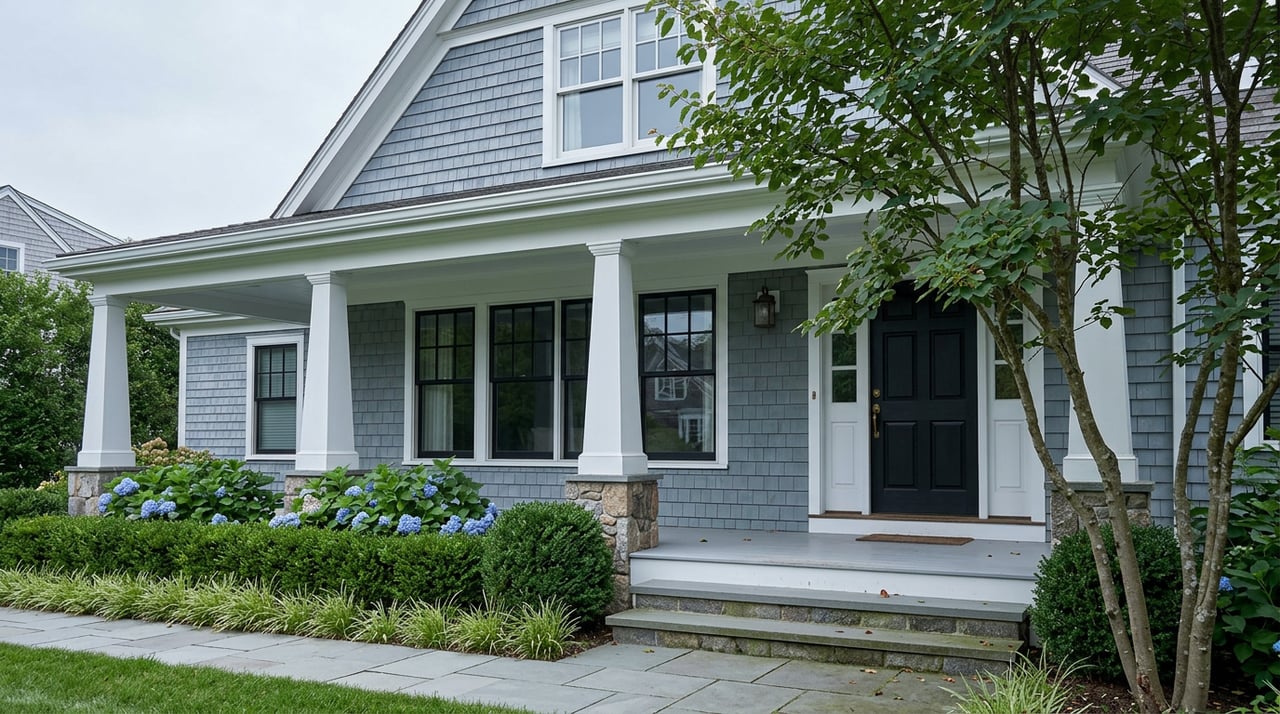
The oldest layer sits on Sandwich Street, Russell Mills Road, and the smaller lanes that branch off them. These are Colonials and Capes, many predating 1939, with the clapboard siding, stone walls, and mature trees that give Chiltonville its postcard reputation. A neighborhood-level housing analysis published in January 2026 confirms what a walk down Sandwich Street already tells you: a large share of Chiltonville's housing stock is genuinely historic, not just marketed that way.
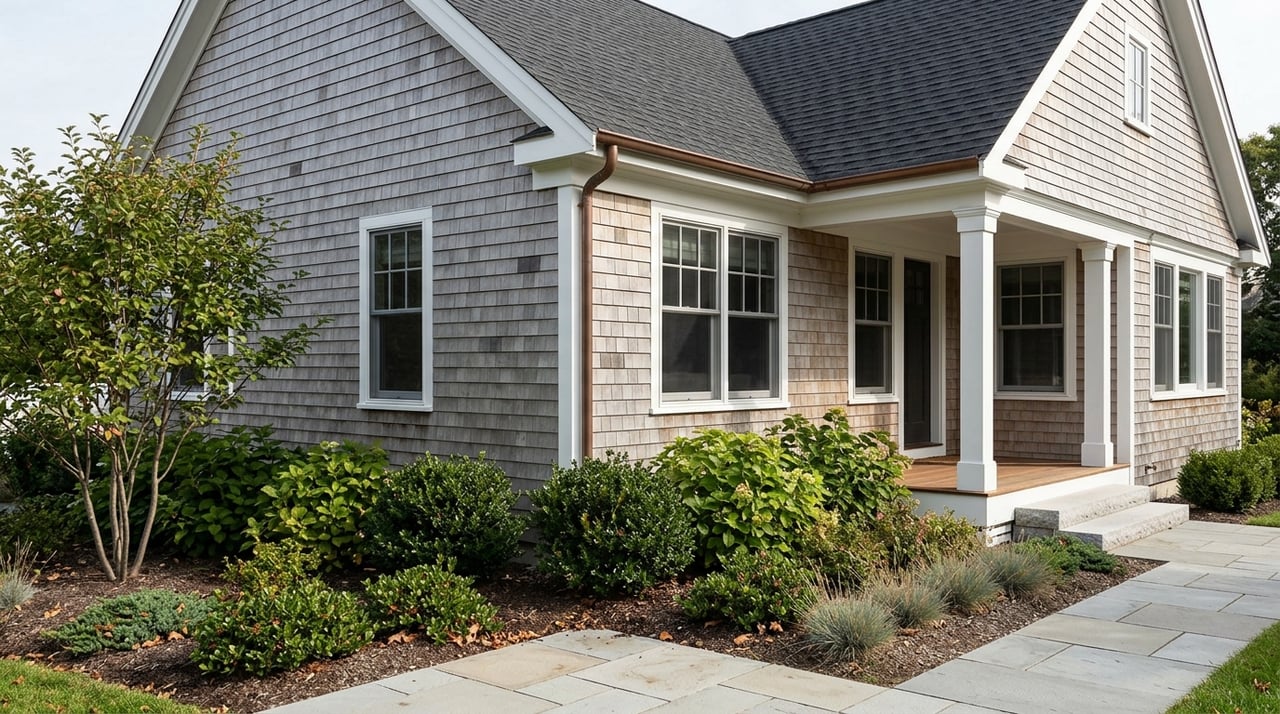
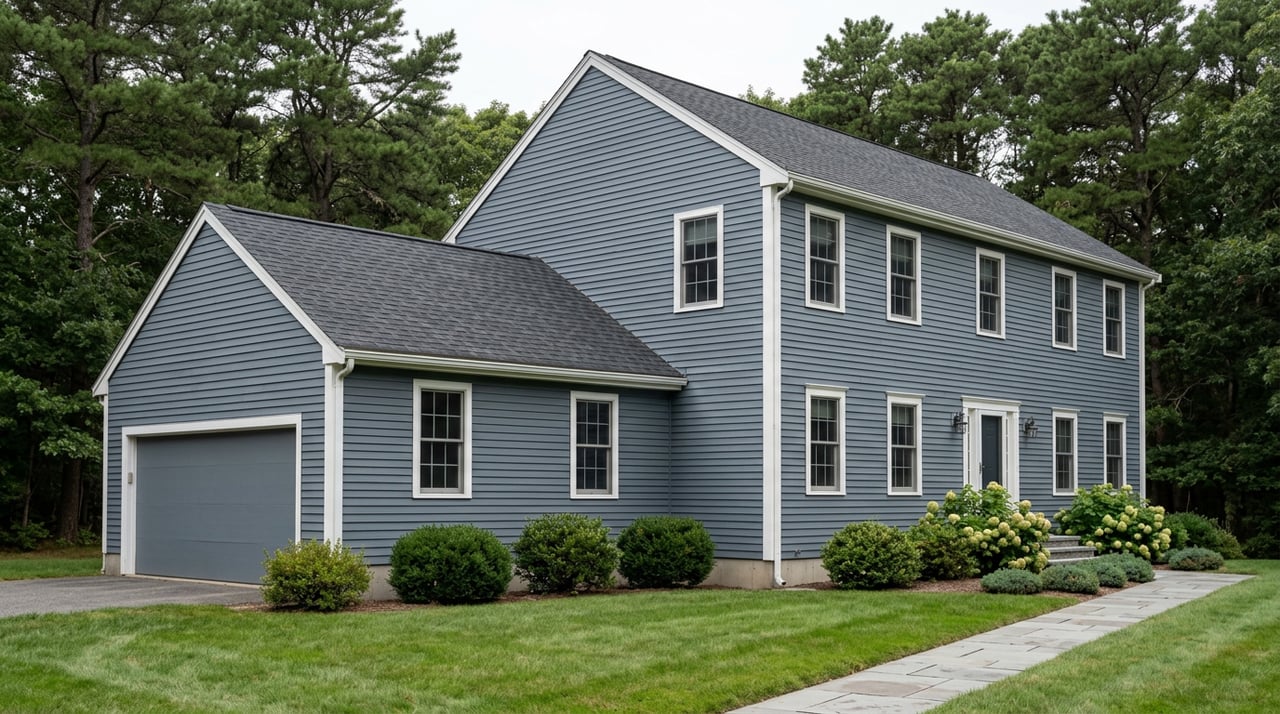
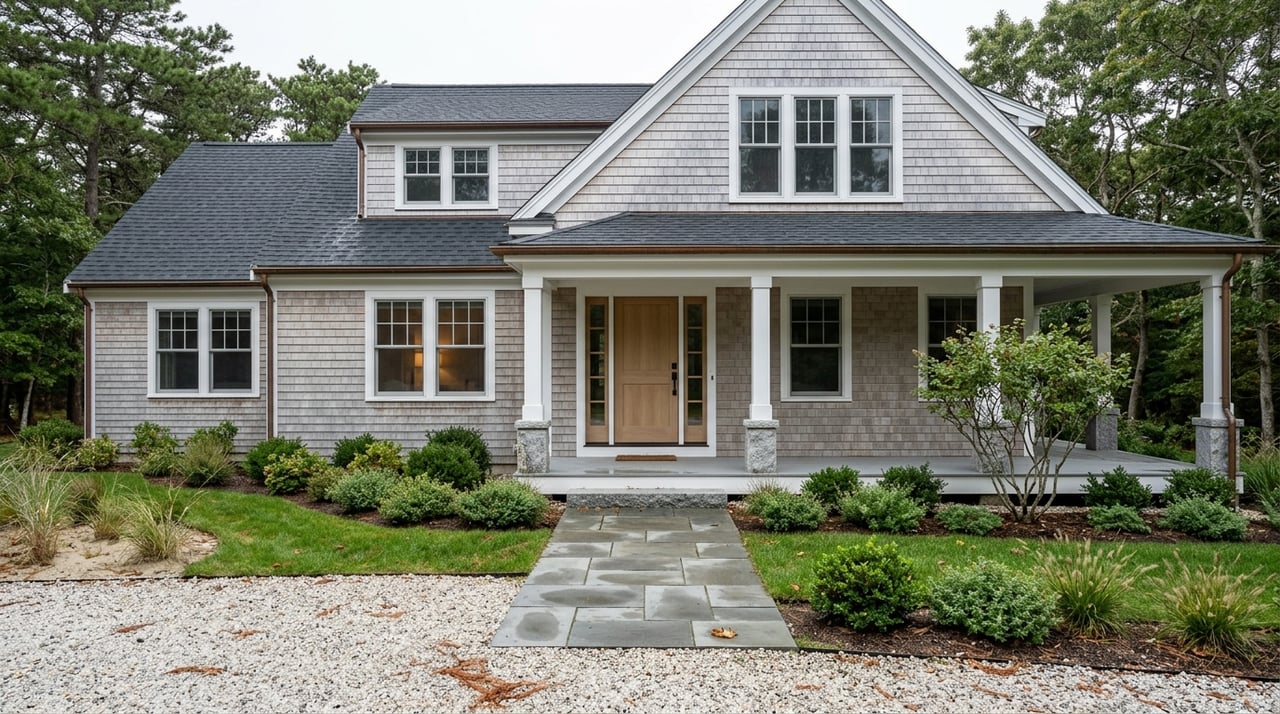
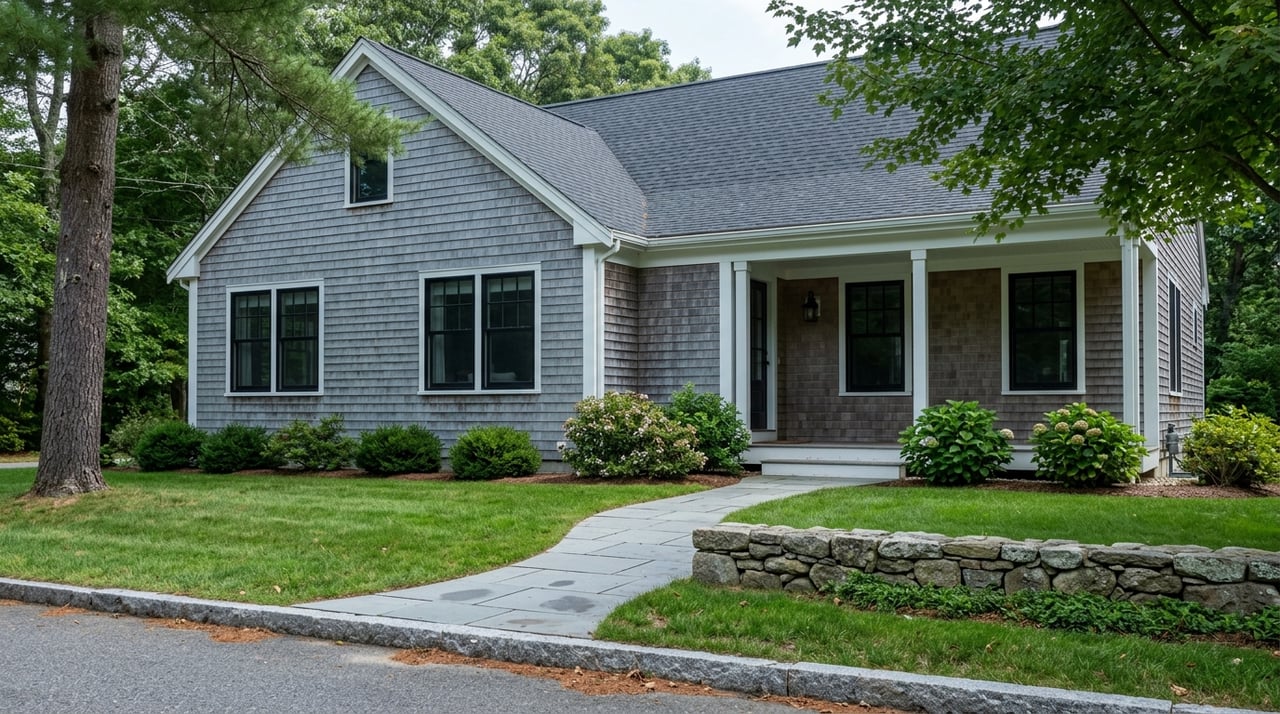
A second layer, built mostly between the 1970s and 1990s, clusters near Old Sandwich Road and Clifford Road. These are ranches and split-levels, some original and some renovated, offering more square footage and more modern floor plans on the same general terrain as their older neighbors a few streets over.
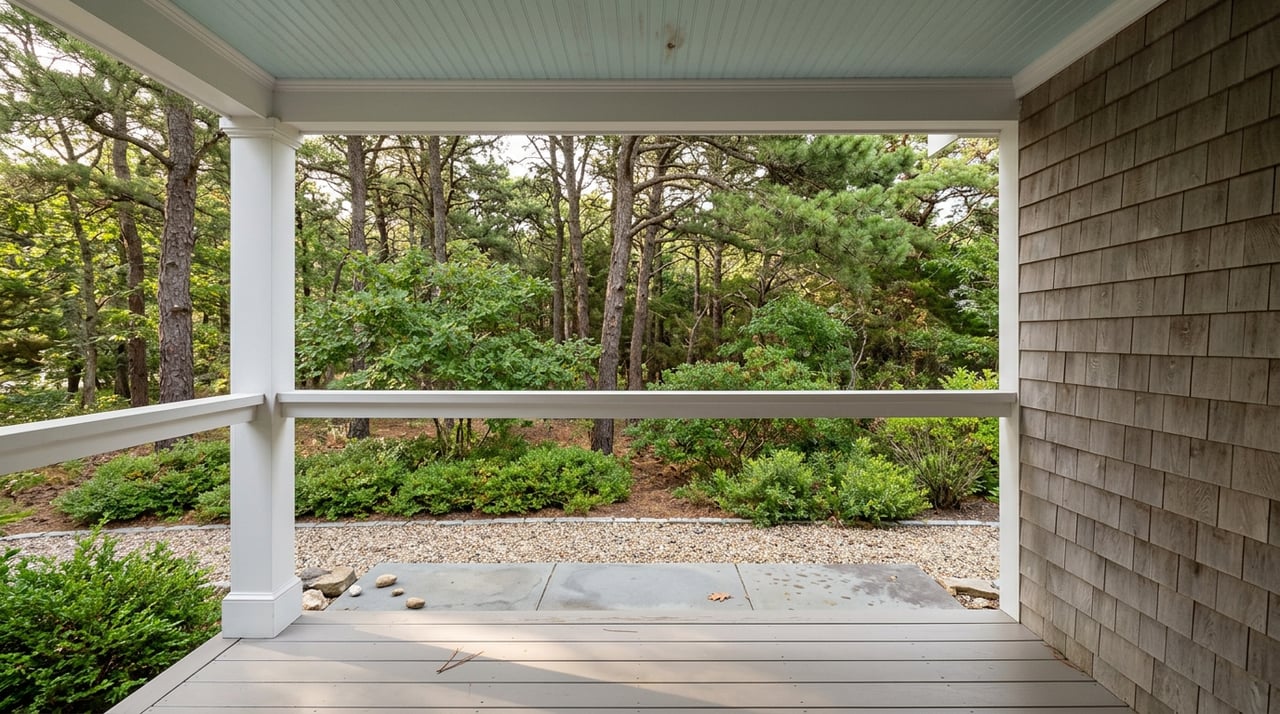
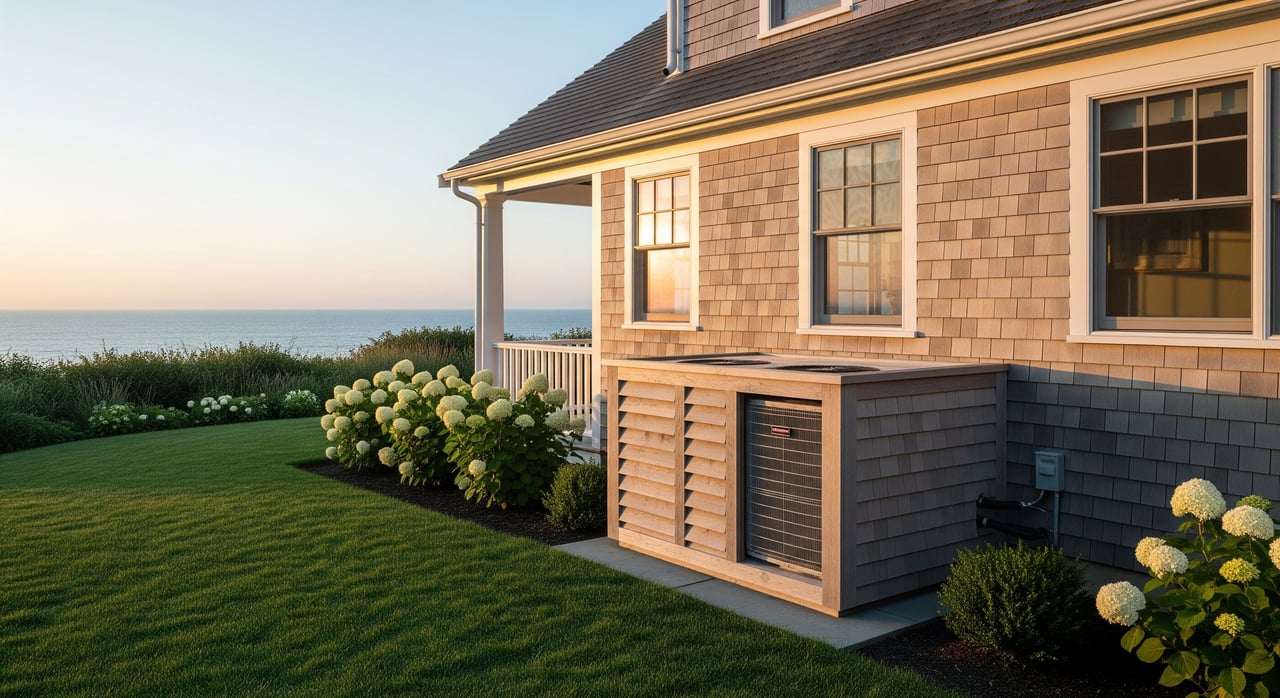
A third and much smaller layer runs along Eel River Road and the banks of the Eel River itself, where a handful of waterfront and riverfront properties back up to marsh views and the Eel River Preserve. This is the pocket most buyers picture when they hear "Chiltonville," even though it represents the smallest slice of the actual inventory.
Here is how those three layers compare on paper:
| Building era | Primary streets | What you're actually buying | Systems to expect |
|---|---|---|---|
| Pre-1939 historic | Sandwich Street, Russell Mills Road | Smaller footprints, period detail, mature landscaping | Older wells and septic systems, often upgraded over decades of ownership |
| 1970s-1990s construction | Old Sandwich Road, Clifford Road | Larger floor plans, ranch and split-level layouts | Newer systems by build date, though age varies by renovation history |
| Waterfront/riverfront | Eel River Road, Eel River frontage | Marsh or river views, proximity to the Eel River Preserve | Site-specific, often the most closely reviewed at permitting |
Three products. One reported median. That is the mechanism worth understanding before you start comparing Chiltonville to anywhere else.
Why The Blending Matters More Here
In a neighborhood with uniform housing stock, a median is a reasonable shorthand. Most of the houses look similar enough that the middle number tells you something real. Chiltonville does not have that luxury. When a 1928 Cape on Russell Mills Road and a 1985 ranch on Clifford Road both sell in the same quarter, they get averaged into the same neighborhood figure even though a buyer touring both would experience them as almost unrelated products.
The same January 2026 analysis that confirmed the age split also found something else worth sitting with: real estate vacancy in Chiltonville runs at 3.7 percent, lower than what you would find in roughly three out of four American neighborhoods. Demand across the neighborhood was described as above average for the country as a whole. That tightness does not fall evenly across the three building eras. It means buyers who want the historic Sandwich Street product are competing against other buyers who specifically want that product, and buyers looking at a Clifford Road ranch are in a separate, if overlapping, competition of their own.
A blended median in a tight market does not average out the noise. It just hides which market you are actually competing in.
The question is never "what did Chiltonville homes sell for." It is "which Chiltonville am I actually looking at."
The Waterfront Pocket Pulls In Its Own Direction
The Eel River Road properties deserve a separate mention because they skew the math without representing enough volume to define it. A handful of homes with river frontage or marsh views can pull a neighborhood average upward in a given quarter, even though most Chiltonville buyers will never see one of those properties come to market. If you are comparing "Chiltonville" to a neighborhood without a waterfront pocket, you are sometimes comparing two very different products dressed in the same zip code.
This is not a caution against buying on Eel River Road. It is a caution against using a Chiltonville-wide number to price it, or to price against it.
What To Actually Ask Before You Compare Price Per Square Foot
Before you use a Chiltonville figure to judge value against another South Shore neighborhood, or against a specific listing inside Chiltonville itself, it helps to know which of the three products you are looking at. A few questions do most of the work:
- What is the build date, and does it fall before 1939, in the 1970s-1990s range, or somewhere else entirely?
- Is the home on Sandwich Street or Russell Mills Road, near Old Sandwich Road or Clifford Road, or along the Eel River itself?
- Has the home been renovated in a way that updates its systems past its original build era, or does it still carry the age its construction date implies?
- If the answer touches the Eel River or the Eel River Preserve, how does that proximity show up in the listing's stated lot lines and site conditions?
None of these questions require special access. They require knowing that Chiltonville is not one neighborhood pretending to be one number. It is three, sharing a school zone, a golf course neighbor in the Donald Ross-designed Plymouth Country Club, and a soccer field at Forges Field, but not much else in terms of what a buyer is actually purchasing.
Frequently Asked Questions
Is Chiltonville more expensive than the rest of Plymouth? Neighborhood-level data published in January 2026 placed Chiltonville's median real estate price higher than roughly half of Massachusetts neighborhoods and about eight in ten neighborhoods nationally. That figure still blends all three building eras described above, so it is a starting point for context rather than a number to price an individual home against.
Are the older homes on Sandwich Street harder to finance or insure? Age alone does not determine financing or insurance eligibility. What matters is documented system condition and any updates made over the home's ownership history, which is why build era matters as a starting question rather than a final answer.
Does the Eel River Preserve add value to nearby homes, or complicate them? Proximity to a protected marsh or preserve can be a genuine draw for buyers who want that setting, and it can also mean additional site review at the point of any future work on the property. Both things can be true of the same home, which is exactly why it pays to ask early rather than assume either direction.
Should I use Chiltonville's median to make an offer? Use it to understand where the neighborhood sits relative to the broader Plymouth market. Use the building era and street location of the specific home to understand what you are actually paying for.
If you are trying to figure out which Chiltonville you are actually looking at, or how a specific historic Cape, a Clifford Road ranch, or an Eel River Road property compares to what else is available on the South Shore right now, that is exactly the kind of question Lynne Morey answers every week. Request a free consultation and get a straight read on the number in front of you before you build an offer around it.