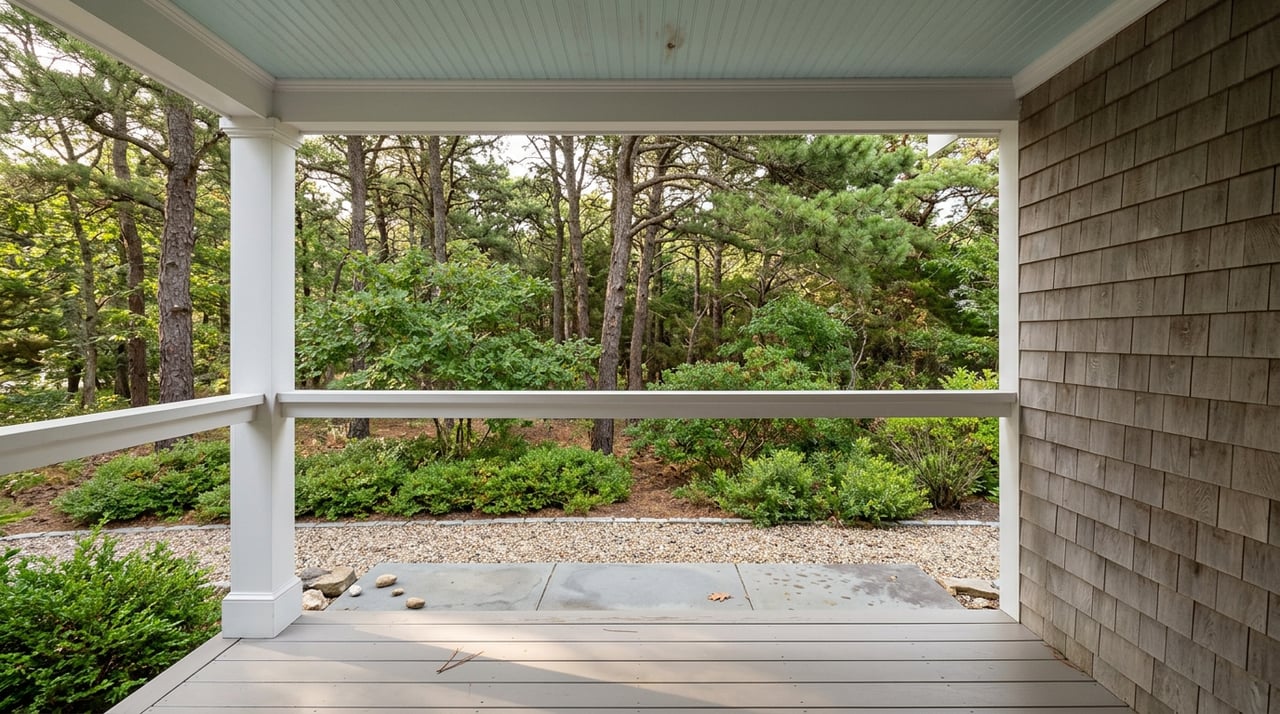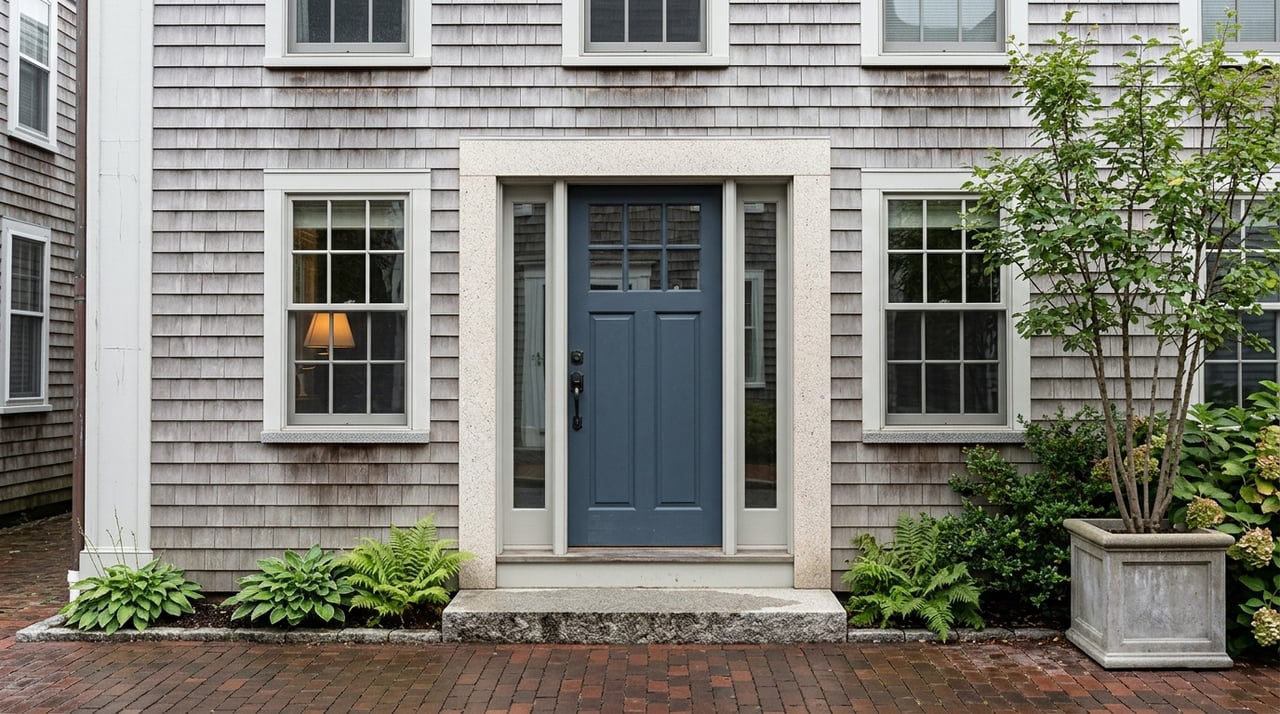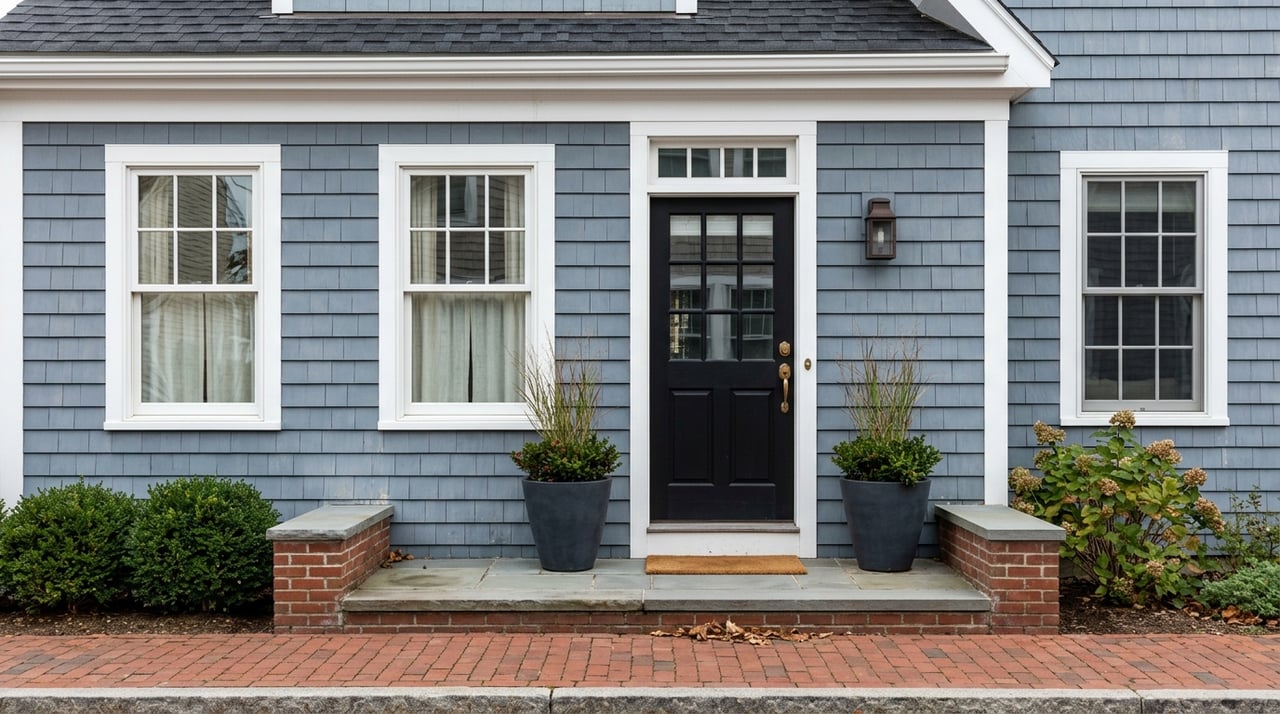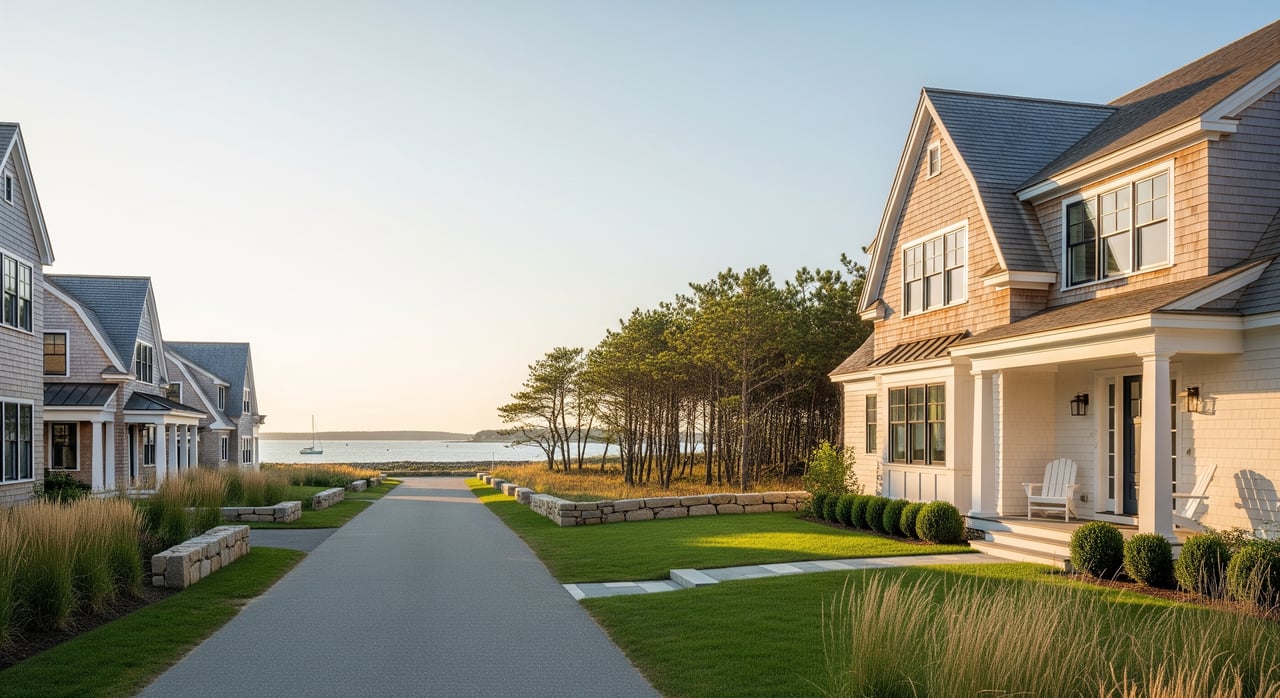
If your idea of coastal living is less about crowds and more about quiet shoreline walks, Ellisville stands out for all the right reasons. This part of Plymouth offers a slower, more natural waterfront experience that appeals to buyers who want scenery, open space, and a strong connection to the outdoors. If you are wondering what residents love most about Ellisville, the answer starts with its preserved coastline and carries through daily life. Let’s dive in.
Why Ellisville Feels Different
Ellisville is a section of Plymouth with roots as an isolated agricultural community. Over time, development pressure and preservation efforts helped shape the area into the shoreline-oriented, low-key place it is today.
That history still shows up in the way Ellisville feels. Compared with busier parts of Plymouth, especially the downtown harborfront, Ellisville reads as more residential, more tucked away, and more connected to protected land and coastal scenery.
Coastal Access Residents Actually Use
One of the biggest draws in Ellisville is public access to the shoreline. Ellisville Harbor State Park gives residents and visitors a way to enjoy the coast without the feel of a built-up beach district.
The park includes a short trail to a natural beach with salt-marsh and shoreline views. According to local conservation sources and Massachusetts trail information, the walk is about a half mile to 0.9 miles depending on the route you take, and the setting includes woodland, marsh, and wide views toward Cape Cod Bay.
This is part of what residents tend to value most. You are not arriving at a commercial boardwalk or a packed resort-style waterfront. You are stepping into a more natural shoreline experience with benches, picnic tables, and room to slow down.
What the Beach Experience Is Like
Ellisville’s beach is public, but it is not the kind of beach people usually picture when they think of a full-service summer destination. The shoreline is natural, with rocky sections and sandy areas rather than a large groomed swimming beach.
There are also a few practical details worth knowing. There are no lifeguards, some sections may close in spring to protect nesting piping plovers and least terns, and the site is generally described as open dawn to dusk with on-site parking.
For many residents, that is a plus rather than a drawback. The appeal here is the quiet setting, the views, and the sense that the coast still feels like coast.
Nature Is Part of Daily Life
In Ellisville, outdoor living is not limited to a single beach visit. The wider area includes conservation land and protected parcels that support passive recreation, which helps make walking, nature viewing, and time outdoors part of everyday life.
Plymouth’s conservation policy notes that town conservation areas and preserves are open to activities such as hiking, biking, nature viewing, bird watching, fishing, and snowshoeing. In the Ellisville area, publicly accessible protected land includes Ellisville Harbor, Eyster Sanctuary, and Richard Wynn Memorial Preserve.
That combination matters if you are looking for a home where the setting shapes your routine. Instead of needing to plan a big outing, you may find that a quiet trail walk or shoreline stop fits naturally into an ordinary day.
A Good Fit for Walkers and Birders
Residents who enjoy simple outdoor routines often appreciate Ellisville’s layout and preserved land. The area’s public access and trail potential support a lifestyle built around walking, observation, and time in nature.
That can be especially appealing if you are relocating, downsizing, or simply looking for a calmer pace near the water. Ellisville offers coastal access without the intensity of a heavily commercial waterfront.
The Waterfront Culture Is Quiet
Every coastal area has its own rhythm, and Ellisville’s is notably calm. Its harbor history includes local fishing vessels and timber shipping, and even today visitors may spot fishing boats and harbor seals offshore.
But Ellisville is not Plymouth’s marina hub. Plymouth Harbor serves as the town’s busier boating center, with heavier recreational and visitor traffic, while Ellisville feels more scenic and observational.
That difference helps explain why residents who choose Ellisville often value peace and atmosphere over activity and crowds. If you like being near the water without needing a busy boating scene outside your door, Ellisville offers a different kind of coastal appeal.
Preservation Shapes the Experience
Another reason residents value Ellisville is that the landscape still reflects its natural and historic character. Town planning materials describe the Ellisville beach area as overlooking Ellisville Harbor along with fields and meadows tied to the old Ellisville farm.
That backdrop gives the area a sense of continuity. You are not just near the shoreline. You are in a part of Plymouth where conservation and history still shape what you see and how the area feels.
For buyers, that can translate into a stronger sense of place. The setting feels intentional, not overbuilt, and that often matters just as much as square footage or finishes.
Who Tends to Love Ellisville Most
Ellisville is not trying to be everything to everyone, and that is part of its strength. Based on its protected shoreline, passive recreation options, and quieter waterfront setting, it tends to appeal most to people who want a nature-first coastal lifestyle.
That may include:
- Buyers who value public shoreline access
- Walkers and hikers who want nearby trails
- Birders and nature lovers drawn to marsh and coastal habitats
- Relocators looking for a quieter part of Plymouth
- Downsizers who want beauty and simplicity over bustle
If that sounds like you, Ellisville may offer a lifestyle match that is hard to find in more built-up waterfront areas.
What This Means for Homebuyers
When you are choosing a coastal area, lifestyle fit matters as much as the home itself. Ellisville offers a version of coastal living that feels grounded in open space, natural shoreline access, and a quieter day-to-day rhythm.
That can be especially valuable if you are comparing different parts of Plymouth. Some buyers want to be close to downtown activity, marinas, and heavier visitor traffic. Others want the coast to feel quieter, more residential, and more connected to conservation land.
Ellisville clearly leans toward the second option. For the right buyer, that is exactly the point.
Why Local Guidance Matters
Neighborhood character can be subtle, especially in a town as varied as Plymouth. Two coastal areas may both offer water access, but the feel, pace, and surrounding land use can be very different.
That is why local insight matters when you are buying or selling in places like Ellisville. Understanding how preserved land, beach access, and the broader setting influence daily life helps you make a more confident decision.
If you are thinking about buying or selling in Plymouth and want help understanding where Ellisville fits within the local market, Lynne Morey offers experienced, high-touch guidance rooted in deep South Shore knowledge.
FAQs
Is Ellisville beach public in Plymouth, MA?
- Yes. Ellisville Harbor State Park provides public shoreline access, with additional nearby protected land contributing to the area’s coastal access.
What is Ellisville Harbor State Park like?
- It offers a natural coastal experience with a short trail, marsh and woodland scenery, benches, picnic tables, and views of Cape Cod Bay.
Is Ellisville a sandy swimming beach area?
- Not in the resort-beach sense. The shoreline includes rocky sections and sandy areas, and there are no lifeguards.
Is Ellisville quieter than Plymouth Harbor?
- Yes. Ellisville is generally more quiet and nature-oriented, while Plymouth Harbor is the town’s busier boating center.
Who is Ellisville coastal living best suited for?
- It often appeals to buyers who want a low-key coastal setting, public beach access, nearby walking opportunities, and a less commercial waterfront atmosphere.