Are you picturing Ellisville as a place that only comes alive in summer? That is a common assumption along the coast, but Ellisville offers a very different kind of shoreline experience. If you are thinking about living here full-time, it helps to understand what daily life looks like in every season, from quiet beach walks to winter storm prep. Let’s dive in.
Ellisville has a four-season coastal feel
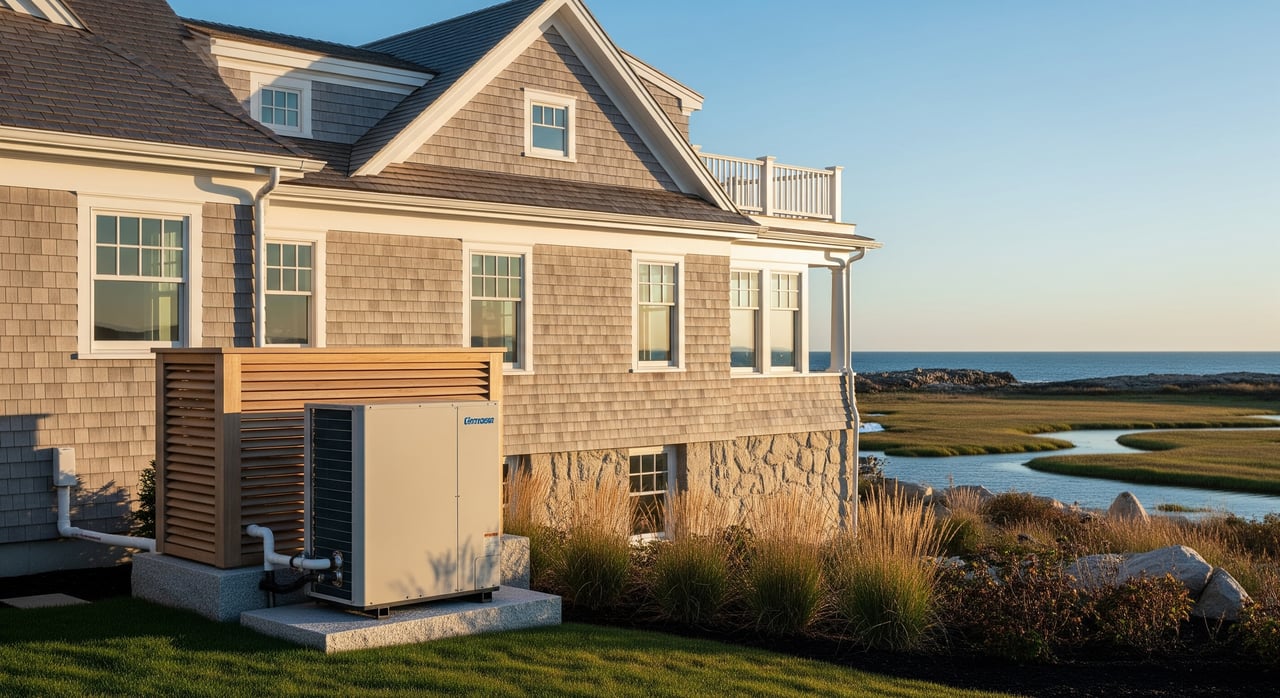
Ellisville stands out because its shoreline feels more preserved than built up. The Ellisville Harbor Area of Critical Environmental Concern covers about 600 acres and includes a sheltered harbor, sandy beaches, salt marsh, steep bluffs, kettle holes, a small sphagnum bog, and scenic rural uplands.
That setting shapes the experience of living here year-round. Instead of a commercial beach strip, the area is defined by protected land, natural scenery, and low-impact outdoor use. Ellisville Harbor State Park adds to that character with forested uplands, beach access, and passive recreation rather than a resort-style environment.
For many buyers, that is the main appeal. You are not choosing Ellisville for a boardwalk atmosphere or a crowded summer scene. You are choosing it for a quieter coastal setting that feels connected to nature in every season.
What year-round weather looks like
If you live in Ellisville full-time, you should expect a true New England weather pattern. Using NOAA data from the nearby Plymouth-Kingston station as a local guide, the area averages 52.5°F annually, 52.77 inches of precipitation, and 37.9 inches of snow.
Summer is warm, with July averaging 84.0°F for highs and 64.1°F for lows. Winter is cold, with January averaging 41.0°F for highs and 21.8°F for lows. Most snow falls from December through March, which means winter maintenance and commute planning are part of everyday life.
That said, year-round living here is not just about getting through the colder months. Spring and fall are often some of the most comfortable times to enjoy the area, especially for walking trails, taking care of outdoor chores, and spending time near the water without peak-season crowds.
Outdoor life does not stop after summer
One of the clearest signs that Ellisville works as a four-season location is how the landscape stays useful all year. Ellisville Harbor State Park is open from sunrise to sunset and offers hiking, fishing, scenic viewing, a picnic area, and cross-country skiing. There is also free on-site parking, which makes regular visits easy.
The coastal trail network reinforces that pattern. The state describes a 0.9-mile woodland trail leading to a remote beach, along with a short salt-marsh loop. In fall and winter, harbor seals are often visible from the shoreline, which gives the colder months their own kind of appeal.
This matters if you are comparing Ellisville to more seasonal shoreline areas. In Ellisville, the outdoors remains part of daily life even when beach weather is gone.
A note for pet owners
If you have a dog, it is worth knowing the seasonal beach rules before you buy nearby. According to Mass.gov, dogs and other pets are not allowed on the beach from April 1 through September 15, except for service animals.
That does not make Ellisville less appealing for pet owners, but it does affect routines during warmer months. It is the kind of practical detail that can shape how a home location feels once you move in.
Why Ellisville feels different from other South Shore spots
The South Shore offers many coastal destinations, but Ellisville has a distinct identity. State materials consistently describe the area through its protected shoreline, natural systems, and passive recreation rather than restaurants, retail, or dense waterfront development.
That creates a different rhythm of life. You may find that Ellisville feels quieter, more scenic, and more conservation-oriented than some other shoreline communities in the region. For buyers who want access to the coast without a busier commercial setting, that can be a major advantage.
It also means expectations should be realistic. Ellisville is best for people who value landscape, privacy, and everyday access to nature more than a highly built-up beach atmosphere.
Coastal ownership comes with extra planning
Living near the coast can be rewarding, but it also calls for careful property review. Massachusetts guidance warns that coastal areas are highly vulnerable to accelerating sea-level rise and storm surge. The state projects sea level rise of about 0.6 to 1.1 feet by 2030 and 2.3 to 4.2 feet by 2070 compared with 2000 levels.
Those changes can affect shoreline erosion, tidal flooding, saltwater intrusion, utility interruptions, and post-flood mold risk. For a buyer, that means lifestyle and location should always be paired with a practical review of exposure and maintenance needs.
If you are considering a home in Ellisville, it is smart to look beyond the view and ask how the property handles weather risk over time. The homes and shoreline structures closest to the ocean can face the greatest storm impacts, and erosion remains an ongoing concern along the Massachusetts coast.
What to check before you buy
One of the first steps is reviewing the property’s flood exposure. FEMA’s Flood Map Service Center is the official public source for flood hazard information, and that is a key place to verify whether a specific property falls within a mapped flood zone.
You should also review insurance early. FEMA states that most homeowners insurance does not cover flood damage, so flood insurance is generally a separate policy to consider.
For many buyers, this review is not about ruling a property out. It is about understanding the full ownership picture before you make a decision.
Storm season is part of coastal living
In Massachusetts, hurricane season runs from June 1 through November 30, with the most active period in late August and September. The state also identifies nor’easters as a major coastal hazard because they can bring storm surge, high winds, heavy snow, heavy rainfall, inland flooding, and beach erosion.
For full-time residents, this is part of the normal planning cycle. Coastal living can include tracking forecasts more closely, preparing outdoor items before a storm, and knowing what maintenance steps may follow rough weather.
Massachusetts guidance recommends storm shutters or temporary plywood covers when damaging winds are expected. The state also advises cleaning and disinfecting wet materials after storms to reduce mold risk.
Is Ellisville right for full-time living?
For the right buyer, Ellisville can be a strong year-round fit. It offers a quieter South Shore coastal experience shaped by natural land, all-season outdoor access, and a landscape that stays interesting well beyond summer.
At the same time, it is important to go in with clear eyes. Full-time coastal living here means embracing cold winters, snow, storm awareness, and the practical responsibilities that come with owning near the water.
If that balance sounds appealing, Ellisville can offer something special: a coastal setting that feels grounded, scenic, and livable in every season. If you want local guidance on Ellisville, waterfront considerations, or South Shore coastal homes, Lynne Morey can help you evaluate the lifestyle and the property details with confidence.
FAQs
Is Ellisville, Massachusetts, only a summer destination?
- No. Ellisville functions as a four-season coastal area, with hiking, scenic viewing, winter seal watching, and even cross-country skiing at Ellisville Harbor State Park.
What is the weather like for year-round living in Ellisville?
- Ellisville has warm summers and cold winters. Nearby NOAA data shows July average highs of 84.0°F, January average highs of 41.0°F, and about 37.9 inches of snow annually.
What makes Ellisville different from other South Shore coastal areas?
- Ellisville is known for its protected shoreline, passive recreation, and conservation-oriented setting rather than a dense commercial beach environment.
What should buyers review before purchasing a home in Ellisville?
- Buyers should check the property’s flood hazard information, review whether flood insurance may be needed, and understand the likely storm-prep and maintenance responsibilities for that specific home.
Are there coastal storm risks to consider in Ellisville?
- Yes. Massachusetts identifies both hurricanes and nor’easters as important coastal hazards that can bring flooding, wind, erosion, and other property impacts.
Are dogs allowed on Ellisville Harbor State Park beach year-round?
- No. Dogs and other pets are not allowed on the beach from April 1 through September 15, except for service animals.