You get one shot to set the market for a new community in West Plymouth. Price too high and you stall. Price too low and you leave money on the table and hurt future comps. If you are planning a presale launch, you need a clear, data-backed plan that aligns pricing, phasing, model-home ROI, broker engagement, and daily on-site execution. This guide gives you that playbook and shows how a seasoned local team can run the sales room and reporting for you. Let’s dive in.
Lock in local ground truth
Before you touch pricing, gather the right local inputs so your plan reflects West Plymouth buyers and inventory.
- Recent comps: new-home and resale sales in West Plymouth and nearby areas over the last 6–12 months, including days on market, concessions, and final net after incentives.
- Active competition: current new-construction listings, spec homes, and upcoming subdivisions.
- Absorption rate: how many comparable units sell per month at the price points you’re targeting.
- Buyer segments: who buys here and why, including life stage, typical household income, household size, and school district appeal.
- Lot factors: which lot types command real premiums locally, such as wooded privacy, cul-de-sac positions, or view corridors.
- Zoning and deliverability: impact fees, septic versus sewer, and any road or culvert timelines that affect lot release timing.
- Transportation context: commute expectations to South Shore and Boston employment hubs and access to regional transit where relevant.
- Sales channels: where buyers discover West Plymouth new builds and how listings are syndicated across MLS and portals.
Use local sources that reflect current reality: Plymouth-area MLS, Town of Plymouth assessor and planning, top local broker market reports, and closing agents. Build your plan on this ground truth so your pricing bands and releases match how West Plymouth actually absorbs new construction.
Build pricing bands buyers understand
Strong presales come from clear price storytelling. Your pricing should attract traffic, protect margins, and keep comps clean.
Pricing components to publish
- Base price: a turnkey starting price for each plan on a standard lot.
- Lot premiums: a posted schedule by lot type and location, shown on a color-coded lot map.
- Elevation and upgrade packages: simple, priced bundles for structure, kitchen, bath, and finished lower level.
- Options menu: a concise a la carte list for common selections with transparent pricing so buyers can estimate a turnkey number immediately.
- Incentives: time-limited credits or financing help that you plan in advance and phase out as absorption improves.
Mechanics that protect comps and margins
- Set a visible price matrix so brokers can calculate contract price quickly: base price + lot premium + elevation + options = contract price.
- Use introductory bands to stimulate early traffic, then pre-plan small, banded increases tied to sales velocity and option attachment.
- Avoid heavy, lot-by-lot discounting. Protect resale comps by using timed incentives and structured releases instead.
Size bands and releases with intent
- Initial release: start with about 10–25 percent of total lots across a mix of standard and premium placements to create urgency and produce comps quickly.
- Move pricing only after performance signals. Typical practice is to adjust list prices or reduce incentives after a target count of presales or a 60–90 day window, matched to local absorption norms.
- Set minimum net price thresholds so lender underwriting and your margins stay intact.
Anchor to buyer affordability
- Align price bands to local income and qualification thresholds. Work with preferred lenders to model monthly payments for common loan types so every visitor can see how a plan fits their budget.
- Provide simple payment examples for a 30-year fixed structure at current rates. This is as much a broker tool as a buyer tool.
Phase releases to speed absorption
Phasing is how you build urgency, validate your product, and manage risk.
Soft VIP presale
- Audience: friends and family, your builder list, and top local buyer agents.
- Tactics: release 3–8 lots with promotional pricing or limited incentives and host an invite-only broker preview.
- Goal: bank early reservations, test your message, and create initial comps.
Public launch
- Go live in MLS and listing portals with your next tranche. Open the model home and schedule weekend events.
- Include a mix of move-in-ready, quick-build, and standard lots so buyers at different timelines can say yes.
Ongoing releases
- Keep a regular cadence, monthly or bi-monthly, and adjust to demand.
- If absorption softens, reduce release size and use time-limited incentives. If it strengthens, expand release size and dial back incentives while testing modest price escalations.
Risk controls and triggers
- Define KPI thresholds that trigger action. For example, if contracts fall below a set goal for a set number of days, pause and rework incentives. If they exceed the target, raise prices or slim credits.
- Align construction schedules with presales so you do not stack up long-lead inventory.
Model home ROI you can bank on
A well-executed model is a sales engine and a content studio in one.
Objectives and ROI framework
- Primary job: convert walk-ins and set appointments to contracts by showing the lifestyle and a realistic upgrade level.
- Secondary job: generate photos, video, and 3D tours that power your marketing across MLS, social, and paid media.
- Measure ROI by tracking changes in sales velocity, option attachment, and average contract price after the model opens, plus digital content performance.
Control cost without losing impact
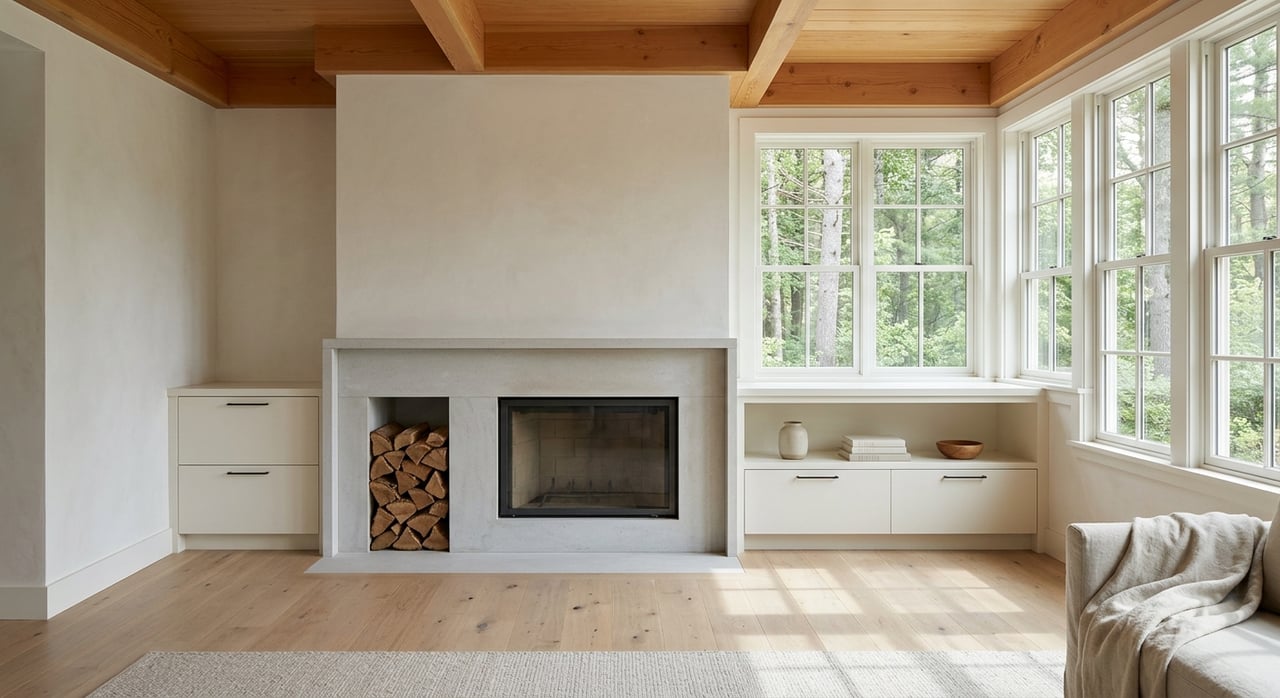
- If the budget allows, furnish one showcase model fully. If not, stage one premium lot beautifully and use high-quality photography, video, and virtual tours for other plans.
- Rotate furniture across projects where possible and rent high-cost pieces to keep capital light.
Placement and buyer flow
- Place the model where visibility is high. Build an intuitive path from sales gallery to kitchen and living, then the primary suite, then any optional finished lower level.
- Keep a sales office and a comfortable closing lounge next to or within the model to maintain momentum.
On-site tactics that lift conversion
- Use a scripted walk-through tied to a tablet-based configurator and pricing guide so buyers can build their home in real time.
- Run broker previews before public launches and host targeted open-house events tied to release timing.
KPIs to track
- Leads and appointments generated, walk-in conversion rate, option attachment percent, average contract price vs. base, days from first visit to contract, and content engagement metrics.
Win with co-op brokers
Make it easy and rewarding for buyer agents to bring clients to your community.
Commission clarity
- Offer a co-op commission that matches local market norms and consider tiered bonuses for faster timelines, such as a bonus for the first set of closed contracts.
- Keep all offers and rules transparent in a simple co-op policy that is easy to download and share.
Engage the broker community
- Host broker preview events with breakfast or lunch, lot maps, plan overviews, and option pricing cheat sheets.
- Maintain a broker portal with real-time availability, downloadable assets, and an appointment calendar for the model and any quick-show specs.
- Provide printable floorplans, spec sheets, talking points for each plan, and lender rate sheet templates.
MLS and paperwork done right
- Follow MLS rules for new construction on status updates, DOM handling, and how you represent spec or agent-owned listings.
- Use standardized broker registrations and buyer-broker agreements for off-market reservations and ensure timely commission remittance.
Digital assets that sell before drywall
Quality visuals and clear information will accelerate your absorption and lower your cost per contract.
Core assets to build pre-launch
- High-quality photography of exteriors and interiors.
- 3D walkthroughs for the model or each plan.
- Short-form video for social ads that highlight the neighborhood and lifestyle.
- Floorplans with dimensions and options in printable PDFs.
- A color-coded lot map showing availability and premiums.
- An interactive configurator so buyers can toggle options and see price changes.
- A broker portal with your agent packet, commission policy, and booking calendar.
- Landing pages for each plan and a community page with email capture and CRM integration.
- Paid ad creative tailored to buyer segments.
Channel mix that reaches real buyers
- Owned: your community landing page, email nurture, SMS updates, and the broker portal.
- Paid: Google Search for intent, Facebook and Instagram for geo-targeting and retargeting, YouTube shorts for model tours, and display remarketing.
- Organic: accurate MLS listings that syndicate cleanly and local community groups and newsletters for neighborhood buzz.
Lead capture and follow-up workflow
- Capture the essentials on your landing page: name, email, phone, purchase timeline, and plan interest.
- Send an automated SMS and email confirmation immediately, then have an assigned salesperson respond within a set service window, typically 30–60 minutes.
- Enroll non-urgent buyers in drip emails that share virtual tours, incentive deadlines, and finance options.
Tailor the message by segment
- Family buyers: highlight yard size, bedroom count, and neutral details about local school access.
- Commuters: emphasize garage storage and general commute expectations.
- Empty-nesters: promote lower-maintenance options, single-level living, and community amenities.
Measure and optimize
- Track lead source, cost per lead, appointment rate, contract rate, and cost per contract.
- A/B test ad creative, landing page imagery, and form length. Retarget visitors who viewed plans or the lot map but did not convert.
On-site sales and reporting, done for you
You can hand the day-to-day over to a local team that runs presales with accountability and speed.
Roles that cover the full funnel
- Sales Director: overall strategy, broker relationships, pricing decisions, and weekly KPI reviews with leadership.
- On-site Sales Agent: daily appointments, walk-ins, contracts, and coordination with construction and closing.
- Sales Administrator: paperwork, option orders, incentive tracking, and deposit accounting.
- Marketing liaison: event coordination, content requests, and local campaign execution.
- Preferred lender and title contacts: onsite or on call to pre-approve buyers and streamline closings.
Daily processes that keep momentum
- Morning standup to review appointments, lot holds, and contingencies.
- Scripted appointment protocol that uses your configurator and a clear reservation and deposit policy.
- Same-day broker registration confirmations and quick response to inquiries.
- Data hygiene so availability and lot status are updated in the CRM and broker portal the same day.
Reporting that drives decisions
- Daily dashboard: appointments, walk-ins, new leads, deposits, and contracts, plus reservations vs. contracts vs. closed.
- Weekly executive report: closed and pending, cancellations, sales velocity, option attachment, average contract price vs. base, incentive usage, broker originations, marketing KPIs, and construction delivery alignment.
- Monthly pipeline review: conversion funnel, absorption by product and price band, months of inventory at current absorption, and best/base/downside scenarios.
Tools and governance
- Use a builder-focused CRM with lot-level tracking, integrate MLS for public listings, and standardize reservation agreements and price-change notifications.
- Maintain an audit trail for commission agreements and broker registrations, and keep MLS status changes compliant with local rules.
First 90 days action plan
Pre-launch: day 0–60
- Gather comps and set base price bands. Create a lot map with posted premiums.
- Produce model content: photography, video, and 3D tours.
- Build plan pages, a community landing page, a broker portal, and CRM integrations.
- Finalize co-op commission and early-bird incentives. Prepare broker packets.
- Train on-site staff and define response times for new inquiries.
Launch: day 1–30
Host a VIP broker preview to secure early reservations.
Go public in MLS and portals. Turn on paid ads. Open the model.
Start daily reporting and schedule weekly executive reviews.
Post-launch: day 30–90
- Watch your KPIs. Adjust release size, pricing, and incentives to match absorption and option attachment.
- A/B test landing pages and broker offers. Prepare the next release based on real demand signals.
Why partner with Lynne Morey
You want a sales leader who blends local credibility with disciplined, data-backed execution. With more than two decades in Plymouth and $500M+ in career sales, Lynne pairs boutique, high-touch service with national-caliber Coldwell Banker Global Luxury marketing. Her team specializes in developer representation, presales, waterfront and land expertise, and on-site sales and reporting. If you are bringing a new community to West Plymouth, get a partner who can set pricing, run the model home, engage the broker community, and report to the penny on KPIs.
Ready to map your presale plan and timeline? Request a free consultation with Lynne Morey.
FAQs
What size should my first release be in West Plymouth?
- Combine a small VIP presale with your first public release that totals about 10–25 percent of your lots across a healthy mix of standard and premium placements. Adjust to local absorption once you see real demand.
How do I set lot premiums for different West Plymouth lots?
- Build a posted premium schedule using recent local sales and buyer feedback, focusing on features that command premiums here such as privacy, cul-de-sac positions, or special views, then publish it on your lot map for transparency.
Do I need a model home for a smaller community?
- If the budget allows, a single well-executed model tends to deliver strong ROI through faster presales, higher option attachment, and better marketing content. If constrained, stage one home well and rely on top-tier visuals and virtual tours for other plans.
What should I offer cooperating brokers in this market?
- Match local co-op norms and consider limited-time bonuses for early contracts or quick closings, documented in a clear co-op policy that makes it easy for buyer agents to engage and register clients.
How do I avoid creating negative comps with incentives?
- Tie incentives to defined phases and short windows, and pair them with a published release cadence and price bands so the broker community understands that pricing will step up as absorption strengthens.