Dreaming of a new home where mornings feel calm, commutes are manageable, and weekends land you in a state forest or by the harbor? If you’re eyeing West Plymouth’s newer neighborhoods, you’re likely weighing space, convenience, and the South Shore lifestyle. This guide walks you through daily rhythms, from commuting and errands to outdoor recreation and new-home details, so you can decide with confidence. Let’s dive in.
Where West Plymouth fits
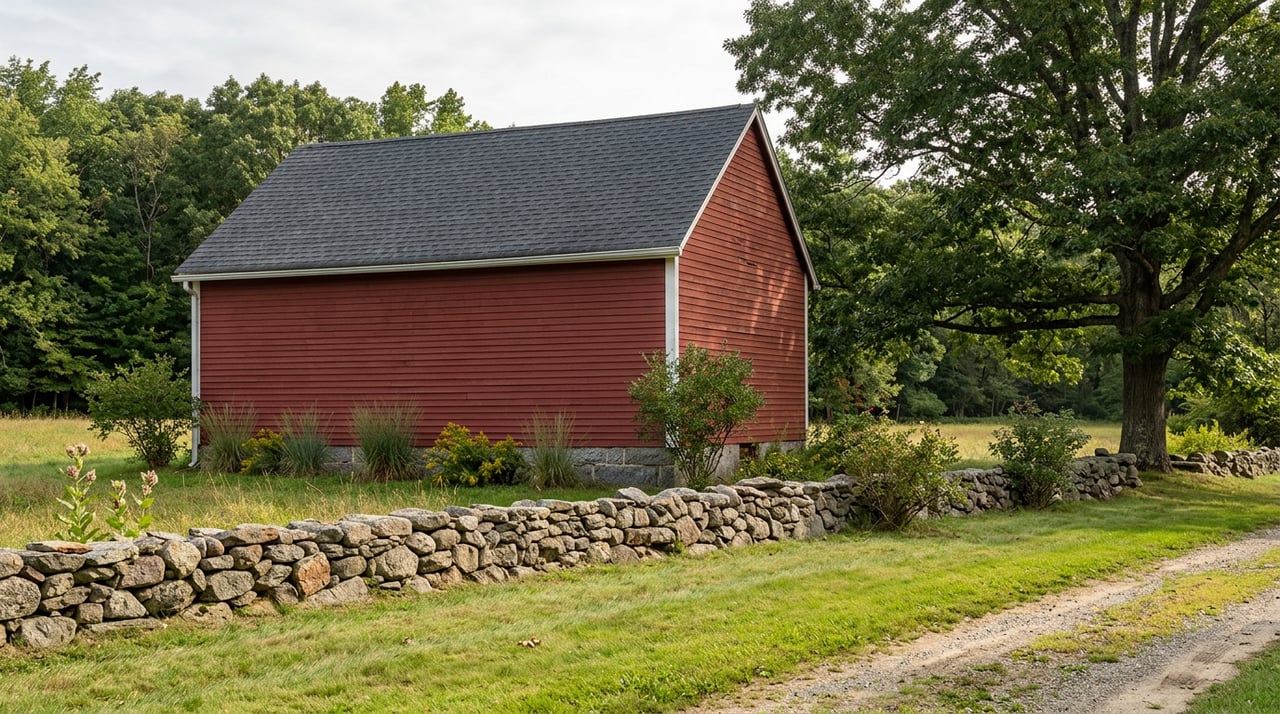
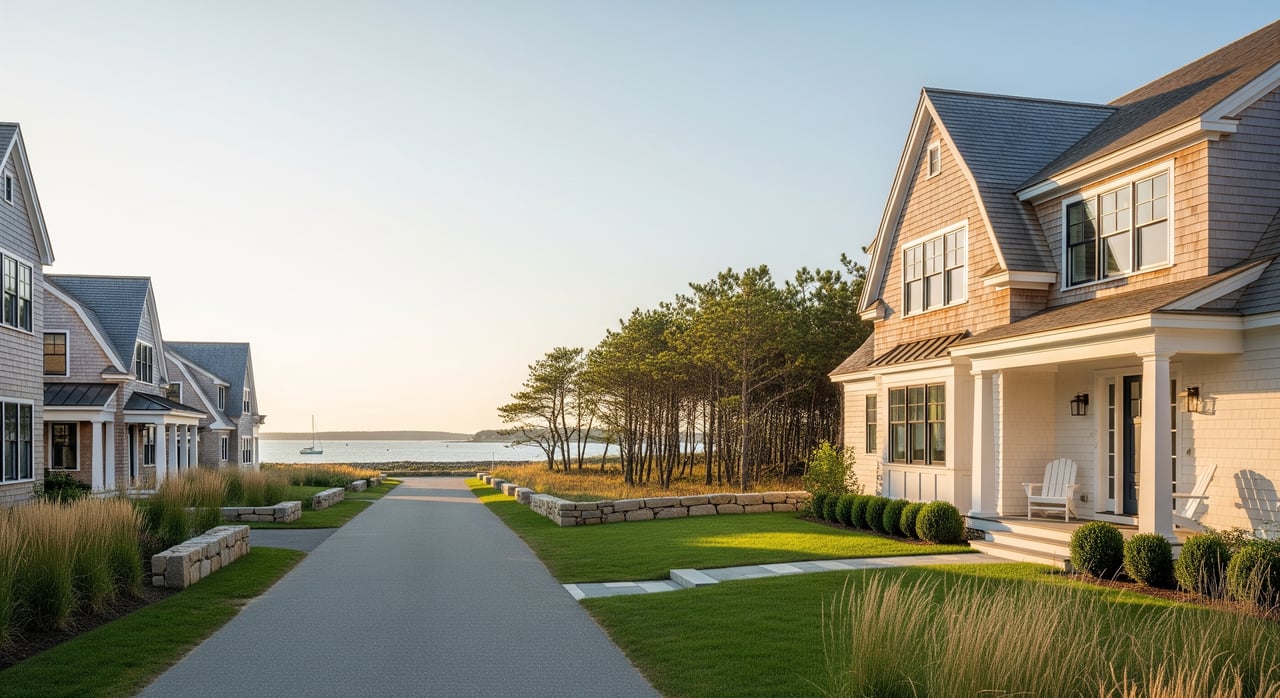
West Plymouth sits within Plymouth on Massachusetts’ South Shore. The pace is suburban to semi-rural, with newer subdivisions, larger lots, and a quieter feel than towns closer to Boston. You get room to breathe and quick access to coastal and forest recreation. Many residents choose it for space, privacy, and a relaxed daily flow.
Daily life and logistics
Commuting options
You’ll rely on Route 3 for most trips to Greater Boston, with Routes 3A and 44 providing key local connections. Driving to central Boston can range from about 40 to 75 minutes depending on traffic and your exact start point. Many commuters use park-and-ride lots and mix in commuter rail via the Kingston/Plymouth and Middleborough/Lakeville lines. Private and regional buses also run express routes, while most daily errands are easiest by car inside West Plymouth.
Schools and child services
West Plymouth is served by Plymouth Public Schools, with elementary, middle, and high schools across town. Assignments depend on your specific address and can change, so confirm your property’s current zoning before you buy. The area also has private and parochial options in the region. If schools matter to you, plan a visit and review the latest district information.
Healthcare and essentials
You’ll find regional hospitals and urgent care within a practical drive of most neighborhoods. Primary care, dental, and specialty clinics are available in and around town. For daily needs, grocery stores, pharmacies, and banks are a short drive from most subdivisions, with larger retail along major roads and near highway interchanges.
Shopping, dining, and culture
Everyday errands and retail
Expect a short drive for most errands. You’ll have supermarkets and services nearby, with larger-format shopping along Route 3 corridors and in neighboring towns. It’s a typical suburban pattern that trades walk-to-everything access for more space and quiet streets.
Dining and downtown energy
West Plymouth neighborhoods are mostly residential. When you want more variety, downtown Plymouth and the harbor area offer seafood spots, cafes, taverns, and seasonal events. Many residents plan dinner or weekend outings around the waterfront and return home to the calm of their subdivision.
Outdoor recreation
Myles Standish State Forest is a standout, with hiking, mountain biking, pond swimming, fishing, and equestrian trails. Coastal recreation is close by too, including beaches and boating access across the South Shore. You’ll also find local conservation lands and small neighborhood green spaces for everyday walks.
New neighborhoods and home styles
What luxury looks like here
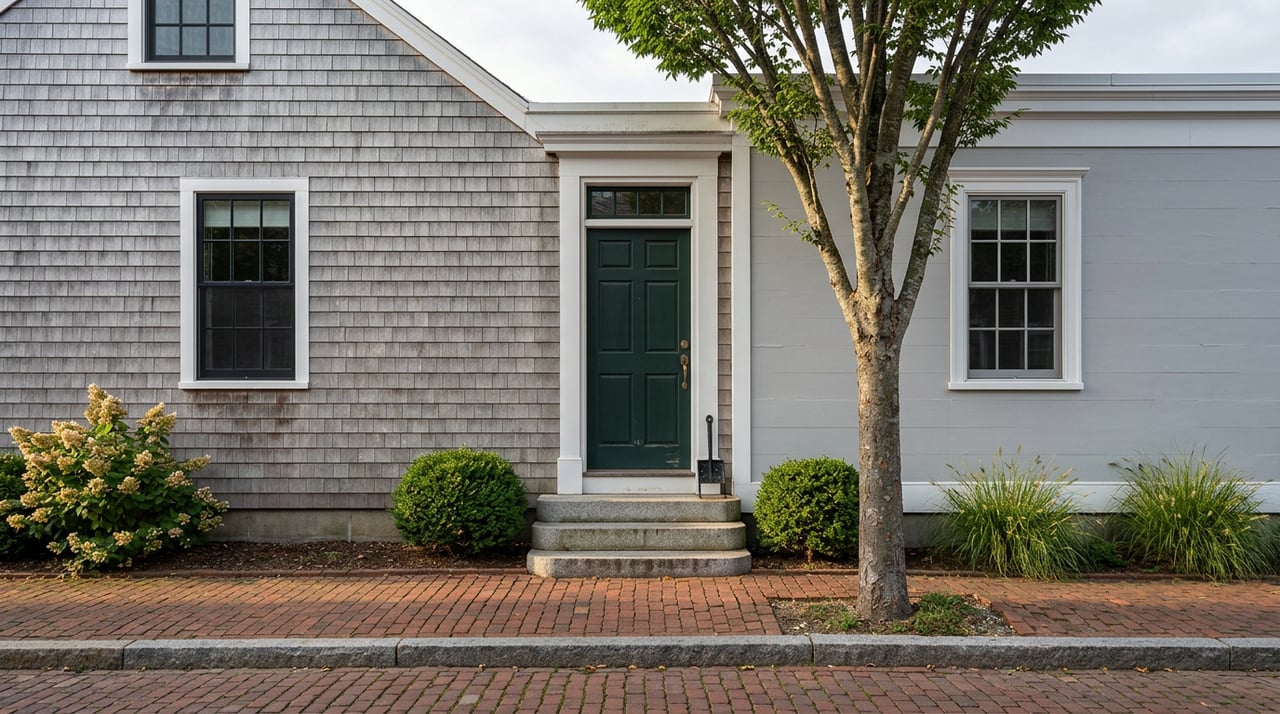
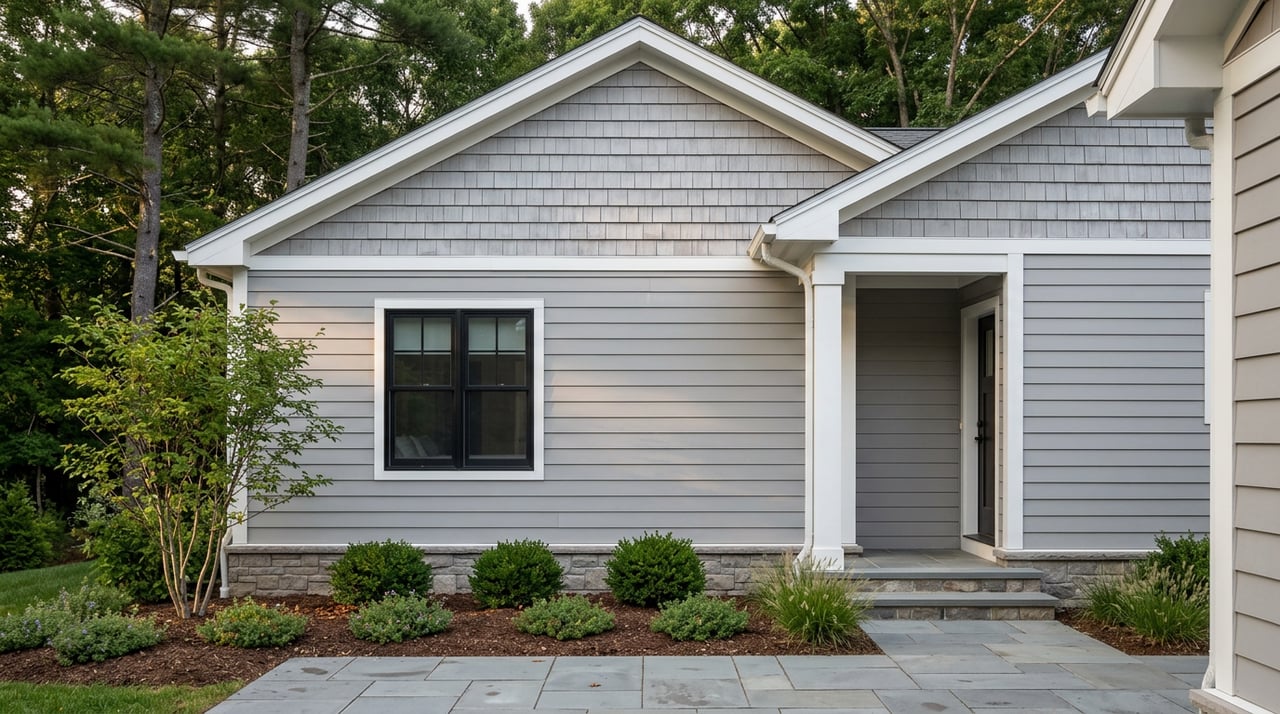
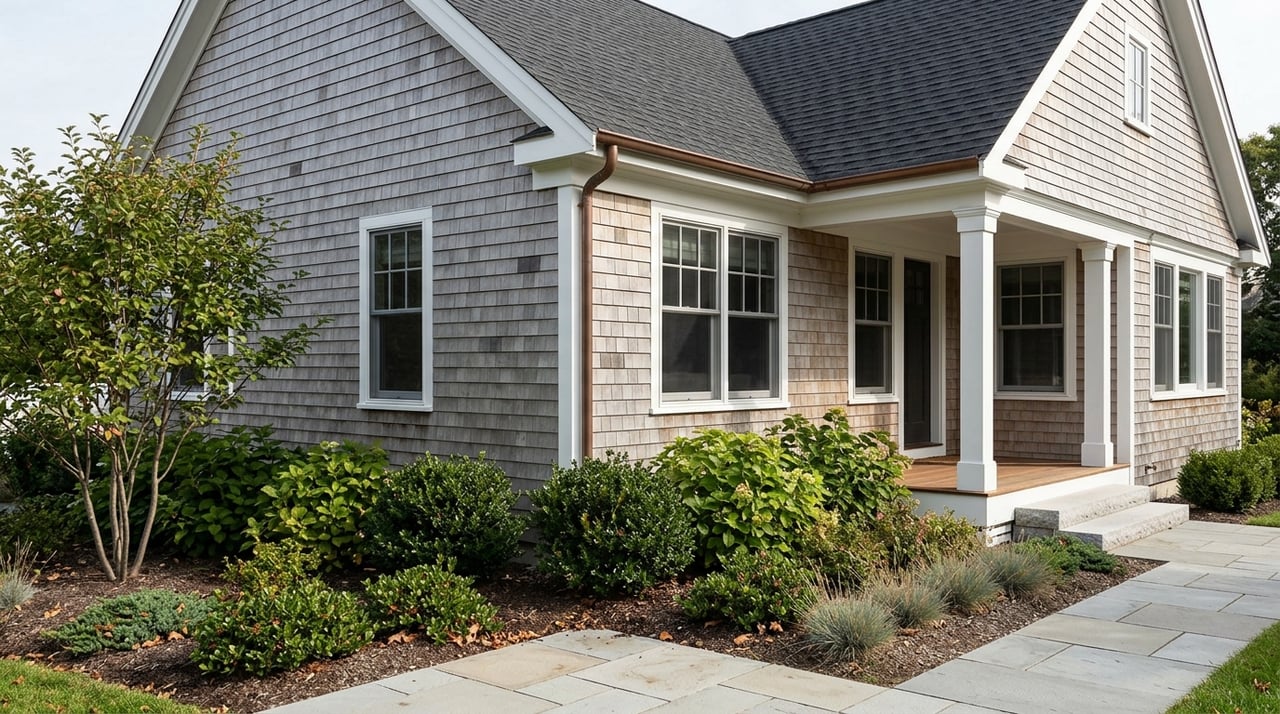
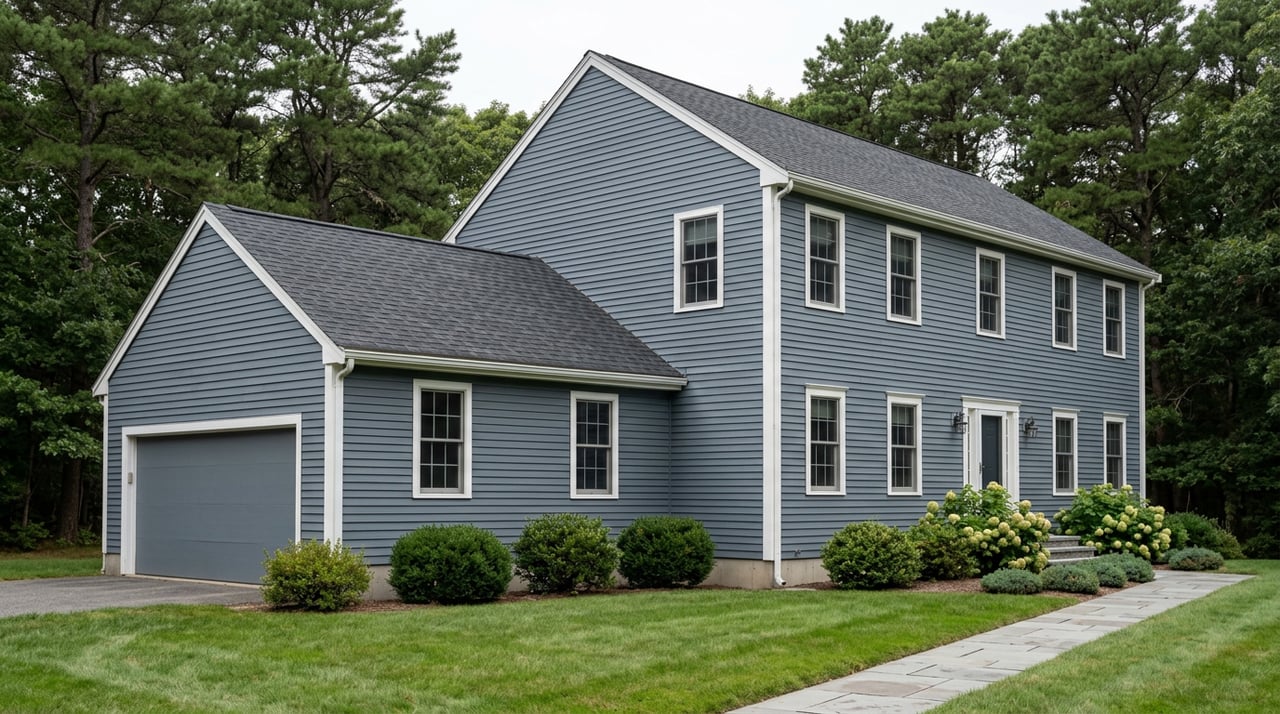
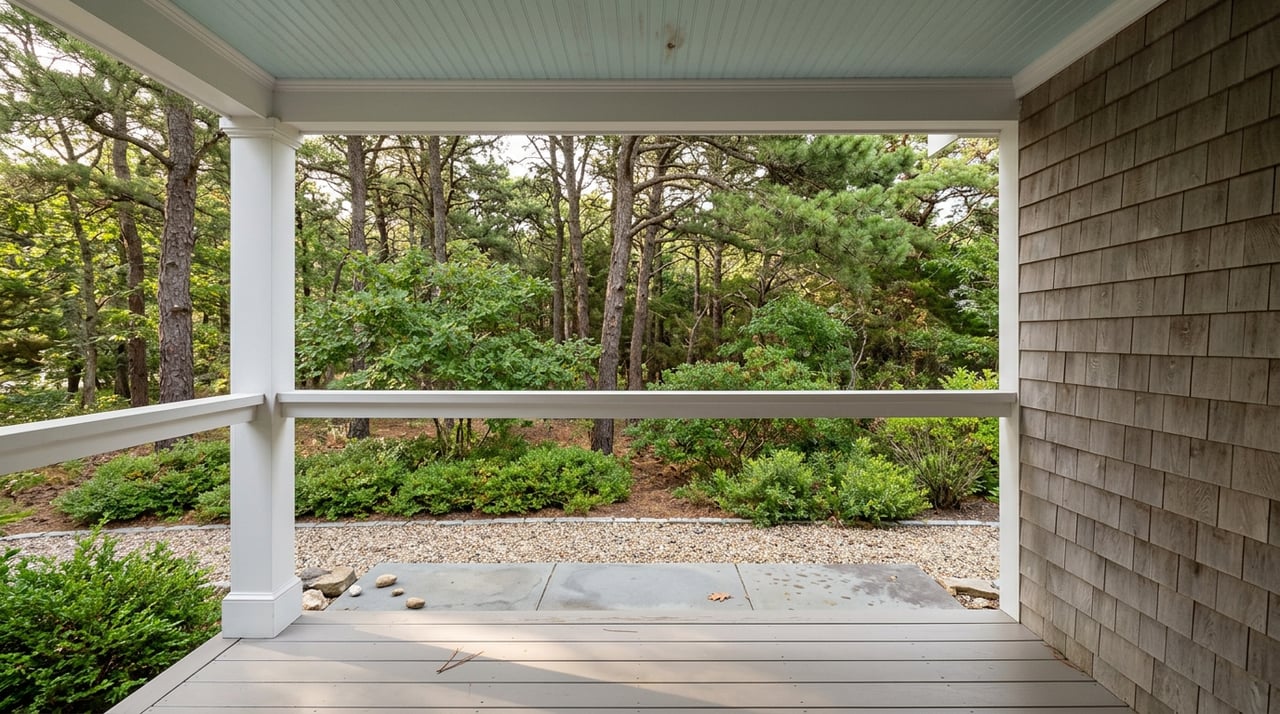
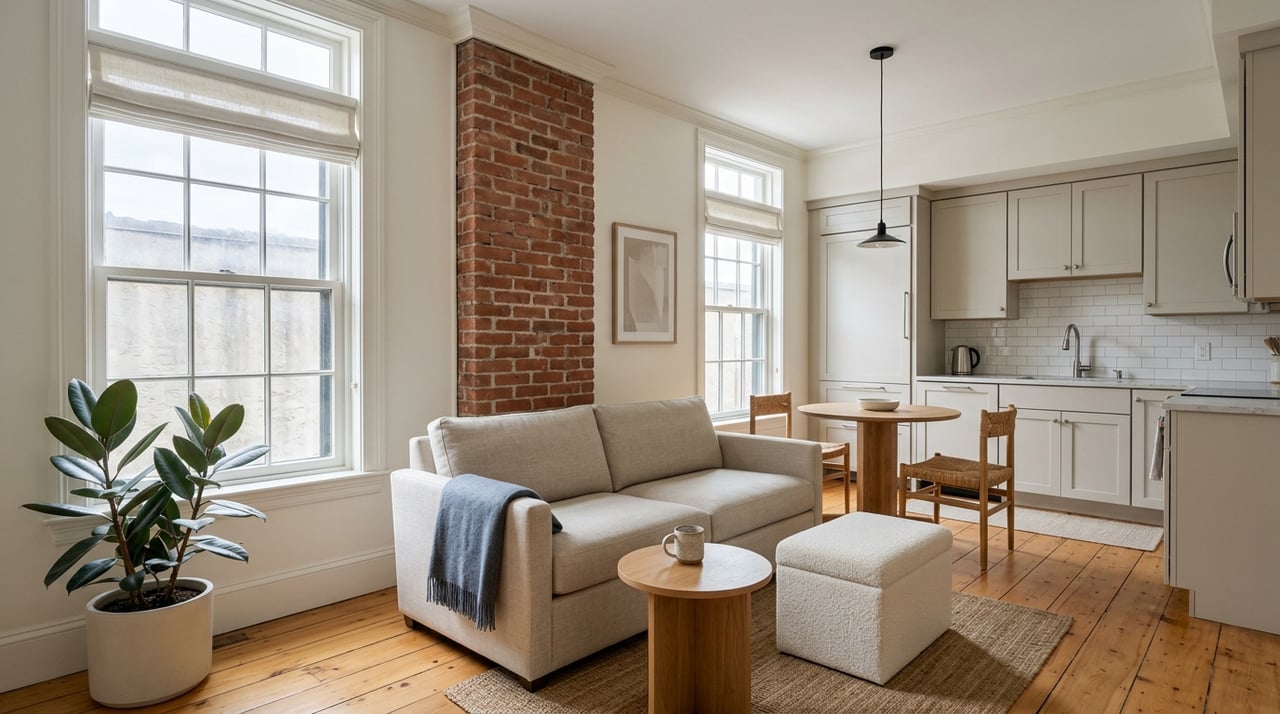
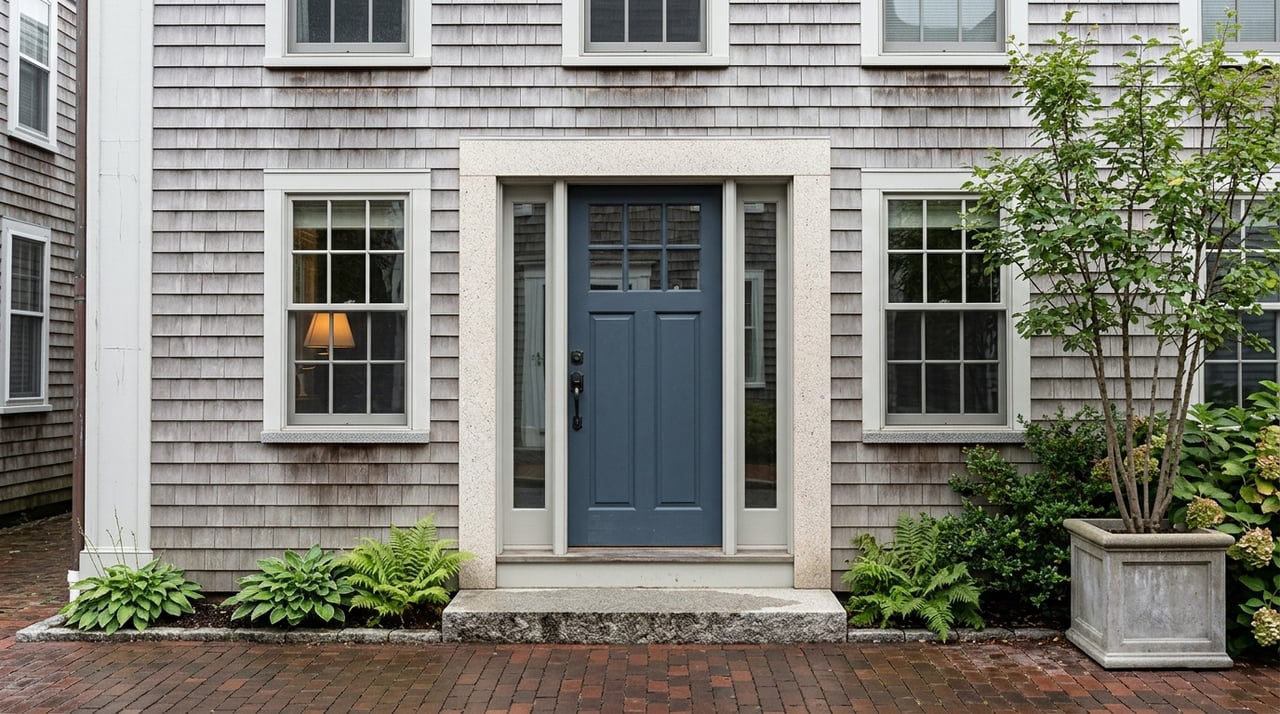
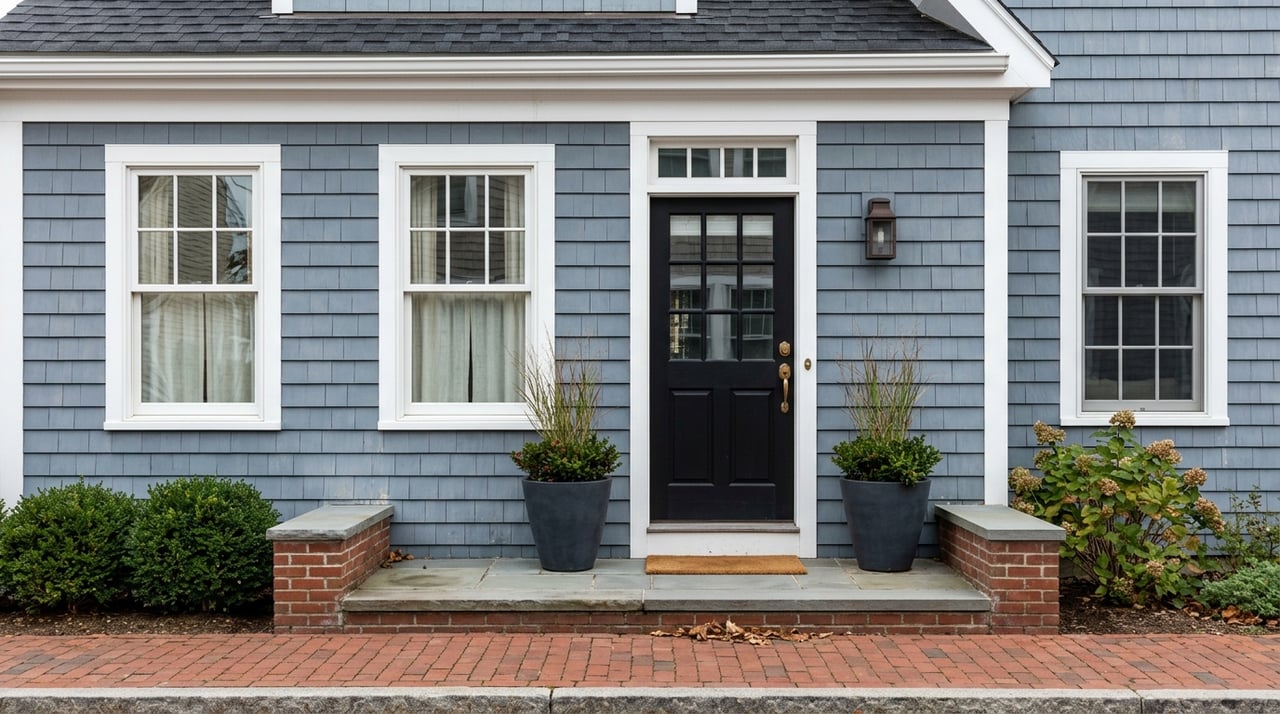
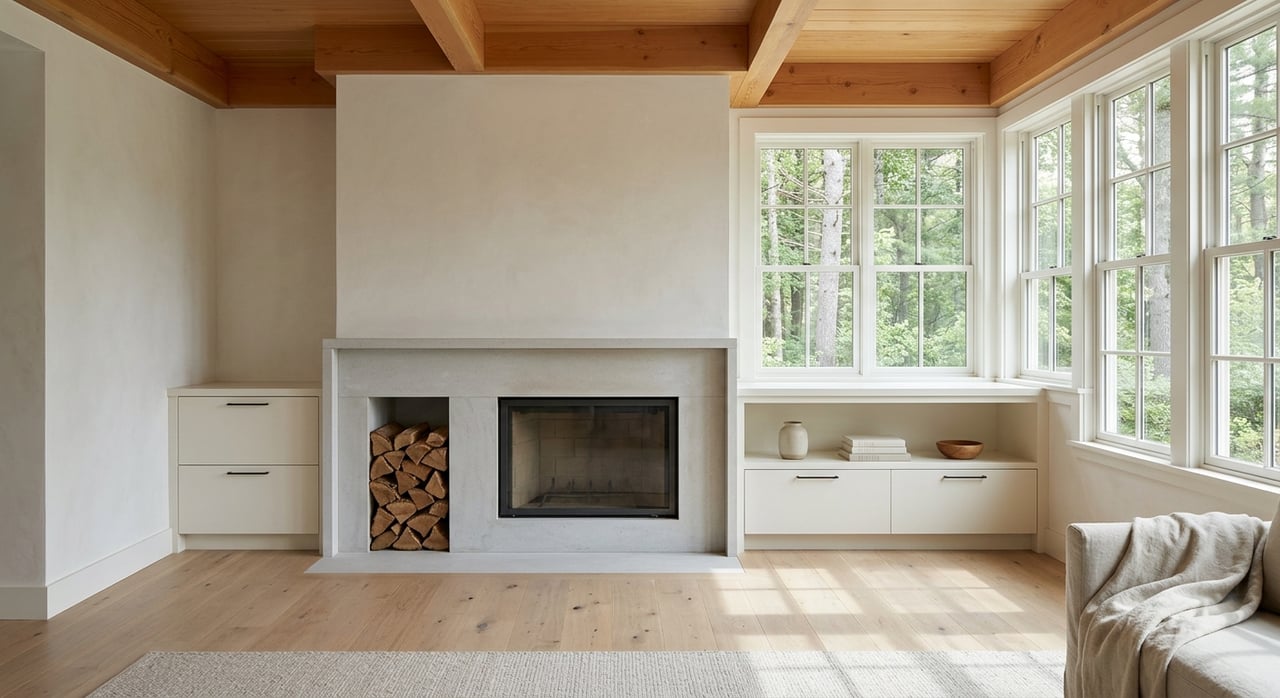
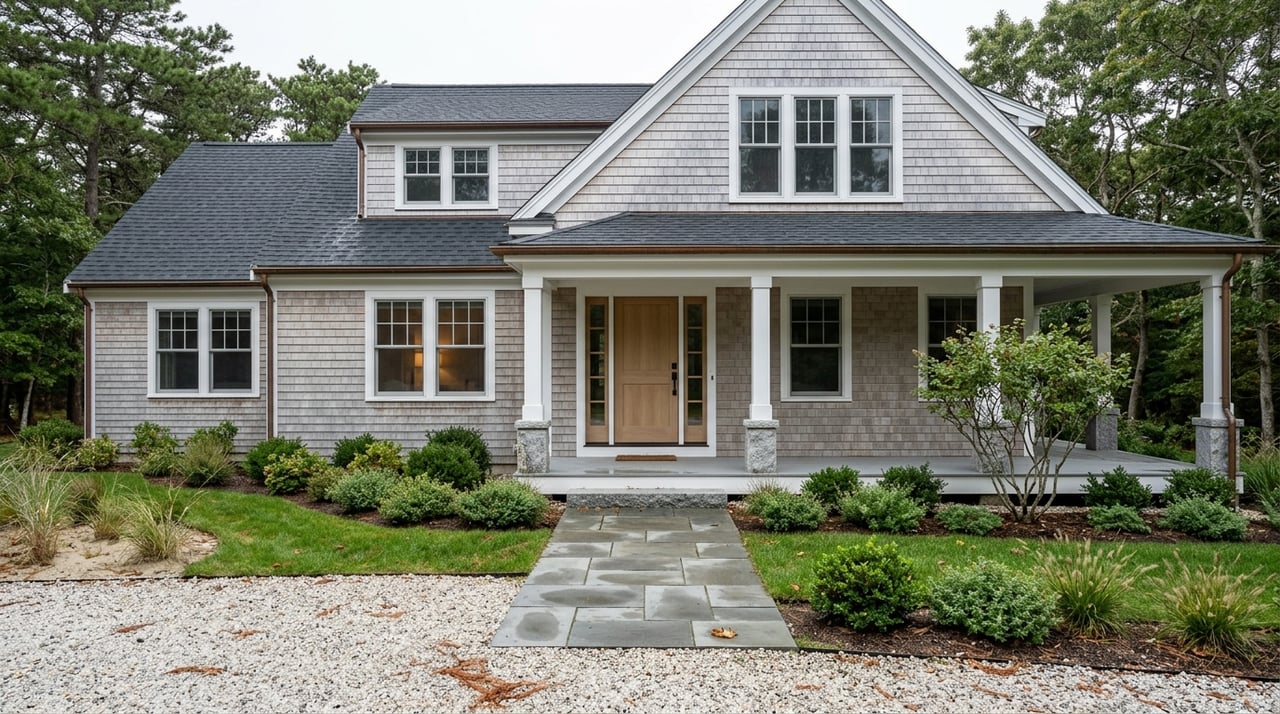
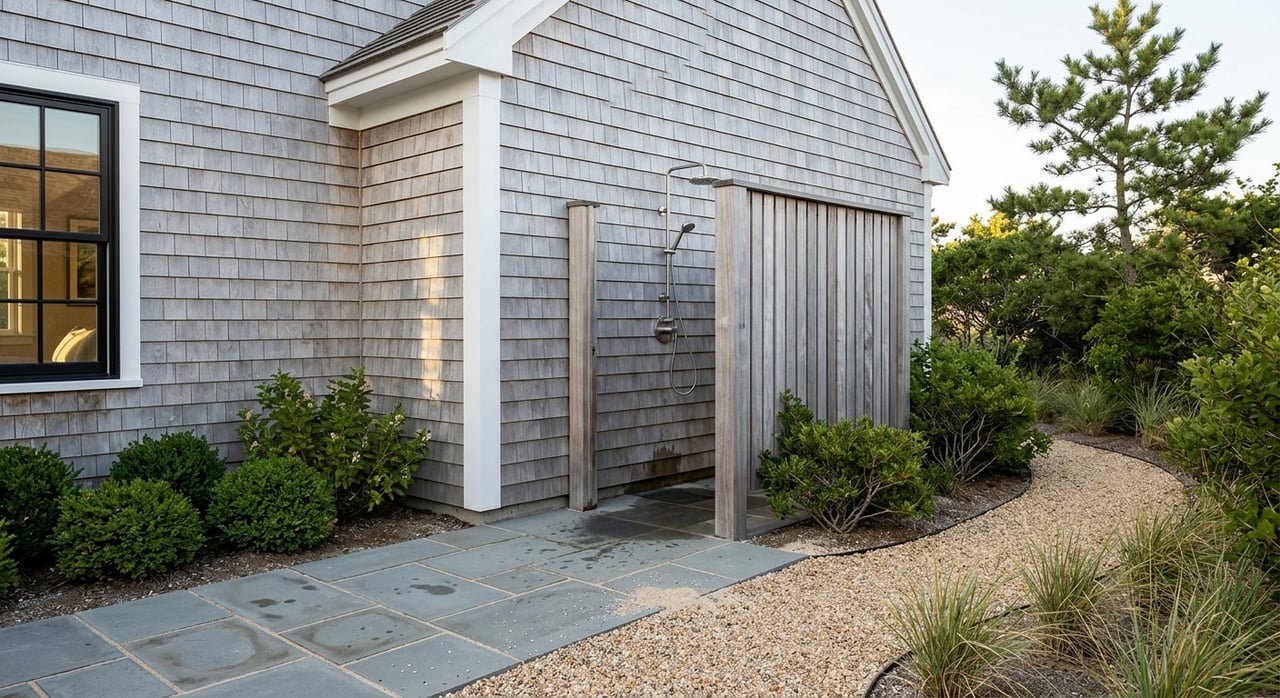
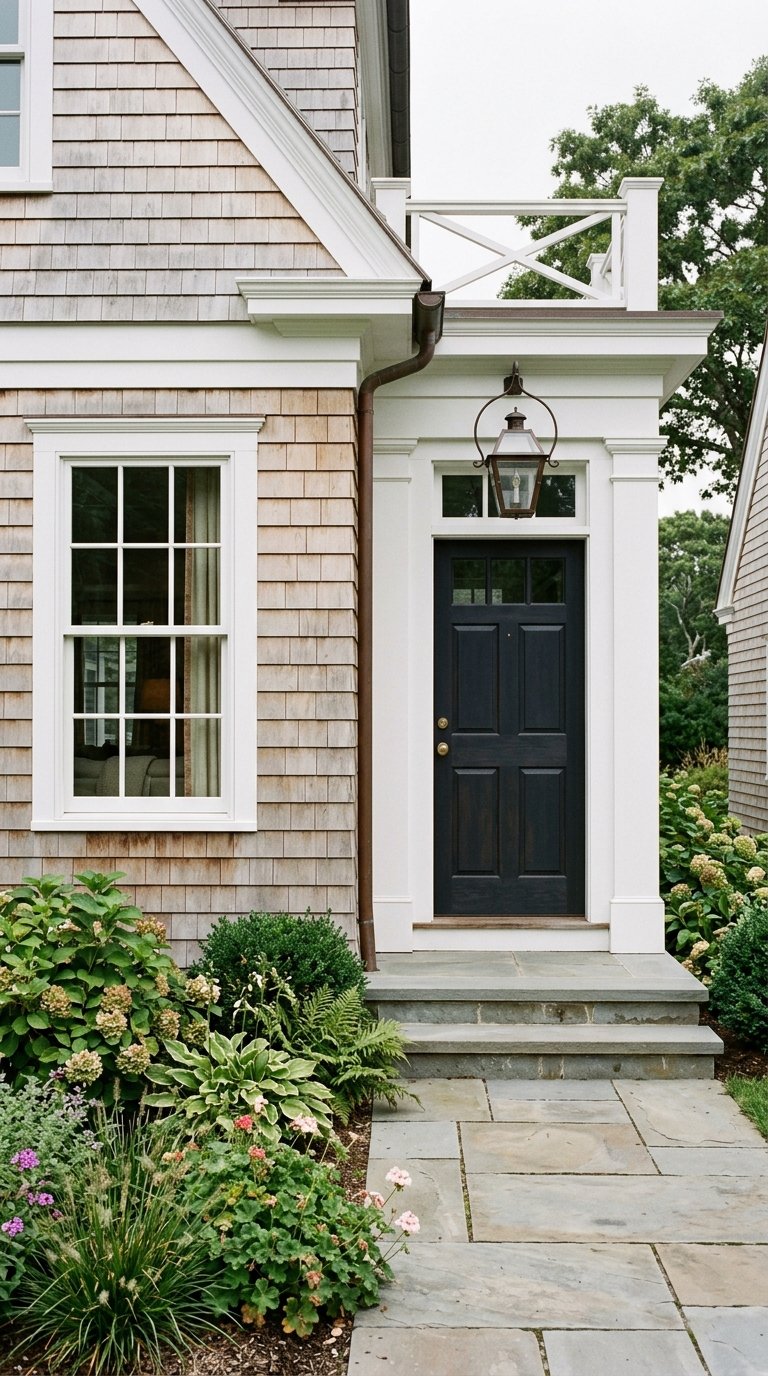
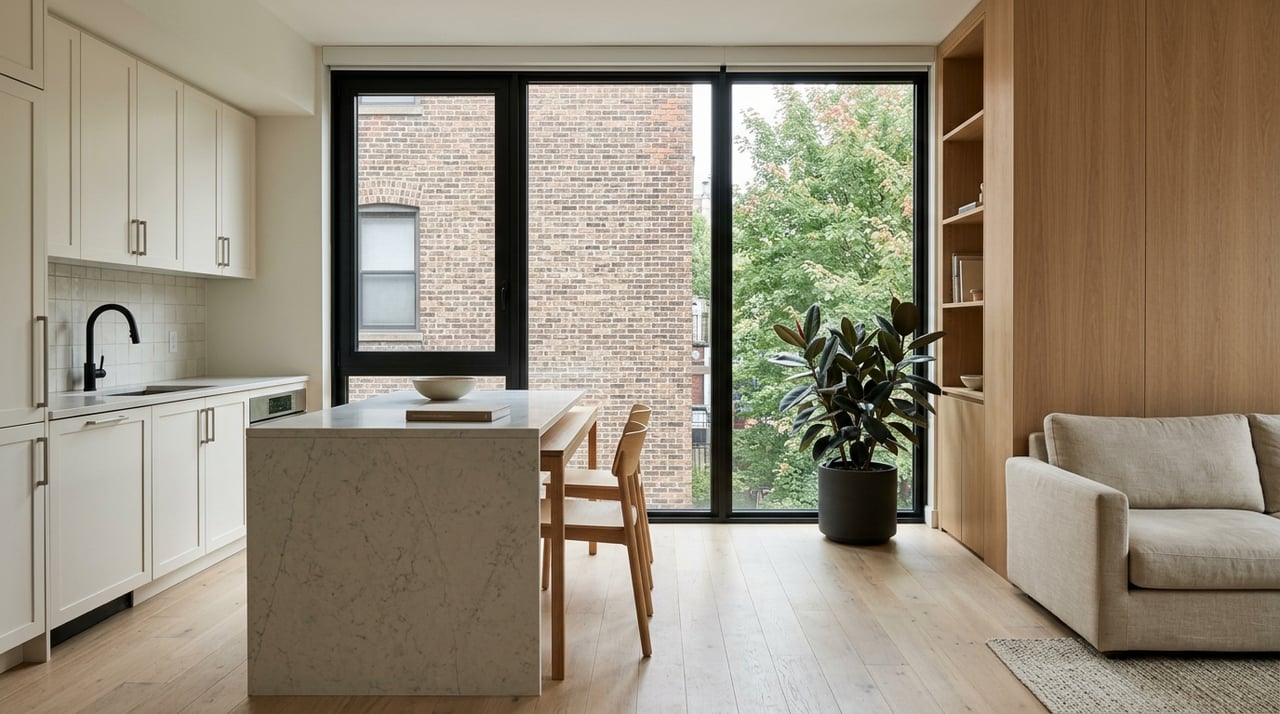
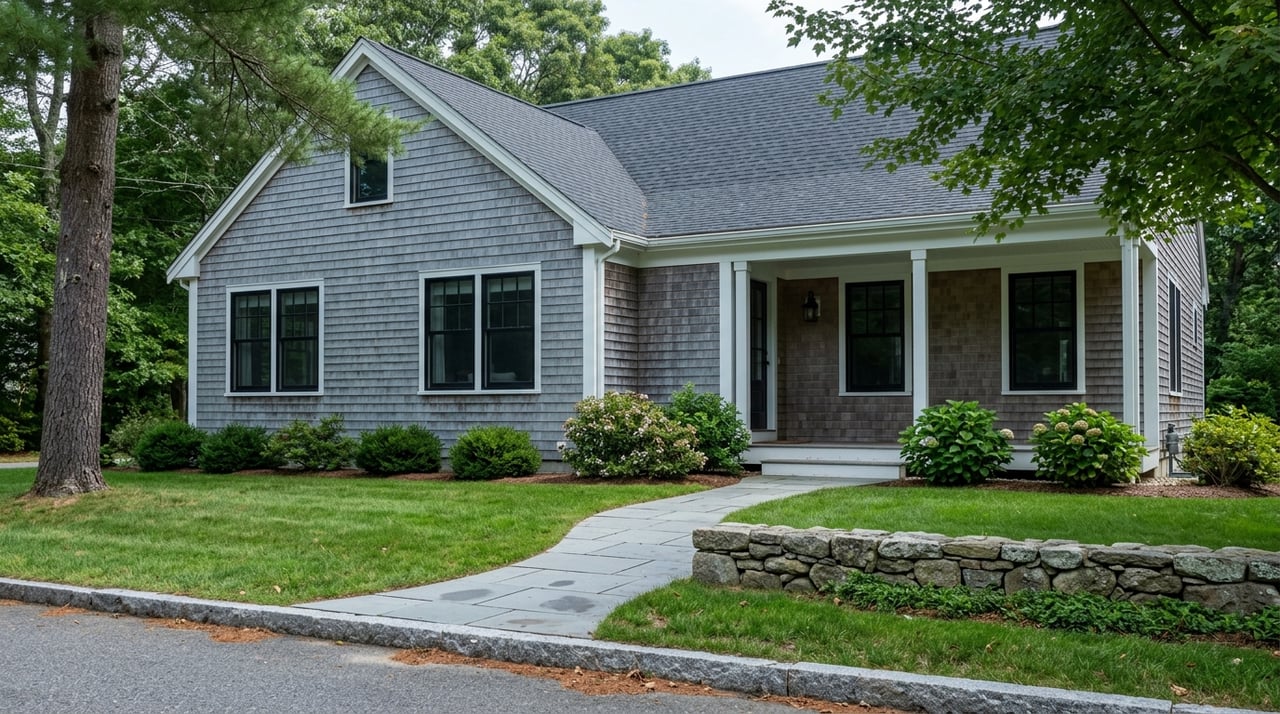
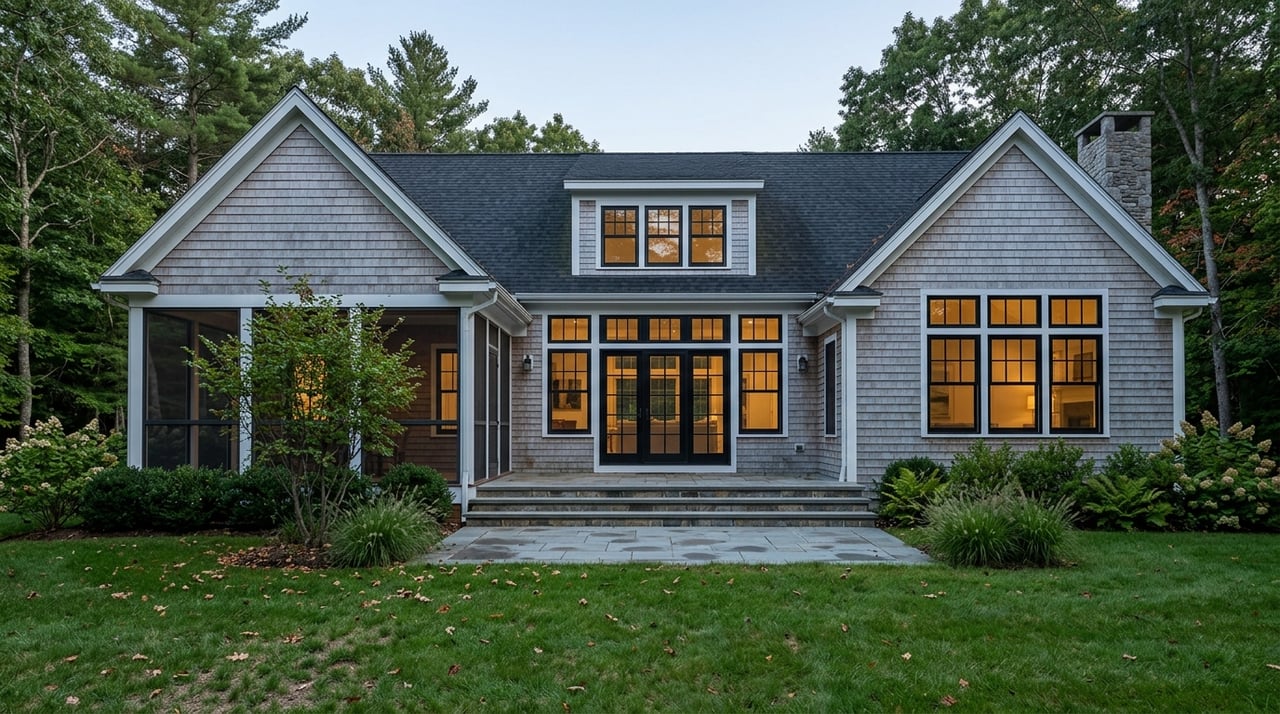
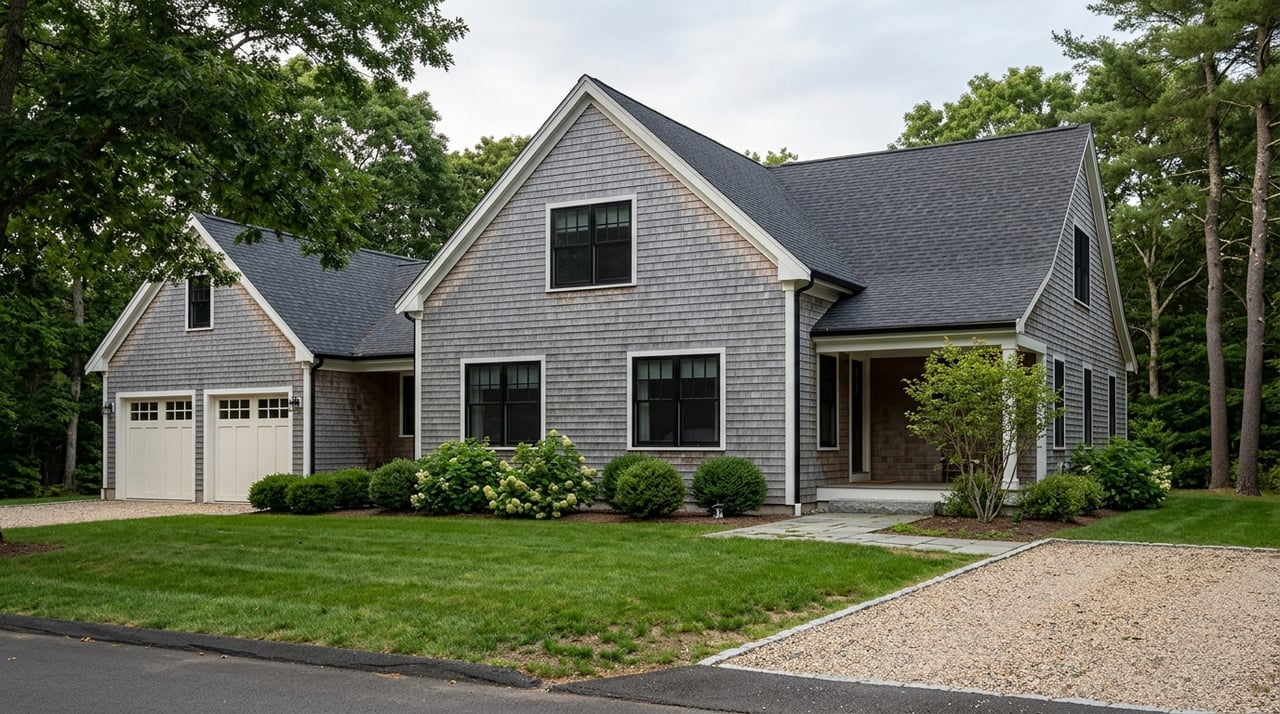
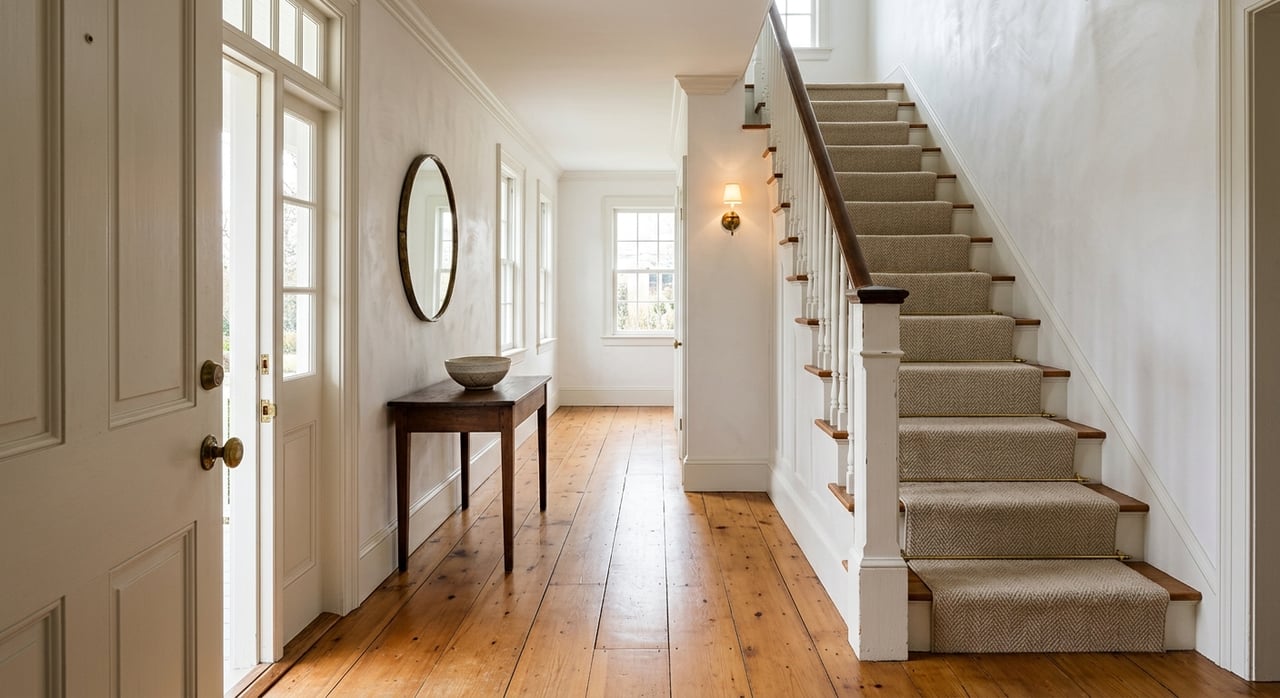
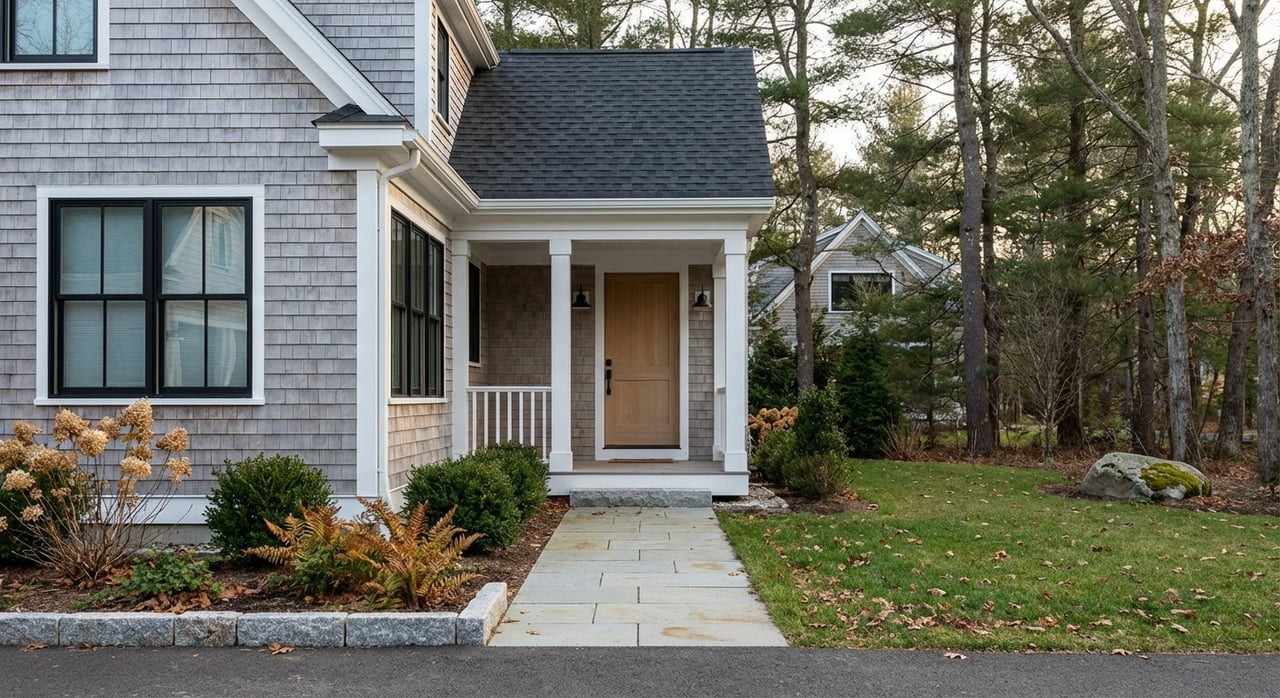
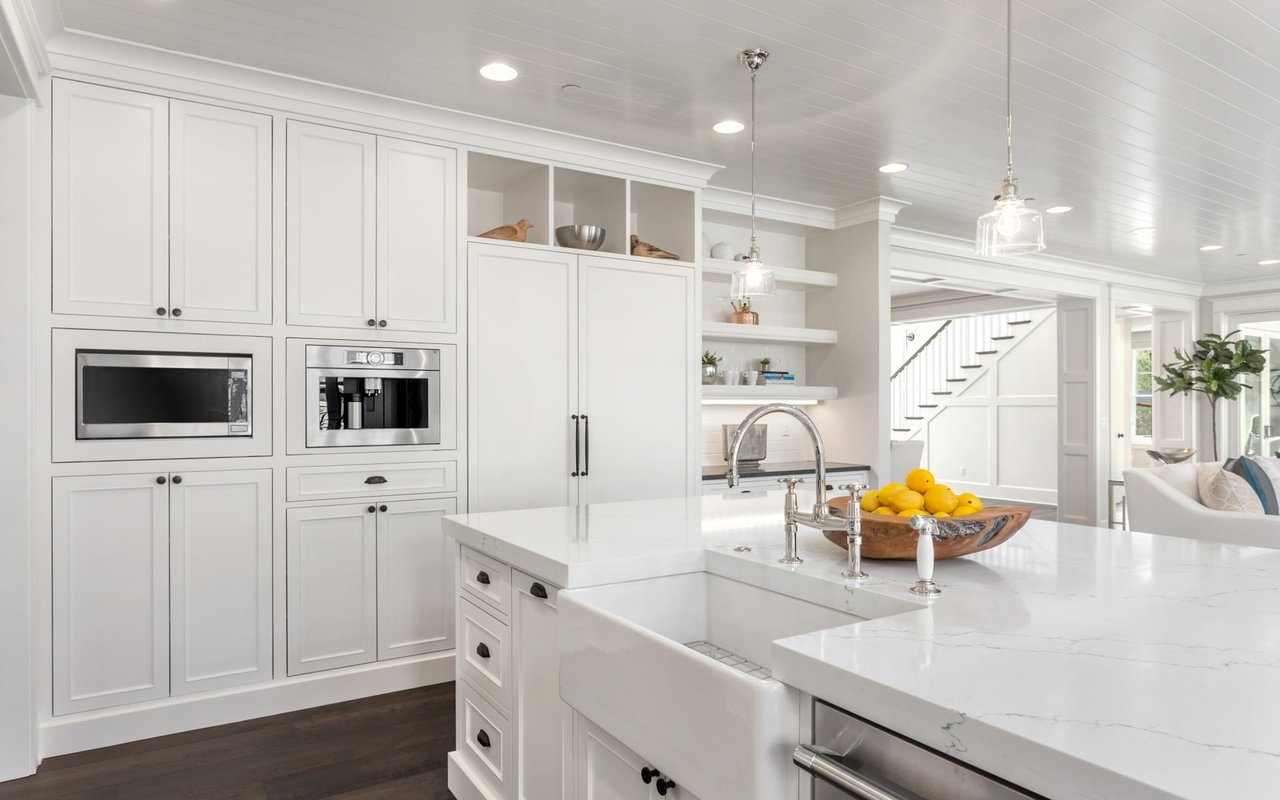
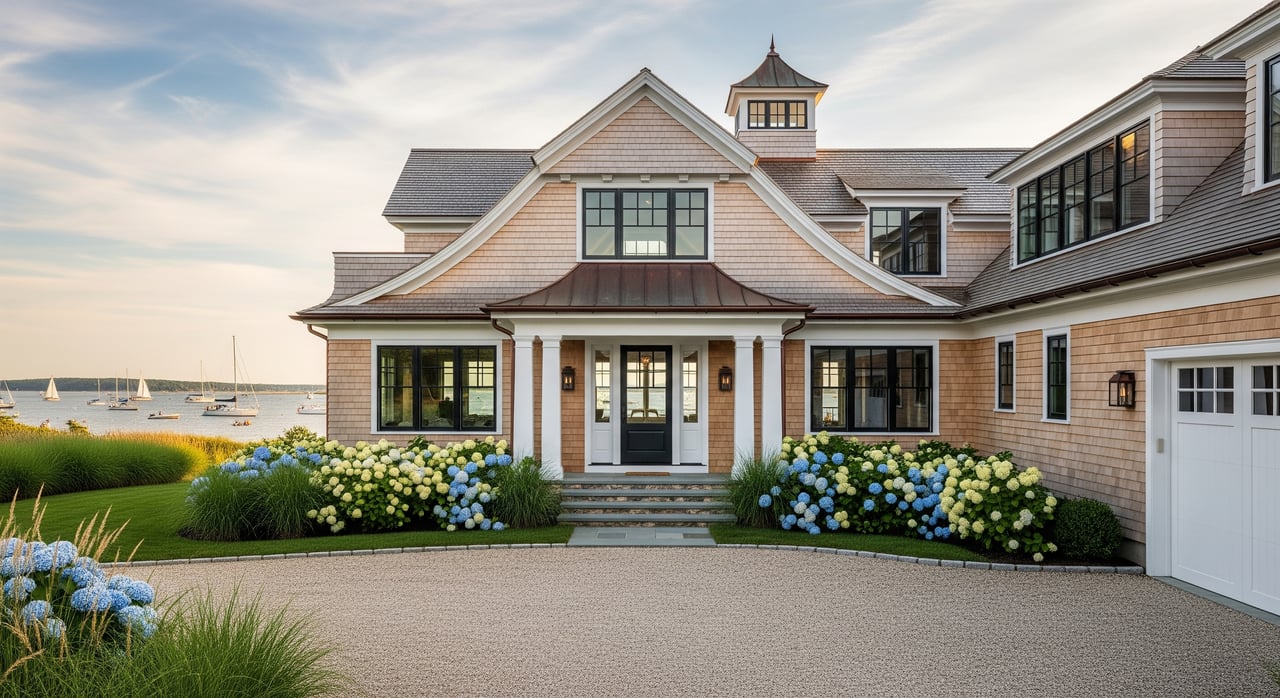
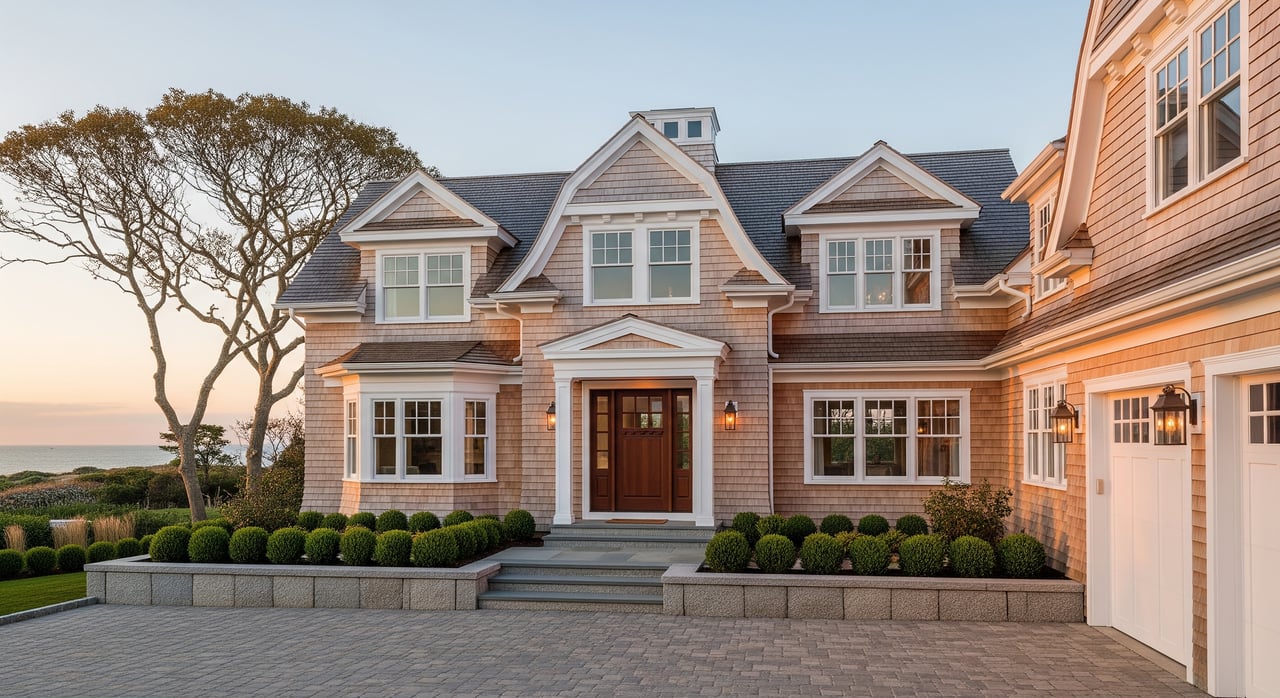
Newer West Plymouth communities often highlight larger square footage, open-plan kitchens, and flexible spaces for work or hobbies. You’ll see attached garages, strong curb appeal, and low-maintenance exterior materials. Many homes include newer systems and energy-efficient features that simplify ownership. Modern plans plus larger lots are common themes.
Builder timelines and HOAs
Planned communities may release homes in stages and feature model homes for tours. Expect builder timelines for lot selection, construction, and closing, plus an options process for finishes and upgrades. Some neighborhoods have HOA covenants that cover design standards, maintenance, and community rules. Ask about approvals, any conservation buffers, and potential future development that could affect privacy or views.
Affordability signals to watch
South Shore demand has been strong in recent years, with occasional softening and longer days on market in certain segments. For clarity, check current local market snapshots before you make an offer. Also review property taxes, homeowners insurance, and any flood-related considerations based on your exact lot. If broadband speed matters, confirm providers at the street level.
A week in West Plymouth
Picture a weekday start with a quiet neighborhood loop, coffee in hand, and your choice of highway or commuter rail. Evenings often mean quick errand runs and an easy drive home. On weekends, you might bike the trails at Myles Standish or spend a few hours at the harbor before dinner downtown. Summer brings more activity along the coast, while winter weekdays are notably peaceful.
Smart buyer checklist
- Test your commute during your target hours and try park-and-ride options.
- Confirm school assignments for your specific address and review the latest district information.
- Review HOA documents, covenants, and snow-removal policies for the subdivision.
- Ask the builder about timelines, warranty coverage, and upgrade options.
- Check FEMA flood maps and discuss site-specific risk with a qualified professional.
- Contact the town assessor for the current residential tax rate and available exemptions.
- Verify utility providers, including broadband availability and speeds.
Is West Plymouth a fit?
Choose West Plymouth if you want space, newer construction, and straightforward access to both forest and shoreline recreation. It suits commuters who are comfortable with a highway or rail routine, buyers who value modern floor plans, and anyone who prefers a quieter neighborhood setting. If that balance sounds right, it’s worth touring both model homes and nearby amenities to see how your daily life could look here.
You deserve guidance from someone who knows the terrain, from land and permitting conversations to builder timelines and luxury marketing. For tailored advice on West Plymouth’s new neighborhoods and the broader South Shore, connect with Lynne Morey to request a free consultation.
FAQs
What commute options serve West Plymouth to Boston?
- Most residents use Route 3 by car, with typical drive ranges of about 40 to 75 minutes depending on traffic; commuter rail and express buses provide additional options.
How close are beaches and trails to West Plymouth homes?
- Beaches along the South Shore and the extensive trails at Myles Standish State Forest are within a practical drive, making weekend outings easy.
What should I ask a builder before buying new construction?
- Ask about build timeline, warranty terms, included features, upgrade pricing, HOA rules, and any nearby approved or proposed development.
How do I confirm school assignments for a specific address?
- Contact Plymouth Public Schools for the latest zoning, then plan a visit and review recent district information to understand programs and procedures.
Are walkable amenities common in West Plymouth’s new neighborhoods?
- Most new subdivisions are car-oriented with low to medium walkability; plan on short drives for dining, shopping, and services.
What costs beyond the purchase price should I plan for?
- Budget for property taxes, homeowners insurance, potential flood insurance depending on the lot, utilities, and any HOA fees or special assessments.