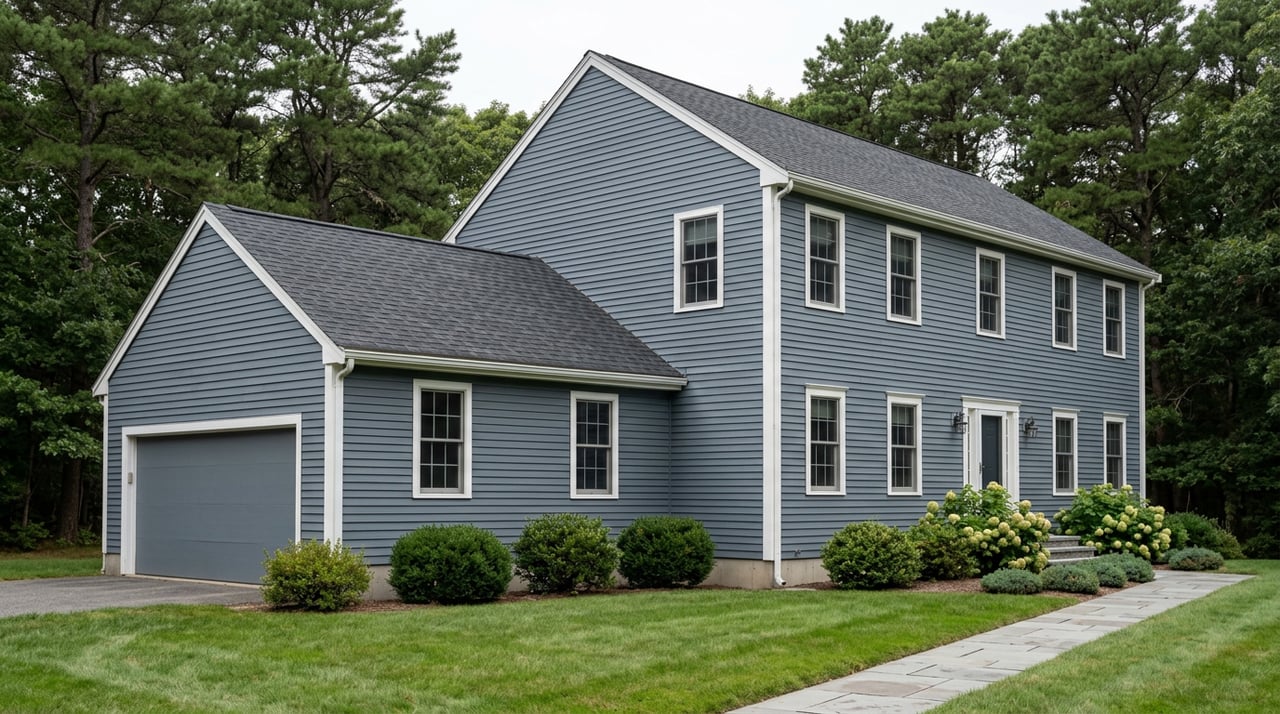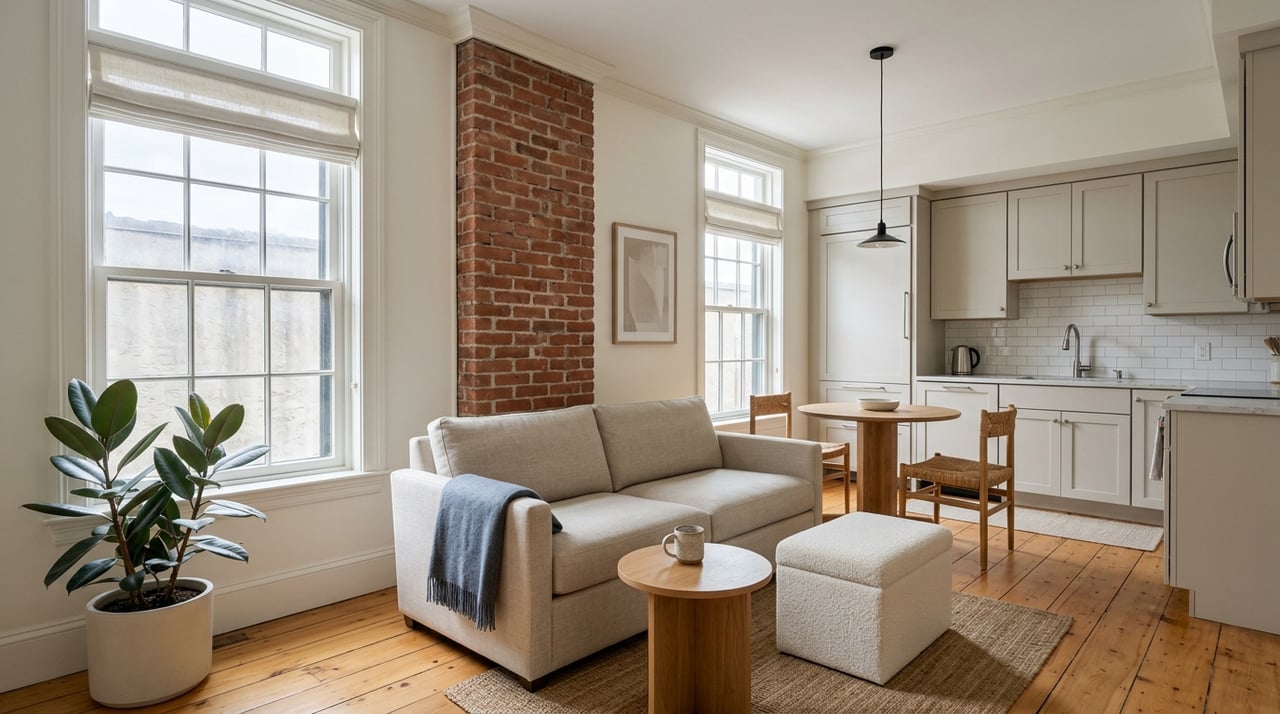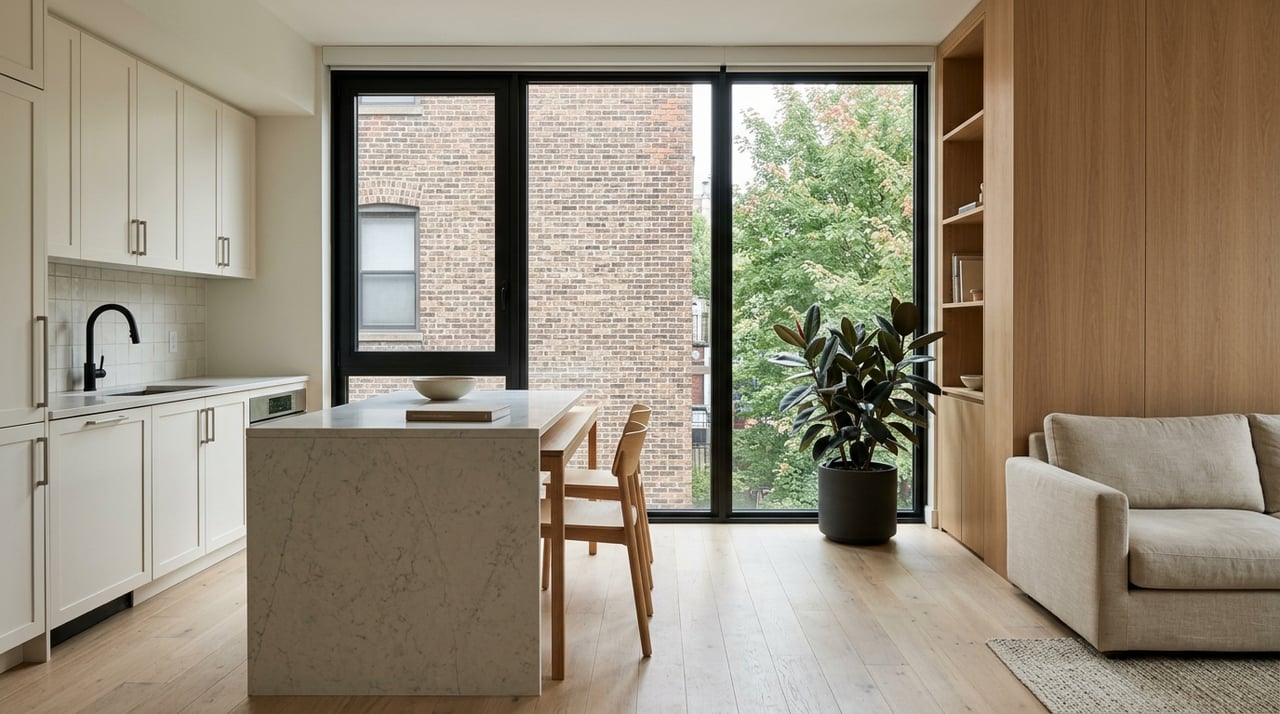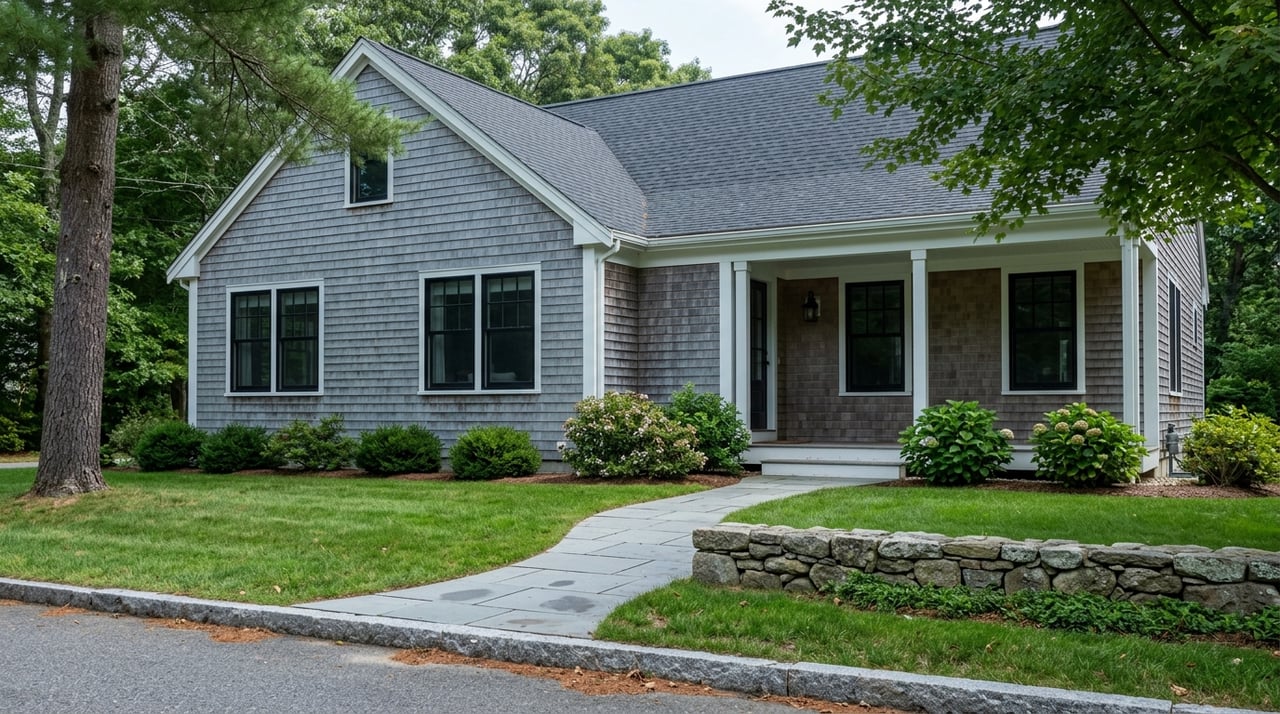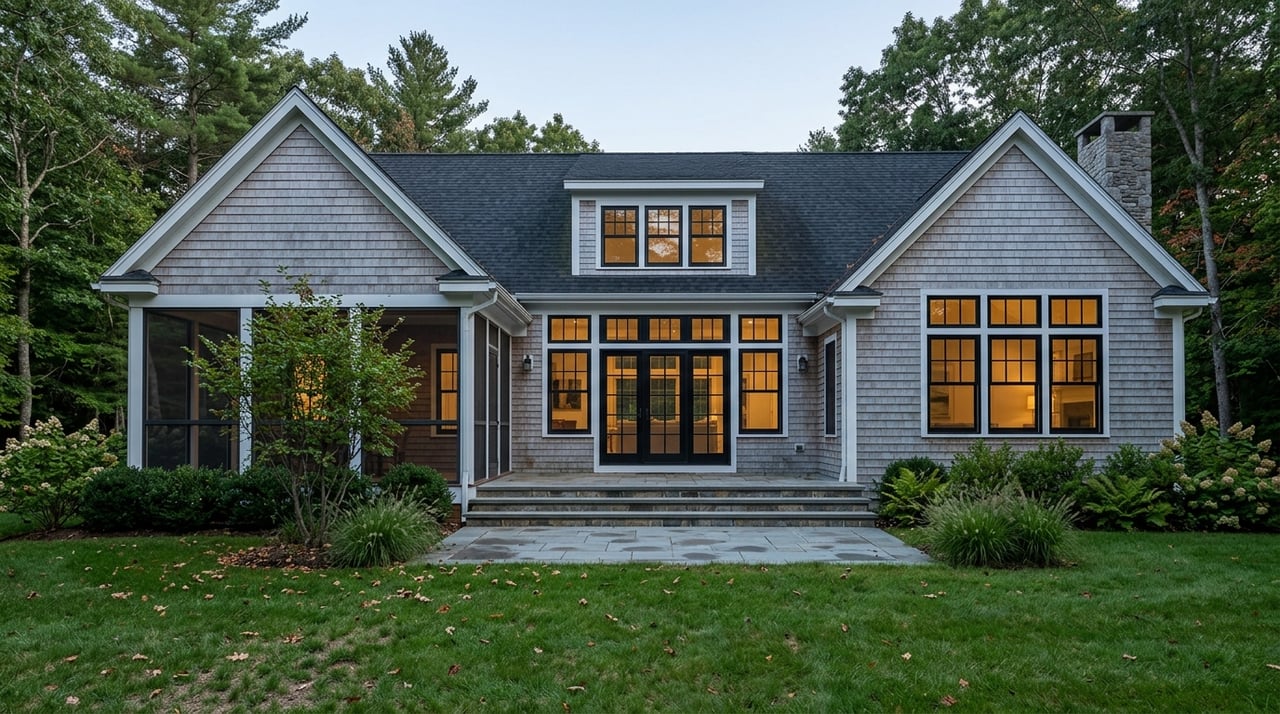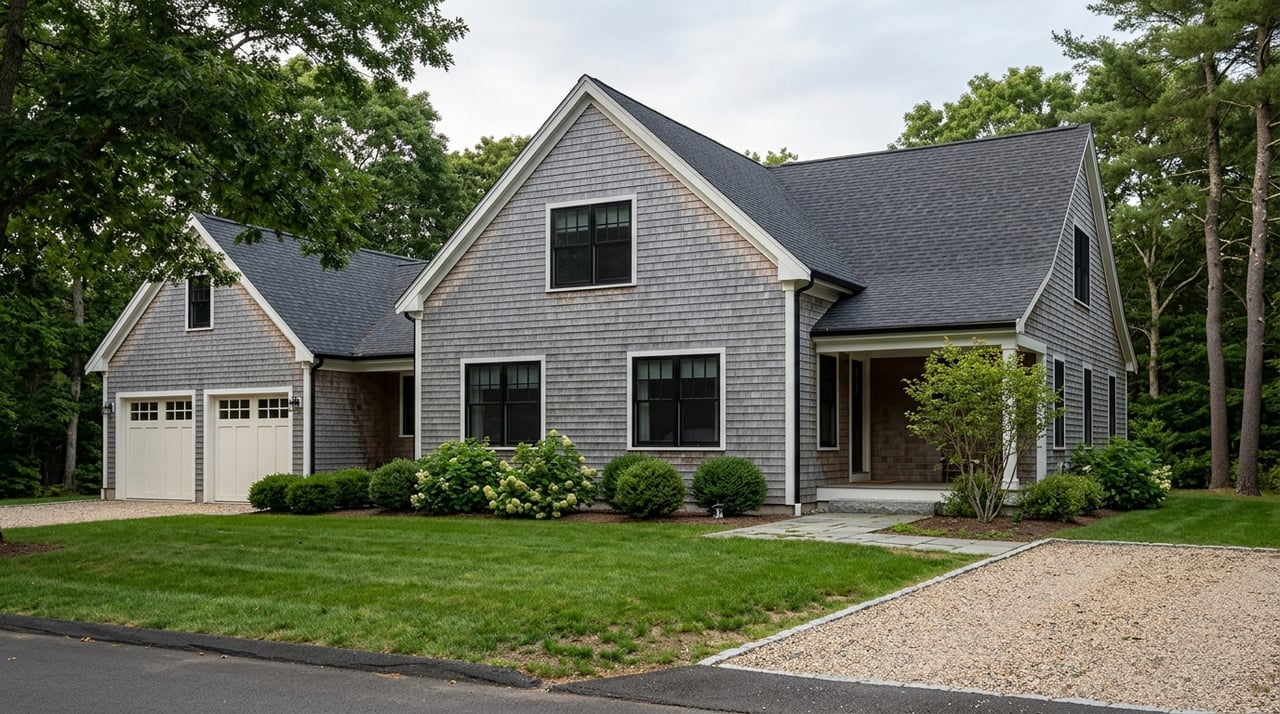
Trying to lock in presales before you pour foundations in West Plymouth? You are not alone. Financing timelines, local permitting, and seasonal buyer patterns can make your launch window feel tight. In this guide, you will get a clear, practical plan to staff on-site sales, structure release calendars, design a cooperating-agent plan, build the right collateral, and track KPIs so you hit your targets with confidence. Let’s dive in.
Why presales matter in West Plymouth
Presales reduce risk by validating product, price, and timing before construction completes. They can help lender confidence and support construction draws by showing demand and deposit strength. Early reservations create momentum and word-of-mouth that carry into later phases.
In West Plymouth, local factors shape your plan. Commute access to Boston, coastal and recreation appeal, school district considerations, and seasonal cycles influence demand. Permitting and town approvals can add weeks or months, so your sales calendar should match your municipal timeline. You will also engage a mix of South Shore and Greater Boston agents, so your co-op plan must align with local norms. Before you set pricing or release cadence, validate current absorption, days on market, and median sold prices with the local MLS and the Massachusetts Association of REALTORS.
On-site sales staffing that converts
You need a clear staffing model and rapid lead response to capture presales.
- Sales Manager or Director: sets strategy, pricing input, and oversees the team.
- On-site Sales Agent(s): tours, negotiations, and contract intake. Plan 1 full-time agent for every 8 to 12 active units in the sales window.
- Closer or Transaction Coordinator: manages deposits, paperwork, and lender liaison.
- Marketing Coordinator: updates collateral, signage, and digital content; coordinates agent outreach.
- Broker Liaison or Float: organizes broker previews and manages co-op communications.
Staffing by community size:
- Under 20 units: 1 dedicated on-site agent with remote support.
- 20 to 75 units: on-site manager plus 1 to 2 agents and a transaction coordinator.
- Larger master-planned sites: a daily sales center with rotating agents, dedicated closers, and a broker-relations lead.
Hours and response standards:
- Prioritize weekends and add select weekday evening hours for commuter buyers.
- Respond to online leads within the first hour. CRM automation should acknowledge inquiries immediately and offer easy scheduling options.
Training and compliance:
- Provide standard scripts for deposit structure, contingencies, construction timelines, and estimated delivery.
- Train on Massachusetts-specific items, including earnest money handling, new-construction addenda, and disclosure obligations.
- Maintain consistent, realistic estimated closing dates.
Inventory release calendars that protect margin
A thoughtful release plan can preserve pricing power and steady absorption.
- Phased release: stagger units in small groups, such as 4 to 8 at a time. This maintains scarcity, tests pricing, and avoids flooding the market.
- Model and takeaway inventory: open 1 to 2 furnished models early. Use these to showcase finishes and upgrade paths for presales.
- Priority windows: create VIP sequences for trades, early registrants, and local agents before a broader public release. Follow applicable disclosure rules for any builder-owner or employee allocations.
- Release triggers: tie each tranche to measurable thresholds, like a set number of presales or a sell-through percentage of the prior release. Also connect releases to production milestones, such as foundations complete or framing underway.
Timing considerations:
- Seasonality: demand across the South Shore usually accelerates in spring and summer. Plan announcements and model openings to align with higher-traffic months when possible.
- Lender and schedule: align release cadence with your construction schedule and financing draws so sales activity supports the build.
Pricing and incentive playbook
Structure pricing to reward early commitment while protecting later-phase margins.
- Early-buyer incentives: consider introductory pricing, upgrade packages, or seller-paid closing costs for presales. Track the cost and impact on margin.
- Price laddering: plan modest price increases for later tranches to reflect rising demand and construction progress.
- Non-price incentives: where appropriate, use appliance or upgrade credits that can be built into construction schedules.
Cooperating-agent plan that engages the market
Broker participation expands your buyer pool. Set terms that are clear, compliant, and aligned with local expectations.
- Standard structure: offer a cooperating broker commission as a percentage or flat fee. Amounts are negotiable and should reflect local norms.
- Tiered options: consider higher co-op in early phases or for agents who bring multiple qualified buyers.
- Targeted bonuses: use limited-time bonuses for harder-to-move plans or closeout inventory.
- Broker events: host previews, paid breakfast or lunch sessions, and twilight open houses for agents.
- Transparency: publish co-op terms in MLS remarks or in broker packets so agents understand compensation.
- Compliance: commissions are negotiable. Ensure all offers, bonuses, and rebates comply with federal and state rules and REALTOR guidelines.
Trade-offs to weigh:
- Higher co-op can accelerate traffic but reduces margin.
- Lower co-op may push you to rely more on direct marketing and on-site conversion.
Digital and print collateral that sells
Give buyers and brokers the information they need to say yes early.
Core assets:
- Floor plans with clear dimensions and elevation options.
- Spec sheets and inclusions matrices for standard and upgrade packages.
- Pricing and availability boards, synced between sales center and online.
- High-quality photography, renderings, and 3D or virtual tours.
- Walk-through videos that explain finishes, structure, and lifestyle.
- Community maps, timeline visuals, and FAQ sheets.
- Broker packets with co-op terms, product sheets, incentives, and a broker-liaison contact.
Website and lead capture:
- Create a dedicated landing page with current availability and presale labels.
- Integrate CRM forms with instant confirmations and tour scheduling.
- Add IDX or MLS listings when appropriate so co-op terms are visible to agents.
Paid and local outreach:
- Run targeted social ads that feature model images and commuter access messaging.
- Use search ads for new construction terms tied to Plymouth and West Plymouth.
- Build an email sequence for VIP lists: announcement, availability, call-to-tour, and reservation follow-up.
- Invest in broker outreach with regular previews and digital newsletters.
Measurement and testing:
- A/B test hero images, calls-to-action, lead forms, and ad placements.
- Track cost per lead, cost per reservation, and conversion rates by channel.
Reporting cadence and the KPIs that matter
Make decisions with data and keep your team aligned.
Recommended cadence:
- Daily: new leads, scheduled tours, website spikes, and broker inquiries logged in CRM.
- Weekly: traffic sources, active reservations, deposit totals, conversion rates, and broker activity.
- Monthly: absorption rate, price per square foot by plan, time-to-contract, remaining inventory, and marketing spend vs. sales.
- Phase milestones: sell-through percentage by tranche, incentive impact on margins, and pipeline changes.
Core KPIs:
- Leads by channel and total
- Tours and show ratios
- Reservations and presale percentage by tranche
- Conversion rates from lead to tour and tour to reservation
- Absorption rate in units per month
- Average deposit and contingency removal timing
- Broker-sourced vs. direct-sales share
- Cost per sale and marketing ROI by channel
- Inventory aging and days of supply
Dashboard ideas:
- A snapshot of active inventory, presales year to date, and weeks of supply
- A funnel view from impressions to closed sales
- A broker leaderboard for referrals and conversion
- Release performance with time-to-sell benchmarks
Quick-start checklist
Use this to align your team and launch with confidence.
- Confirm your local benchmarks for absorption, days on market, and median prices with MLS and MAR.
- Finalize staffing: on-site agent coverage, transaction coordinator, and a broker liaison.
- Define presale scripts, deposit schedules, and disclosure language for Massachusetts.
- Set a phased release plan with triggers tied to presales and build milestones.
- Establish pricing laddering and a clear early-buyer incentive plan.
- Publish co-op terms and prepare a full broker packet.
- Build your landing page, availability board, and tour-booking flow.
- Produce model visuals, 3D tours, and a complete collateral suite.
- Launch VIP email, social and search campaigns, and broker previews.
- Stand up your reporting cadence and KPI dashboard.
Case example: phased releases in practice
A mid-sized South Shore builder released five homes at a time instead of front-loading inventory. Early model investment and a clear VIP window helped secure the first reservations. As each tranche reached a set sell-through percentage, the next group released at a modest price step. Industry research and builder experiences often show that this controlled approach sustains effective pricing and reduces the risk of deep discounting that can follow bulk releases. Broker engagement also lifted agent-originated sales by increasing exposure across suburban buyer pools.
How Lynne Morey supports your presales
You get local authority and polished delivery in one partner. Lynne Morey is a veteran Plymouth and South Shore specialist with more than two decades of experience and $500M+ in career sales. Her boutique team includes a dedicated developer liaison and leverages national-brand marketing resources.
What this means for your project:
- A presale strategy matched to West Plymouth buyer behavior and seasonality
- On-site sales leadership with clear scripts, deposit pathways, and reporting
- A full collateral plan, from model setup and 3D tours to availability boards
- A cooperating-agent program and broker preview calendar that activates the market
- Weekly and monthly dashboards that track absorption, pricing, and ROI
If you are planning a new build or a multi-phase community in West Plymouth, let’s discuss your presales, release calendar, and co-op plan. Request a free consultation with Lynne Morey.
FAQs
How many presales should I secure before breaking ground?
- Requirements vary by lender, budget, and market conditions. Many lenders look for proof of demand, such as a percentage of units reserved or sold. Confirm the threshold with your finance partner.
What deposit structure works best for Massachusetts presales?
- A staged schedule is common: a reservation deposit, a formal contract deposit, and additional deposits during construction. Ensure proper escrow and earnest money handling under Massachusetts rules.
Should I list presale units on MLS right away?
- If units are available and your co-op plan is set, MLS can expand exposure. For invitation-only presales, start with broker previews, then go public on MLS at your scheduled release.
How do I protect margins while offering incentives or co-op?
- Model net pricing after all incentives and co-op payouts. Consider non-price incentives, such as upgrade credits, that can be built into construction workflows.
What legal or compliance items matter most in Massachusetts presales?
- Provide accurate timelines and disclosures, follow state law for deposit handling, and ensure any promotions or rebates meet federal and state standards. Consult your legal advisor for project-specific questions.