Love the idea of waking up to Cape Cod Bay views in Ellisville but unsure how to buy the right waterfront or water-view home? You are not alone. Coastal properties are special and they come with extra rules, costs, and maintenance that can surprise even seasoned buyers. In this guide, you will learn the exact checks to run, documents to request, specialists to hire, and smart contingencies to use so you can move forward with confidence. Let’s dive in.
Why Ellisville waterfront appeals
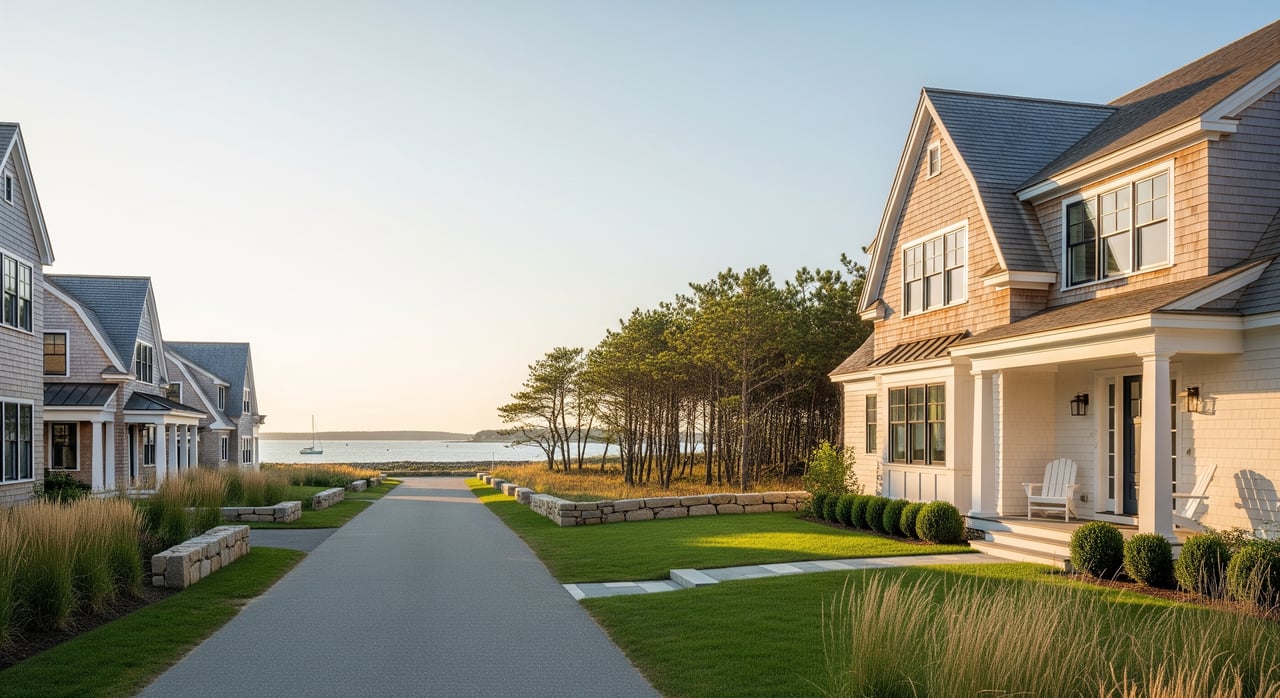
Ellisville sits on the western shore of Cape Cod Bay within Plymouth, home to Ellisville Harbor State Park and a larger Area of Critical Environmental Concern. These designations highlight barrier beaches, salt marsh, and coastal banks that make the landscape beautiful and protective, yet sensitive. Explore the park’s setting through the state’s overview of Ellisville Harbor State Park and the Ellisville Harbor ACEC.
The same shore features that create big views can also shape risk and permitting. Steep bluffs, wave action, salt spray, and seasonal high groundwater are all site specific. That is why the best Ellisville purchases start with deeper due diligence and a realistic plan for insurance and maintenance.
Start with site-specific checks
Before or with your offer, ask the seller or listing agent for these items. Getting them early can save weeks and help you write the right contingencies.
- FEMA flood zone info for the parcel and any Elevation Certificate. An Elevation Certificate often affects both lender approval and flood insurance pricing. See the NAR Consumer Guide to Flood Insurance for what to request.
- Any survey showing property lines, topography, and the location of the top of coastal bank. If none exists, plan for a new topographic survey.
- Copies of state and local permits, Orders of Conditions, and any recorded maintenance obligations for shoreline structures. The state’s coastal program explains key reviews and tools on the Massachusetts CZM publications page.
- Seawall or revetment design and maintenance records if present. Ask who built it, when, and under what permits.
- Title 5 septic inspection report, septic plans, and service records. Learn how transfers work under Massachusetts Title 5 using this Title 5 overview.
- Insurance history and any past claims for flood or wind.
Understand flood risk and insurance costs
FEMA flood zones matter for your mortgage and your monthly budget. If a property is in a Special Flood Hazard Area, many lenders require flood insurance. Elevation and foundation type also influence premium. For a clear consumer primer, review the NAR guide to flood insurance.
FEMA’s Risk Rating 2.0 changed how the National Flood Insurance Program prices policies. Rates now reflect parcel-level factors like distance to water, first-floor height, and cost to rebuild. Get quotes early and compare options. A quick summary of the methodology is available from the American Flood Coalition’s Risk Rating 2.0 overview.
Action steps for insurance
- Ask the seller for any Elevation Certificate and past flood policies. If none exists, budget for a survey to produce one.
- Price both NFIP and private flood policies early. Confirm lender requirements and any wind or hurricane deductibles.
- Ask about the town’s participation in insurance discount programs and whether prior claims exist.
Permits and shoreline rules in Ellisville
Waterfront work in Massachusetts often triggers state and local review. Most projects near coastal banks, beaches, or flood zones require filings under the Wetlands Protection Act and local Conservation Commission approval. You can get oriented to the process and mapping tools on the Massachusetts CZM publications page.
Ellisville’s ACEC and state park status mean careful scrutiny for shoreline changes and a preference for nature-based solutions where feasible. Some projects that touch tidelands can also involve state waterways licensing and federal review. Plan time for coordination and do not assume hard armoring is the default answer.
Local permit history can be revealing. You can often view prior approvals and conditions by searching public records, including the town’s Conservation Commission archives. For example, Plymouth posts past Conservation Commission records, which can help you see precedent and lot-specific requirements in the Plymouth Conservation Commission minutes archive.
If a seawall or bluff is involved
- Verify permits, engineering, and maintenance obligations tied to the wall or stabilization work.
- Ask a coastal or geotechnical engineer for an independent condition assessment and estimated remaining life.
- Expect periodic inspections and possible nourishment or repair requirements that run with the property.
How coastal homes are built to last
Salt air and storm-driven water test every detail. That is why homes near the bay benefit from specific foundations, materials, and utility placement.
- Elevated, open foundations let water pass under the living space and reduce loads during storms. Extra elevation, called freeboard, is often advised above the mapped base flood.
- Corrosion-resistant metals and fasteners, such as stainless steel or hot-dip galvanized hardware, slow salt-related wear.
- Flood-resistant lower-level materials and breakaway walls can limit damage where code allows enclosures below living space.
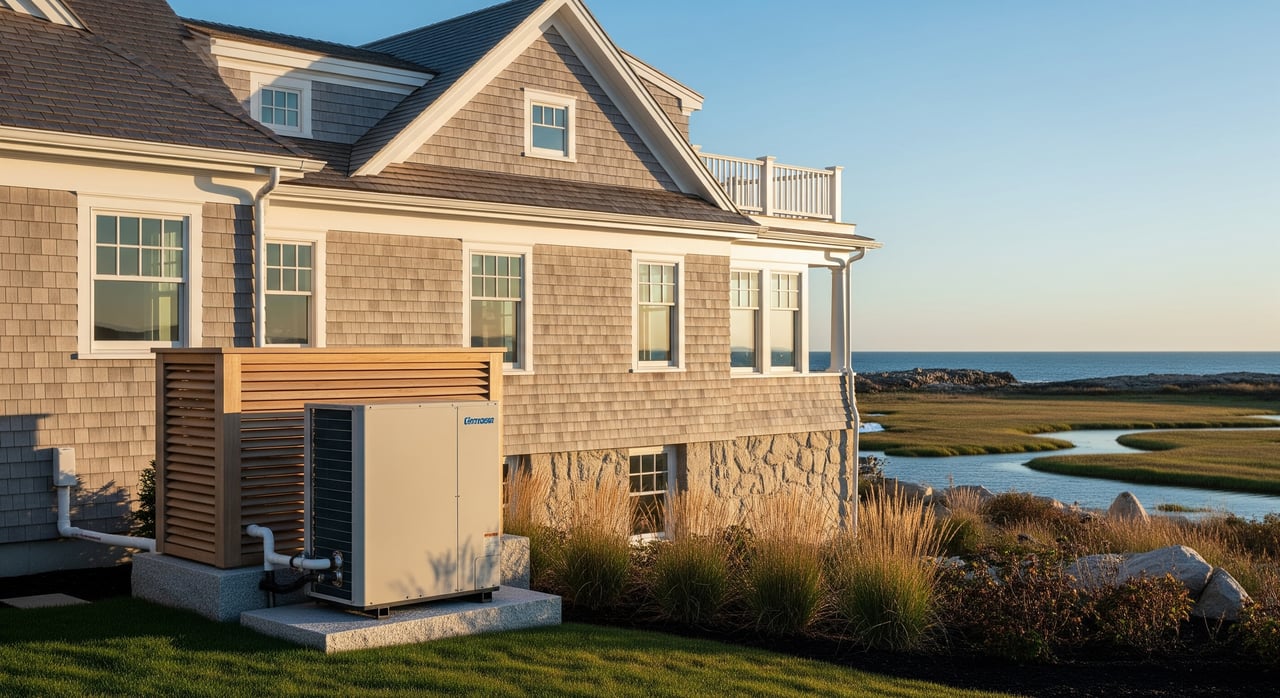
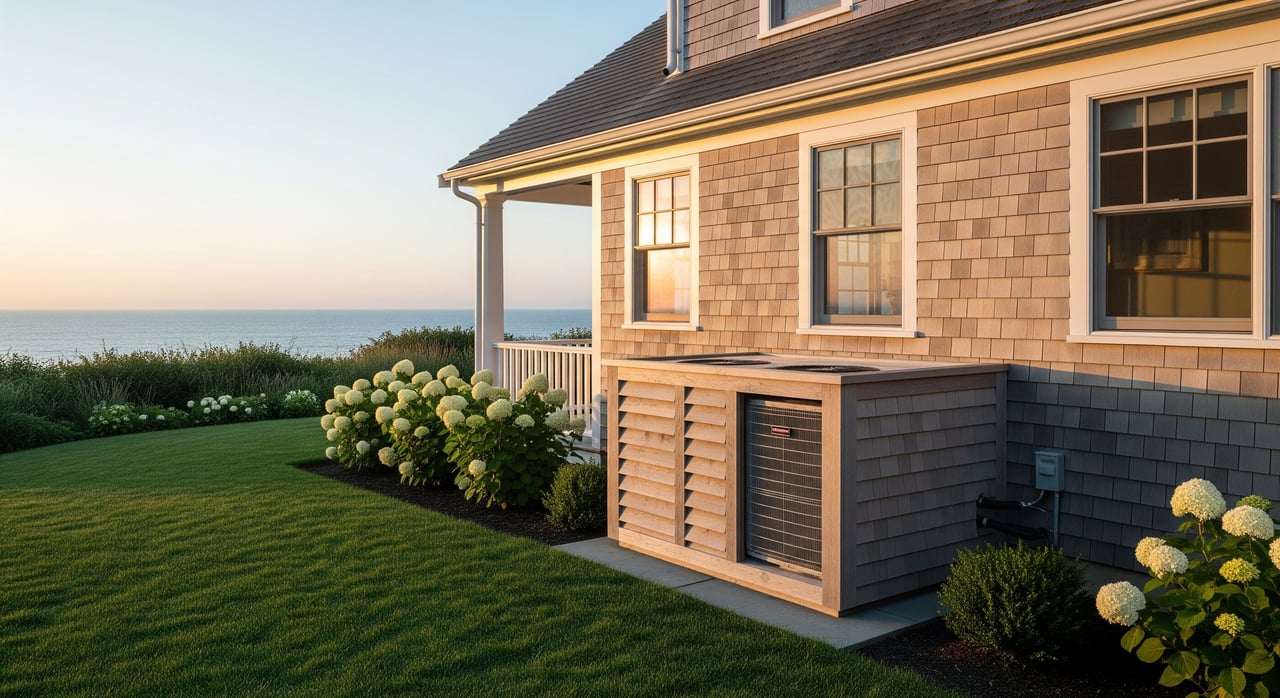
- Elevate or protect mechanicals and electrical systems at or above the design flood level. Plan for safe generator access and serviceability.
For a deeper dive into coastal design principles and materials, see FEMA’s guidance summarized in the FEMA Coastal Construction Manual.
Septic and high water table
Coastal parcels often have shallow groundwater and soils that challenge septic performance. In Massachusetts, most transfers trigger a Title 5 inspection that confirms if the system meets standards or needs upgrades. Review the seller’s inspection report, design plans, and service records. The Title 5 overview explains what the inspection involves and why some homes near tidal waters require alternative technologies.
If upgrades are likely, work them into your timeline and budgeting. Your local Board of Health can confirm compliance steps and whether seasonal high water impacts your options.
Plan for real maintenance costs
Shore homes live a harder life. You should expect more frequent exterior painting or staining, replacement of corroded fasteners, deck upkeep, window and door hardware service, gutter cleaning, and periodic shoreline inspections. Local reporting notes that small stabilization efforts can run into the thousands, while major seawall projects can reach tens of thousands. For a sense of range and owner experiences, see this Plymouth area coastal cost overview.
A simple rule is to set aside a maintenance reserve. The right number depends on your shoreline structure, building age, and exposure. Ask contractors for order-of-magnitude estimates early.
Model long-term value and resale
Ellisville’s views are a long-term draw, and that supports value. At the same time, holding costs and policy limits on shoreline armoring can affect net returns. Use sea-level rise and storm surge tools to test 20 to 50 year scenarios and how they may change exposure over your hold period. You can explore scenarios for Massachusetts on Climate Central’s sea-level site.
A buyer who vets flood exposure, confirms permit history, and verifies construction quality tends to have a smoother resale story. Your future buyer will ask for the same documents and assurances you gather now.
Your timeline from offer to close
Use this sequence to structure your due diligence window. Build in extra time if you anticipate engineering reviews or permit research.
- Request key documents from the seller: Elevation Certificate, FEMA FIRM map, surveys, permits and Orders of Conditions, shoreline maintenance records, Title 5 report, and insurance history.
- Run the parcel through state and national viewers for sea-level and storm surge scenarios. Confirm lender and insurer requirements early.
- Book a licensed Massachusetts home inspector with coastal experience. Use the findings to scope specialty reviews.
- Hire a coastal or geotechnical engineer for bluff stability and shoreline structures. Add a structural engineer if the home is older or if the foundation type needs verification.
- Obtain NFIP and private flood quotes. Clarify wind or hurricane deductibles and any underwriting conditions.
- Price potential septic upgrades and shoreline maintenance with preliminary contractor input.
- Negotiate repairs, credits, or updated timelines before you remove contingencies.
Smart contingencies to protect you
Consider adding targeted protections that match your property’s risks. Examples include:
- “Contingent on buyer’s review of Elevation Certificate and ability to obtain flood insurance at acceptable terms.”
- “Contingent on geotechnical and coastal engineering review of bluff stability and structural foundation.”
- “Contingent on review of recorded Orders of Condition and confirmation of any maintenance obligations for shoreline structures.”
Bringing it all together
Buying in Ellisville should feel exciting, not overwhelming. When you pair the village’s natural beauty with careful planning around flood, permits, construction, and maintenance, you protect both your lifestyle and your investment. If you are ready to start, reach out for local guidance, vetted inspectors and engineers, and a purchase plan tailored to your goals. Connect with Lynne Morey for a high-touch consultation and a confident path to the water.
FAQs
What makes Ellisville’s waterfront unique in Plymouth?
- Ellisville blends barrier beaches, salt marsh, and coastal banks within a state park and ACEC, which brings natural beauty and added permitting sensitivity for shoreline work.
How do FEMA flood zones affect my mortgage in Ellisville?
- If the home is in a Special Flood Hazard Area, many lenders require flood insurance. An Elevation Certificate helps determine premium and can influence loan approval terms.
Who oversees permits for seawalls or bluff work in Ellisville?
- You typically work with the local Conservation Commission under the Wetlands Protection Act, and sometimes state waterways and federal review if tidelands or navigable waters are involved.
What construction features should I look for near salt water?
- Elevated, open foundations, corrosion-resistant fasteners, flood-resistant lower-level materials, and elevated mechanical systems perform better in coastal settings.
What should I know about septic systems near the coast?
- Most transfers trigger a Title 5 inspection. High groundwater can require alternative technologies or upgrades, so review reports and budget accordingly.
How can I assess long-term flood exposure before I buy?
- Combine FEMA maps with state and climate tools that model sea-level rise and storm surge scenarios to understand exposure over a 20 to 50 year horizon.