If you are selling a historic downtown Plymouth home, your buyer may be hundreds of miles away right now. That buyer is not just comparing square footage or price. They are trying to picture daily life, understand the home’s historic context, and decide whether a trip to Plymouth is worth making. When your marketing answers those questions clearly, you give relocating buyers the confidence to take the next step. Let’s dive in.
Why Downtown Plymouth Connects With Relocating Buyers
Relocating buyers often start with lifestyle before they focus on house details. In downtown Plymouth, that lifestyle is closely tied to walkability, waterfront access, and a sense of place that feels distinctly local.
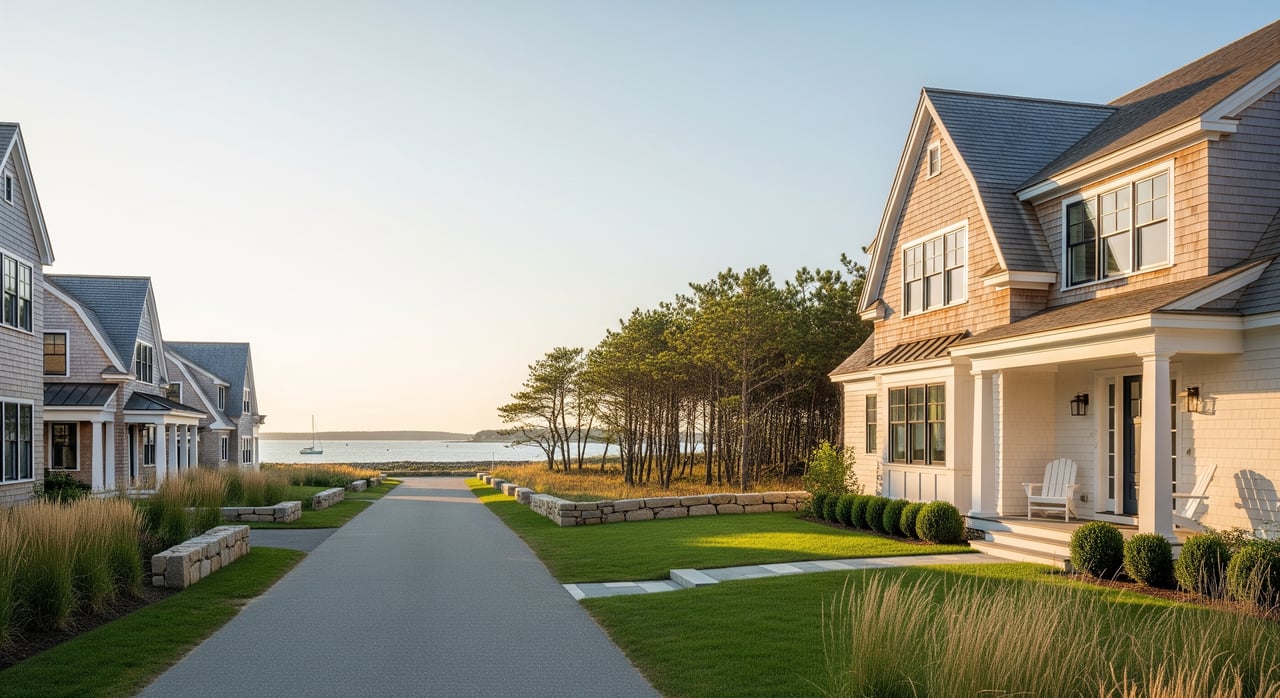
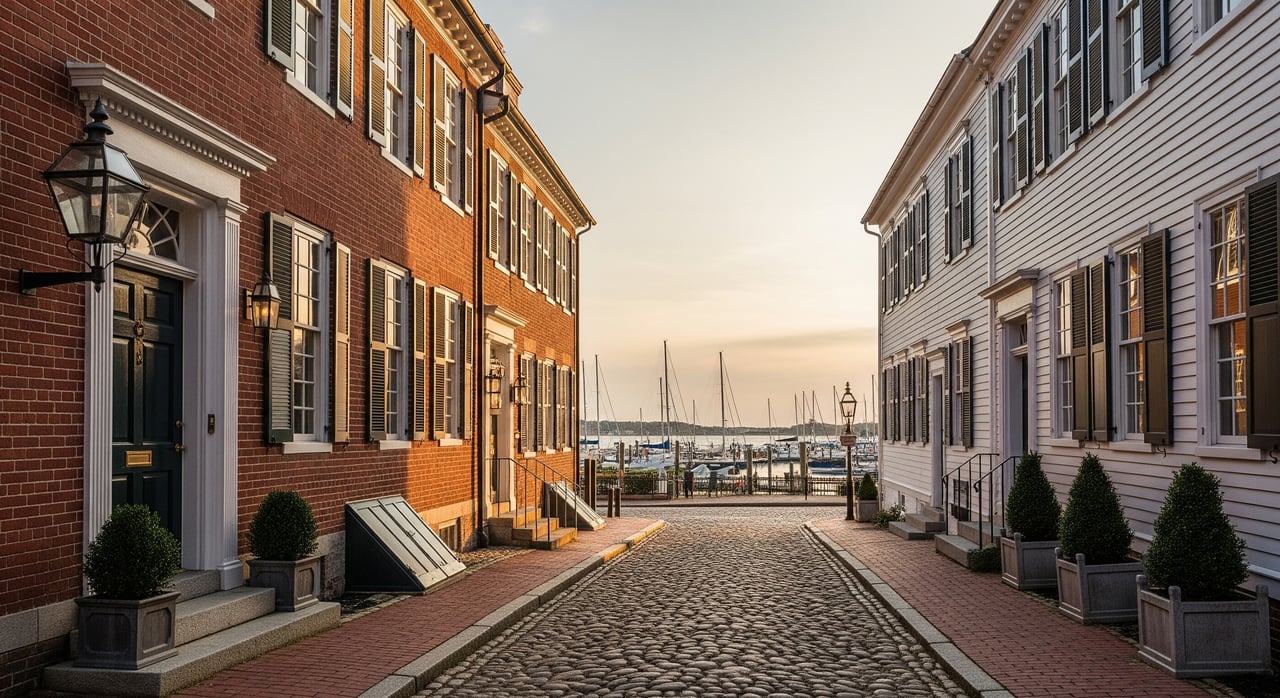
Town planning documents describe the downtown-waterfront area as a place where historic resources, the retail and business core, restaurants, shops, and the waterfront are all linked by a more walkable public realm. That matters for out-of-area buyers because it helps them picture how the home fits into everyday life, not just where it sits on a map.
One of the clearest examples is Pilgrim Memorial State Park, a waterfront destination at 79 Water Street with harbor views, paved pathways, Plymouth Rock, and the Mayflower II museum. Mass.gov says it draws more than 1 million visitors each year, which speaks to the visibility and appeal of Plymouth’s waterfront setting.
Another strong lifestyle anchor is the Sea to Shining Sea Trail, which offers a semi-urban walking route with ocean views, Town Brook scenery, and connections through the waterfront, Brewster Gardens, and historic interior areas. For a relocating buyer, details like these help transform a listing from "historic house" into "home base for daily life."
Lead With Place, Not Just Features
When you market a historic downtown property, the home itself is only part of the story. Relocating buyers need help understanding what the street feels like, what is nearby, and what they can easily reach on foot.
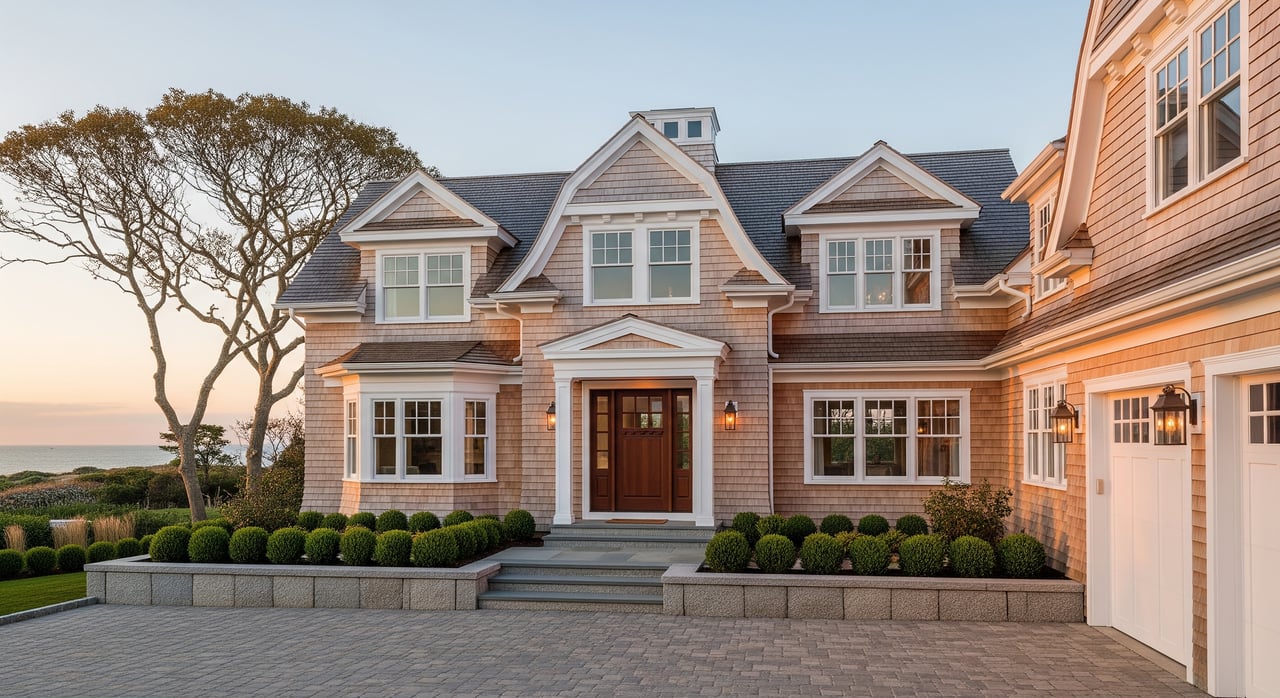
A stronger listing narrative often combines period details with practical location context. Instead of simply saying a home has original character, it is more useful to explain how that character fits within downtown Plymouth’s broader waterfront and historic setting.
For example, a listing can highlight approved updates, original architectural details, and access to nearby waterfront paths, downtown shops, restaurants, and historic sites. Plymouth’s own planning materials emphasize the connection between the waterfront, downtown activity, and historic attractions, which makes this a natural and locally accurate way to frame the property.
You can also add specific details that help distant buyers imagine the area as a lived-in environment. The Town of Plymouth notes that Town Brook includes a publicly viewable river herring run, benches, and an observation platform, and that it has historical ties dating back to 1620. Small, concrete details like that make a neighborhood feel real and memorable.
Explain Historic District Rules Clearly
One of the biggest questions relocating buyers have about older homes is simple: What can I change? If your marketing does not address that question, buyers may fill in the blanks with assumptions.
Plymouth’s local historic district was established in 1974 and later expanded in 1977 and 1990. According to the town, it includes about 286 properties and covers a major portion of the first townscape established as a permanent English settlement in the United States, with streets laid out as early as 1621.
That history is a selling point, but sellers should also be clear about the rules. The Town of Plymouth’s historic district information explains that exterior changes visible from a public way in the local historic district are reviewed by the Historic District Commission.
Just as important, the town also explains that a National Register listing alone does not restrict a private owner’s ordinary use of a property unless state or federal involvement, or another local or regional rule, applies. That distinction can reduce confusion and help relocating buyers feel more comfortable asking informed questions.
Use Digital Marketing That Closes Distance
Relocating buyers usually make early decisions online. That makes your digital presentation one of the most important parts of the marketing plan.
According to NAR guidance on listing presentation, nearly half of interested buyers begin their search online. NAR recommends using photos, video, virtual tours, floorplans, and remote walkthroughs through tools like Zoom or FaceTime.
That advice is especially relevant for historic downtown Plymouth homes. Out-of-area buyers may want to narrow their options before planning travel, particularly in a market environment where NAR says inventory remained extremely limited from mid-2024 through mid-2025 and the average mortgage rate was 6.69%.
For those buyers, digital assets do more than create interest. They answer practical questions that an in-person visit would usually cover, such as how rooms connect, how natural light moves through the house, and whether the layout fits everyday needs.
Show Room Flow Clearly
Historic homes often have layouts that differ from newer construction. That is not a drawback, but it does mean buyers need help understanding how spaces work together.
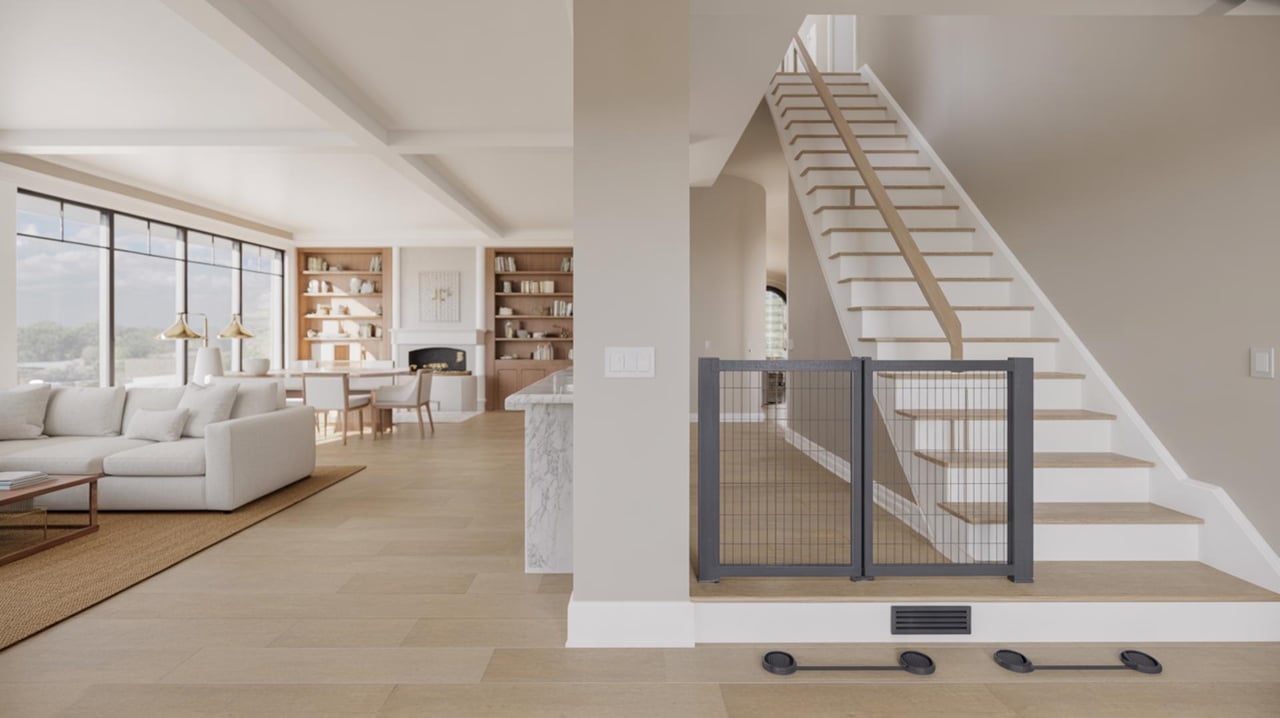
NAR notes that virtual tours can help buyers see how rooms connect and whether a layout works for them. If your listing includes a thoughtful video tour and an accurate floorplan, a relocating buyer can assess flow before ever stepping inside.
This can be especially helpful when a home includes multiple living areas, additions, or flexible-use rooms. Clear presentation reduces uncertainty, and less uncertainty usually means stronger engagement.
Highlight Character Up Close
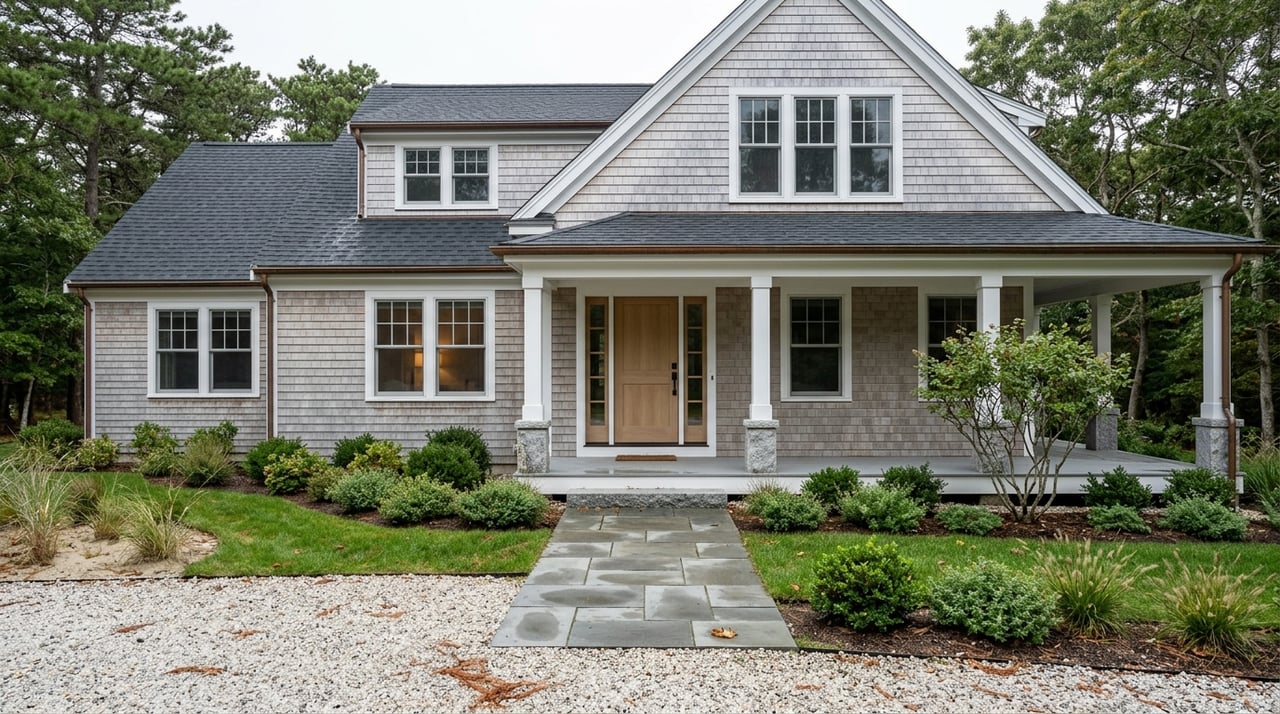
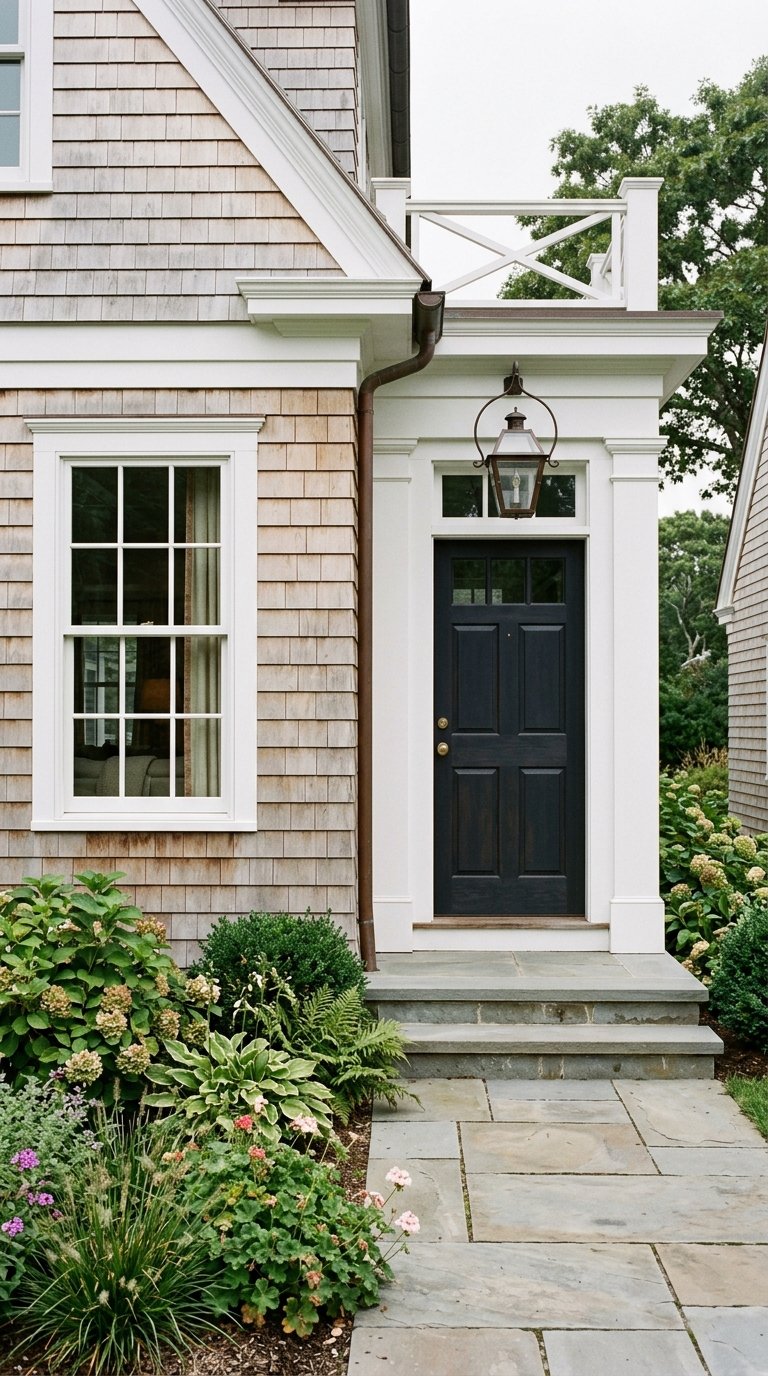
Historic homes deserve more than wide shots alone. NAR recommends professional photography and close-ups of key features, which is a smart fit for older properties where craftsmanship and detail are part of the value.
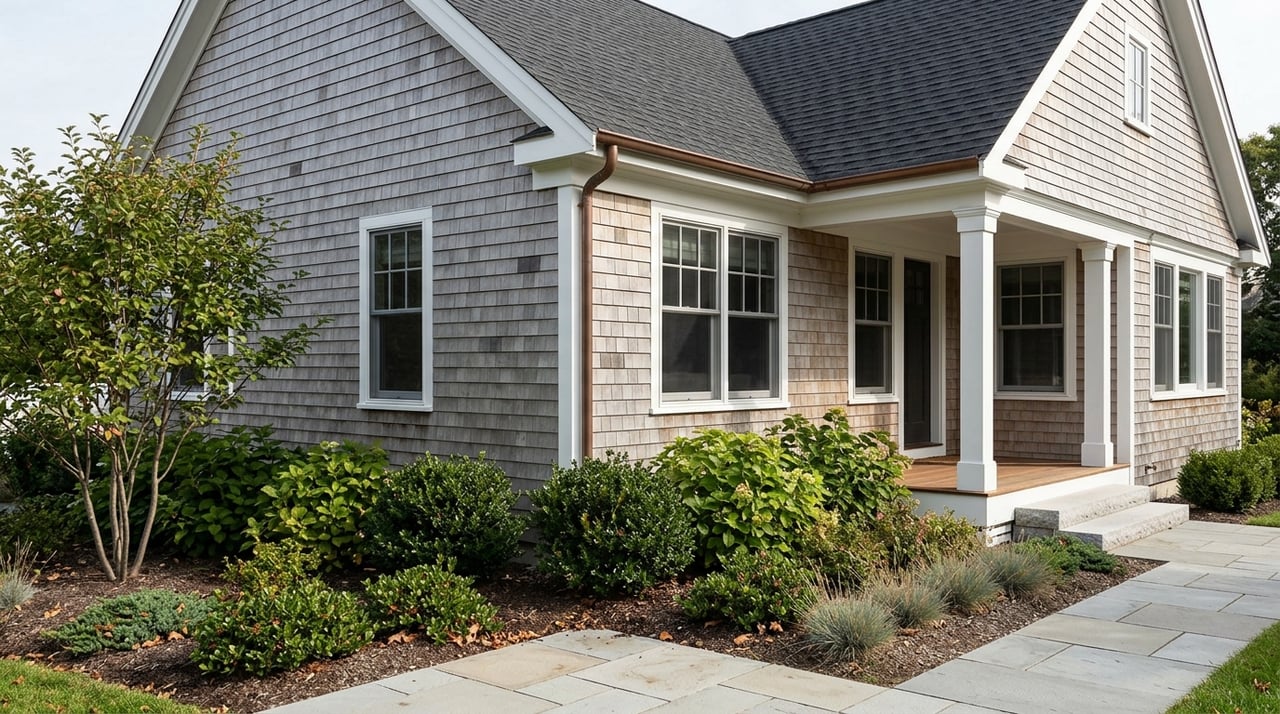
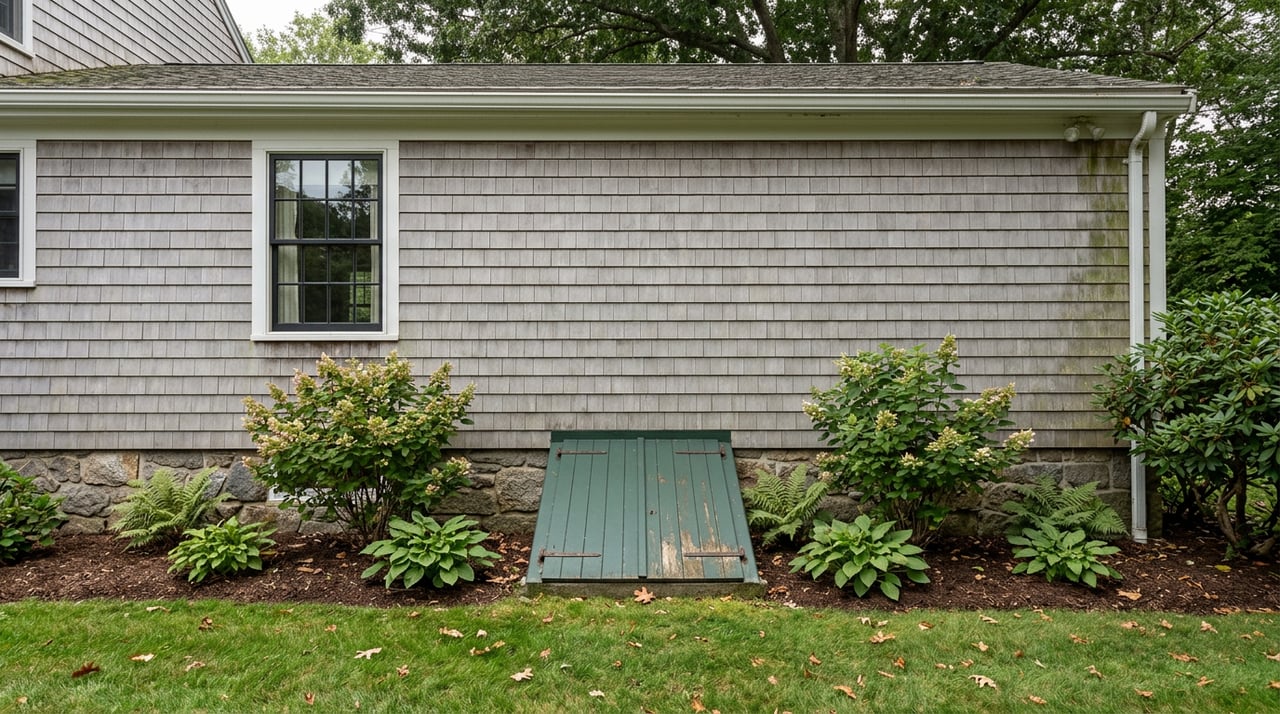
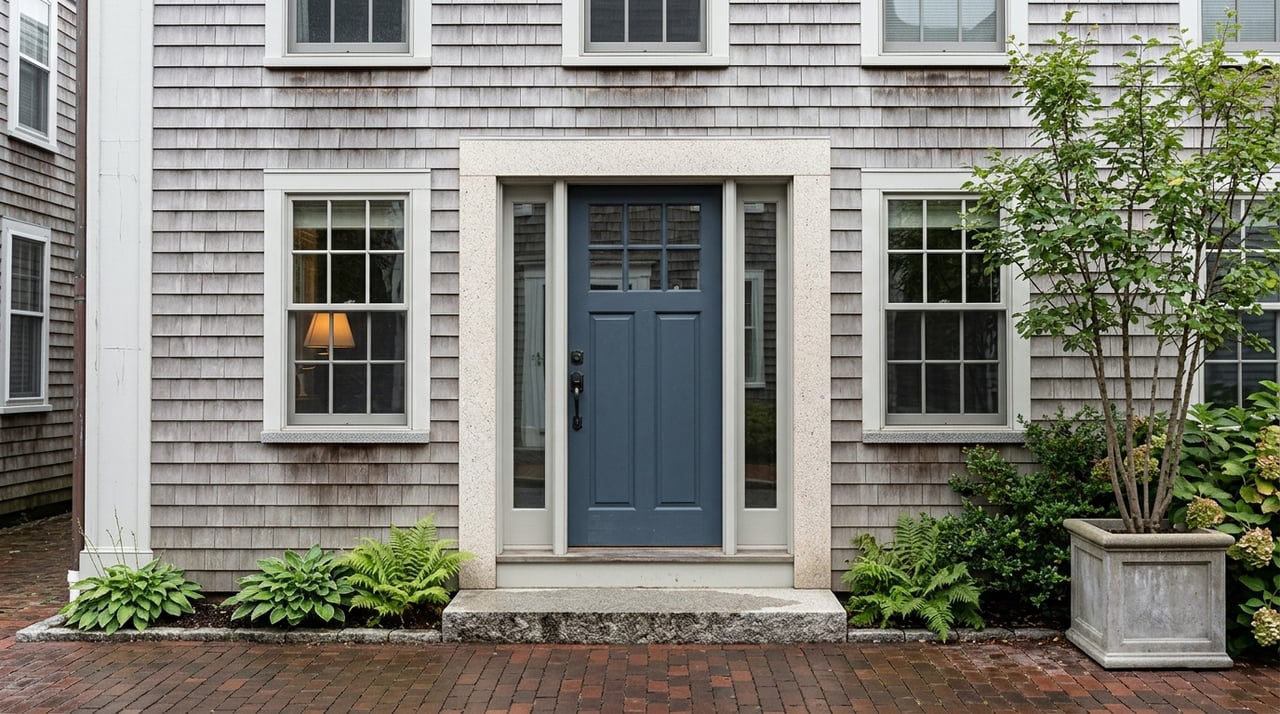
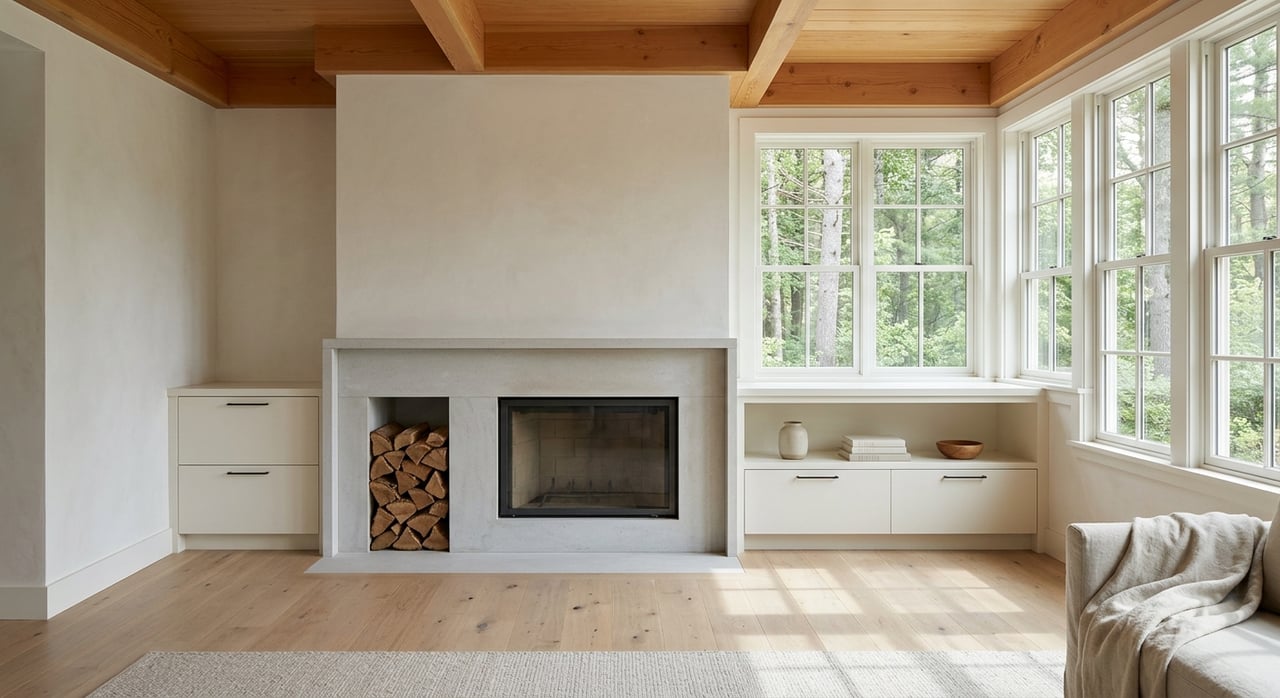
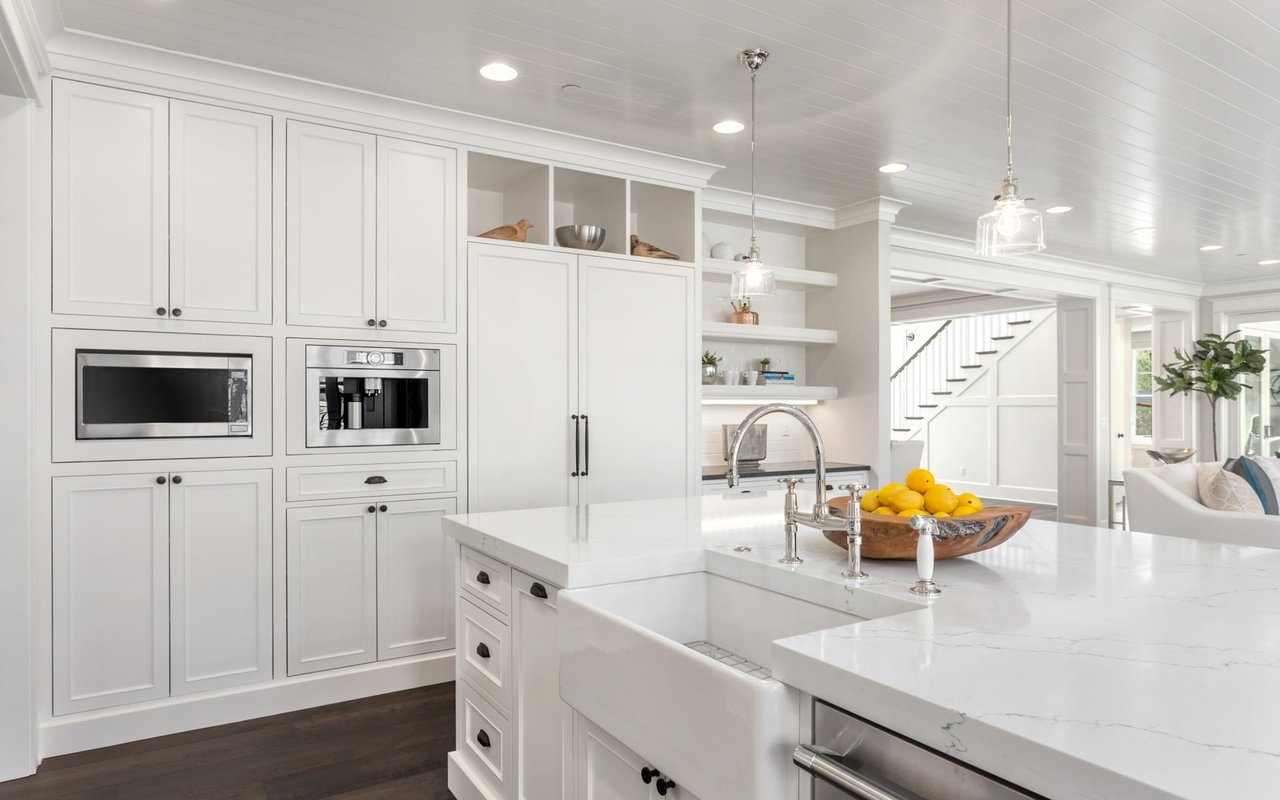
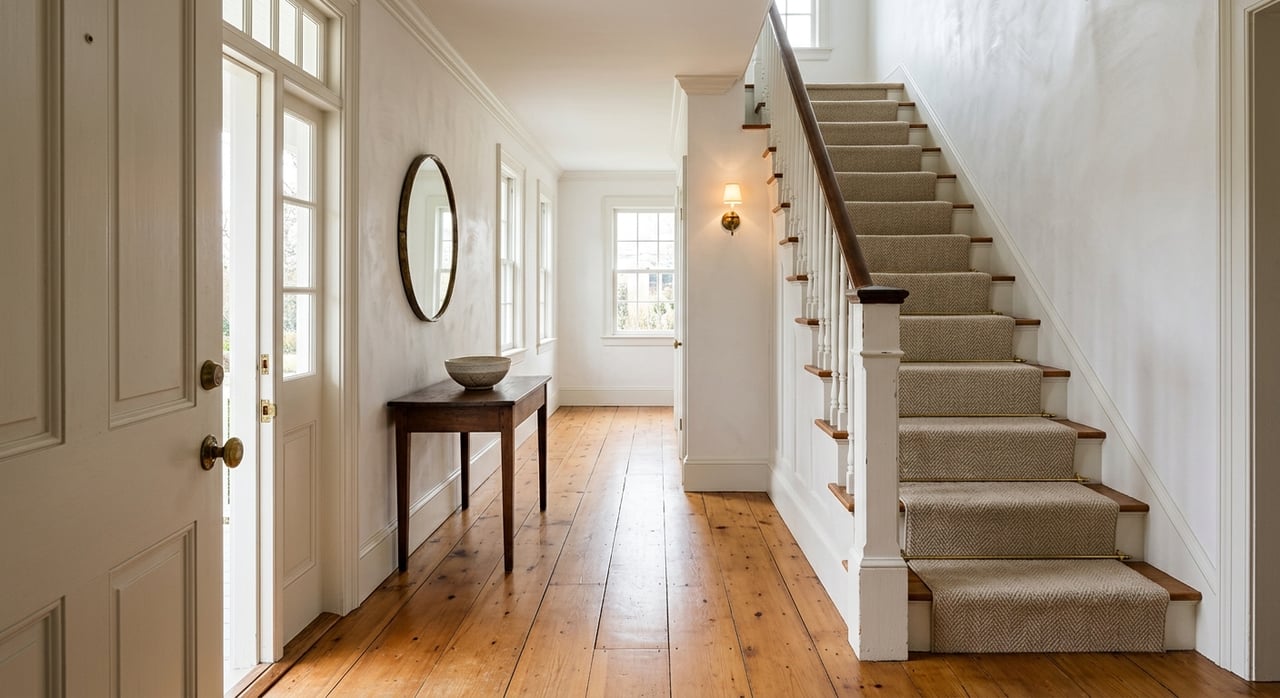
Think about the features a distant buyer may miss in a quick photo scroll. Window trim, built-ins, flooring, stair details, fireplace surrounds, and exterior textures often help tell the home’s story.
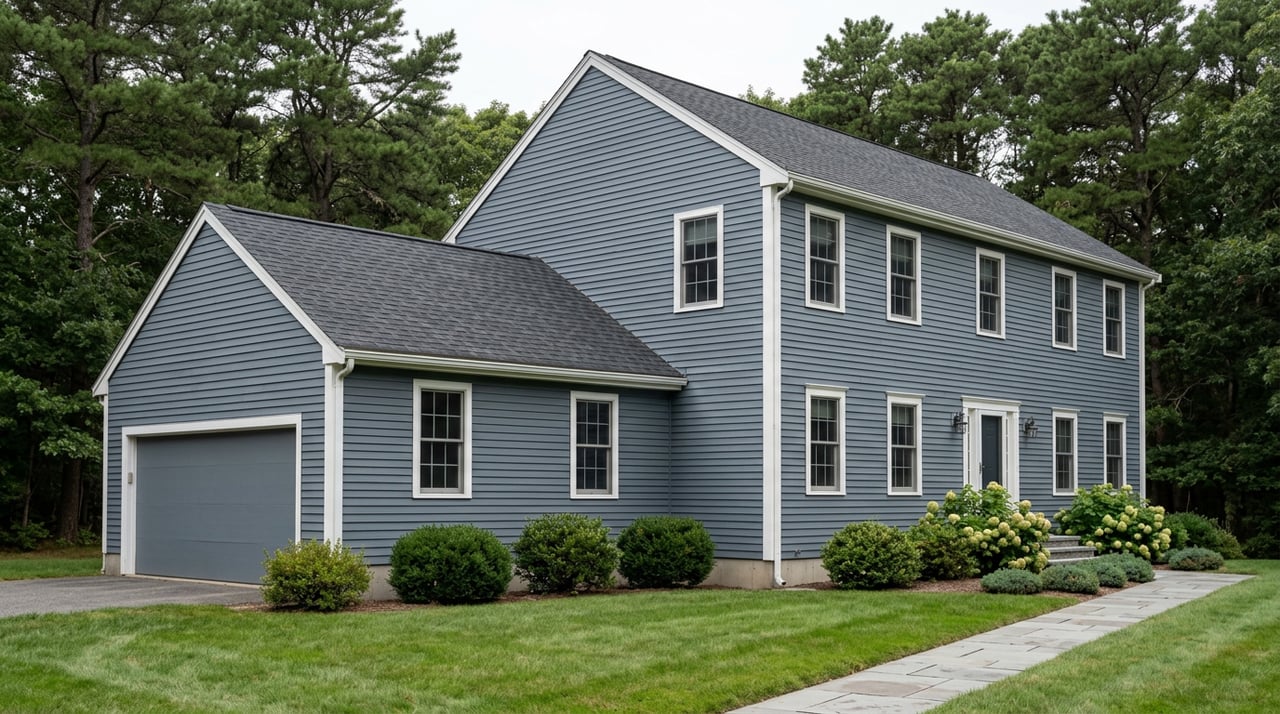
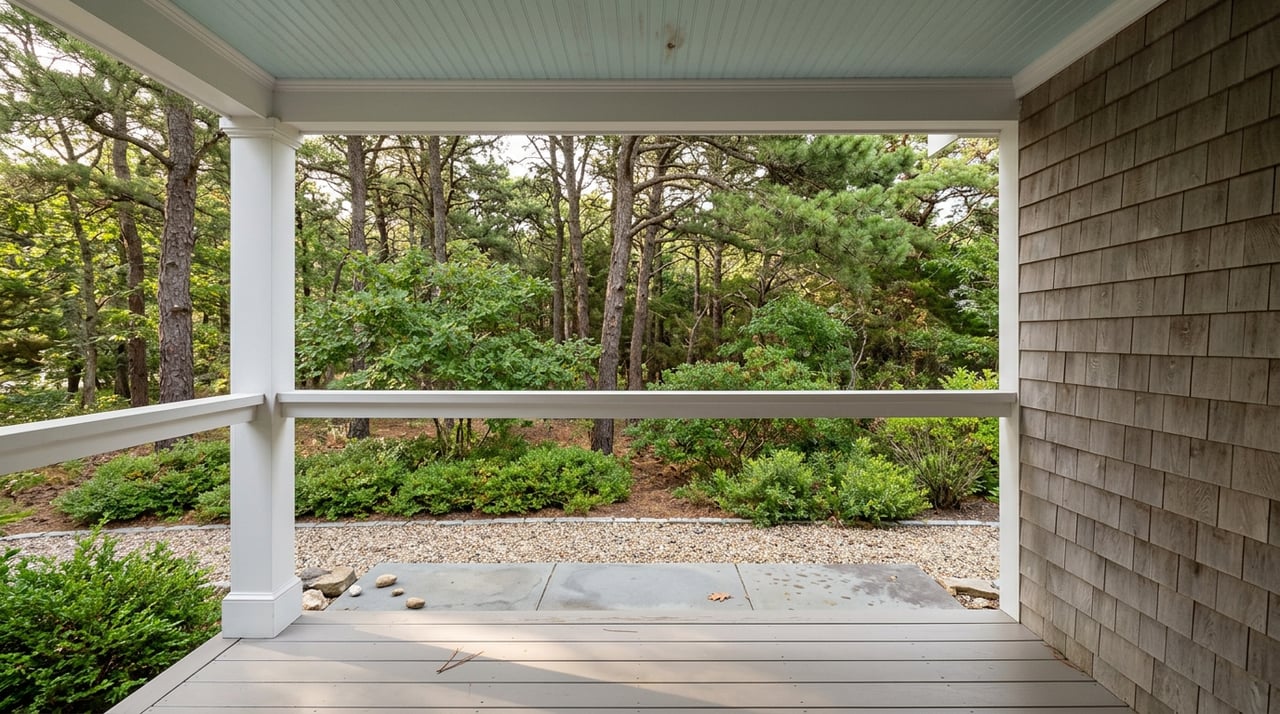
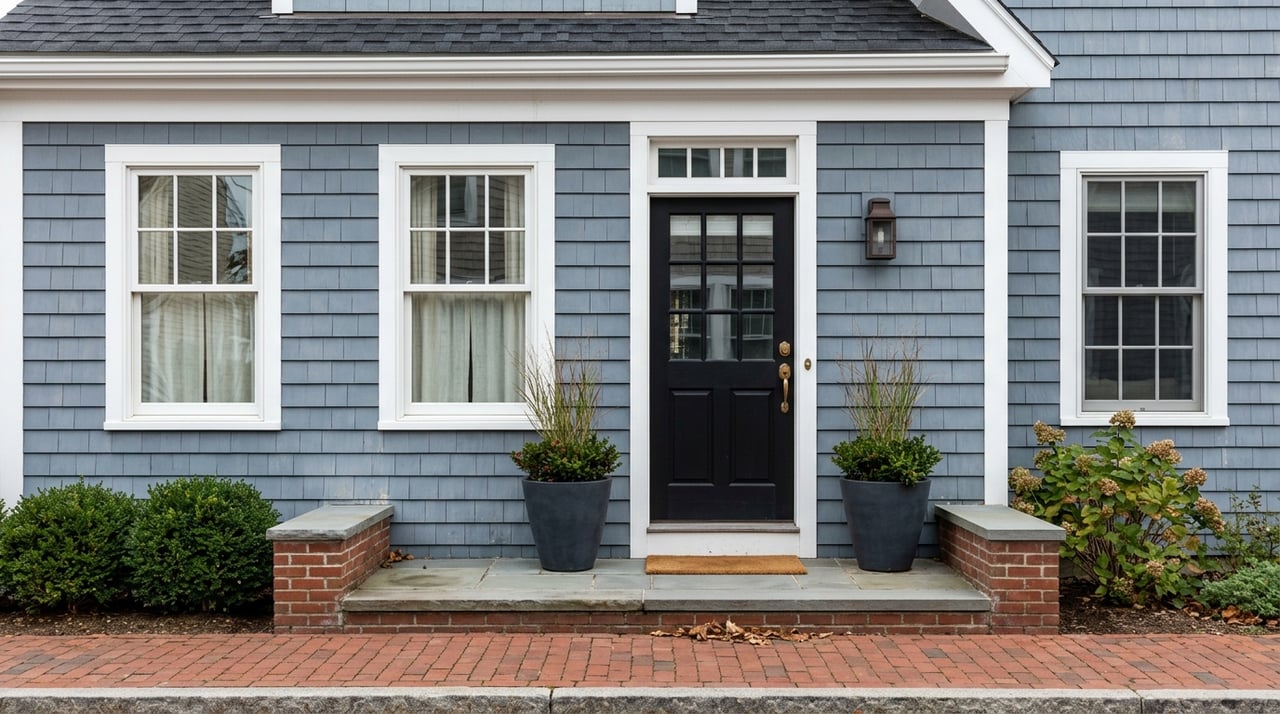
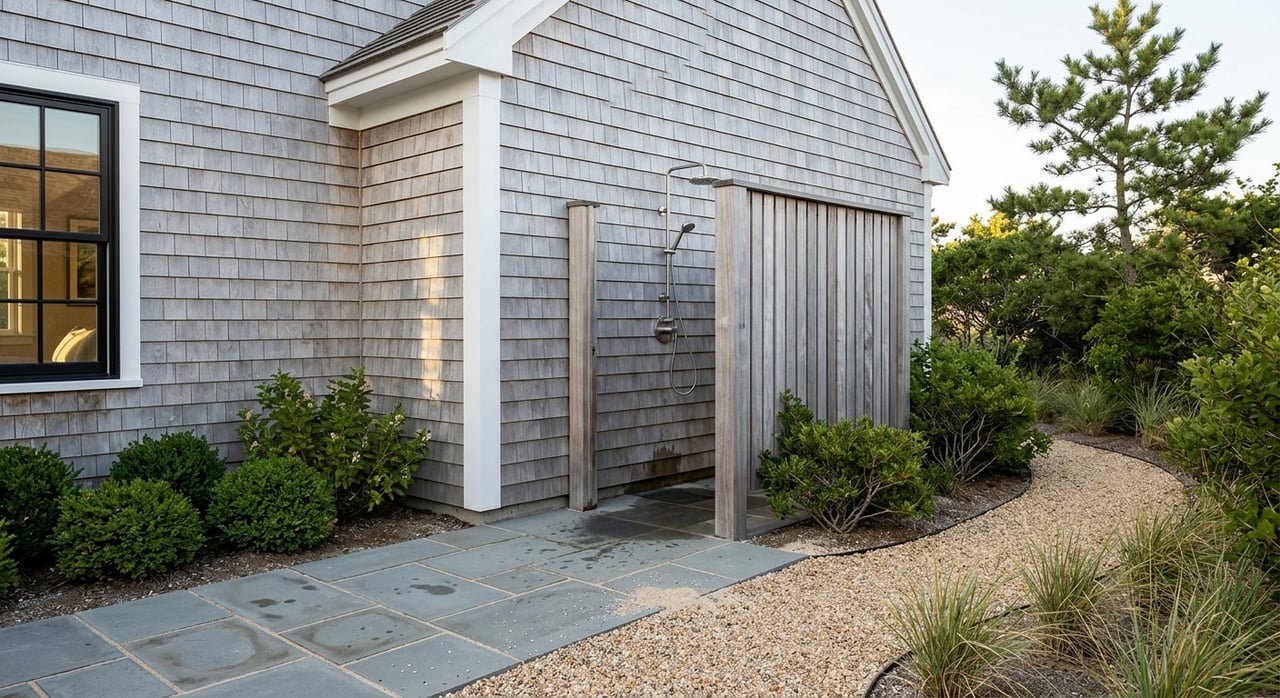
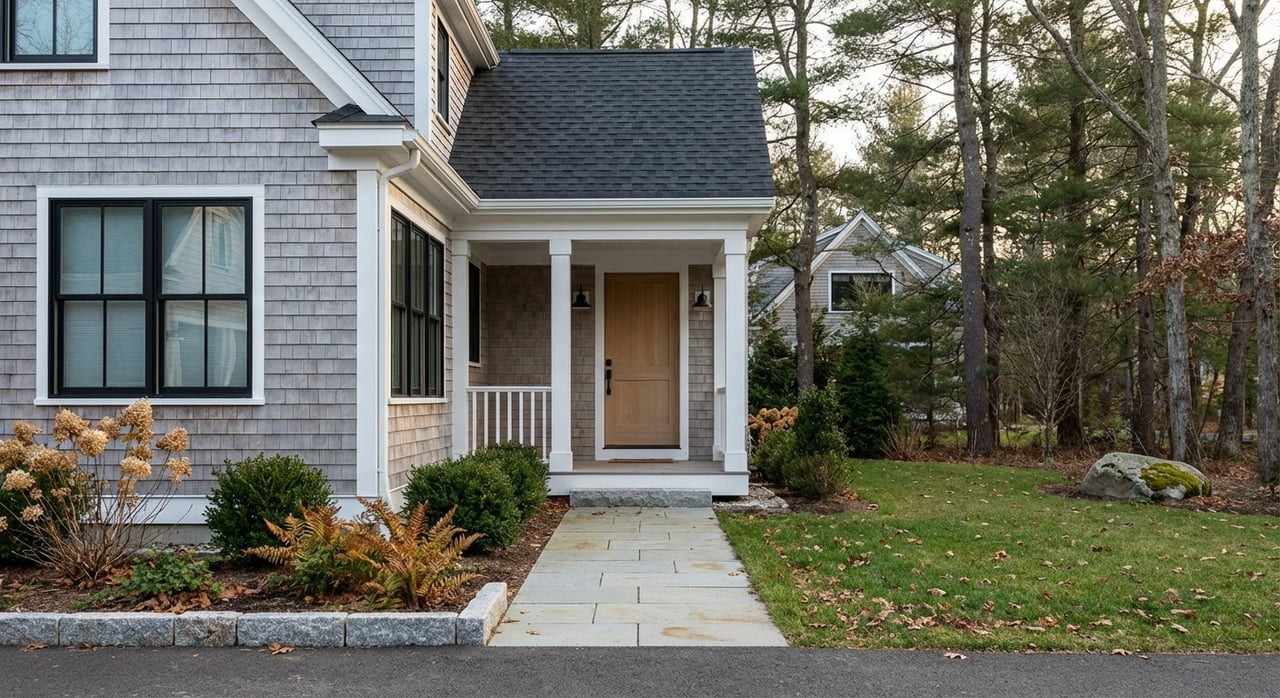
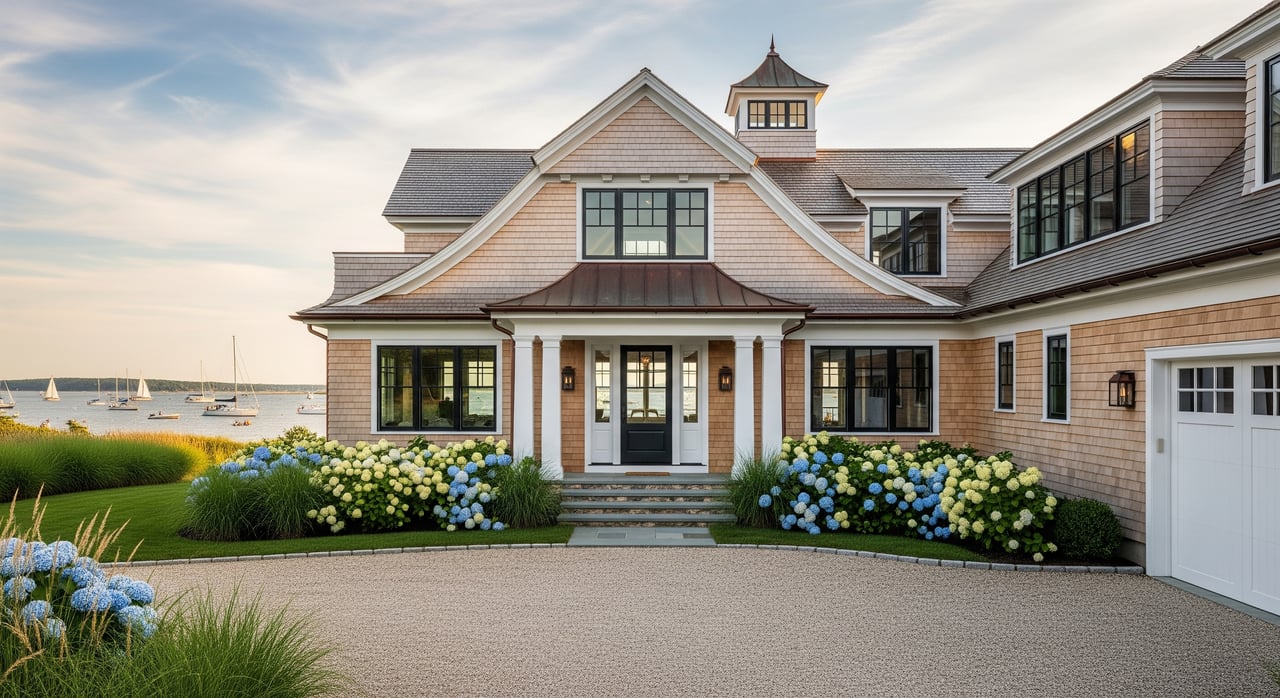
Outdoor space matters too. In a downtown Plymouth setting, that may include a porch, courtyard, garden, fenced yard, or the visual relationship between the home and the surrounding streetscape.
Stage for the Screen First
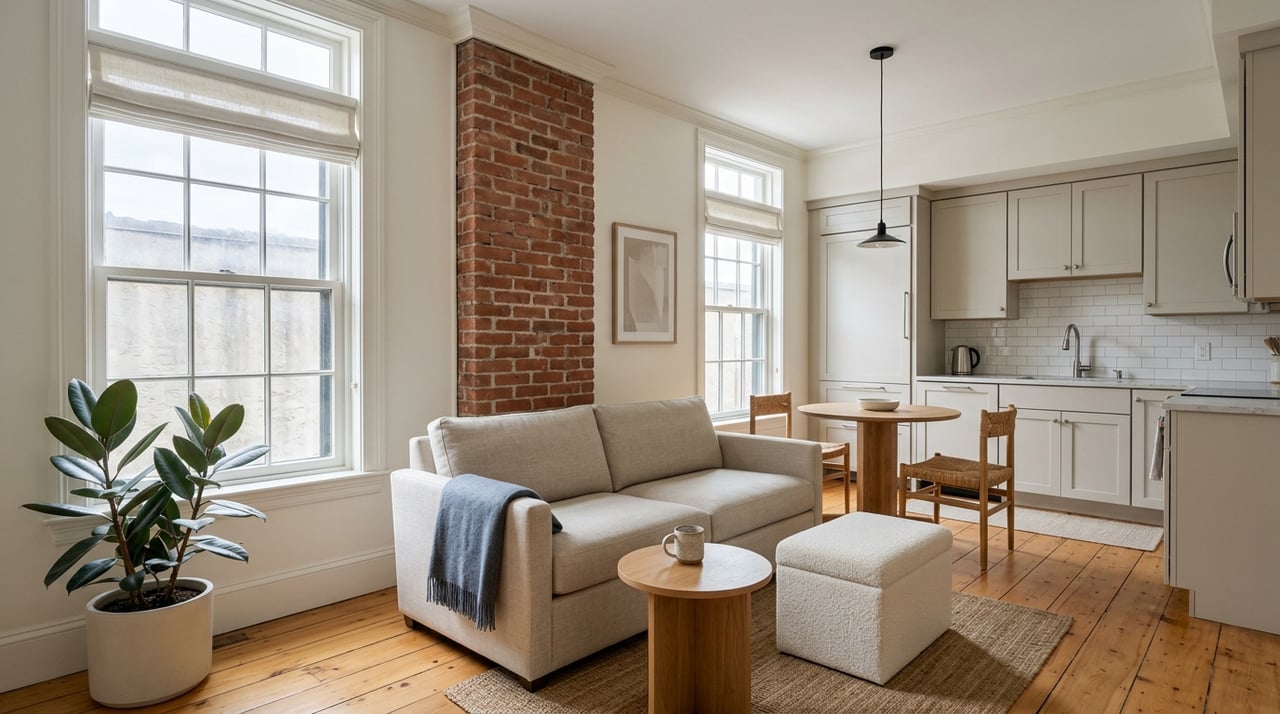
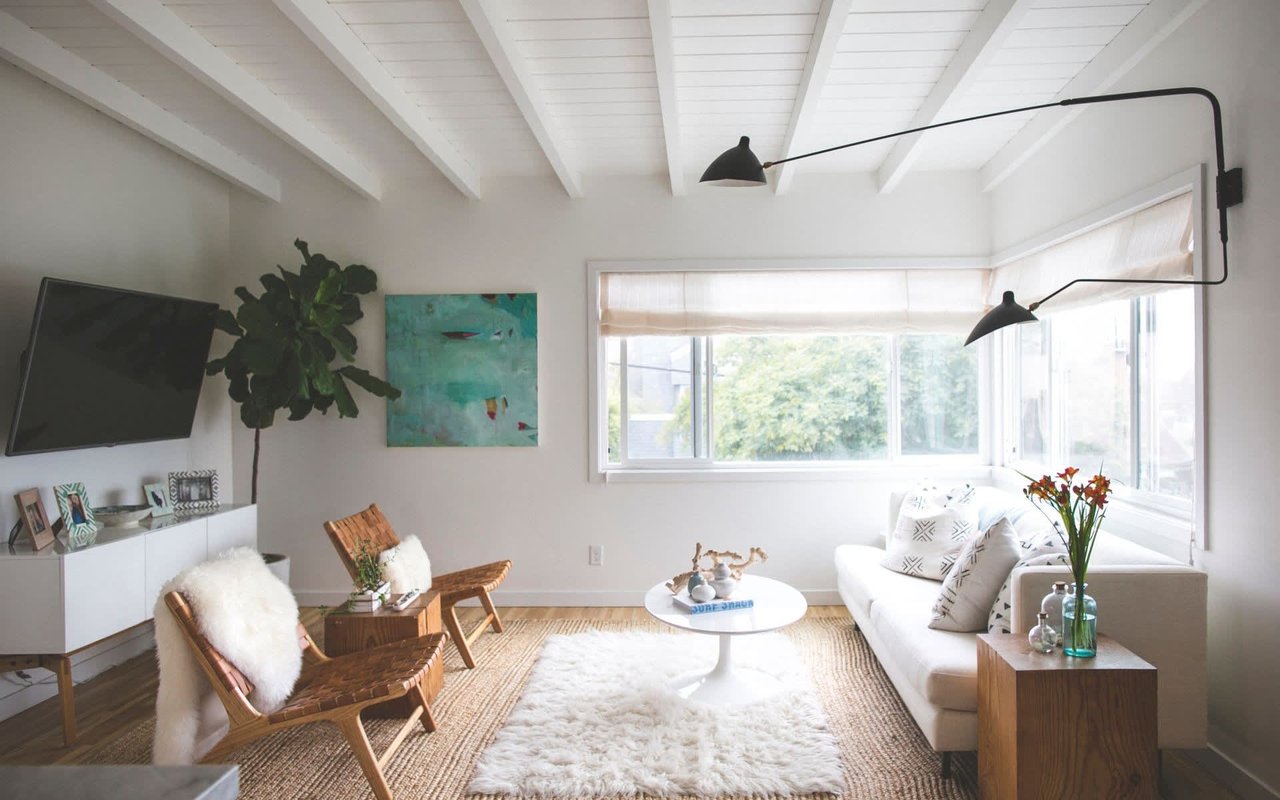
When buyers relocate, their first showing is often digital. That means staging should help the home read well on a screen before it ever hosts an in-person visit.
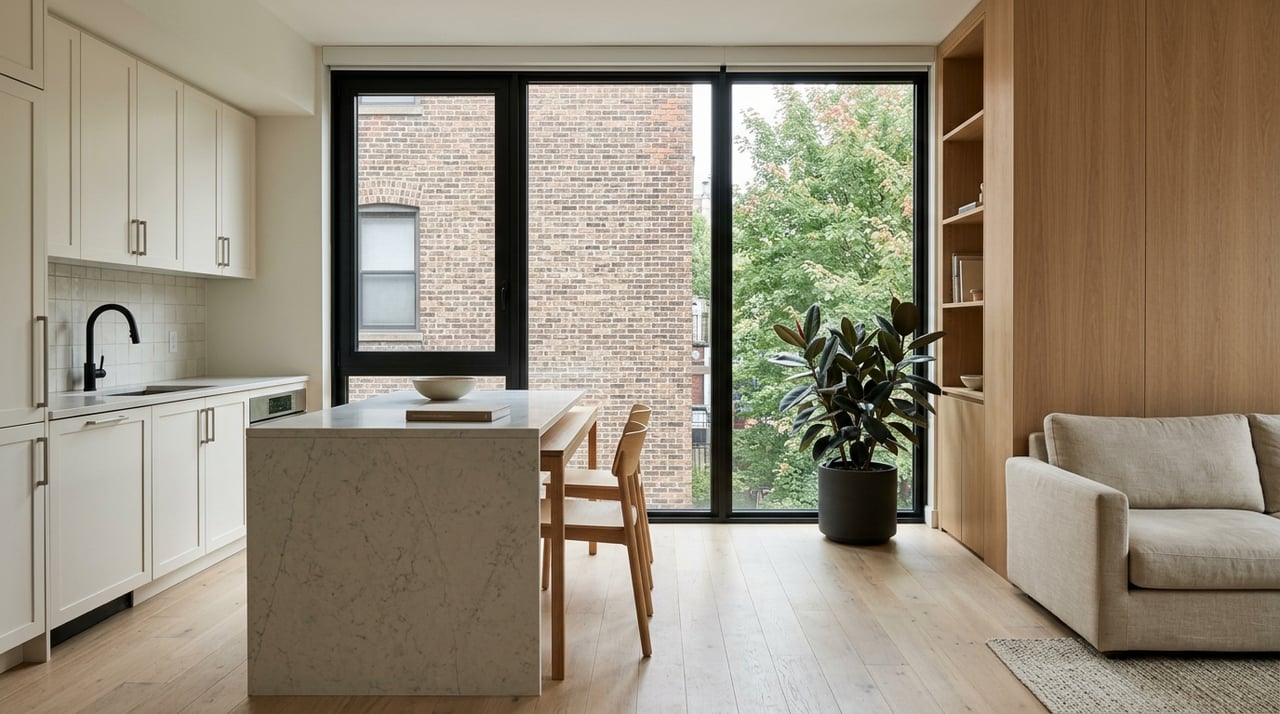
NAR’s 2025 staging findings reported that 60% of buyers’ agents said staging affected some buyers, while only 12% said it had no effect. For an older home, staging can help buyers understand scale, function, and the balance between period character and modern livability.
The goal is not to erase the home’s age or personality. It is to make the rooms feel clear, usable, and welcoming so buyers can imagine themselves there.
A few principles tend to matter most:
- Define the purpose of each room clearly
- Keep furniture scaled to show circulation and proportion
- Let architectural details stay visible
- Use clean, natural light whenever possible
- Present outdoor areas as usable living space
Build a Listing Around Daily Life
Relocating buyers do not know what locals take for granted. Your marketing should bridge that gap by showing how a home supports everyday routines.
That can mean describing a morning walk by the harbor, access to paved waterfront paths, time spent near Town Brook, or the convenience of nearby restaurants and shops in the downtown core. Plymouth planning documents specifically connect downtown livability with stronger pedestrian links among the waterfront, retail areas, and historic sites, so this is not fluff. It is a fact-based way to communicate value.
The more specific and grounded the story is, the more useful it becomes. Buyers moving from another city or state are often trying to answer a practical question: What would my life feel like here on a normal Tuesday?
What Sellers Should Prepare Before Listing
If you want to appeal to relocating buyers, preparation matters as much as presentation. Before your home goes live, it helps to have a clear package of information ready.
Focus on the points a distant buyer is most likely to ask about:
- Historic district status and whether exterior changes may require review
- A simple explanation of any updates already completed
- Professional photography that shows both detail and flow
- Video, virtual tour, and floorplan assets
- A location-focused summary of nearby waterfront, trail, and downtown access
This kind of preparation makes your listing easier to understand and easier to trust. That trust is often what moves a relocating buyer from browsing to booking a showing.
Why Local Expertise Matters
Marketing a historic downtown Plymouth home to relocating buyers is not just about exposure. It is about translating the property and the location in a way that feels accurate, clear, and compelling.
You need to present the home’s character honestly, explain historic district context correctly, and showcase the downtown waterfront lifestyle in a way that helps distant buyers make confident decisions. That is where local market knowledge and a polished digital strategy work best together.
If you are preparing to sell a historic home in downtown Plymouth, Lynne Morey can help you position it for today’s relocation market with thoughtful strategy, strong presentation, and local insight.
FAQs
What makes downtown Plymouth appealing to relocating homebuyers?
- Downtown Plymouth offers a mix of historic character, walkability, waterfront access, trails, restaurants, shops, and well-known public spaces that help buyers picture everyday life in the area.
What should sellers explain about Plymouth historic district rules?
- Sellers should explain that exterior changes visible from a public way in Plymouth’s local historic district are reviewed by the Historic District Commission, while a National Register listing alone does not restrict ordinary private ownership or use.
What listing media matter most for relocating buyers viewing Plymouth homes remotely?
- Professional photos, close-up detail shots, video, virtual tours, floorplans, and remote walkthroughs are especially useful because they help out-of-area buyers understand room flow, layout, and property character before traveling.
Why does staging matter when marketing a historic Plymouth home online?
- Staging helps buyers understand room size, light, function, and architectural character on screen, which is important when their first impression of the home is digital.
How can a downtown Plymouth listing describe lifestyle without overstating it?
- A strong listing can use factual, local details such as waterfront paths, harbor views, Town Brook, trail access, restaurants, shops, and pedestrian connections to help buyers imagine daily routines in the area.