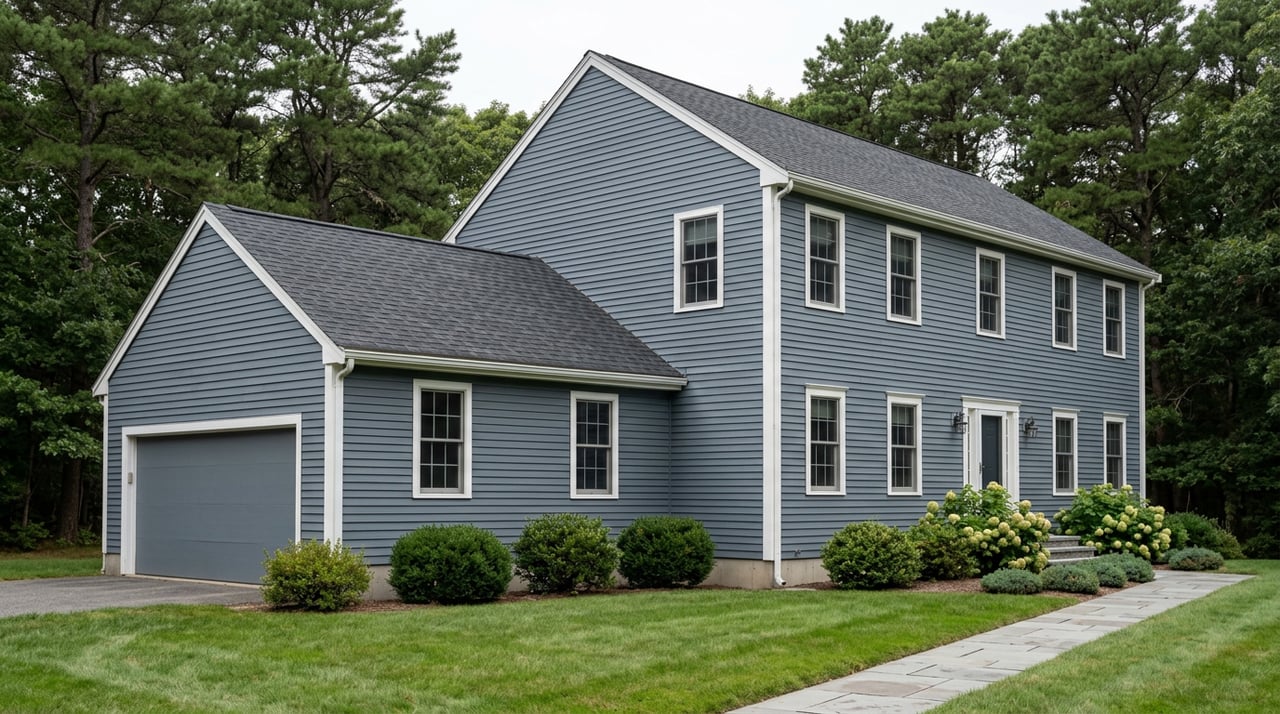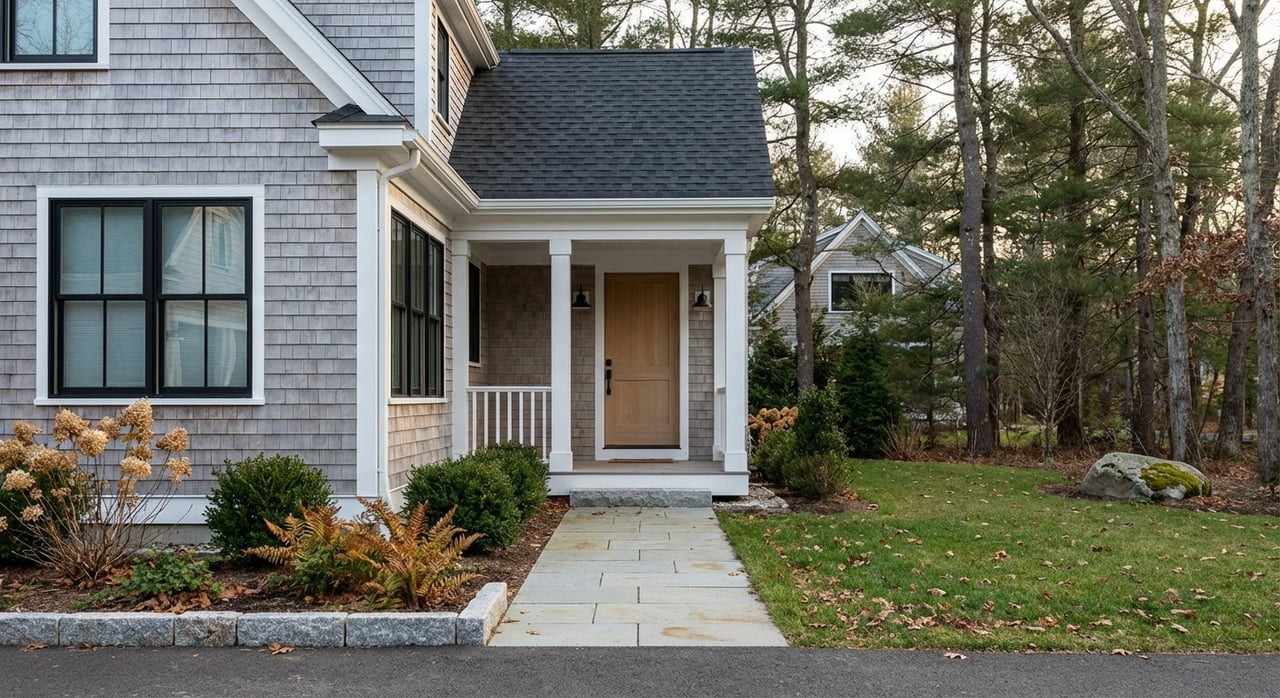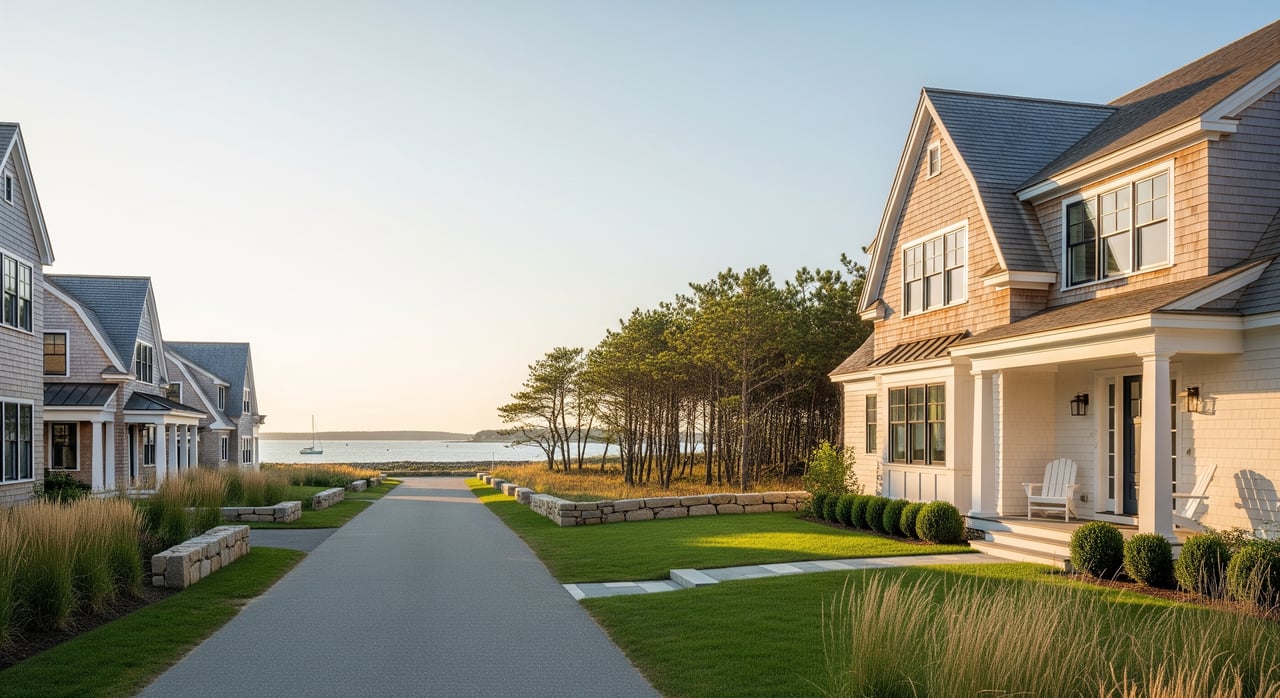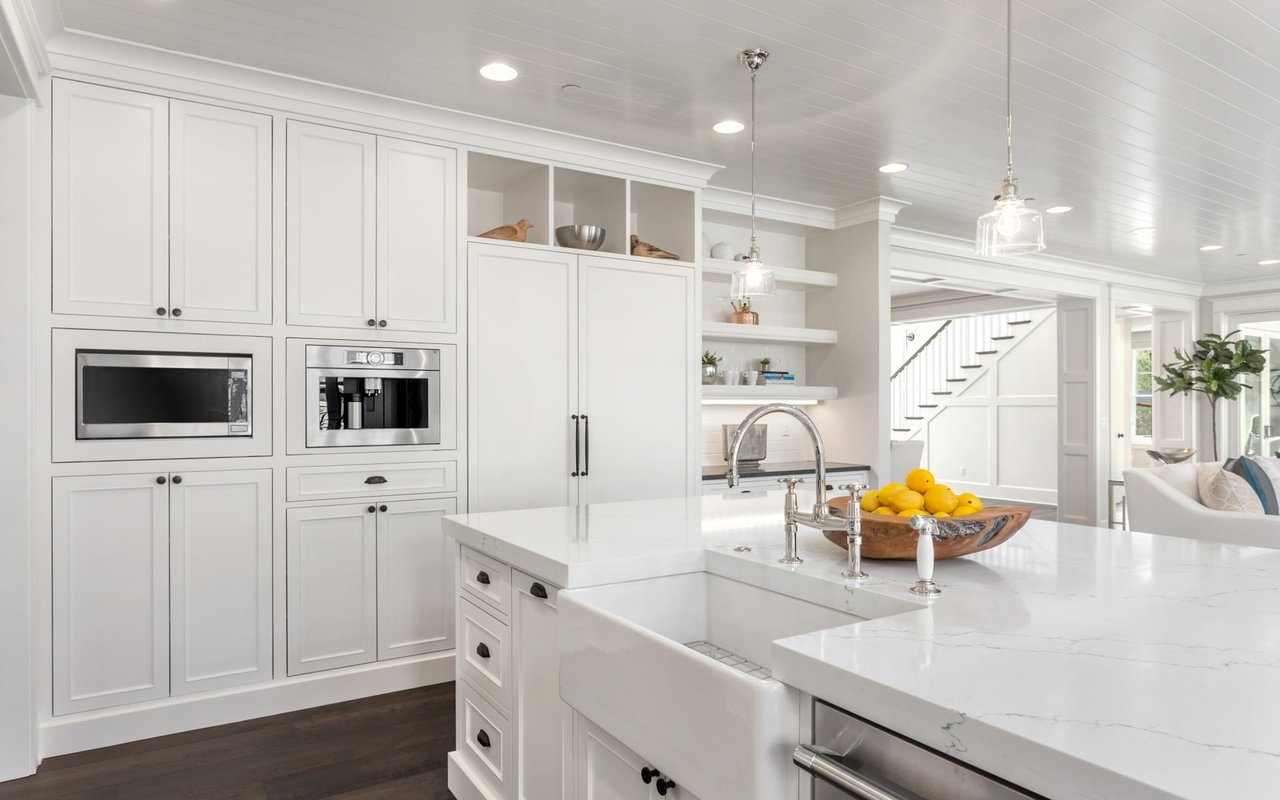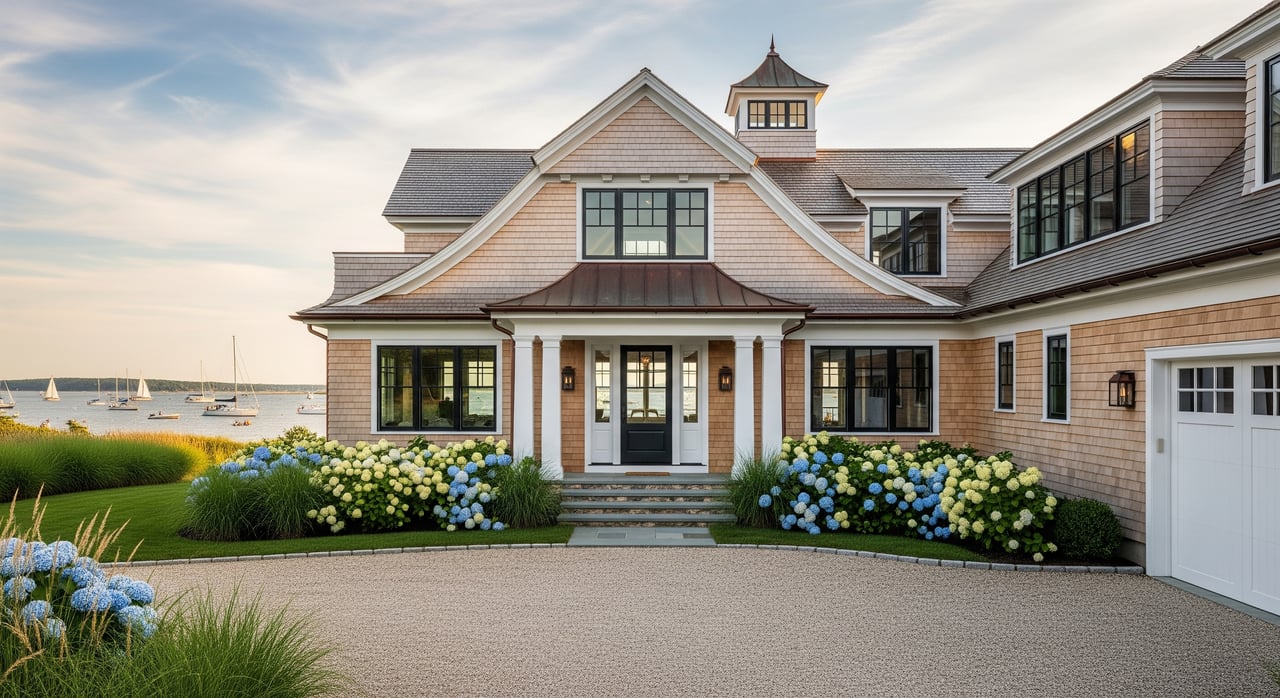
Thinking about building in West Plymouth but torn between a quicker new build and a one-of-a-kind custom home? You’re not alone. The right path depends on your timeline, budget predictability, and how involved you want to be. In this guide, you’ll learn how production, semi-custom, and true custom builds differ, what to expect for timelines and costs, how change orders and warranties work, and what is unique to building in West Plymouth. You’ll also get a builder due diligence checklist and a step-by-step view of selections and walkthroughs. Let’s dive in.
Build paths at a glance
Production homes
With a production builder, you choose from set floor plans and finish packages across multiple lots. You’ll make fewer decisions and enjoy more predictable pricing because builders buy materials in bulk and follow repeatable schedules. Delivery is often faster and the process is straightforward if you stay within the offered options.
Semi-custom homes
Semi-custom blends a standard plan with room for tweaks. You might adjust a layout, expand a room, or upgrade finishes beyond the base package. You’ll make more selections than with production, and timing can stretch if you add changes after key ordering windows. Pricing remains more predictable than a full custom build but expect a premium for plan edits and upgrades.
True custom homes
A custom build starts with a blank sheet. You work with an architect and custom builder to create a unique design tailored to your site. You gain maximum control over layout, materials, and orientation. You also take on more decisions, longer design and permit timelines, higher soft costs, and greater exposure to change orders.
Timelines in West Plymouth
Timelines vary by builder capacity, permit complexity, and site conditions common in the Plymouth area. Expect the following general ranges once you reach contract or groundbreaking:
- Production homes: 30 to 60 days if you buy an inventory home, or roughly 3 to 6 months when building on a community lot after selections and contract.
- Semi-custom homes: about 3 to 6 months for design approvals and permits, then 6 to 9 months to build. Plan on roughly 6 to 12 months from contract to keys.
- True custom homes: 2 to 6 months or more for design, engineering, studies, and permits, then 8 to 12 months or more for construction. Total time commonly runs 10 to 18 months or longer.
Local factors matter. Septic design and approvals under Massachusetts Title 5, wetlands or conservation reviews, and seasonal permitting volume can add time. Builders familiar with the Town of Plymouth process often manage inspections and scheduling, but it helps to confirm the permit path and expected lead times early.
Budget and cost drivers
Every build contains similar cost buckets. Typical ranges look like this:
- Site work: 5 to 10 percent
- Foundation: 8 to 12 percent
- Framing and exterior shell: 20 to 25 percent
- Mechanical, electrical, plumbing: 15 to 20 percent
- Interior finishes: 25 to 35 percent
- Exterior finishes and landscaping: 5 to 10 percent
- Soft costs (design, permits, surveys, engineering): 5 to 10 percent
- Contingency: 5 to 10 percent
How each path impacts your budget:
- Production: Lower unit costs per square foot thanks to repeatable designs and bulk purchasing. Fewer design soft costs. Lot premiums may apply.
- Semi-custom: A moderate premium for plan changes and upgraded finishes. Use allowances and track selections closely to control overages.
- Custom: Highest per-square-foot costs due to bespoke design and one-off subcontractor work. Add soft costs for architecture, engineering, and potentially landscape or site design.
Change orders and selections
Change orders can affect both cost and schedule, especially once custom items are in motion.
- Production: Changes are limited after contract. Most builders offer a fixed options list with set pricing. Staying within packages keeps costs predictable.
- Semi-custom: You have more flexibility, but late changes after ordering windows for cabinets, windows, or specialty items can add cost and cause delays.
- Custom: The most change-order exposure. Changes are often billed at cost plus a markup and can push timelines. Keep a contingency of at least 5 to 10 percent, more for complex builds.
Best practice: Know your selection deadlines. Confirm in writing how changes are priced, who pays for redrawing plans, expected lead times, and how schedule impacts are handled.
Warranties and post-close protection
Most builders offer a layered warranty structure. You typically see a one-year workmanship warranty for finished items, multi-year coverage for major systems, and a 10-year structural warranty for major structural elements. Many builders enroll with third-party structural warranty providers, while others self-warrant. Appliance, window, HVAC, and roofing manufacturers carry their own warranties.
In Massachusetts, consumer protection standards apply. Always request warranty documents in writing and ask who administers claims, how to submit issues, timelines for response, and any maintenance needed to keep coverage valid.
Choose the right builder
Vetting your builder upfront reduces risk and surprises later. Use this due diligence checklist.
Credentials and references
- Confirm general liability and workers’ compensation insurance; request a certificate of insurance.
- Verify any required Massachusetts contractor registration and good standing.
- Ask for local references in the Plymouth area and visit finished homes if possible.
- Discuss the builder’s current backlog and expected start date.
Contract terms to clarify
- Pricing structure: fixed price, cost plus, or a guaranteed maximum price.
- Allowances: dollar amounts for cabinets, countertops, flooring, and how overages are handled.
- Change-order process: written changes with pricing and schedule impact identified.
- Payment schedule: draw schedule, retainage, and lien waivers at each draw.
- Warranty obligations and dispute resolution steps.
Questions to ask
- What is your average timeline for homes like mine, and what is your current backlog?
- Can you share three recent references, including a homeowner and a supplier or lender?
- Will you provide an itemized scope, allowances, and a detailed schedule?
- How do you manage selections and lead times for appliances, cabinets, and windows?
- Who will be my on-site project manager, and how often will I receive updates?
- What warranties do you offer, and are structural warranties third-party insured?
- How are change orders priced and scheduled?
- Do you require a contingency fund, and how is it administered?
Red flags
- Vague or verbal-only commitments on scope, pricing, or schedule.
- Large upfront payment requests beyond standard deposits.
- No proof of insurance or refusal to provide documentation.
- Weak local references or multiple unresolved complaints.
- No clear process for permitting, inspections, or lien waivers.
Selections, inspections, and walkthroughs
Selection schedule
Builders set firm deadlines for structural choices early, often within the first few weeks after contract. Finish selections follow in defined windows for kitchens, baths, and trim. Cabinets, windows, and specialty items can have multi-week or multi-month lead times, so timely decisions help you avoid delays.
Inspections during construction
Your builder typically schedules municipal inspections at foundation, framing, rough-in stages, and final. Many buyers also hire an independent inspector at key points, such as pre-drywall and near completion. If the property uses a septic system, ensure Title 5 requirements are met and documented. Energy ratings or specialty inspections can be added if performance is a priority.
Final walkthrough and punch list
Expect your final walk within a week or two of substantial completion. The builder will create a punch list of items to correct, typically completed within 30 to 60 days. Contracts often include a final retainage until punch items are finished. Confirm that your certificate of occupancy is issued before or at closing, as required.
Post-move documentation
Collect all warranty paperwork, manuals, and any as-built drawings. Calendar required maintenance, such as HVAC service, to keep warranties valid. Document punch-list items and submit warranty issues in writing per your contract.
West Plymouth site and permits
Site conditions drive time and cost. In the Plymouth area, pay close attention to:
- Septic versus sewer: Many areas rely on septic systems. New homes need septic design and Title 5 compliance where sewer is not available. Build time and cost can shift based on system requirements.
- Wetlands and conservation: Lots near ponds, rivers, or coastal areas may require conservation review and additional permits. This can extend timelines.
- Coastal flood zones: Flood maps and local bylaws may set elevation or design constraints on lots near the coast.
- Soil and ledge: Ledge removal and soil bearing capacity can change foundation and site costs.
- Utilities: Verify water and sewer availability. If a private well or septic is needed, include design, installation, and inspections in your budget and schedule.
- Taxes and assessments: New construction often triggers assessment changes; factor this into long-term costs.
- Financing path: Many local lenders offer construction-to-permanent loans that convert to a mortgage at completion. Expect draws, inspections, and different underwriting than a standard purchase.
Which path fits you?
- Choose a production home if you want faster delivery, fewer decisions, and the most predictable pricing.
- Choose semi-custom if you want meaningful personalization without starting from scratch and can manage a moderate timeline.
- Choose true custom if a unique design and full control are top priorities and you are comfortable with longer timelines and more variable costs.
If you want a grounded conversation about lots, builder options, and realistic timelines in West Plymouth, reach out. With deep new-construction and land experience across the Plymouth area, Lynne Morey can help you compare paths, vet builders, and navigate the process from selections to closing.
FAQs
How long does new construction take in West Plymouth?
- Production homes often finish in 30 to 60 days for inventory or 3 to 6 months for a community build; semi-custom runs about 6 to 12 months, and true custom typically spans 10 to 18 months or more.
What should I budget for change orders on a custom home?
- Plan at least a 5 to 10 percent contingency for custom builds, with higher buffers for complex designs or specialty materials.
How are semi-custom homes priced compared to production?
- Semi-custom homes carry a moderate premium over production due to plan tweaks and upgraded finishes, though some economies of scale remain.
What warranties come with a new home?
- You typically see a one-year workmanship warranty, multi-year systems coverage, and a 10-year structural warranty, plus manufacturer warranties on major components.
What site issues add time in West Plymouth?
- Septic design under Title 5, wetlands or conservation reviews, flood-zone requirements, and ledge or soil conditions can extend permitting and impact costs.
How do I vet a builder before I sign?
- Verify insurance and registration, request local references, review contract type and allowances, confirm change-order and payment processes, and watch for red flags like vague scope or large upfront payments.