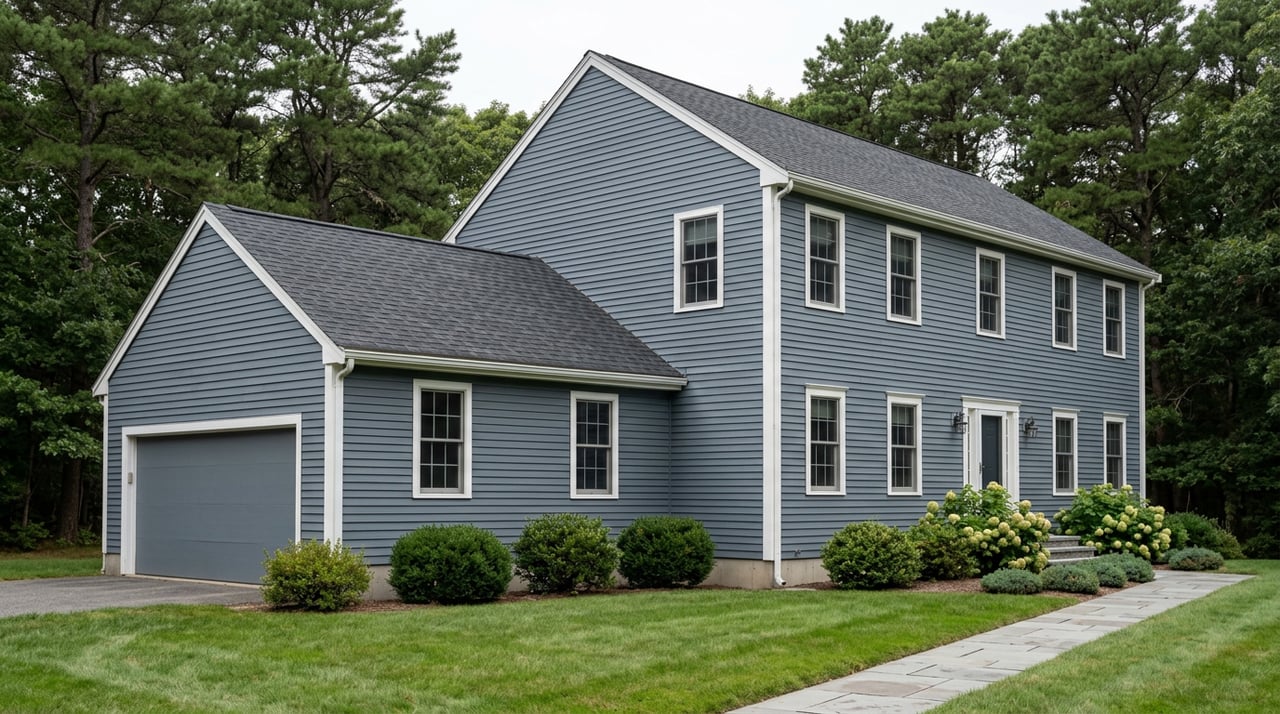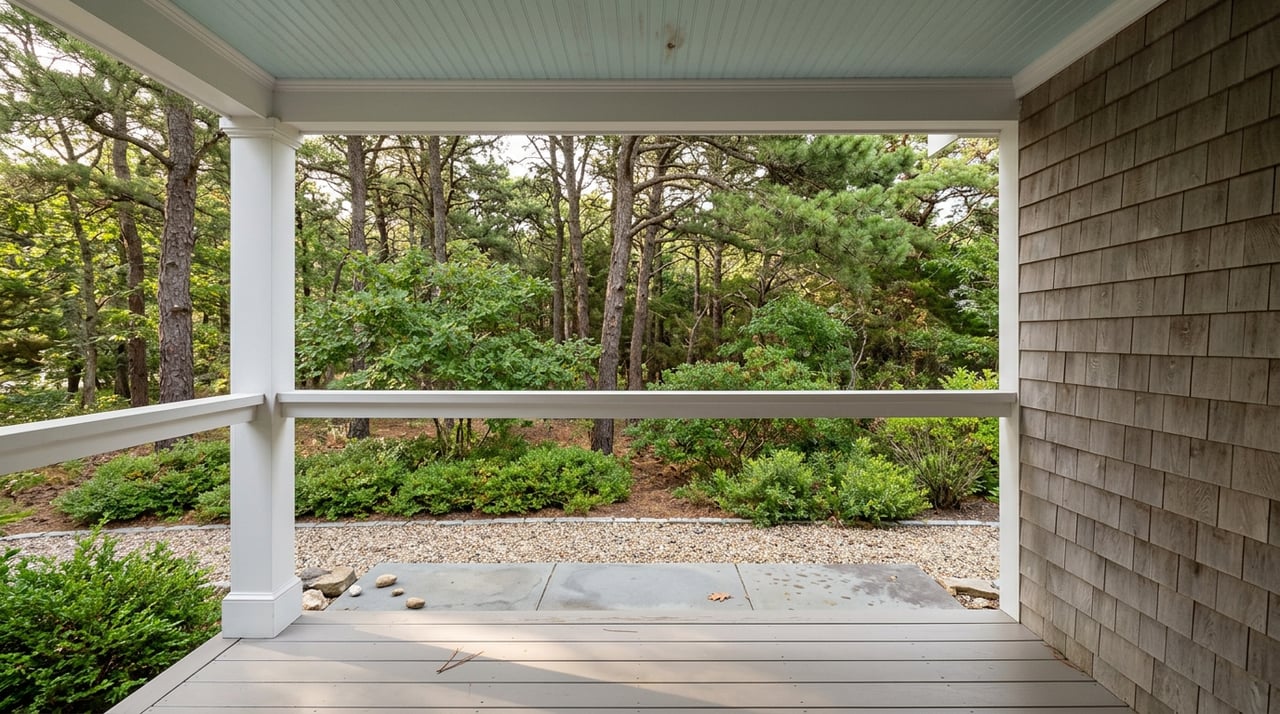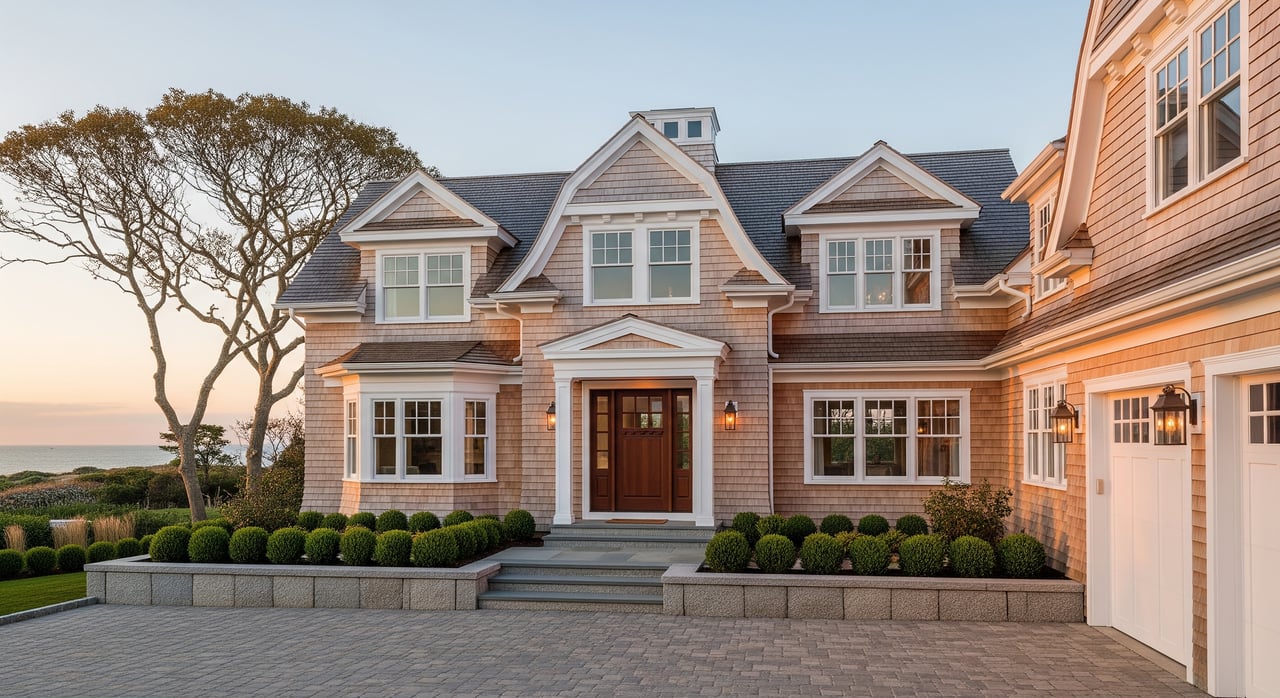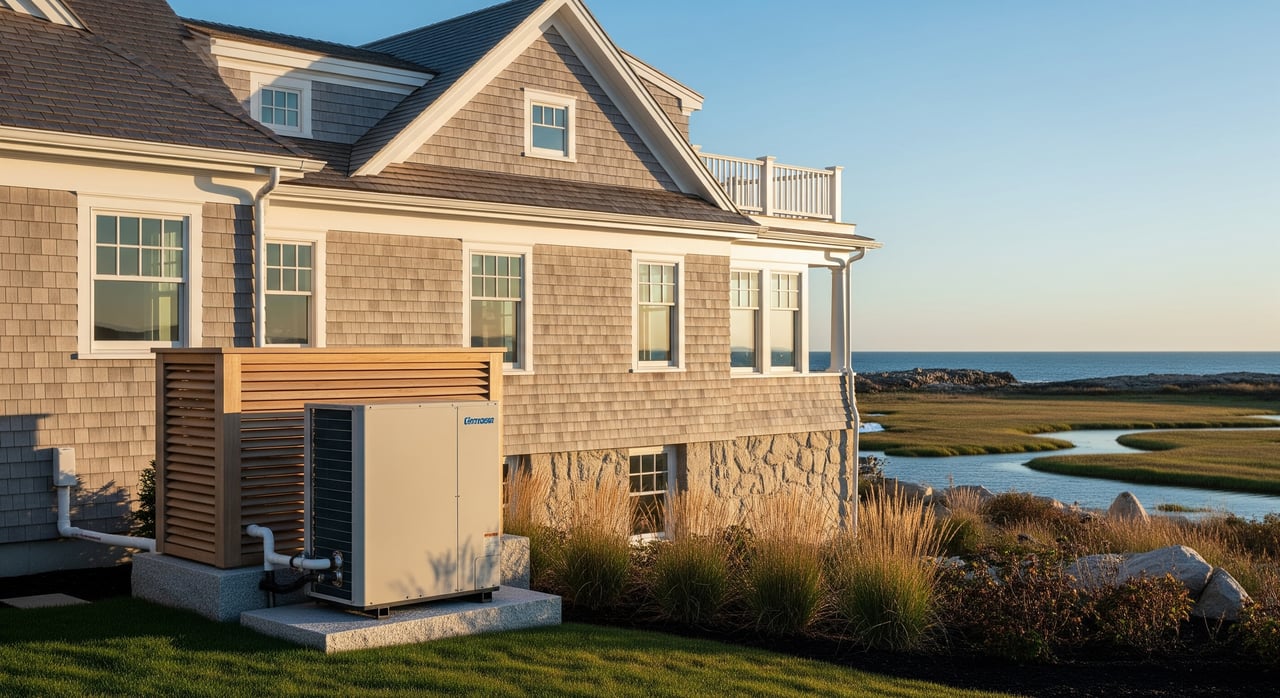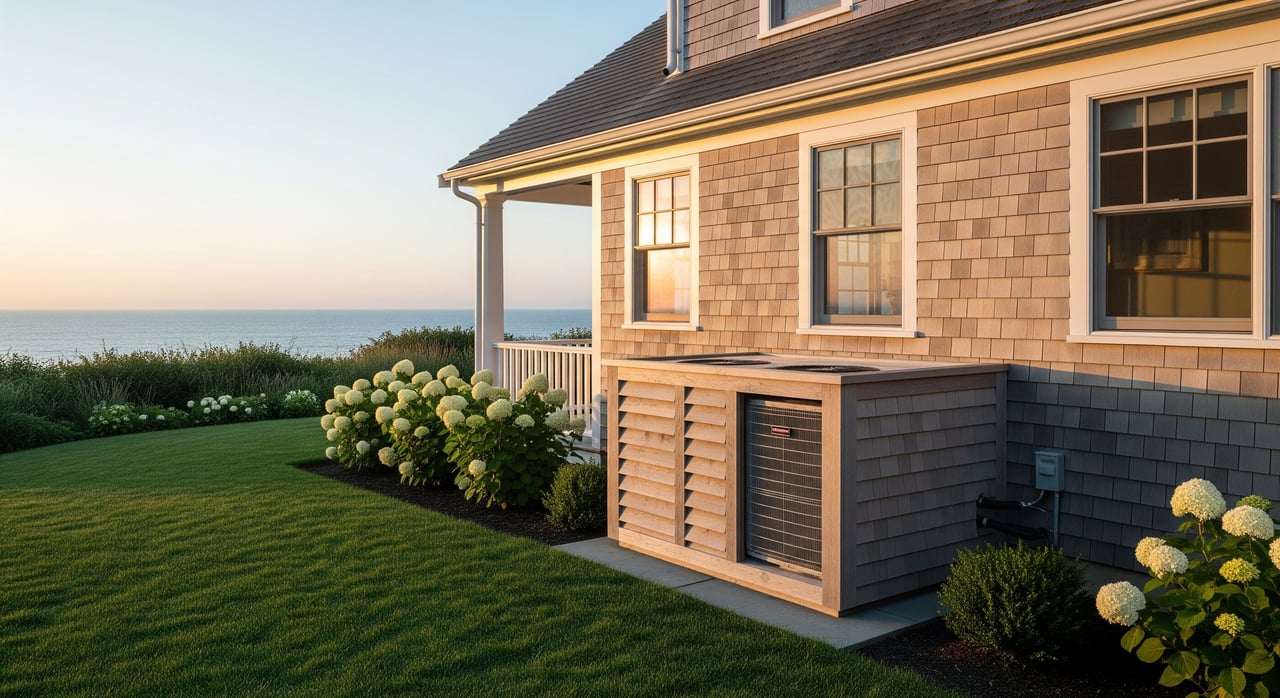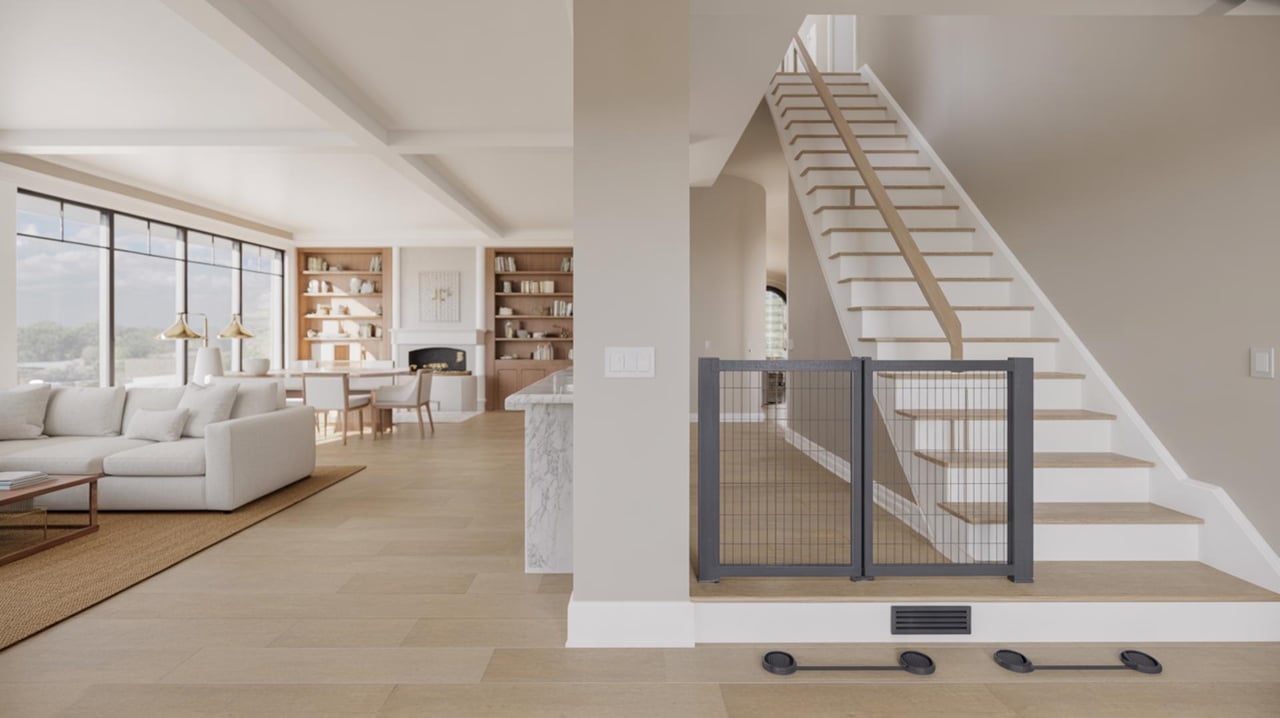
Thinking about launching a small subdivision in West Plymouth? You are not alone. The village’s woodlands, ponds, and convenient access to Plymouth amenities make it a compelling place to build and sell. The key is translating that location advantage into the right product, pricing, and presale plan so you capture solid demand without risking slow absorption.
In this guide, you will get a clear market snapshot, buyer must‑haves, site and approval considerations, and a practical sales playbook tailored to West Plymouth. You will also find checklists you can use with your team today. Let’s dive in.
Why West Plymouth works for small subdivisions
West Plymouth sits within the town of Plymouth and includes areas around Micajah Heights and Billington Sea. It blends semi‑rural privacy with quick access to shopping, dining, and Route 3. The landscape features ponds, conservation land, and proximity to Myles Standish State Forest, which adds lifestyle appeal and natural buffers that many buyers value. You can read more about the area’s geography and neighborhood makeup in this overview of West Plymouth’s setting.
Buyers here often commute by car to regional job centers. Town‑level Census data shows a mean travel time to work of about 31 minutes, which supports a buyer pool that prioritizes space, outdoor living, and home features that improve daily life. See the commuting and household context in U.S. Census QuickFacts for Plymouth.
Market snapshot: prices and pace
Recent town‑level sources place Plymouth’s median sale price in the mid six hundreds, with many reports landing around the low to mid $600Ks. Typical days on market often sit near the 30 to 60‑day range, with some months trending closer to about 40 days. While these are town medians, they provide useful anchors for West Plymouth planning.
What this means for you:
- Accurate positioning and clean messaging matter. A small subdivision that clearly shows its value against town‑level comps tends to move faster.
- Selling velocity will track how you differentiate lots and finishes against other move‑in‑ready options in the same price band.
- Pull MLS comps for your immediate area and build a lot‑by‑lot pricing rationale before you go live.
Site constraints and approvals you must plan for
West Plymouth’s natural assets also bring site and permitting considerations that affect yield, cost, and timelines.
- Septic and wells: Much of Plymouth relies on individual wells and septic. Plan early for soil testing, system design, and Title 5 compliance. The Town of Plymouth applies Massachusetts Title 5 requirements, along with local Board of Health rules. Review the town’s bylaws and links to state guidance on the Town of Plymouth regulations portal.
- Wetlands and conservation: Ponds, streams, and woodlands create buffers and potential permitting steps. Budget for wetland delineations and potential filing timelines.
- Subdivision law and Planning Board process: Massachusetts Subdivision Control Law governs plan types, standards, and bonds. Understand the ANR versus definitive plan paths, peer review, and construction standards. Start with the M.G.L. c.41 Subdivision Control Law, then confirm local submittal requirements with the Plymouth Planning Board.
Practical takeaway: Build your budget and schedule with these soft costs in mind. Early engagement with a civil engineer and the Board of Health lowers risk and protects your release timeline.
What West Plymouth buyers want now
National research on suburban new‑construction buyers aligns well with what sells in West Plymouth. The National Association of Home Builders reports strong demand for well‑appointed homes that maximize quality over sheer size, with consistent interest in laundry rooms, outdoor living, Energy Star windows and appliances, kitchen storage, and flexible work spaces. See the latest buyer preference trends in NAHB’s 2024 report and recent notes on home size shifts.
Features to standardize
Focus your standard specs on the rooms and finishes buyers notice most. For this price tier in Plymouth, you position well when you include:
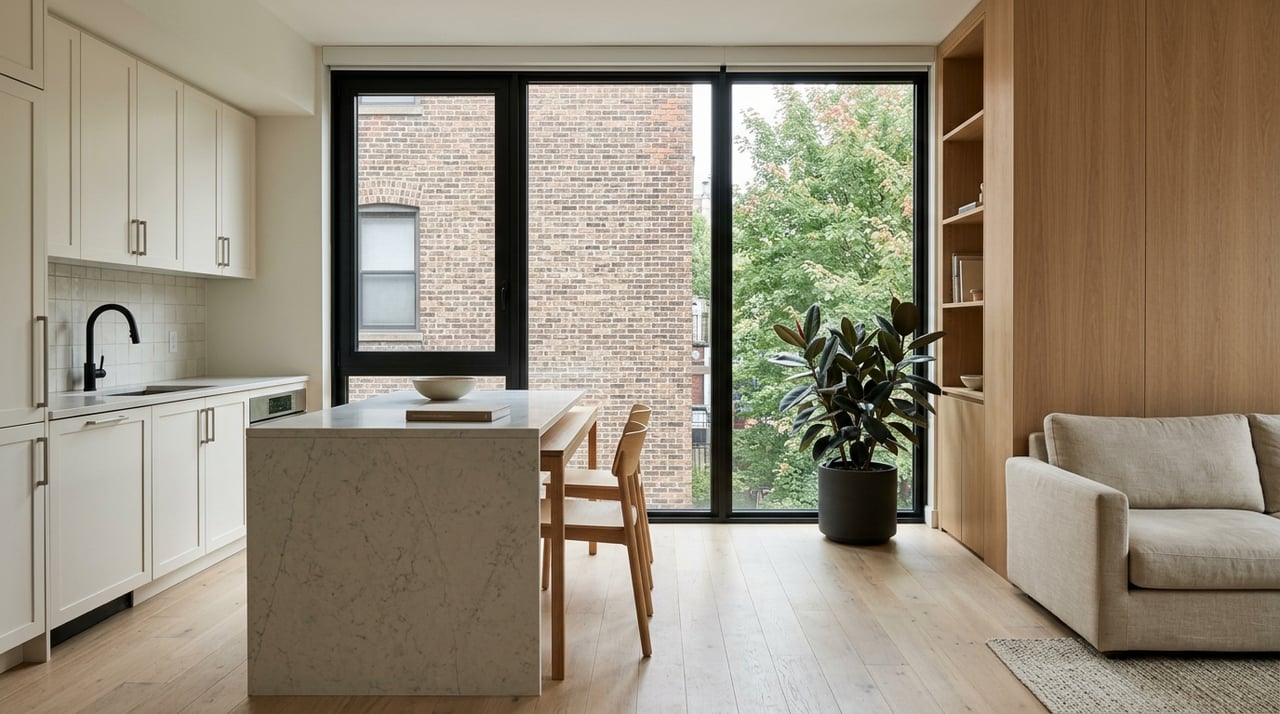
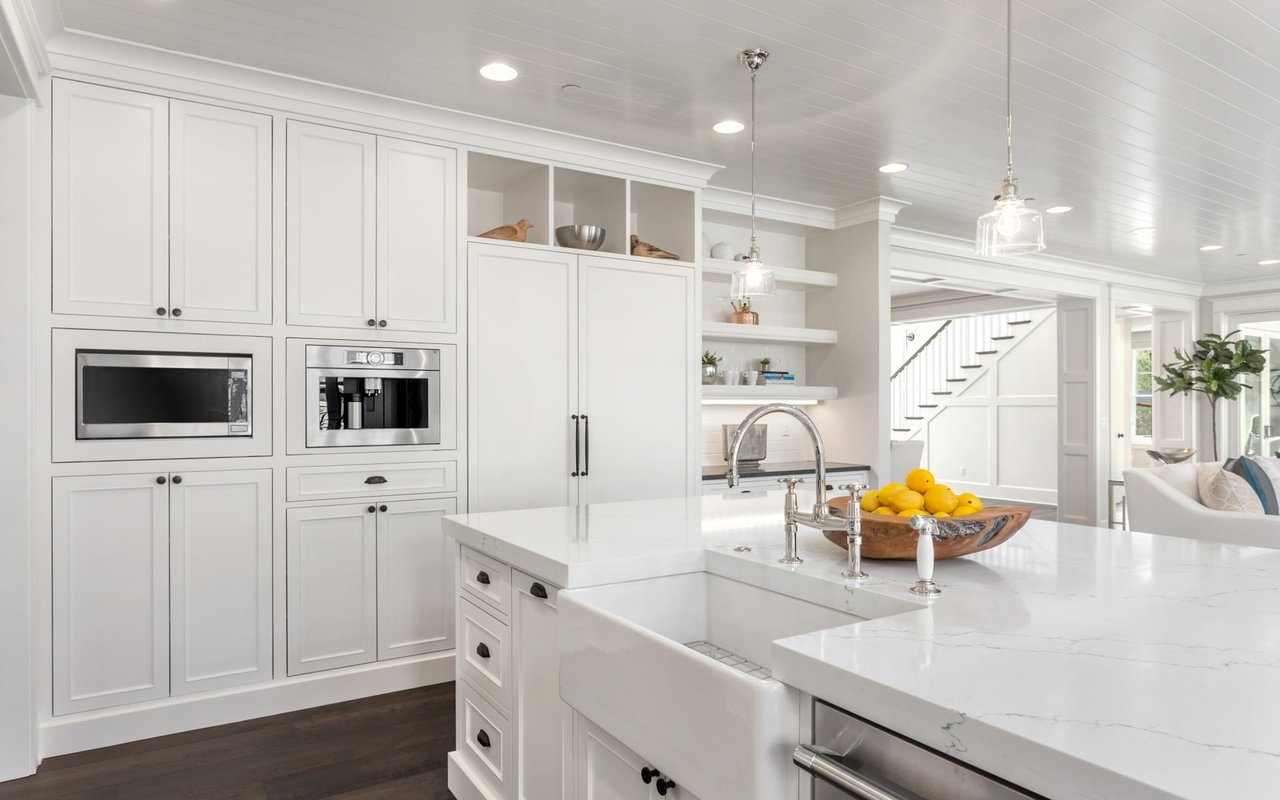
- A kitchen that feels premium: painted or two‑tone cabinetry, quartz or engineered stone, a stainless appliance package, and a walk‑in pantry.
- Energy efficiency as a given: Energy Star windows and appliances, and an efficient HVAC package.
- Main‑level flooring and baths that feel upscale: hardwood or engineered wood in living areas, tile showers, and quality bath fixtures in the primary suite.
- Everyday function: a dedicated laundry room and at least one flexible space that works as a home office.
- Outdoor living: a usable deck or patio to extend living space and highlight wooded or pond‑adjacent settings.
Options to package
Keep your options menu small and high impact so buyers can choose quickly and your trades can execute cleanly:
- A curated kitchen upgrade package with appliances and lighting.
- A finished basement or flex media room where feasible.
- A covered outdoor space package for three‑season enjoyment.
This approach aligns with buyer tradeoffs NAHB has observed, where purchasers will accept slightly smaller footprints for higher impact finishes and lifestyle features.
Pricing and absorption: position your lots
Small subdivisions move best when every lot’s pricing ties to visible, documented advantages. Start with town medians as a baseline, then justify your premiums using a consistent framework.
How to tier your price bands
Create three tiers for each plan type: entry, core, and premium. For each lot, rate it across six axes and adjust price relative to the core tier:
- Lot size and terrain.
- Orientation and views.
- Distance to amenities and major roads.
- School assignment within the town map.
- Driveway and parking layout.
- Build‑up and civil costs like septic complexity, rock, or tree clearing.
Make the rationale visible in your marketing packet so buyers see why premiums exist.
Signals to watch
- Town‑level days on market and months’ supply: aim to match or modestly beat the local new‑home pace.
- Lead quality and model traffic: if traffic is strong but conversions lag, refine price or the included‑features story.
- Nearby move‑in‑ready listings: adjust for any sudden spikes in close‑in competition.
Presale tactics that work
In an active but not hyper‑heated market, presale momentum often comes from a clear product story paired with limited, time‑bound incentives. Many builders across the country are blending modest incentives and rate support to help buyers move forward, which NAHB has noted in its ongoing affordability coverage. See NAHB’s update on affordability and buyer interest in personalized homes.
Effective levers include:
- First‑release pricing: reserve a fixed, limited number of lots at launch‑only pricing with a clear end date.
- Simplified upgrade packages: trade speed for margin using 2 to 3 high‑impact bundles.
- Lender partnership support: targeted rate buydowns for early buyers, paired with strong pre‑approval standards.
Set caps on total incentive spend and review outcomes after each tranche so you protect margin while maintaining velocity.
Sample phased‑release plan
Below is a structural example. Replace placeholders with your actual dates, lot identifiers, and ranges once you finalize comps and costs.
| Release | Lots Included | Target Window | Price Positioning | Incentive Rules |
|---|---|---|---|---|
| Tranche 1 | Lots A–C | Month 1–2 | Entry to core range | Limited first‑release pricing, capped rate support |
| Tranche 2 | Lots D–F | Month 3–4 | Core tier | Upgrade package choice, no additional concessions |
| Tranche 3 | Lots G–I | Month 5–6 | Core to premium | Case‑by‑case incentives only, budget cap enforced |
Keep the quantity per release in line with recent monthly sales rates for similar new builds nearby. Adjust timing if absorption outpaces or lags target.
Marketing and sales assets checklist
Deliver the following before you go live. These items are proven to improve presale momentum:
- Local market positioning memo and a top‑10 MLS comp grid with notes on lot and finish differences.
- Defined buyer personas and outreach map based on commute times and lifestyle pulls, informed by Census travel time data.
- A staged lot‑release plan with dates, lot counts, pricing rationale, and incentive budget caps.
- A digital lead funnel: a clean landing page, a virtual model or high‑fidelity render set, targeted ads, and retargeting. Track lead to tour to reservation conversion in your CRM.
- Polished sales materials: curated finishes board, transparent lot comparison sheets, and consistent on‑site signage.
- A clear buyer pathway: lender pre‑approval required, deposit schedule, contract timeline, cancellation terms, and standard forms ready.
How to choose your listing agent
If you are a Ready Mover developer, ask prospective listing agents to provide written, project‑specific answers to the items below. Compare responses apples to apples.
- Recent presale track record in Plymouth or adjacent towns, with sell‑through and days‑to‑reservation outcomes.
- A one‑page comps matrix for similar subdivisions and the pricing logic they recommend.
- A sample release plan with tranche sizes and dates.
- A paid media plan with projected leads per channel and assumed conversion rates.
- CRM workflows and the KPIs they report weekly.
- Lender partners they trust for buydowns and examples of closed rate‑support deals.
- Construction coordination process for showings, updates, and milestone walk‑throughs.
- Contract support, escrow handling, and cancellation policies.
- Fee structure, co‑op details, marketing budget expectations, and any vendor exclusivities.
- Two developer references from comparable projects in the past three years.
Agents who show a repeatable presale playbook, solid comps, and active lender relationships are best positioned to lead a small‑subdivision launch.
What to track after launch
Build a simple dashboard and review it weekly during active releases:
- Sell‑through by tranche and total absorption rate per month.
- Days to contract from marketing live to executed agreement, and days to close.
- Average incentive cost per sale and its trend over time.
- Lead to appointment to reservation conversion rates by channel.
- List‑to‑sale price ratio and price per square foot versus the most recent comps.
Use town baselines to benchmark and make measured adjustments after each release. Fine‑tune pricing or incentives based on what the data shows, not guesswork.
Practical next steps
- Confirm septic and well assumptions, Title 5 needs, and any wetlands considerations with your engineer and the Town of Plymouth. Start with the town’s bylaw and guidance hub.
- Pull a tight MLS comp set for West Plymouth and adjacent neighborhoods. Calibrate price bands by plan and by lot.
- Lock your standard specs using the buyer preferences above, then pare your options list to two or three packages.
- Draft your phased‑release plan and incentive caps, then align your media calendar to those dates.
- Select a listing partner who can deliver presale velocity, on‑site execution, and weekly reporting.
If you are weighing a West Plymouth subdivision or preparing a presale launch, you do not have to do it alone. Partner with a local sales leader who blends on‑the‑ground neighborhood knowledge, technical fluency in land and permitting, and institutional‑grade marketing to deliver results. Connect with Lynne Morey for a thoughtful review of your plans and a clear go‑to‑market path.
FAQs
What price range should I expect for West Plymouth new homes?
- Town‑level medians sit in the mid six hundreds, but your specific price should be set from a tight MLS comp set for West Plymouth and adjusted lot by lot.
How long do presales typically take in Plymouth?
- Town data often shows 30 to 60 days on market, and your timeline will depend on pricing accuracy, finish level, and how clearly you communicate lot advantages.
Do most West Plymouth lots have sewer, or will I need septic?
- Many areas rely on individual septic and wells, so plan for Title 5 compliance and confirm site conditions early with the Town of Plymouth and your engineer.
Which features attract today’s West Plymouth buyers most?
- High‑impact kitchens, Energy Star windows and appliances, a laundry room, a flexible office space, quality primary bath finishes, and usable outdoor living.
What incentives help presales without eroding margin?
- Limited first‑release pricing, two to three curated upgrade packages, and targeted rate buydowns with strict budget caps and clear sunset dates.
What approvals and rules guide small subdivisions in Plymouth?
- Massachusetts Subdivision Control Law governs plan types and standards, and local Planning Board rules apply, so confirm process, peer review, and bonds early.