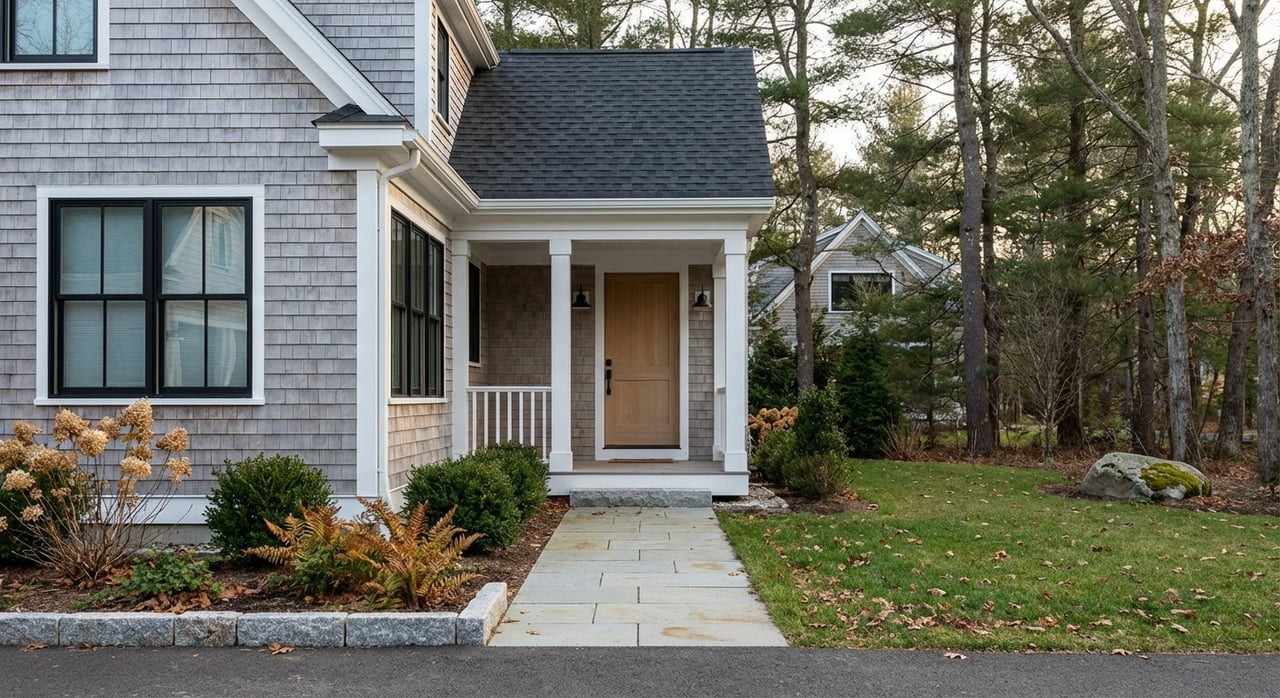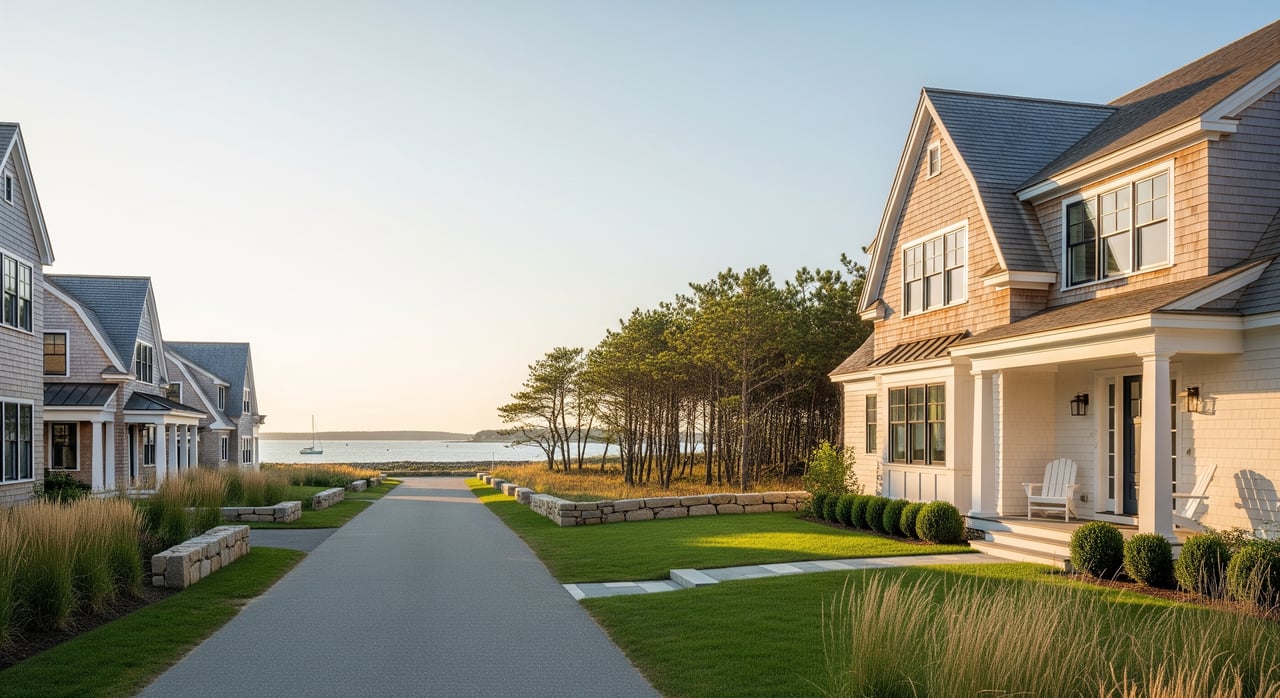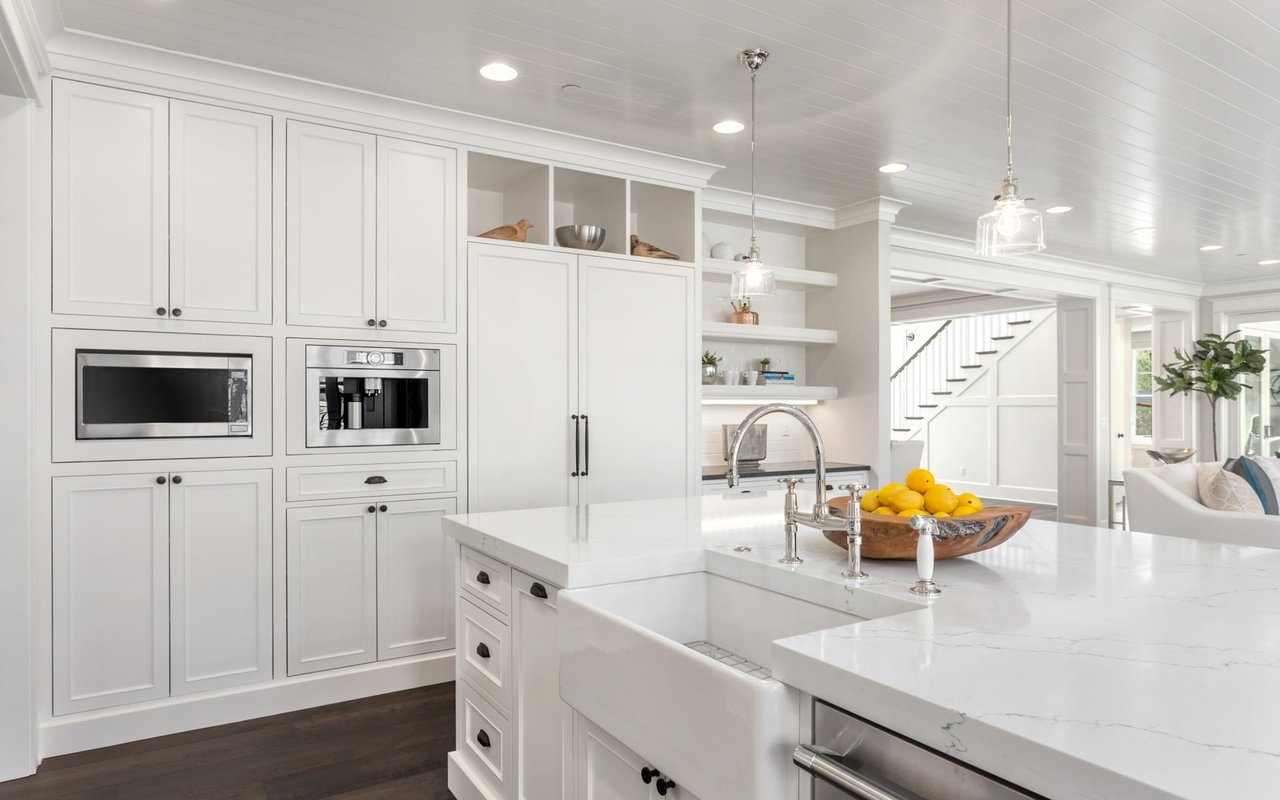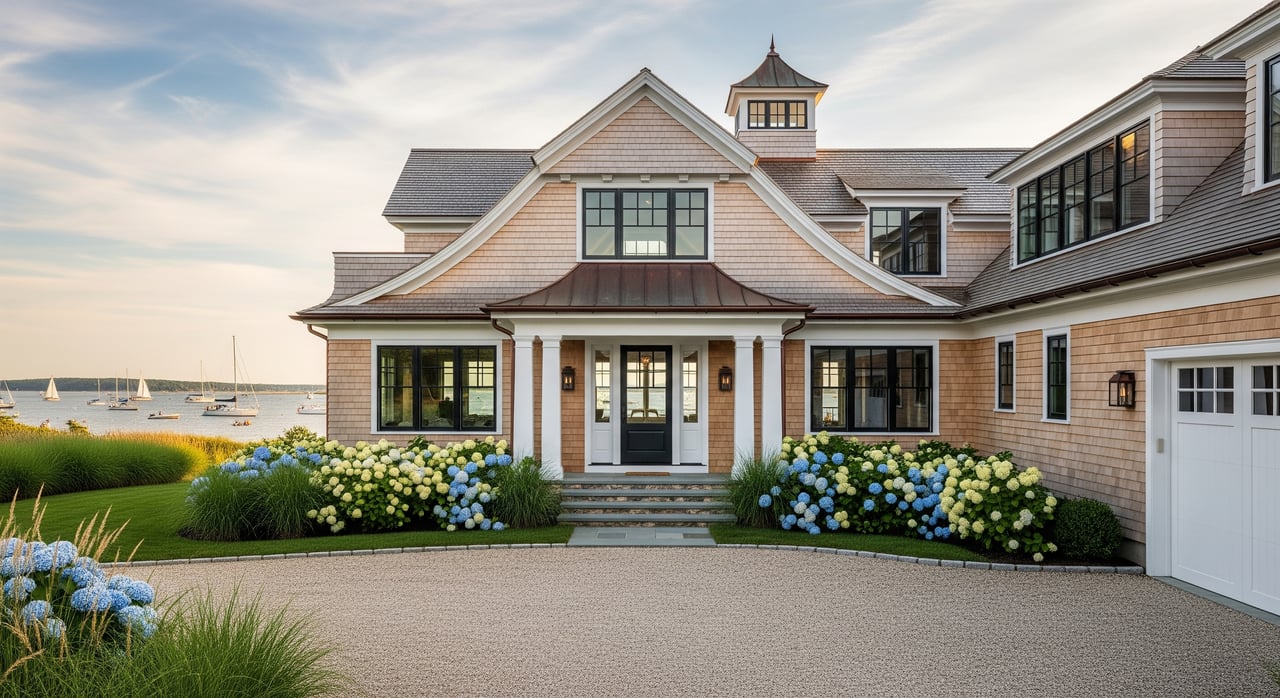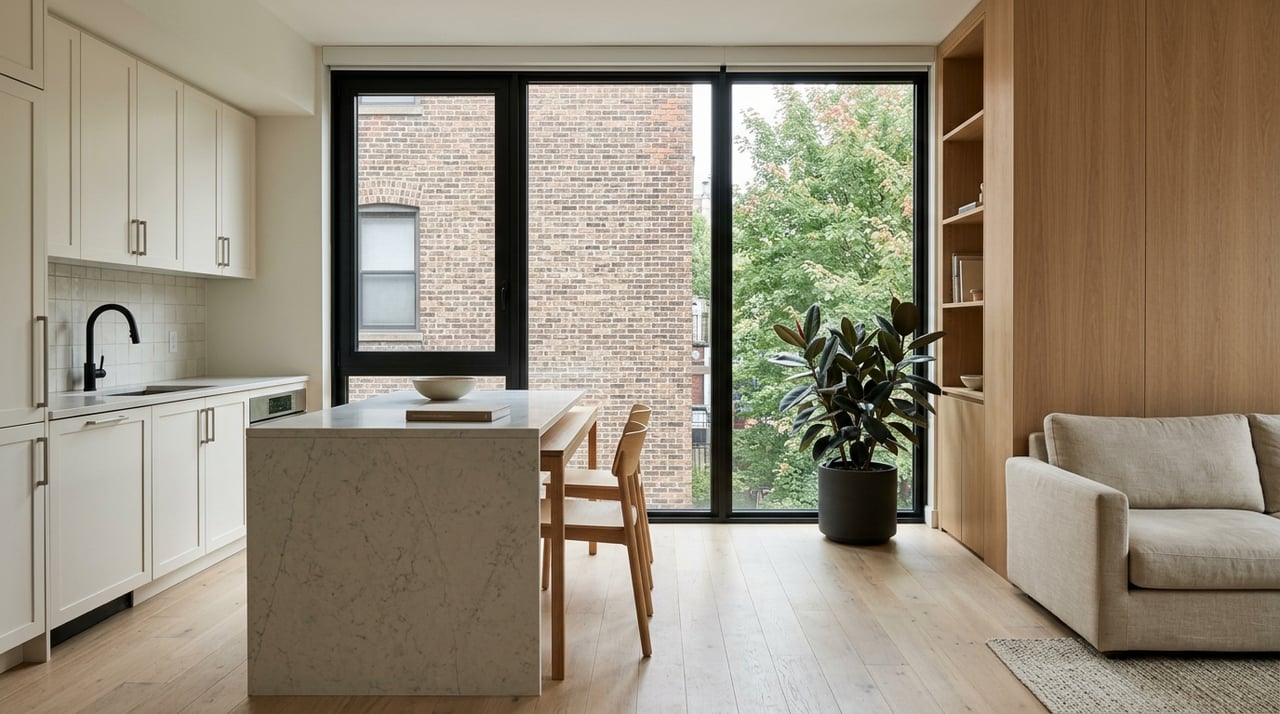
Are you wondering whether a downtown Plymouth condo would simplify your life or leave you missing the space and freedom of a detached home? It is a smart question, especially in a market where lifestyle matters just as much as price. If you are weighing convenience, walkability, maintenance, storage, and long-term fit, this guide will help you sort through the tradeoffs with a clear Plymouth-specific lens. Let’s dive in.
Downtown Plymouth Lifestyle
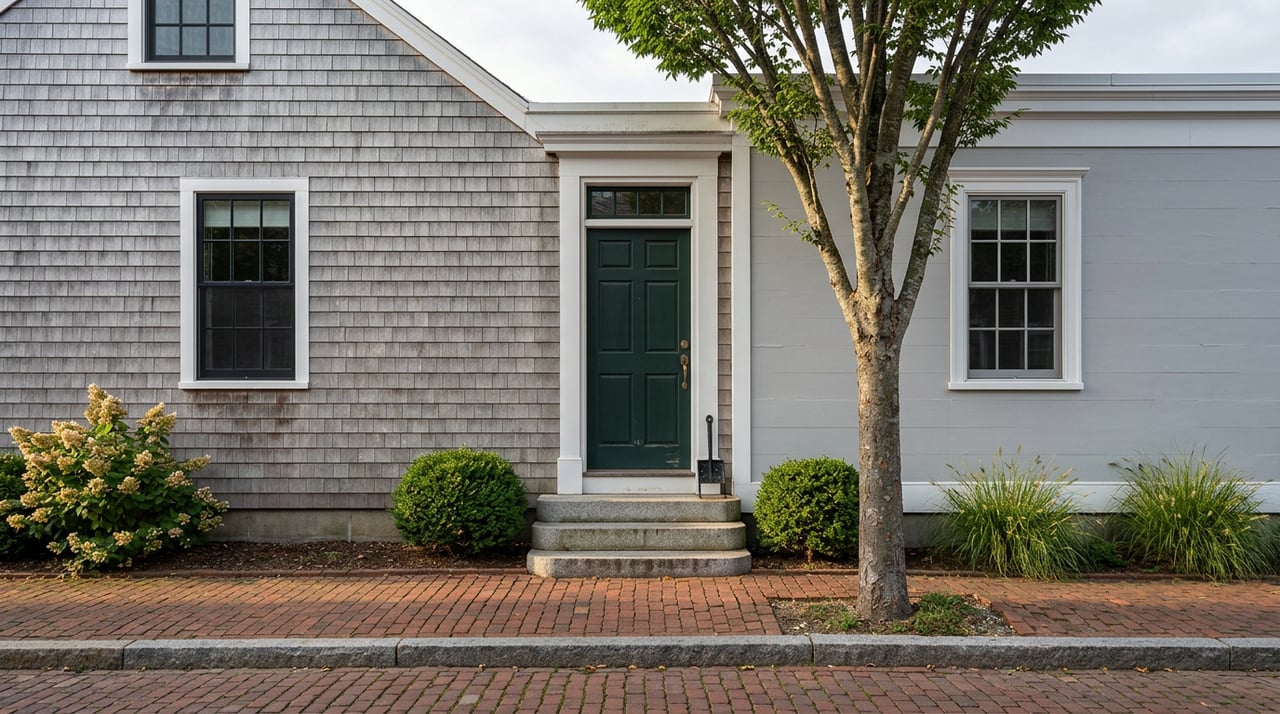
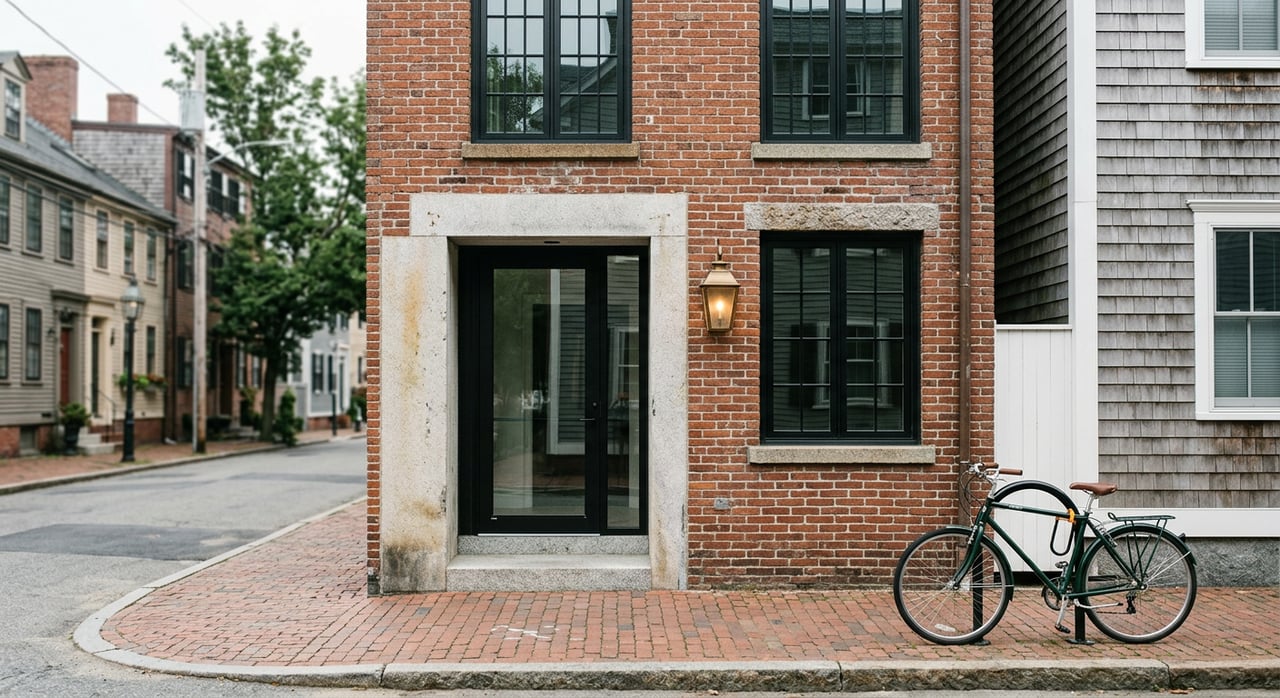
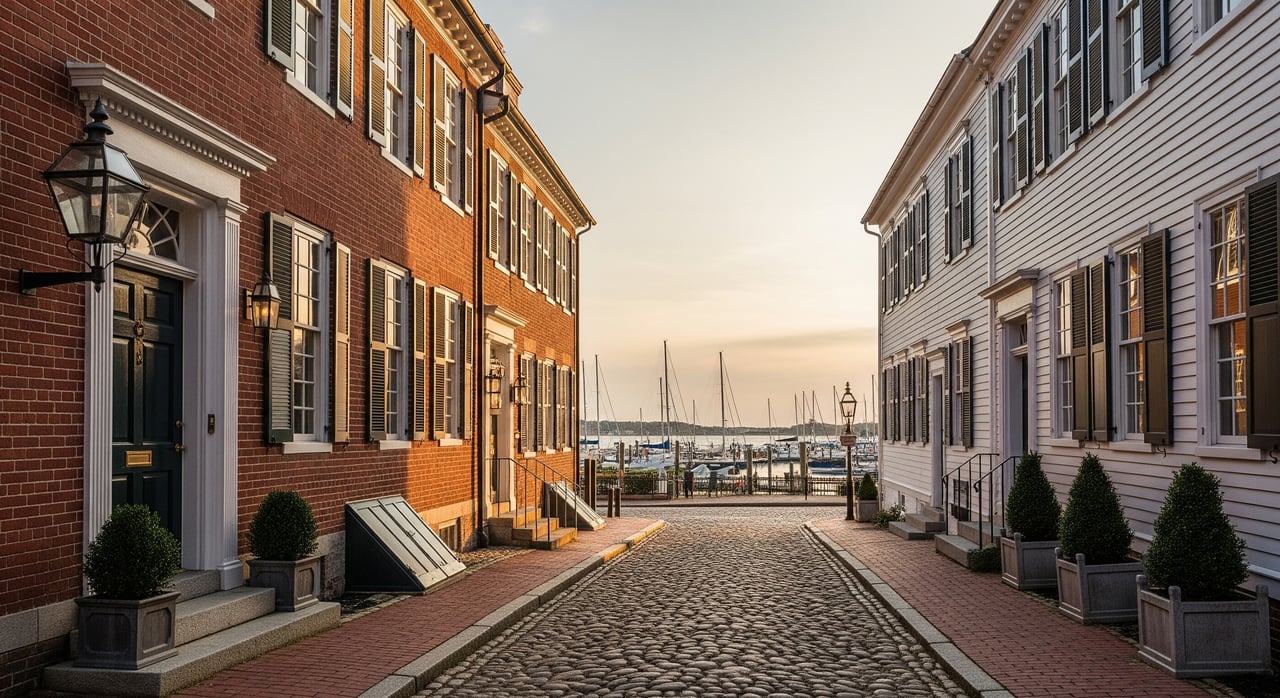
Downtown Plymouth offers a distinct mix of historic character, waterfront energy, and everyday convenience. Town planning materials describe the area as a connected district where pedestrian routes link parks, historic sites, shops, and restaurants. Brewster Gardens also helps connect the waterfront to the downtown business district, which adds to the area’s walk-to-daily-life appeal.
That said, downtown Plymouth is not a dense city center in the Boston sense. Walkability can vary a lot by block, and transit options are limited. A condo on or near Water Street may feel much more walkable than a property just a little farther out, so your exact address matters.
Parking is also part of the downtown equation. Plymouth actively manages traffic flow, pedestrian safety, and parking in the district, and Park Plymouth oversees on-street, off-street, and structured parking that supports the area. There is also Ride Circuit, a free on-demand electric ride service operating throughout the downtown and waterfront historic district, which can be a nice bonus if you want flexibility without always driving.
What Condo Ownership Means
A condo is not just a smaller home. In Massachusetts, condo ownership comes with private ownership of your unit plus shared responsibility for common areas under the master deed, by-laws, and state condo law under Chapter 183A. That structure can make life easier in some ways, but it also means you are buying into a community with rules and shared costs.
For many buyers, the biggest benefit is lower exterior maintenance. You may spend less time thinking about landscaping, roof issues, or snow removal than you would with a detached home. If you want a lock-and-leave lifestyle, that can be a major advantage.
The tradeoff is less control over some decisions. Condo associations can set rules for common-area use, collect common expenses, impose late charges, and in some cases levy fines for violations. They also need to maintain reserves and may assess owners for approved common-area improvements, which is why monthly dues and reserve health deserve close review.
Historic District Rules Matter
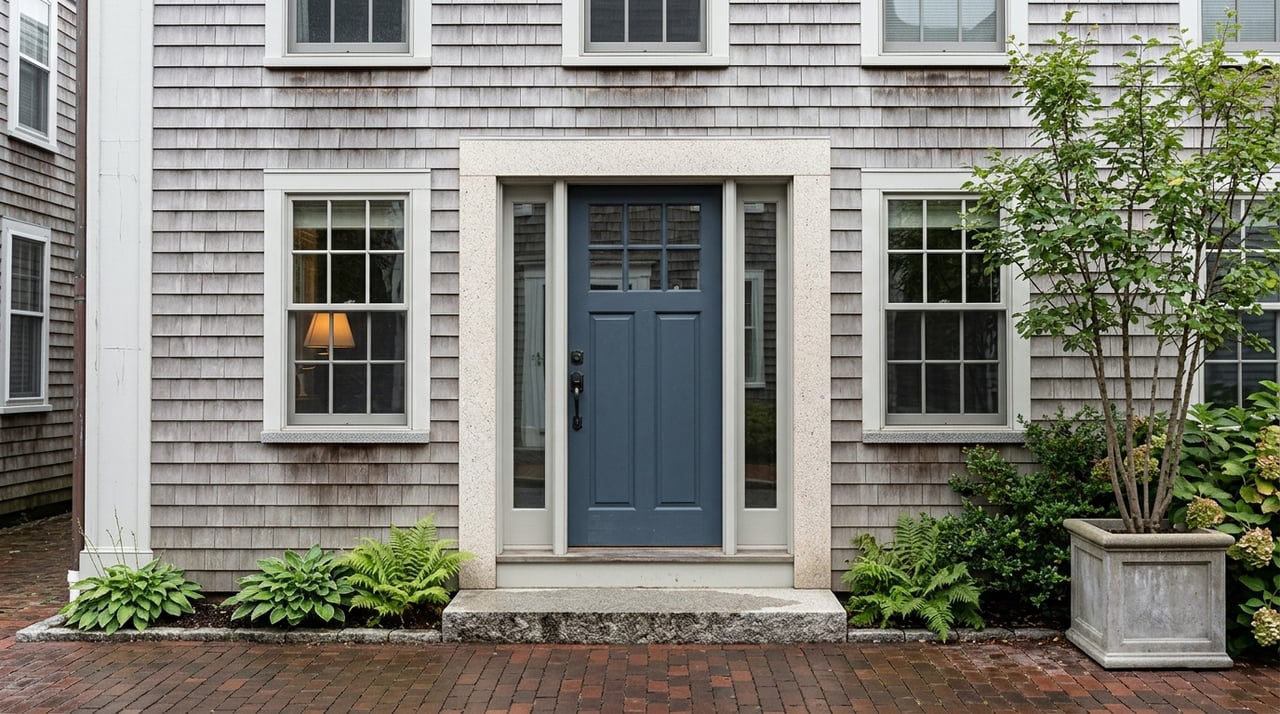
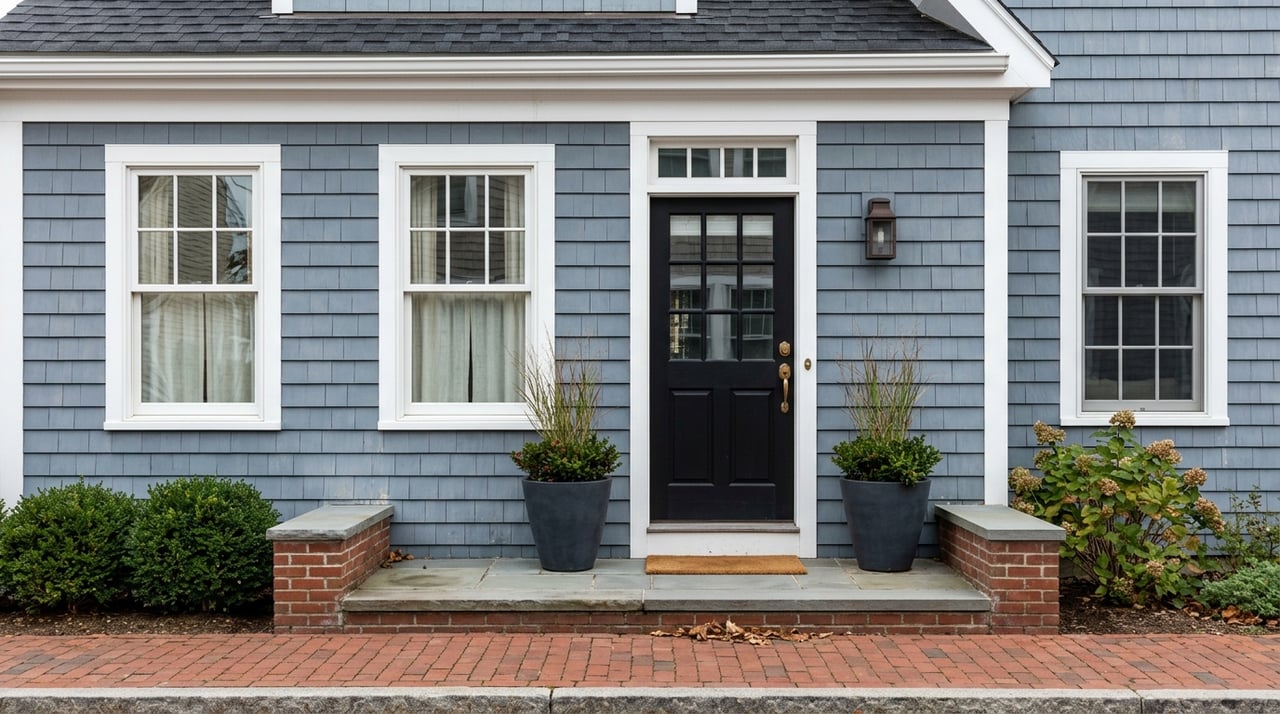
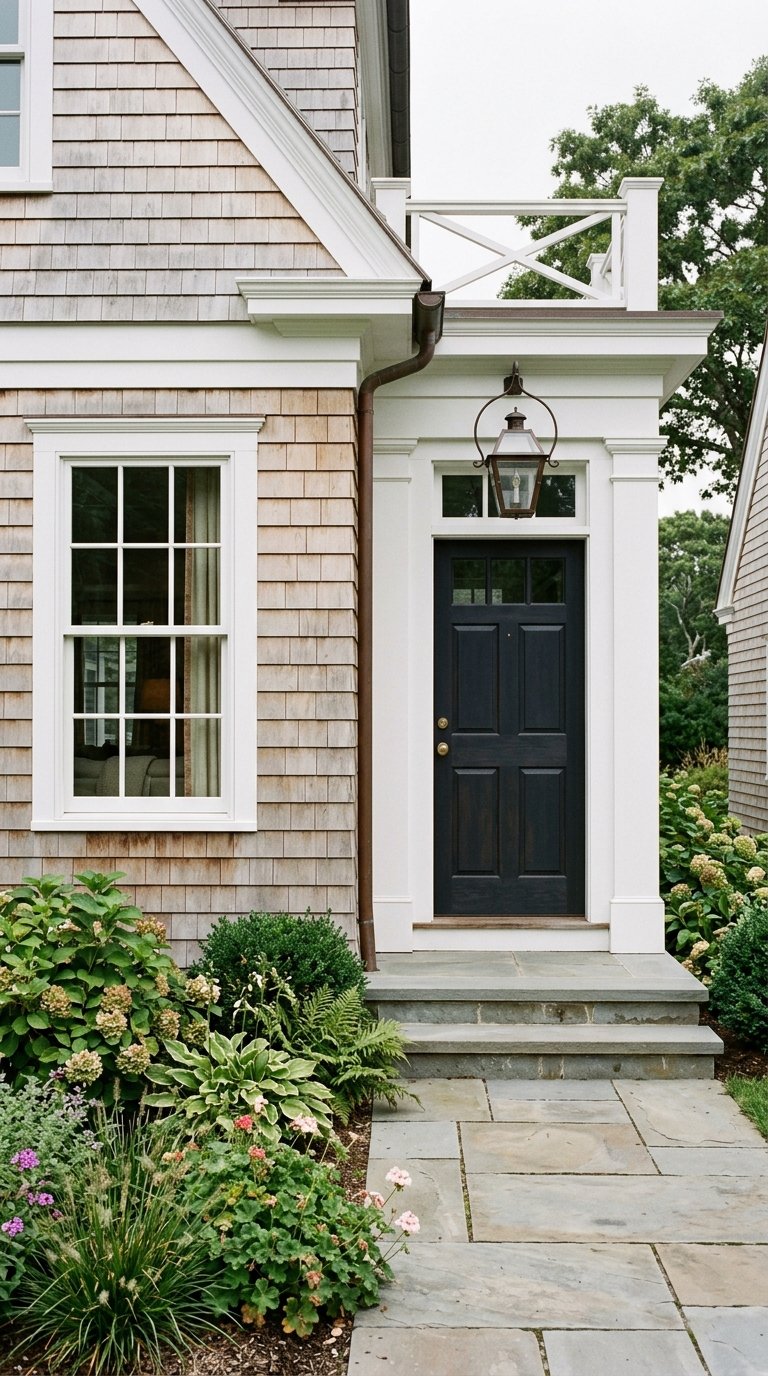
If you are considering an older downtown building, historic district rules may affect what changes are allowed. Plymouth’s Historic District is designed to preserve visible exterior character, and exterior changes seen from a public way may require Historic District Commission review before work begins. That can apply to windows, doors, lighting, paint colors, signage, and other exterior elements.
This does not automatically make condo ownership harder. It just means you should understand what level of flexibility you actually have before you buy. If exterior customization is important to you, this deserves extra attention during due diligence.
Downtown Condo vs Detached Home
The real question is rarely just, “Can I afford a condo?” More often, it is, “Which ownership style fits the way I want to live?” In Plymouth, that distinction is especially important because downtown condos and detached homes often serve very different day-to-day priorities.
As of March 2026, Plymouth condos had a median list price of $575,000, with 49 condos on the market and a typical 32 days on market. By comparison, Plymouth Center homes had a median sale price of $608,500, and the broader Plymouth city median sale price was $743,000. That tells you condos may offer a different entry point into the market, but they are still competitive and moving.
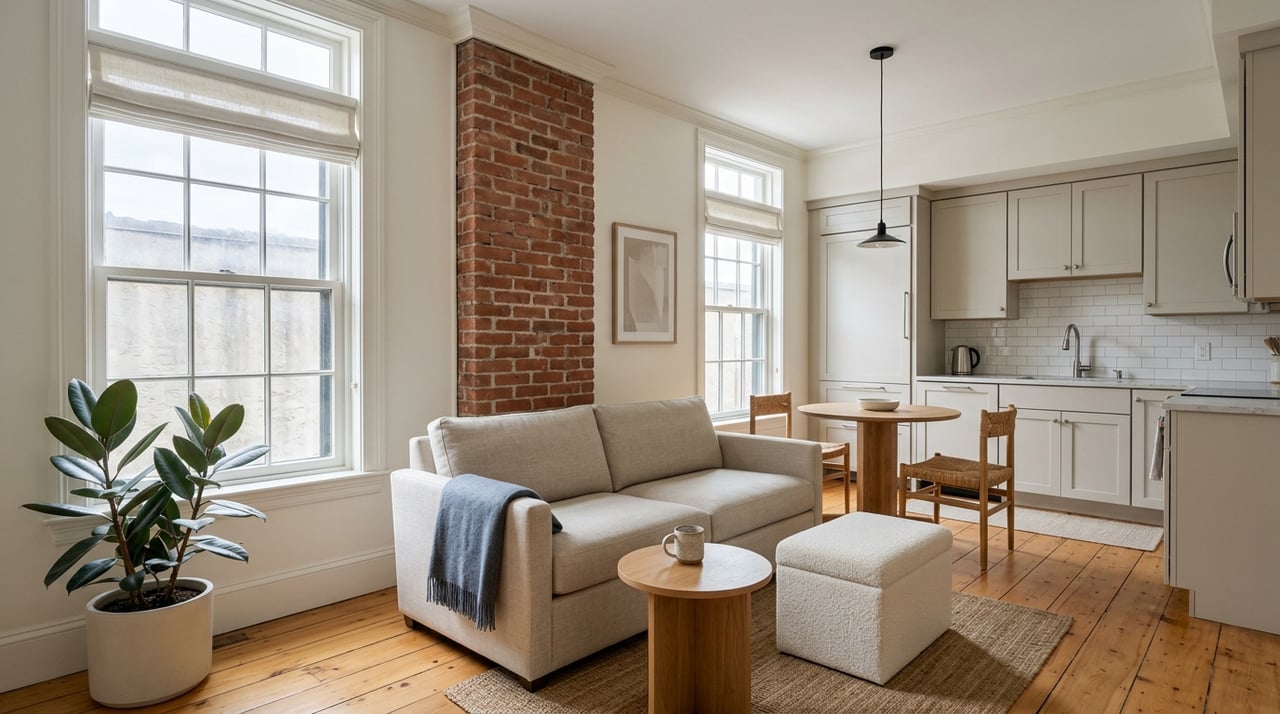
Space is another major factor. Active condo inventory in Plymouth Center includes units in the roughly 400- to 800-square-foot range, along with larger two-bedroom homes over 1,000 square feet and some around 1,600 square feet. So the decision often comes down to how much room, storage, and private outdoor space you truly need.
Quick Comparison
| Feature | Downtown Plymouth Condo | Detached South Shore Home |
|---|---|---|
| Maintenance | Lower exterior-maintenance burden | More owner responsibility |
| Walk-to-amenities | Often stronger, depending on block | Usually more limited |
| Outdoor space | Typically shared or limited | Usually more private |
| Storage | Often less | Usually more |
| Rules | Shared by-laws and association rules | Fewer shared restrictions |
| Parking | Can be more limited or managed | Often more private and predictable |
Who a Downtown Condo Fits Best
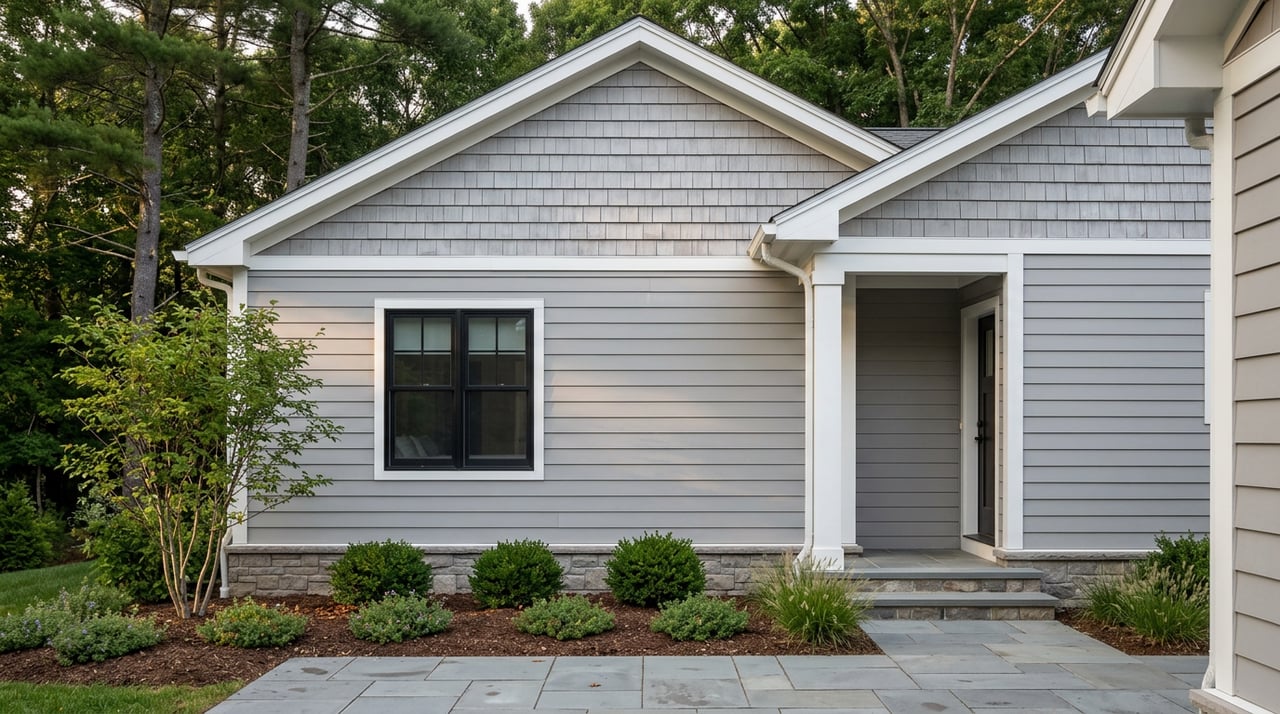
A downtown Plymouth condo is often a strong fit if you want a home that supports convenience and lower upkeep. If your ideal weekend includes walking to the waterfront, dining nearby, or enjoying the historic center without worrying much about exterior maintenance, a condo may align well with your goals. It can also work well if you are downsizing and want to stay close to activity without taking on the full demands of a house.
This type of property may also appeal to buyers who do not need a large footprint. If you are comfortable with less storage, little or no yard, and shared ownership rules, the lifestyle trade can make sense. For some buyers, being able to lock the door and go is worth far more than having extra square footage.
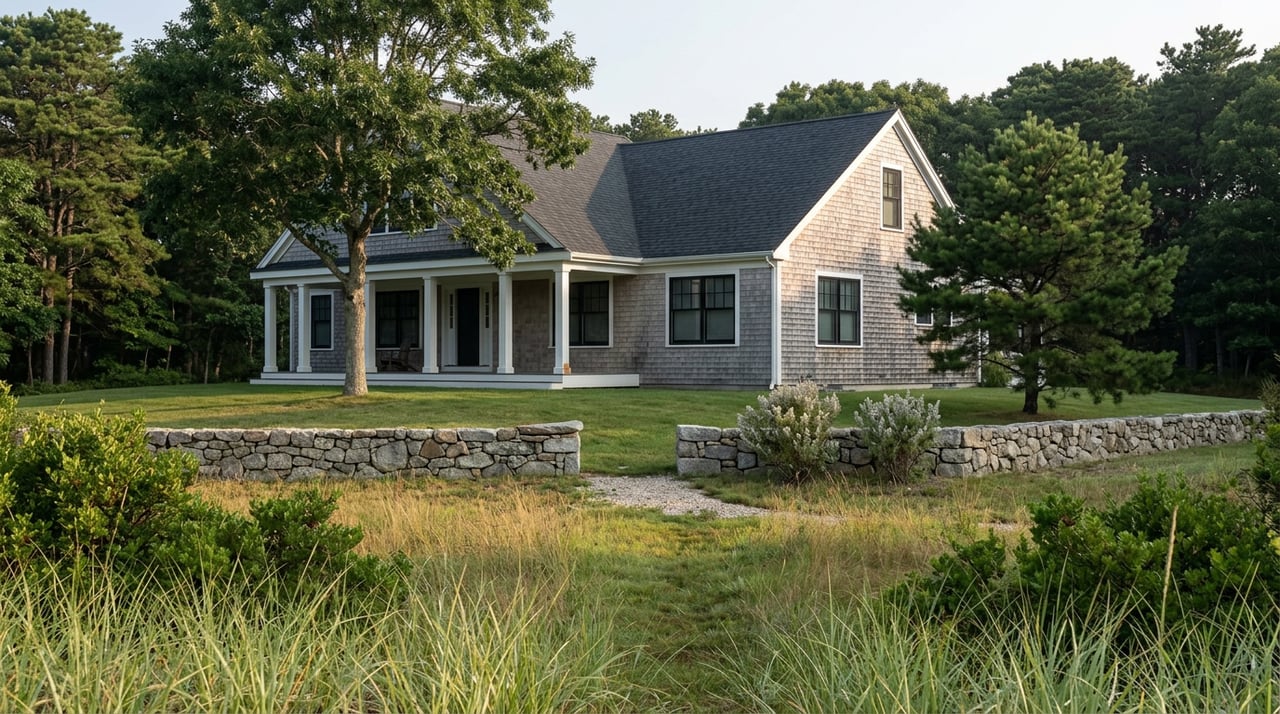
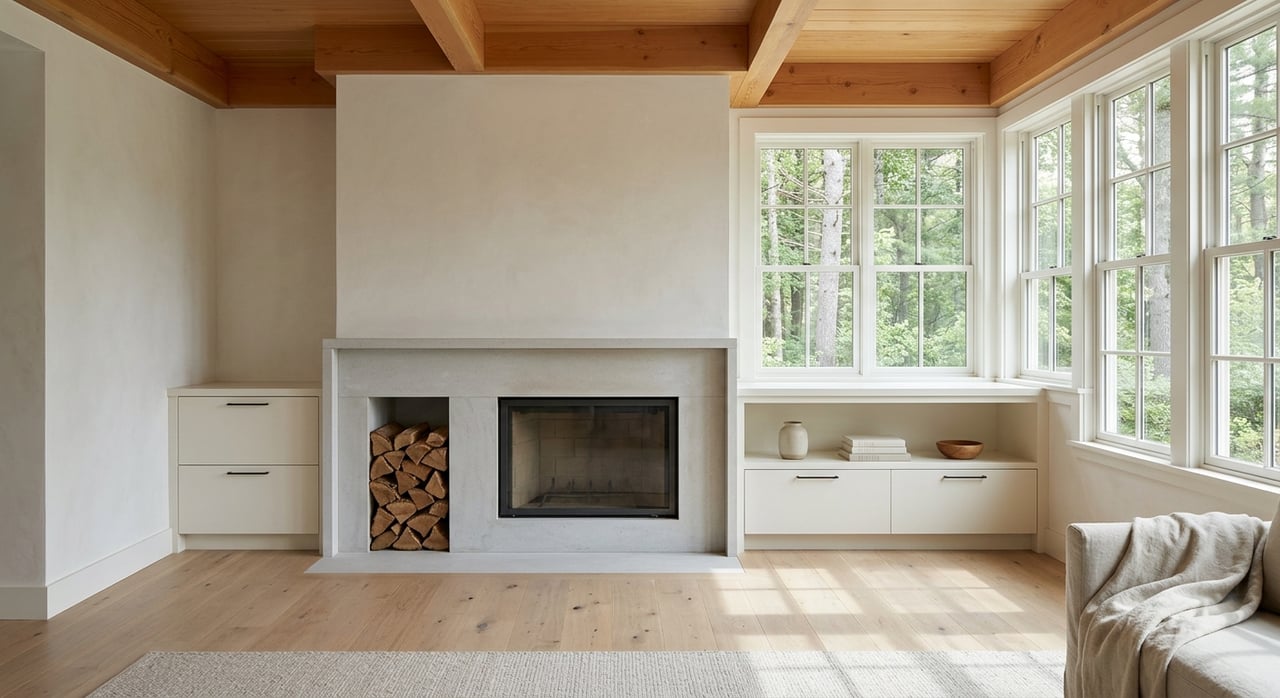
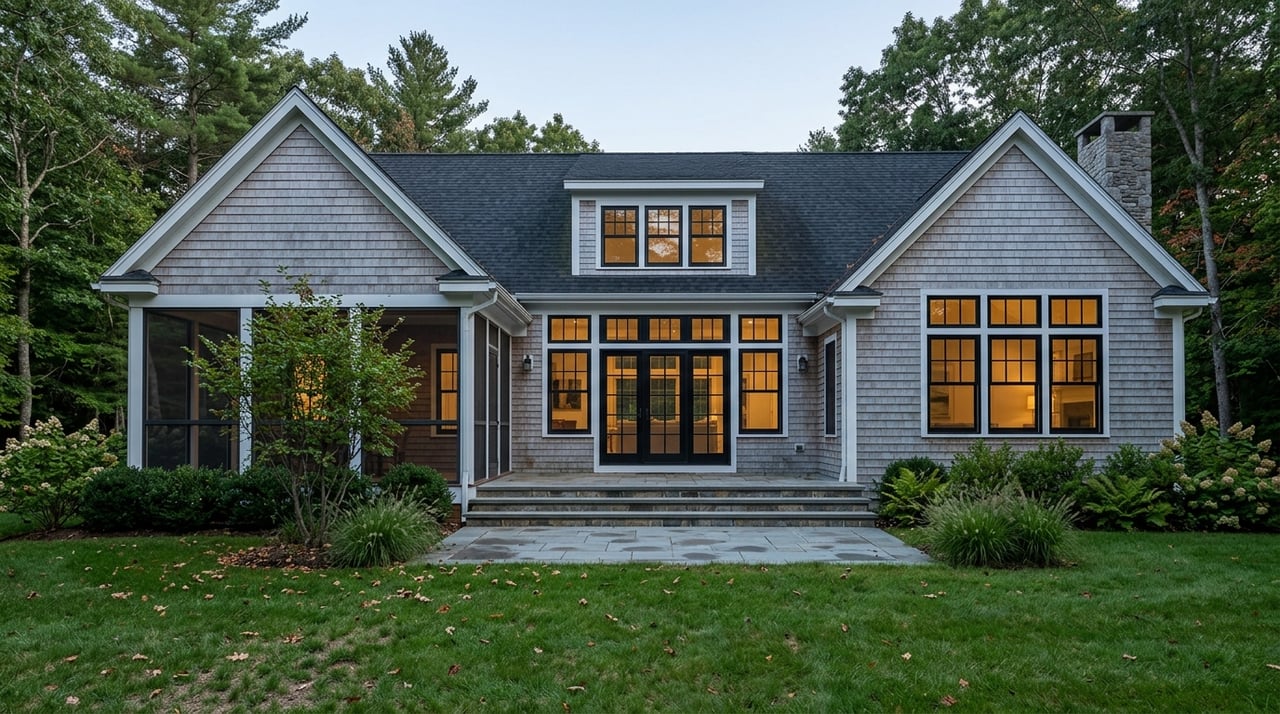
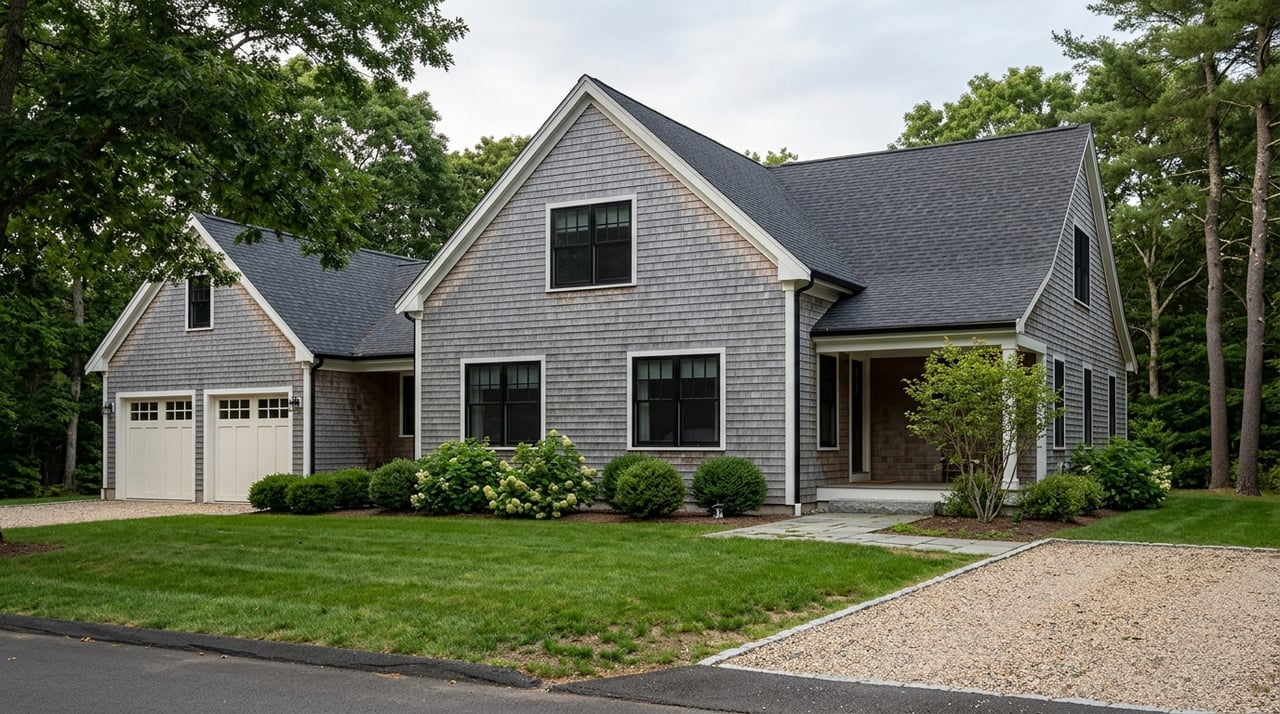
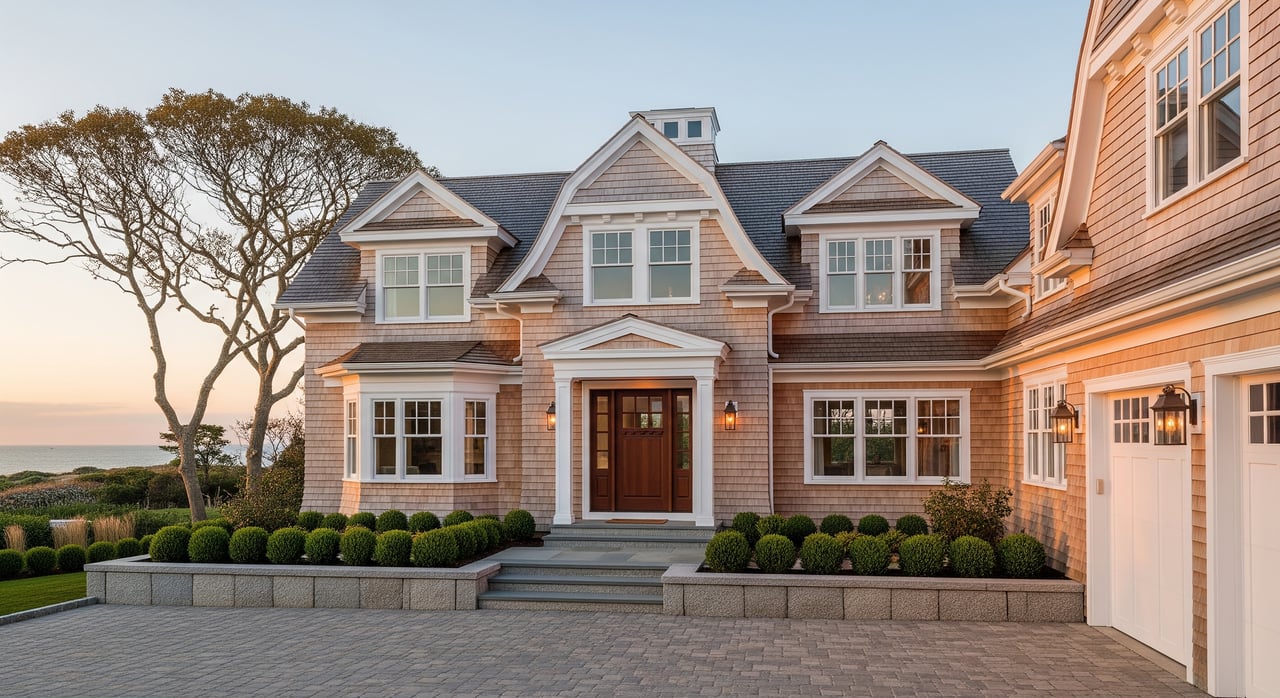
A detached home is usually the better fit if you place a high value on privacy, flexible storage, a larger garage, or private outdoor space. It can also be better if you want more control over the property without association rules shaping your choices. If you know you will miss having room to spread out, a condo may feel limiting over time.
Commute and Mobility Considerations
If commuting is part of your decision, be realistic about how downtown Plymouth functions today. The former Plymouth commuter rail station point and the Plymouth spur on the Kingston line were removed in November 2023. That means downtown Plymouth is not currently a rail-centered commuting location.
For many buyers, that is not a dealbreaker because the draw is lifestyle, not transit access. Still, if you are comparing Plymouth with a more transit-oriented market, it is important to understand that a downtown condo here is better thought of as a local-lifestyle choice. You should test the location against your real routine, not just a weekend version of it.
Questions to Ask Before Buying
A well-run condo can be a great fit, but you want to understand the full picture before making an offer. In downtown Plymouth, a few questions matter more than most.
Ask About Monthly Dues
Monthly dues can affect affordability just as much as your mortgage payment. You should find out what the dues cover, whether they have risen recently, and whether the association has adequate replacement reserves. Healthy reserves can help reduce the risk of surprise costs later.
Ask About Special Assessments
Even if the dues seem manageable, special assessments can change the math. Ask whether the association has approved or discussed upcoming common-area work and how those costs would be handled. This is especially important in older or historic buildings where maintenance needs may be more complex.
Ask About Parking
Parking can be one of the biggest quality-of-life issues downtown. Confirm whether spaces are deeded, assigned, shared, or subject to separate rules. Also ask how the building handles guest parking and how downtown parking conditions may affect you during busy seasons or snow events.
Ask About Rules and Restrictions
By-laws can shape your everyday use of the property more than many buyers expect. Review any rules around pets, rentals, work-from-home use, remodeling, and use of common areas. If any of those items are important to your lifestyle, do not assume they are allowed.
Ask About Historic District Status
If the property is within Plymouth’s historic district, ask what kinds of exterior changes require review. Even if your unit is mostly interior-focused, windows, lighting, and other visible exterior items may involve added process. Knowing this upfront can help you avoid frustration later.
How to Decide With Confidence
The best downtown condo decision usually comes from being honest about your real priorities. If you want walkable access to restaurants, the waterfront, and downtown activity, and you value reduced maintenance over having a yard and extra storage, a condo may be the right next move. If you want more space, more privacy, and fewer shared rules, a detached home may still serve you better.
In Plymouth, this is less about choosing the “better” property type and more about choosing the right lifestyle match. A condo can be a smart move for the right buyer, especially if you understand the building, the rules, the parking setup, and the true feel of the block. The more specific your questions, the better your decision will be.
If you are comparing downtown Plymouth condos with other Plymouth and South Shore options, working with a local advisor can make the tradeoffs much clearer. Lynne Morey brings deep Plymouth market knowledge, condo expertise, and a thoughtful, high-touch approach to helping you find the right fit.
FAQs
Is a downtown Plymouth condo more affordable than a detached home?
- It can be, but affordability depends on more than the purchase price. As of March 2026, Plymouth condos had a median list price of $575,000, while Plymouth Center homes had a median sale price of $608,500, and monthly dues also need to be part of your budget.
Is downtown Plymouth walkable for daily errands?
- In some locations, yes, but walkability is block-specific. Downtown offers real walk-to-amenities potential, especially near the waterfront and core business district, though the broader area is not consistently walkable in the same way as a larger city center.
What should I review before buying a Plymouth condo?
- Review the master deed, by-laws, monthly dues, reserve funds, parking arrangements, rules on pets or rentals, and whether the building is in Plymouth’s historic district.
Does a downtown Plymouth condo work well for downsizing?
- It often does for buyers who want less exterior maintenance and easy access to downtown amenities. The key question is whether you are comfortable giving up some storage, privacy, or exterior control in exchange for convenience.
Is downtown Plymouth a good choice for commuting by rail?
- No, not currently. Downtown Plymouth is not a rail-centered commute location because the former Plymouth commuter rail station point and Plymouth spur were removed in 2023.