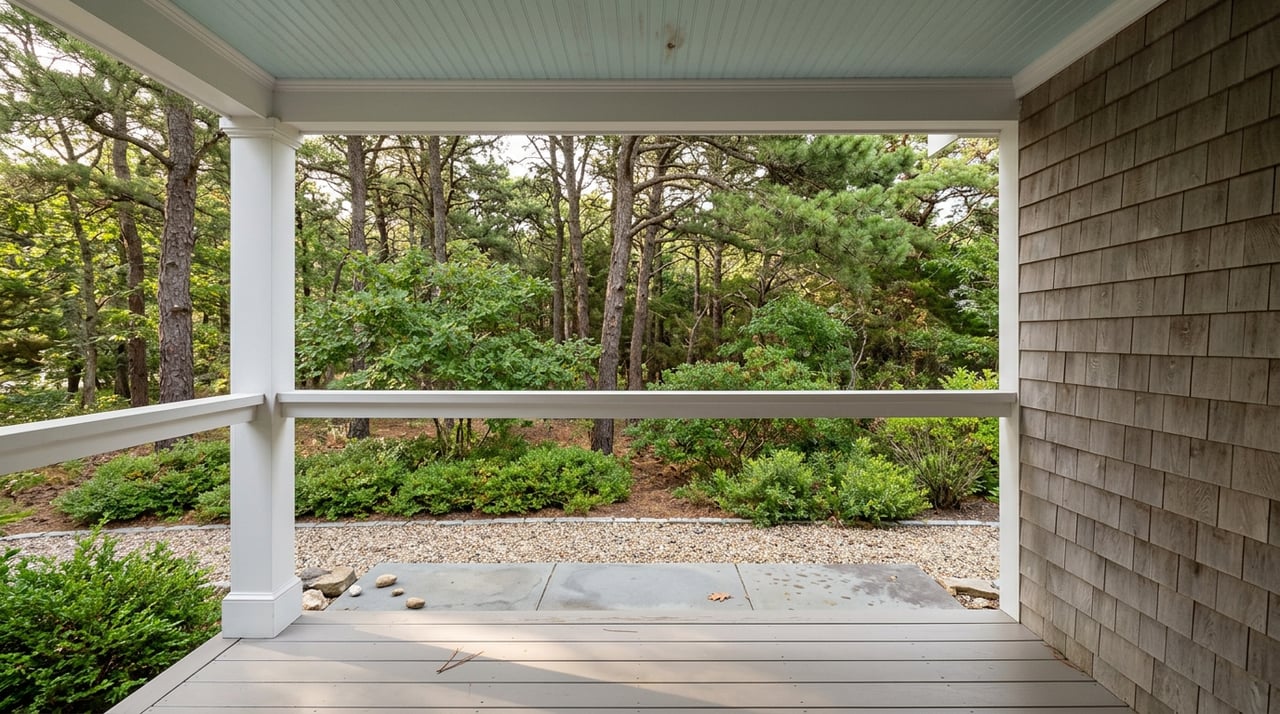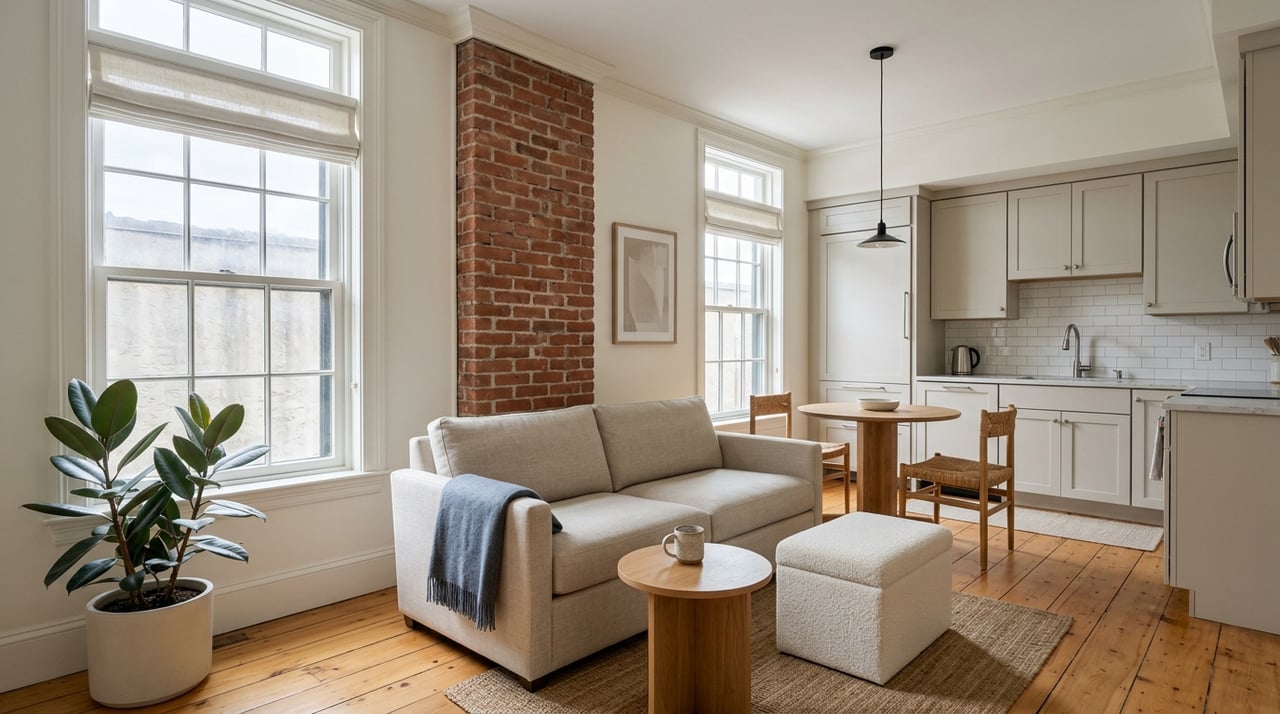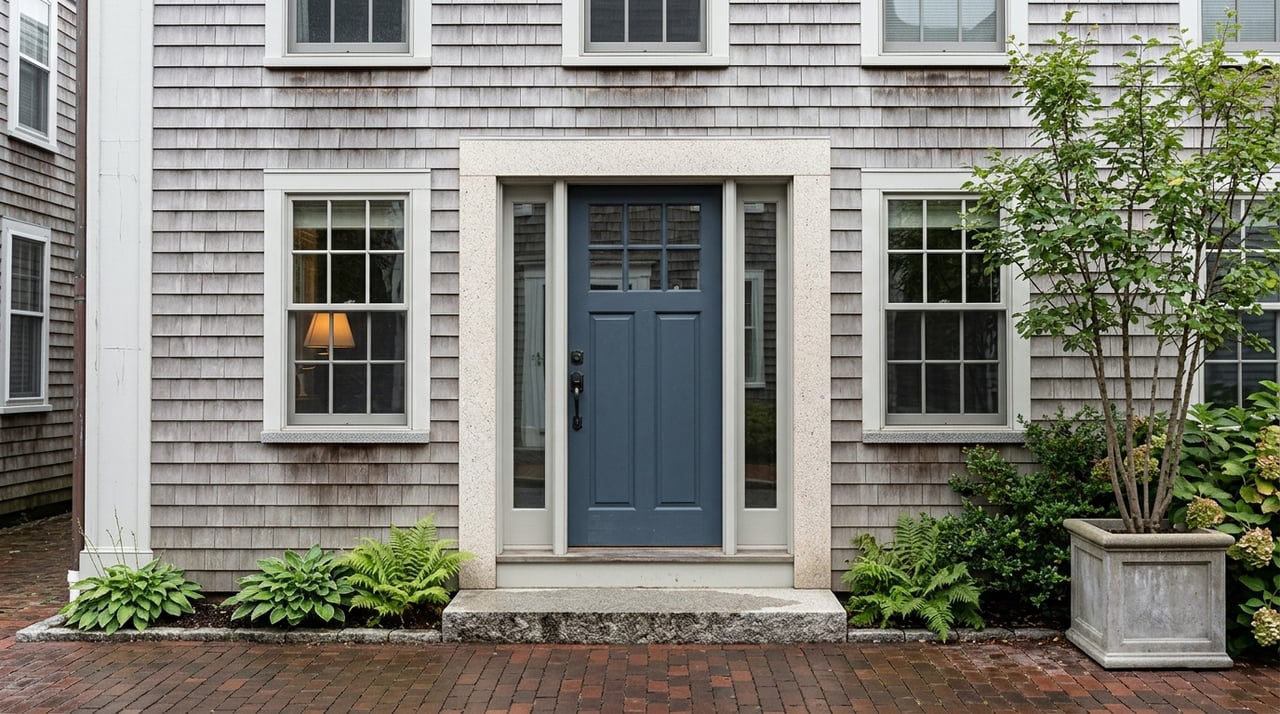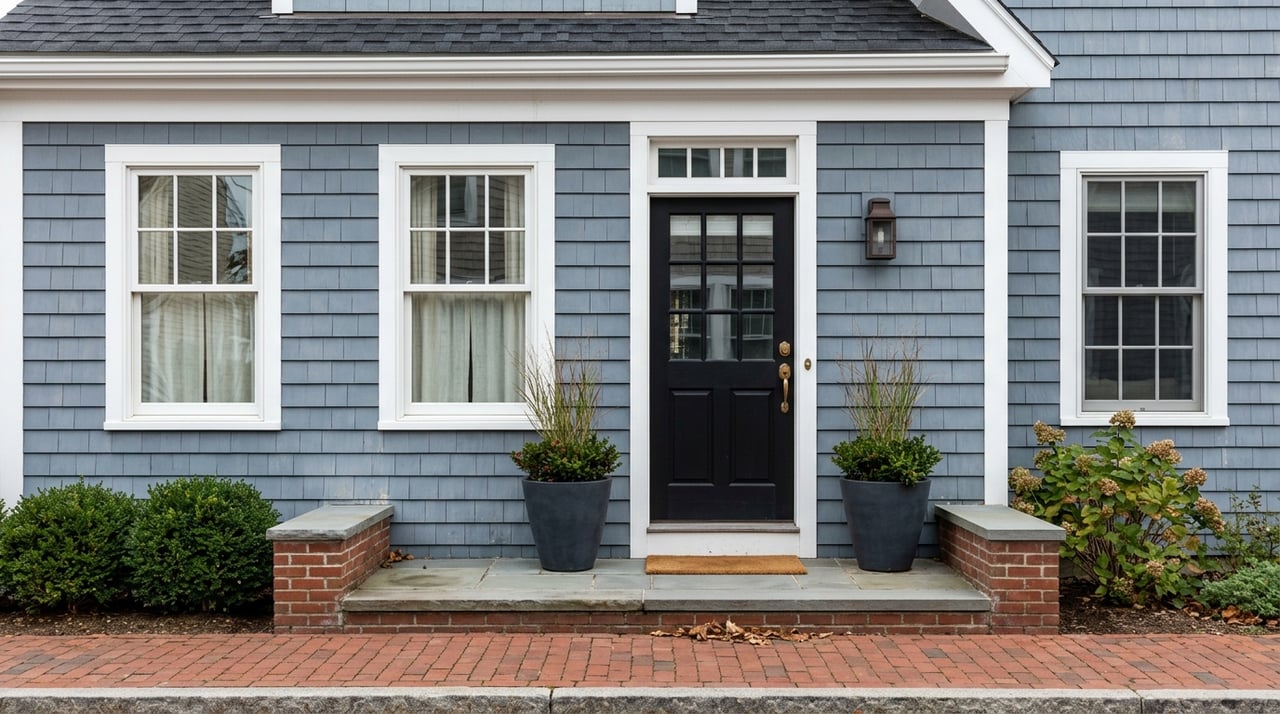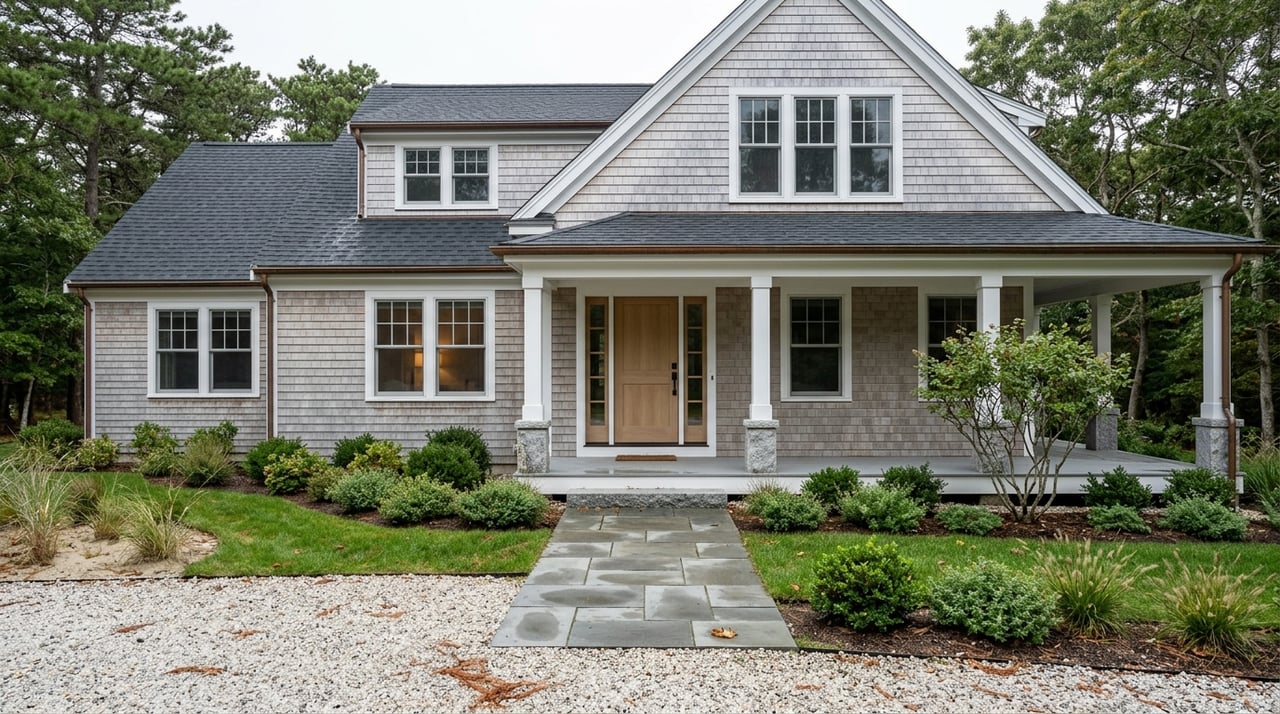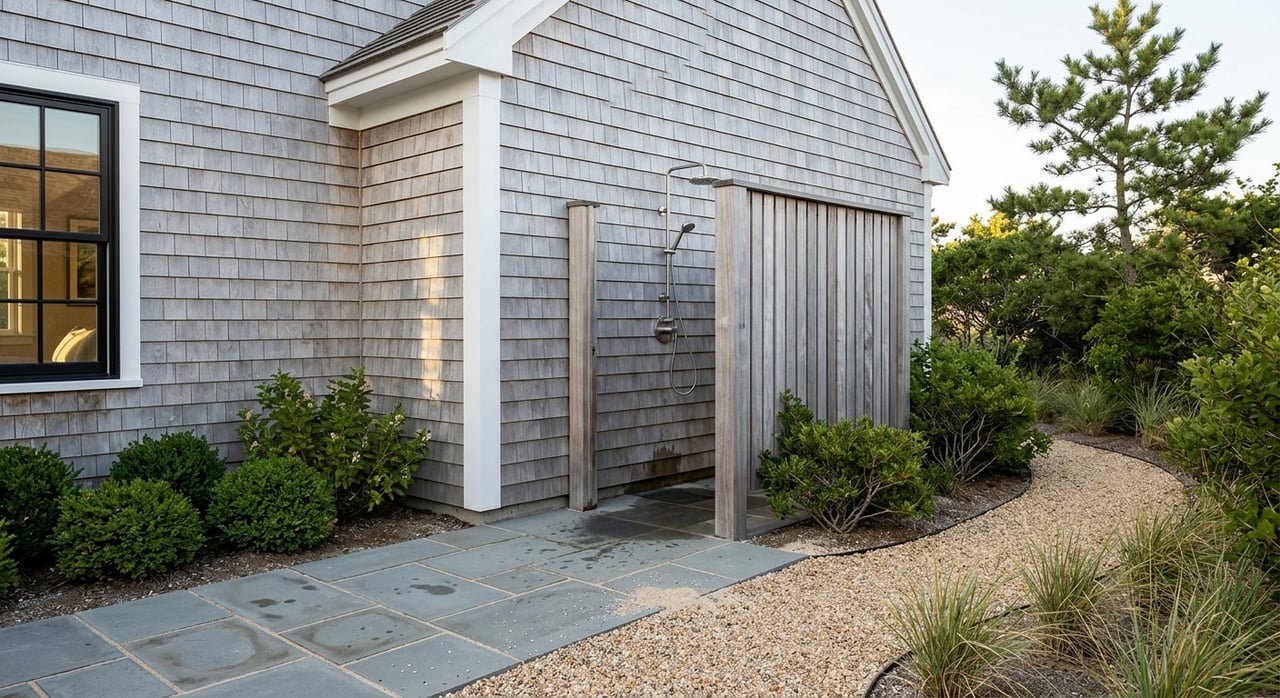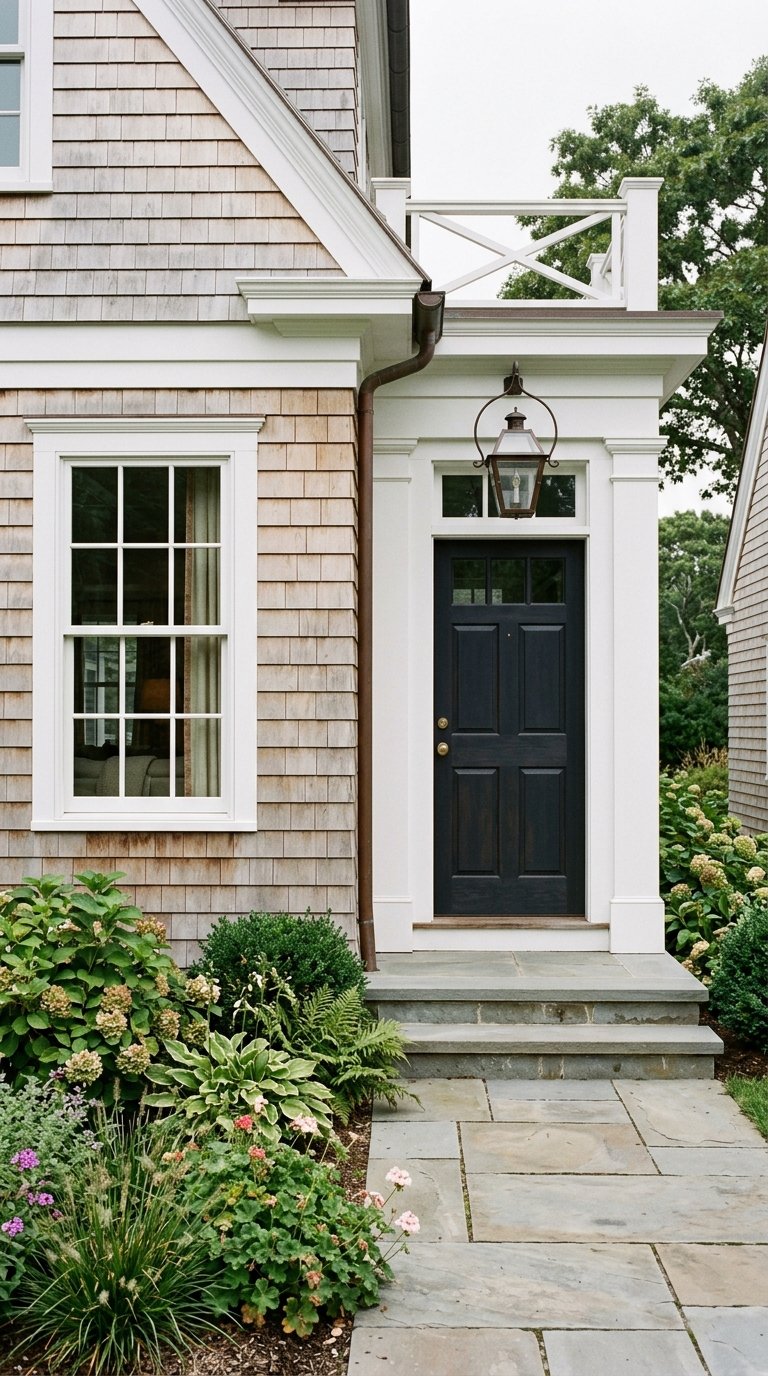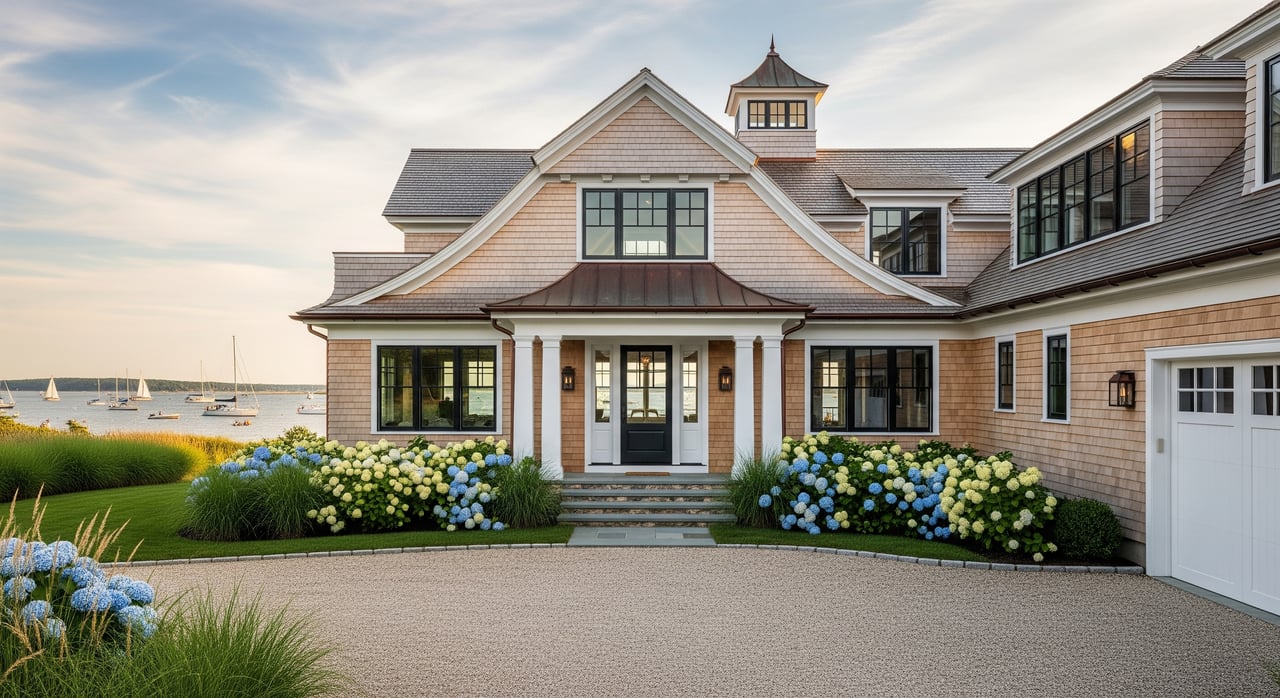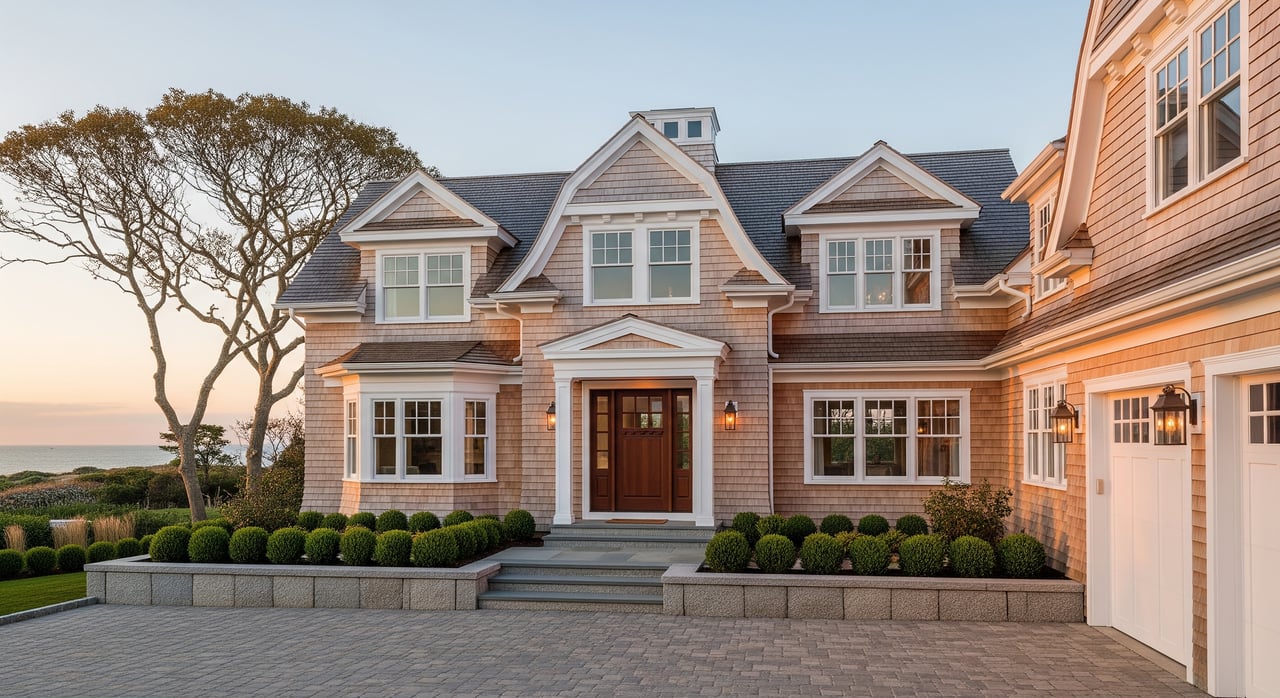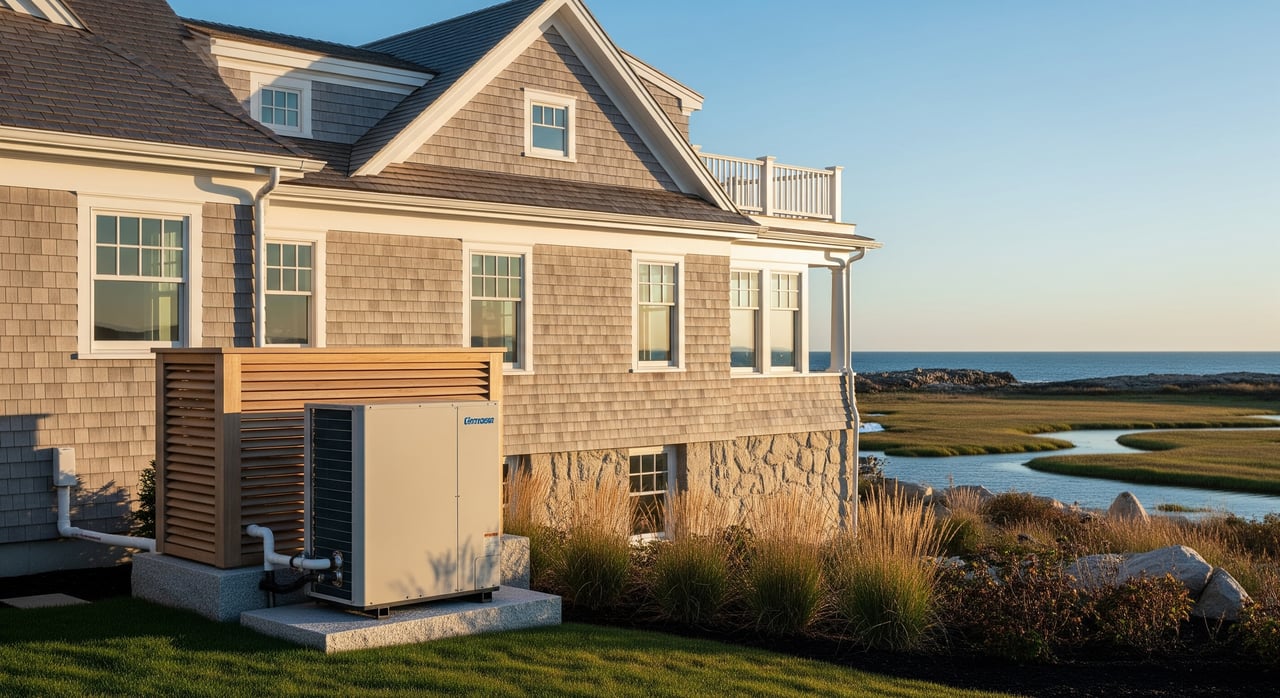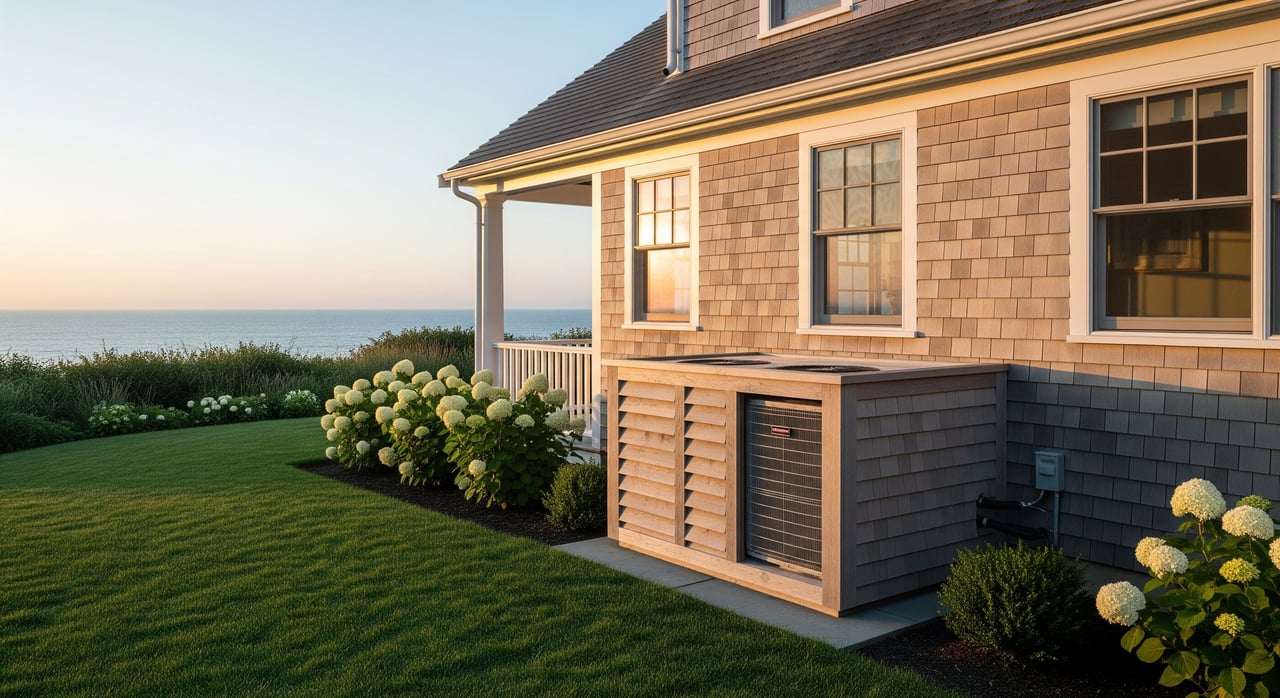
Thinking about a second home in Ellisville? It is easy to see the appeal. This part of Plymouth offers coastal scenery, open space, and a quieter setting that can feel worlds away from your day-to-day routine. If you are considering a purchase here, the key is to balance lifestyle goals with smart planning around financing, property use, and coastal due diligence. Let’s dive in.
Why Ellisville Stands Out
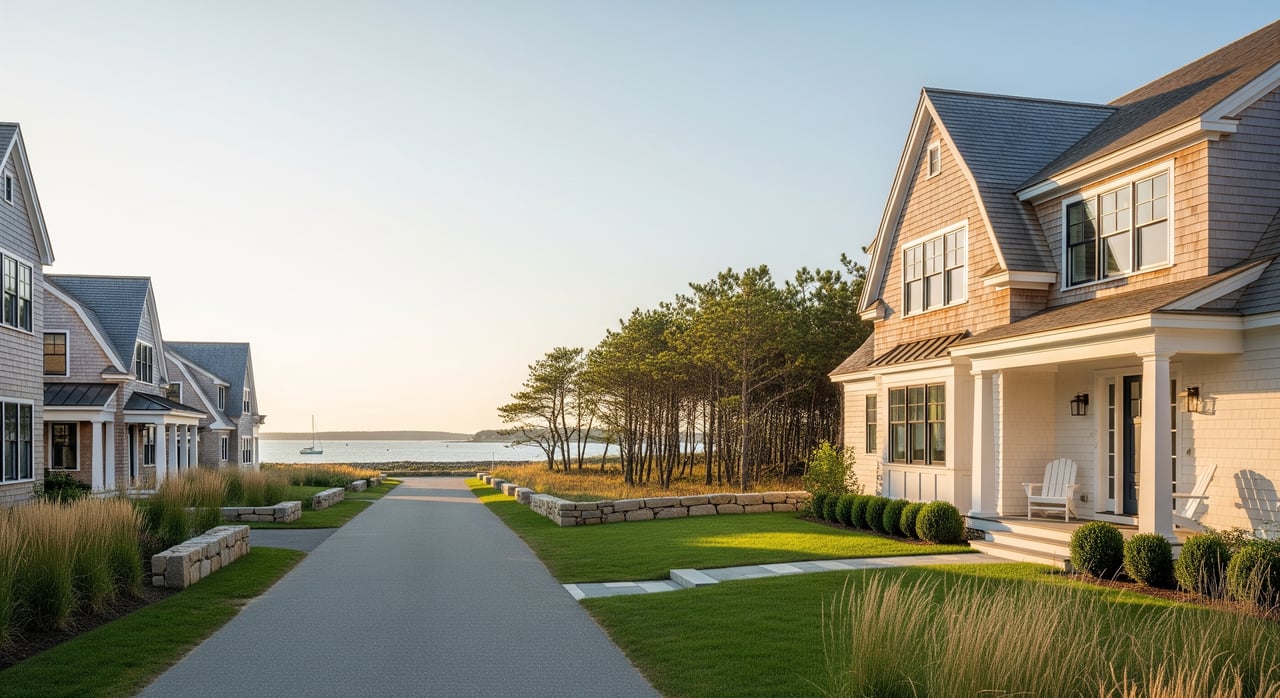
Ellisville has a distinct coastal character shaped by water views, open fields, and protected landscape. Mass.gov identifies the Ellisville Harbor area as an Area of Critical Environmental Concern, and Ellisville Harbor State Park includes open fields, the former Harlow Farm, and other coastal land.
Town planning materials also note that Ellisville Road offers views of Cape Cod Bay, the mouth of the Cape Cod Canal, and the coastline of Sandwich. Ellisville State Park Beach looks out over Ellisville Harbor as well as fields and meadows tied to the old farm landscape. For many second-home buyers, that combination of scenery and open-space character is exactly the draw.
That same setting also shapes the buying decision. In Ellisville, water proximity can be a major lifestyle benefit, but it can also bring added planning around exposure, access, and upkeep.
Define How You Will Use the Home
Before you start touring properties, get clear on how you plan to use the home. A second residence is not your principal residence, and the way you occupy it matters for financing and loan classification.
Fannie Mae’s second-home standards are specific. The property must be a one-unit dwelling suitable for year-round occupancy, occupied by you for part of the year, under your exclusive control, and not treated as a rental property or timeshare arrangement.
That means your real question is not simply, “Is this a vacation home?” It is, “How will I actually use it?” If you expect to stay there seasonally, keep full control over occupancy, and use it as a personal retreat, that points more clearly toward second-home status.
If your plan includes frequent rentals, outside management, or broader income-producing use, the property may be viewed differently by a lender. That is why your intended use should be part of the conversation from the start.
Questions to Answer Early
- How many months each year do you expect to use the home?
- Will anyone else control when the home is occupied?
- Do you want the property to remain a personal second home rather than shift toward investment use?
- Is the home suitable for year-round living?
These answers will help shape your search and your financing path.
Start Financing Conversations Early
With a second-home purchase, financing is often more nuanced than buyers expect. Occupancy intent and property type both matter, so it is smart to speak with a lender before you write an offer.
Fannie Mae generally does not allow rental income from a principal residence or a second home to be used to qualify. If you are considering occasional rentals, that does not automatically rule out second-home treatment, but the rental income cannot be used to support qualification if the loan is being delivered as a second home and the other requirements still need to be met.
This is especially important if your plans are still evolving. If you think you may rent the property often, sign a management agreement, or use it more like an investment, ask that question early rather than after you fall in love with a house.
If You Own Other Property Already
If you already own a primary residence or other financed properties, bring that up right away. Fannie Mae notes that underwriting can become more complex as the number of financed properties rises.
That does not mean you cannot buy in Ellisville. It simply means your financing review may need more lead time, more documentation, or a different strategy than a buyer purchasing a first second home.
Focus on Year-Round Practicality
A second home in Ellisville may feel seasonal, but the property itself should be suitable for year-round occupancy if it is being financed as a second home under Fannie Mae standards. That makes practical livability an important part of your evaluation.
As you compare homes, think beyond summer weekends. Consider heating systems, insulation, storm readiness, driveway access, and whether the home works comfortably in colder months as well as warmer ones.
This matters in a coastal setting where weather can change conditions quickly. A home that feels effortless in July should still feel manageable in January.
Make Coastal Due Diligence a Priority
In Ellisville, coastal due diligence should never be an afterthought. Massachusetts planning materials now use long-term sea level rise scenarios, including up to 2.5 feet of relative mean sea level rise by 2050 and 4.3 feet by 2070 under a high-emissions scenario.
That does not predict conditions for any one parcel. It does, however, show why location, elevation, drainage, and access should be part of your purchase review from the beginning.
For a second home, this is even more important. If the property will sit unattended for stretches of time, you need confidence in how it handles weather, water, and maintenance demands.
Start With Official Flood Information
The best starting point is the official flood map. FEMA’s Flood Map Service Center is the official source for flood-risk products, including flood zones, base flood elevation, and floodway status.
Plymouth also has a GIS page that lets users search flood information by address, but the town warns that its GIS layers may not be current and that placement errors of 50 feet or more may exist. In other words, local GIS can be a helpful screening tool, but it should not replace the official source.
Plymouth’s zoning bylaw also establishes a floodplain overlay district that covers special flood hazard areas designated Zone A, AE, and AH. If a property is in one of those mapped areas, that should trigger closer review.
Look Beyond the Flood Zone
Flood maps are only one part of the picture. Mass.gov guidance notes that construction and reconstruction in A zones, V zones, and coastal dunes may trigger special code requirements.
Projects in coastal dune resource areas may also require a wetlands authority determination from the local Conservation Commission or MassDEP. If you are buying a property with future renovation plans, this is especially important to understand early.
A home can be beautiful and still come with added permitting, construction, or maintenance considerations because of where it sits. Knowing that before you buy gives you a much clearer picture of ownership.
Understand Insurance Realistically
Another key point for coastal buyers is insurance. FEMA notes that standard homeowners insurance typically does not cover flood damage, which means flood insurance is the relevant coverage for flood risk.
Plymouth appears on FEMA’s April 2025 Community Rating System list as a Class 9 community with a 5% discount. That is a useful community-level detail, but it does not replace property-specific analysis. Your insurance outlook will still depend on the location and characteristics of the individual home.
Plan for Absentee Ownership
A second home is different from a primary home because you may not be there when problems arise. In Ellisville, that makes absentee ownership planning part of the buying decision, not something to figure out later.
Mass.gov advises coastal residents to find out whether a property is in a flood-prone or high-risk area and to review coastal hazard preparation guidance. For second-home buyers, that often translates into a few practical systems.
Consider putting a clear plan in place for:
- A local caretaker or trusted contact
- A winterization routine
- Storm-response communication
- Mechanical check-ins during vacant periods
- Fast access to service providers if an issue comes up
A home that is easy to monitor and maintain can be far more enjoyable than one that constantly demands attention from a distance.
Choose the Right Spot in Ellisville
Not every Ellisville property will offer the same ownership experience. The area includes scenic coastal land, harbor views, open fields, and roadways with strong visual appeal, but those features can come with tradeoffs.
In general, the closer you are to the water-and-view experience, the more important it is to think about exposure, access, and maintenance. The farther back you are, the more likely you may be to gain day-to-day simplicity.
That does not mean one option is better than another. It means the right fit depends on your goals. If you want a scenic getaway and are comfortable with added planning, one location may make sense. If you want lower-maintenance second-home ownership with easier logistics, another may be a better match.
A Smart Ellisville Buyer Checklist
As you narrow down homes, keep this checklist in mind:
- Is the parcel inside a FEMA flood zone?
- Is the property in a coastal dune, wetland, or other regulated resource area?
- Is year-round road access practical?
- Is parking realistic for your needs?
- Will the home support short, frequent visits, not just peak-season stays?
- Does the property feel manageable when you are away?
These questions can help you compare homes more clearly and avoid surprises later.
Keep the Purchase Aligned With Your Goals
The best second-home purchase is not always the one with the most dramatic setting. It is the one that fits the way you want to live, travel, and maintain the property over time.
In Ellisville, that usually means balancing lifestyle with logistics. You are buying for the scenery, open space, and coastal setting, but you also want a home that makes sense for financing, insurance, access, and long-term ownership.
When you approach the process with that level of clarity, you are more likely to choose a property that feels like a retreat instead of a complication. If you are planning a second-home purchase in Ellisville and want local guidance grounded in Plymouth market expertise, connect with Lynne Morey for a free consultation.
FAQs
What counts as a second home in Ellisville?
- A second home is a property you occupy for part of the year that is not your principal residence. Fannie Mae also requires it to be a one-unit dwelling suitable for year-round occupancy, under your exclusive control, and not treated as a rental property or timeshare.
Can you rent out a second home in Ellisville?
- Possibly, but the financing details matter. Fannie Mae says a second home can still be eligible if rental income is not used to qualify and the other second-home requirements are met.
Does an Ellisville second home need to be suitable year-round?
- Yes. Fannie Mae lists year-round suitability as one of the requirements for second-home treatment.
Why should flood zones matter for an Ellisville home purchase?
- Flood zones can affect due diligence, insurance, and long-term ownership planning. FEMA’s official flood maps are the right place to confirm flood zone, base flood elevation, and related flood-risk details.
Should you rely on Plymouth GIS for flood information in Ellisville?
- Use it as a screening tool only. Plymouth warns that its GIS layers may not be current and may contain placement errors, so official FEMA flood information is the better source for final verification.
What extra checks should buyers make for coastal property in Ellisville?
- Buyers should look at flood-zone status, possible coastal dune or wetland regulation, road access, parking, drainage, and how easy the home will be to monitor and maintain during periods when it is vacant.