Are you torn between the energy of downtown living and the quieter feel of a village setting? If you are planning a move in Plymouth, that choice can shape everything from your daily routine to your parking habits, outdoor access, and the kind of home that fits you best. The good news is that both Downtown Plymouth and Chiltonville offer strong appeal, just in very different ways. Let’s break down what each area offers so you can make a more confident move.
Downtown Plymouth At a Glance
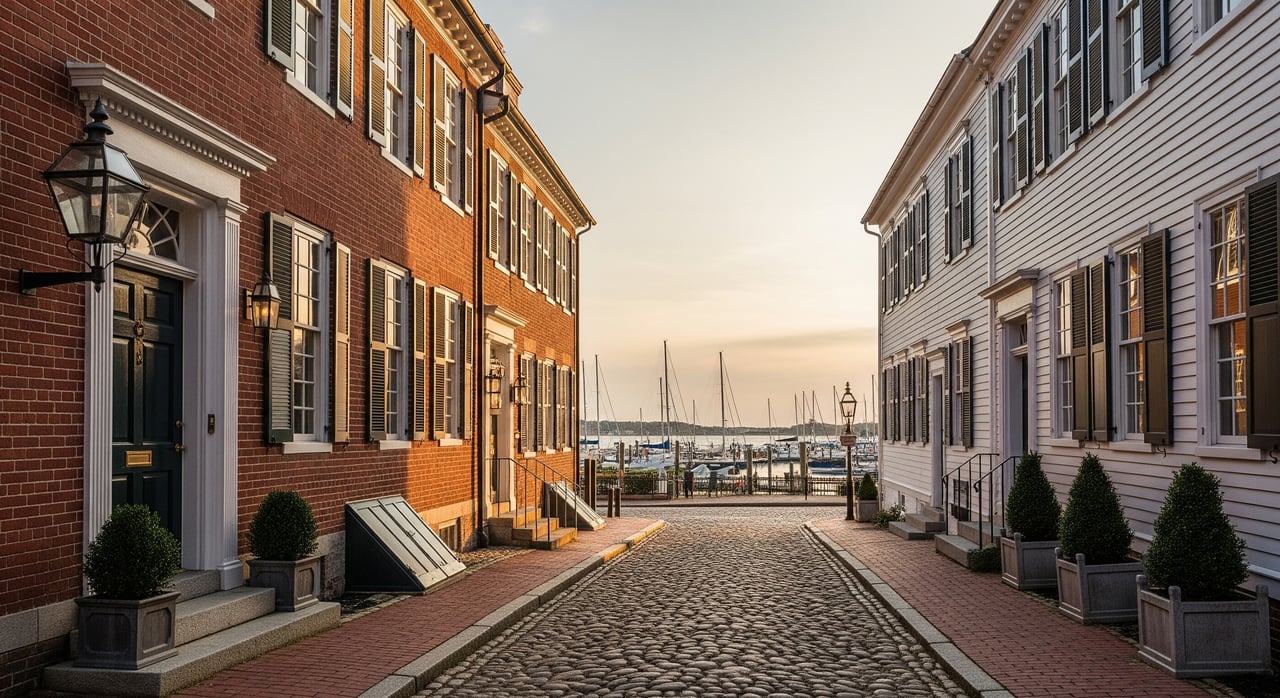
Downtown Plymouth is the town’s walkable core, centered around the waterfront, civic activity, commerce, and tourism. If you like the idea of living close to shops, public spaces, and the heart of town life, downtown often stands out right away. It offers a more active, destination-rich setting than many other parts of Plymouth.
The area is also defined by its historic character. Plymouth’s local historic district is roughly bounded by Water Street, North Park Avenue, Burial Hill, and Summer Street. In that area, exterior changes visible from a public way may be subject to local historic district review, which is an important factor to understand before you buy.
Chiltonville At a Glance
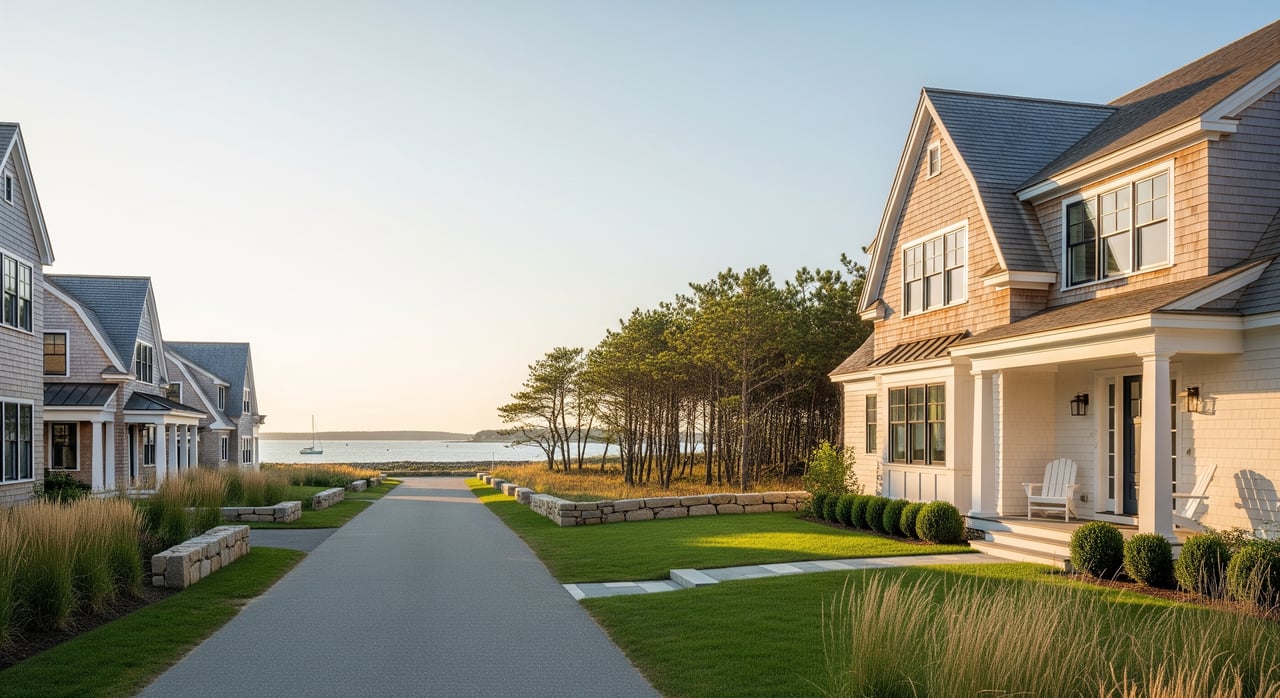
Chiltonville offers a different kind of Plymouth experience. Town history materials describe it as a long-time fishing and farming area connected to the Eel River and Plymouth Harbor, and that history still shapes how the area feels today. For many buyers, it reads as quieter, more residential, and more connected to landscape than downtown.
This area is often better suited to buyers who want a calmer home base with nearby open space. The setting feels more village-oriented, with older homes, local landmarks, and a stronger sense of separation from Plymouth’s busier commercial center. If your ideal day includes more room to spread out and easier access to nature, Chiltonville may feel like a natural fit.
Housing Style And Setting
Downtown Homes And Mixed-Use Character
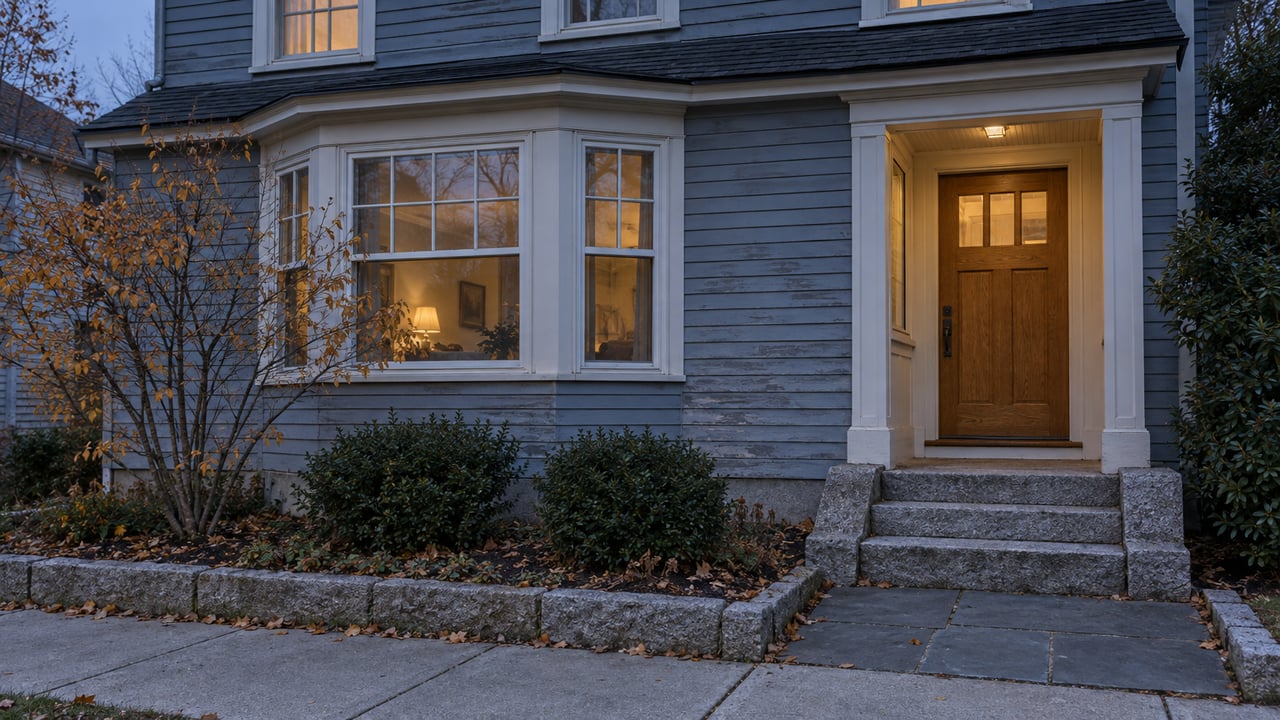
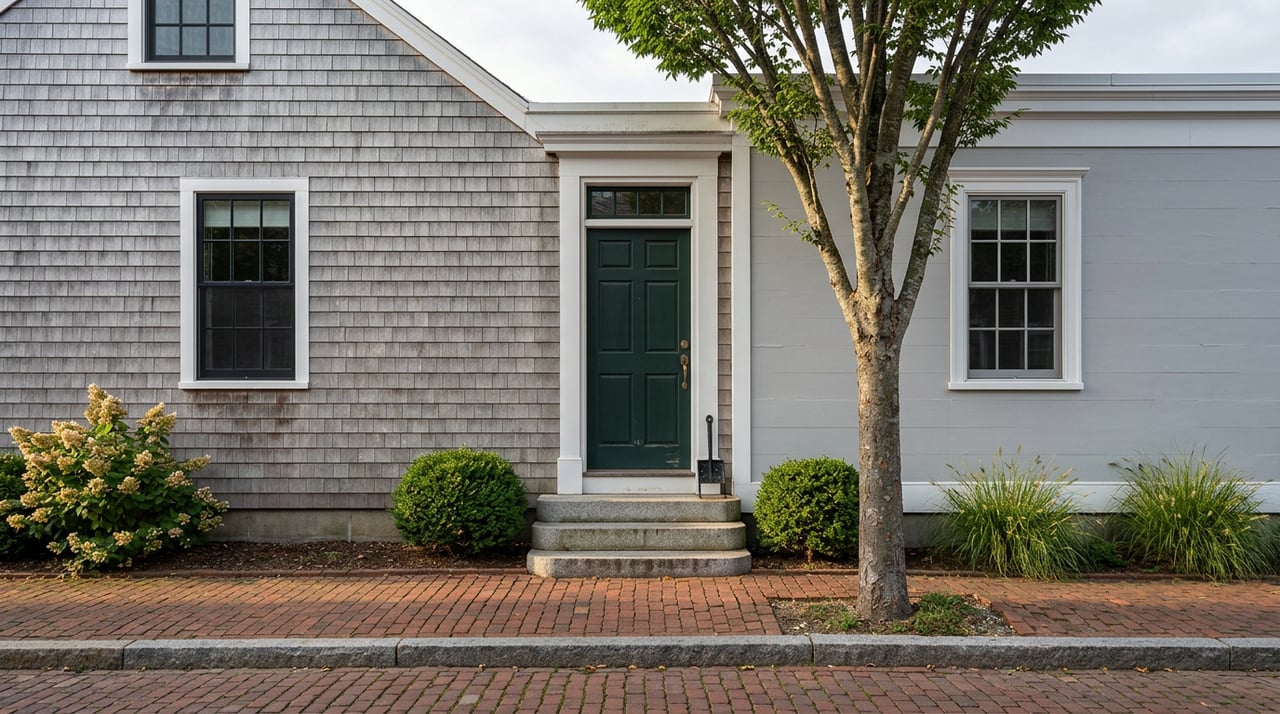
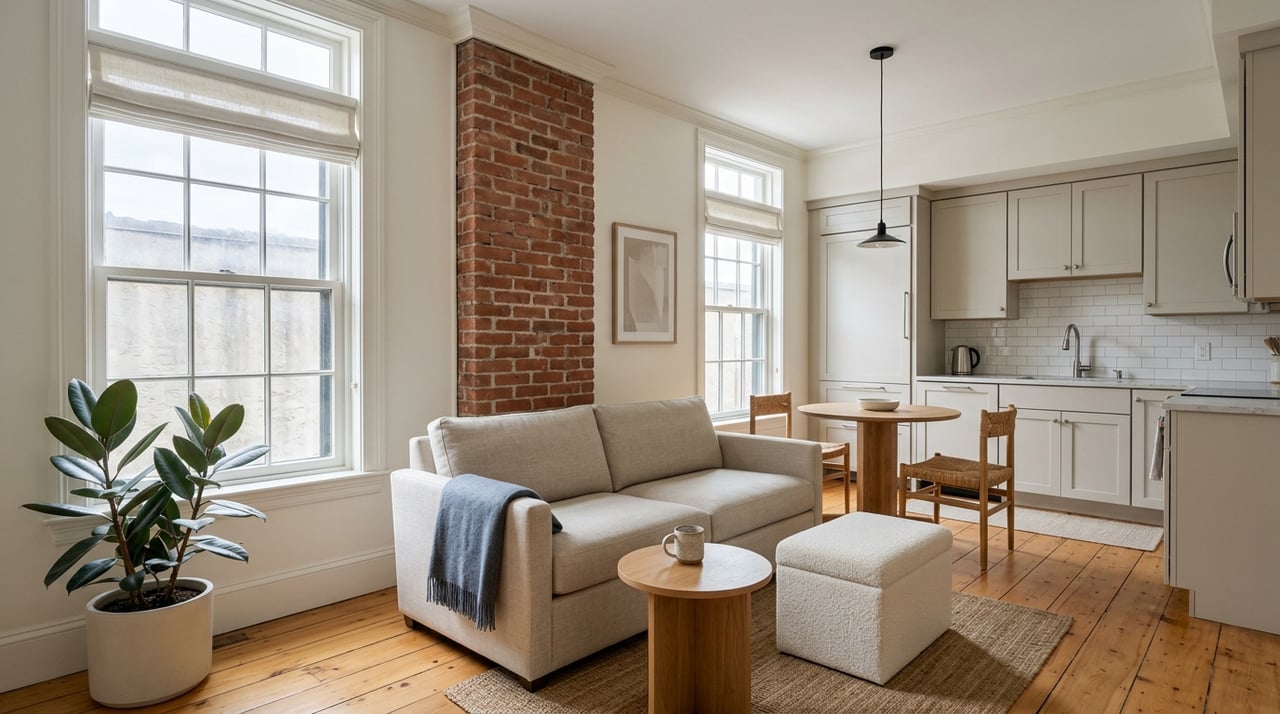
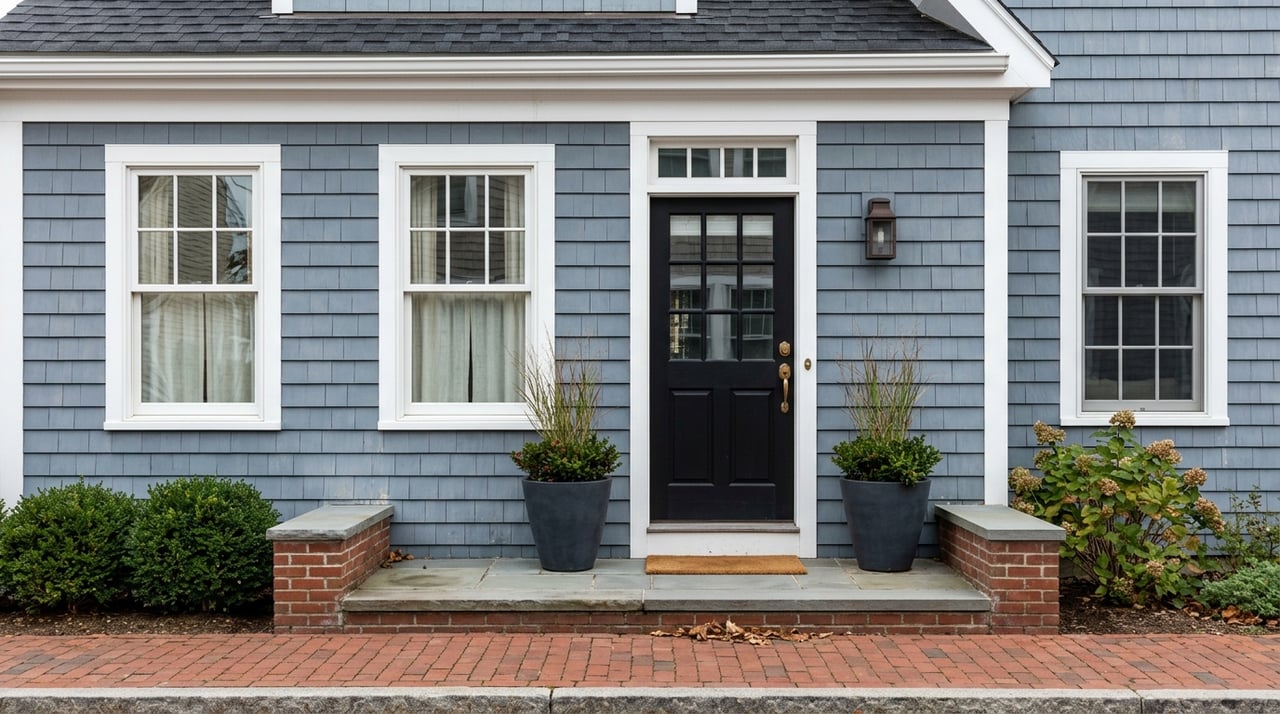
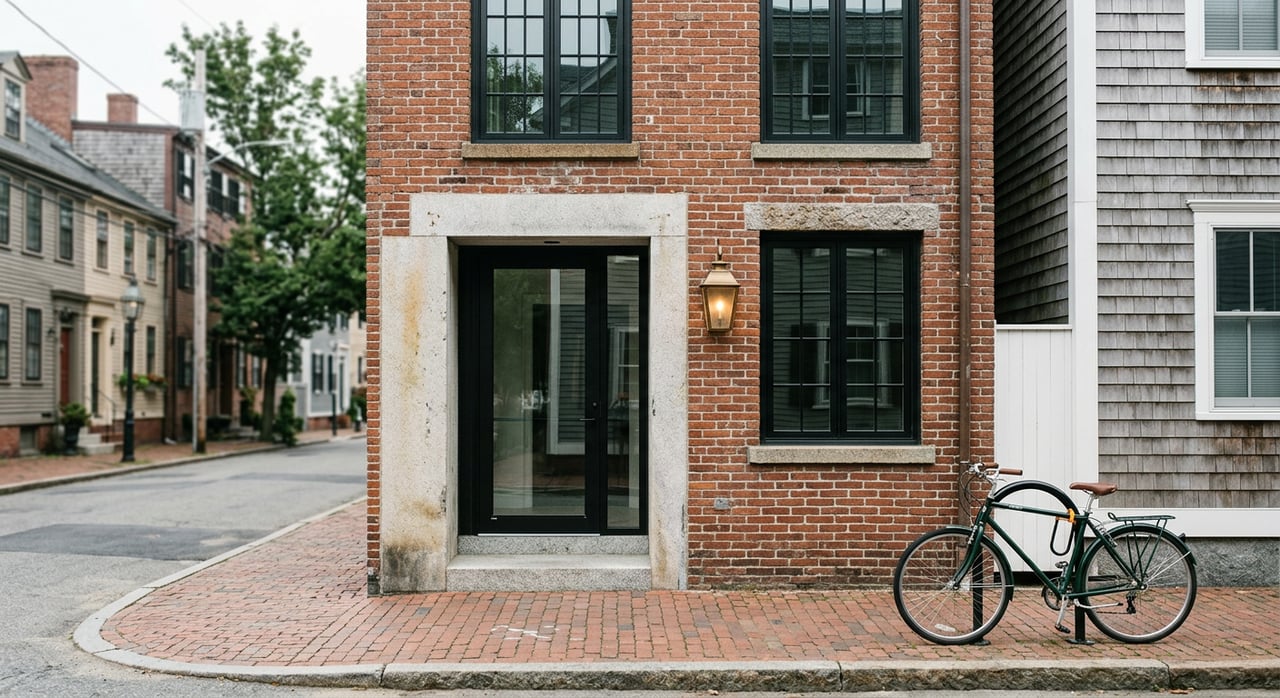
Downtown is not best understood as a traditional single-family neighborhood. The housing mix includes historic residential blocks as well as commercial buildings, creating a tighter, more layered built environment. That gives the area visual character and a strong street presence, but it also means your home search may involve a wider range of property types.
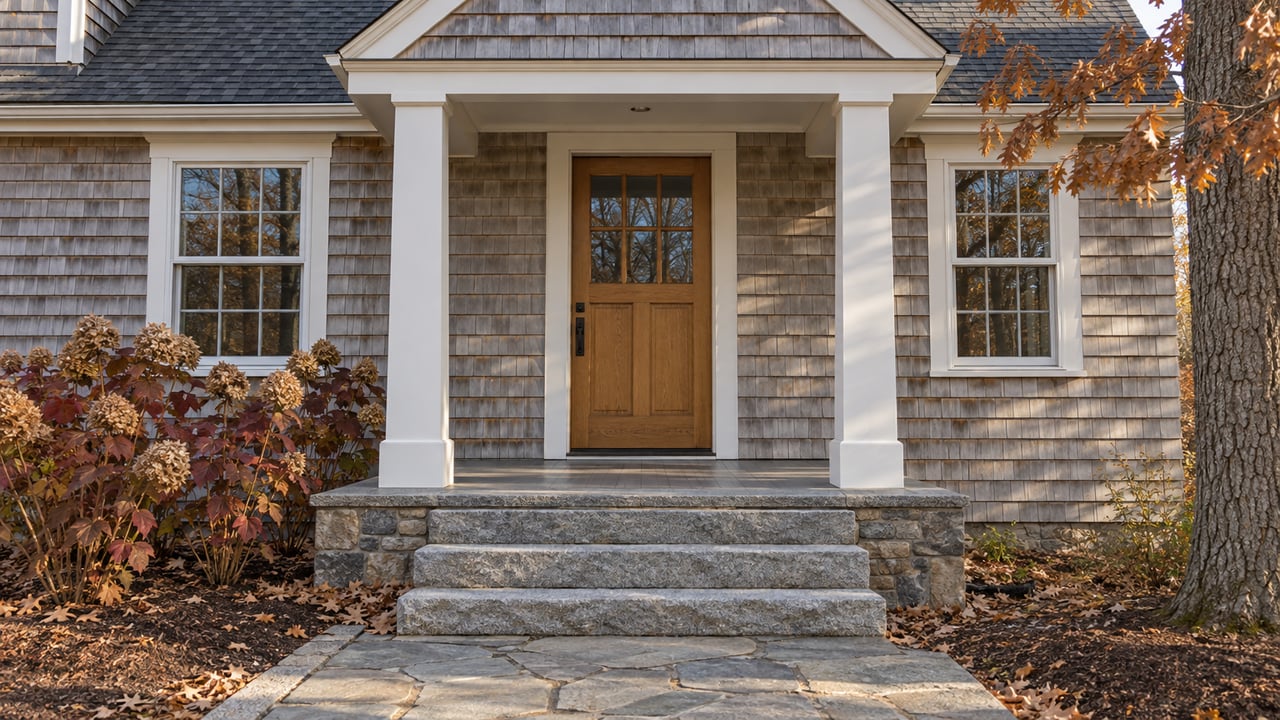
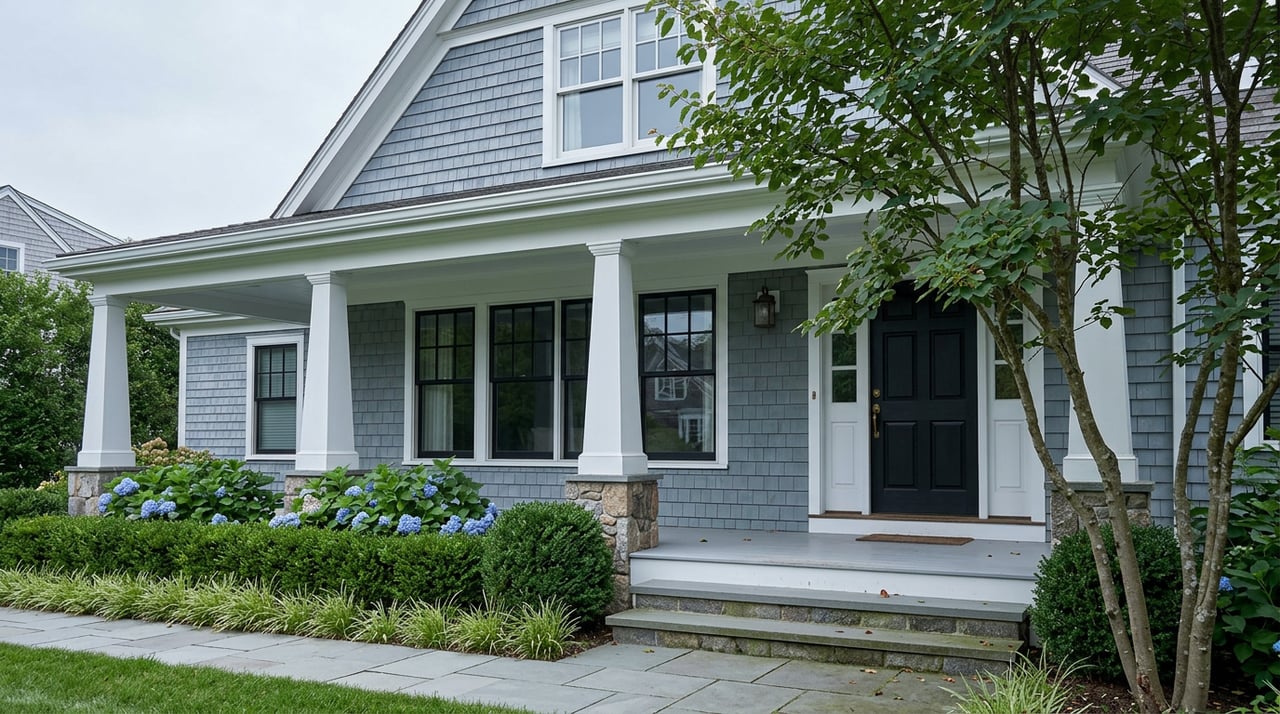
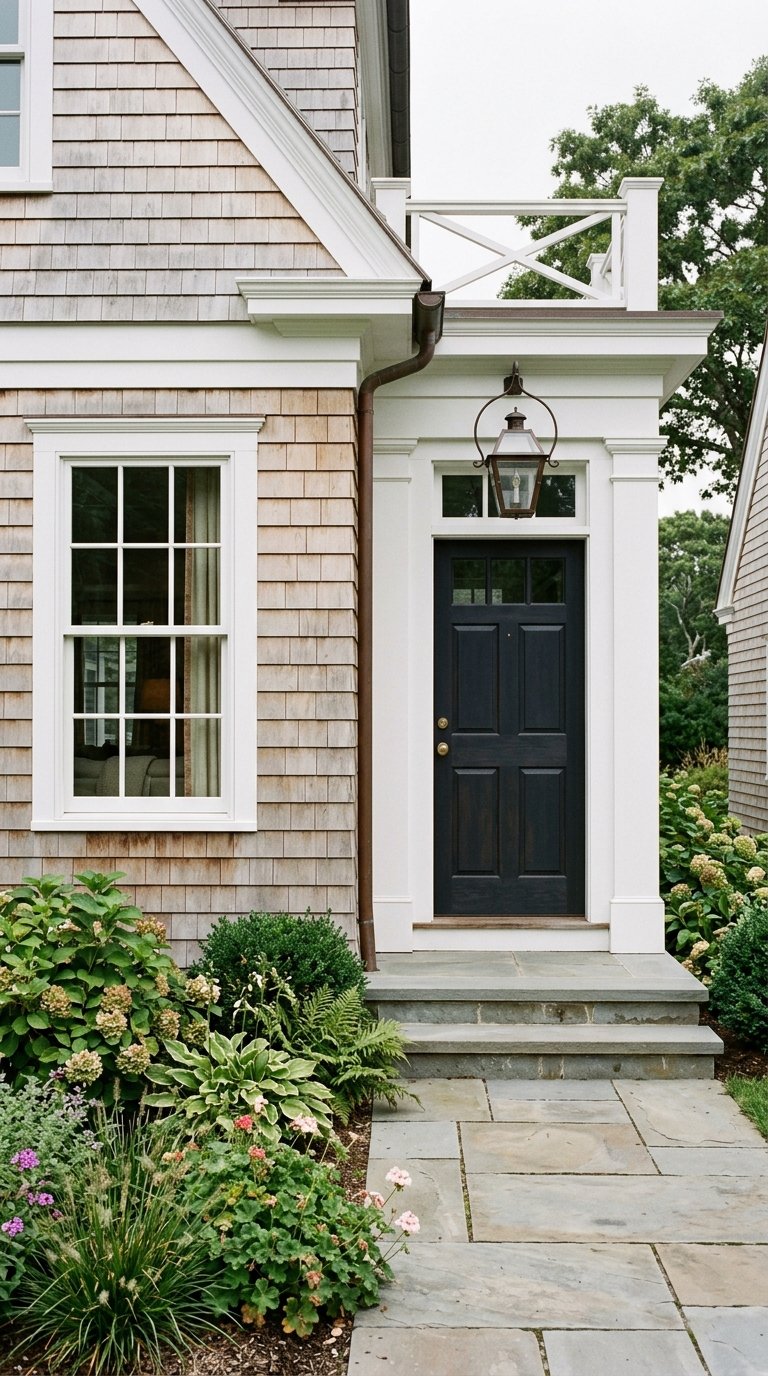
The local historic district guidelines describe architectural styles that include First Period or Colonial, Georgian, and Federal forms. If historic details and classic New England streetscapes matter to you, downtown can be especially appealing. Buyers who love charm often appreciate this part of Plymouth for that reason alone.
It is also worth noting that historic designation can mean different things. The town notes that local historic district review may affect exterior changes visible from a public way, while National Register listing alone does not restrict a private owner’s use unless other laws, permits, or funding are involved. That distinction matters if you are thinking ahead about updates or renovations.
Chiltonville Homes And Open-Space Feel
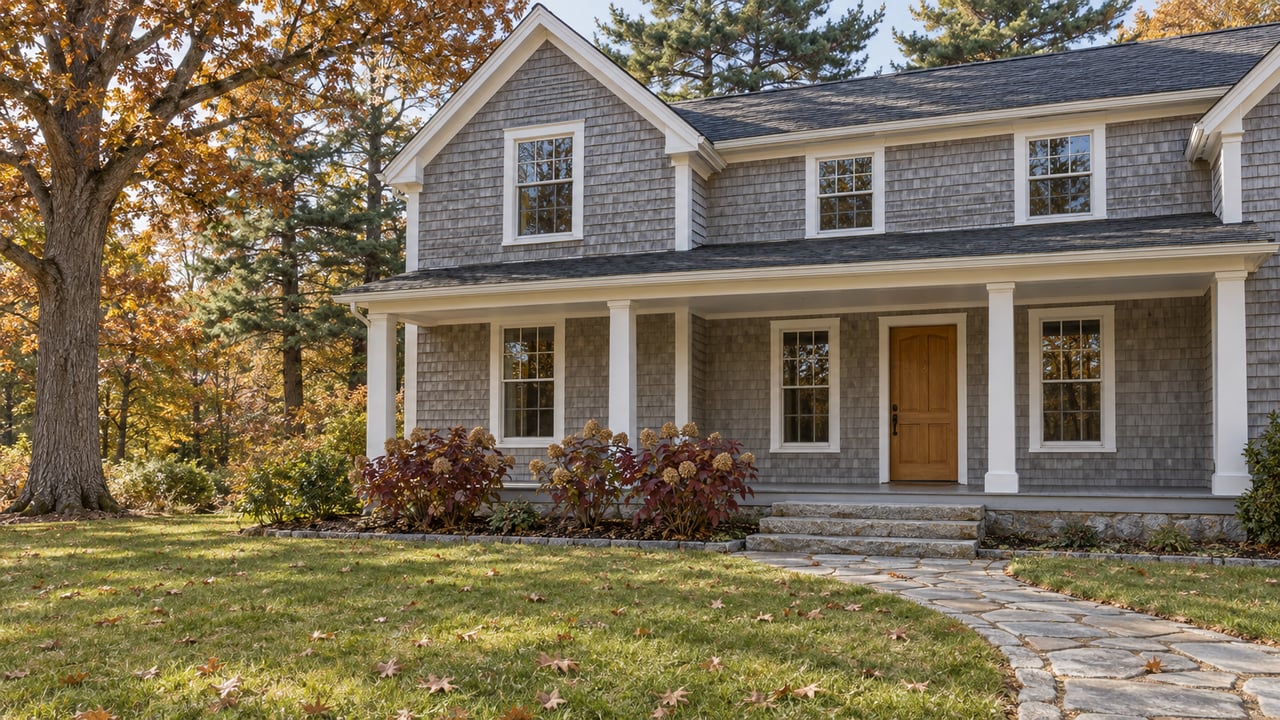
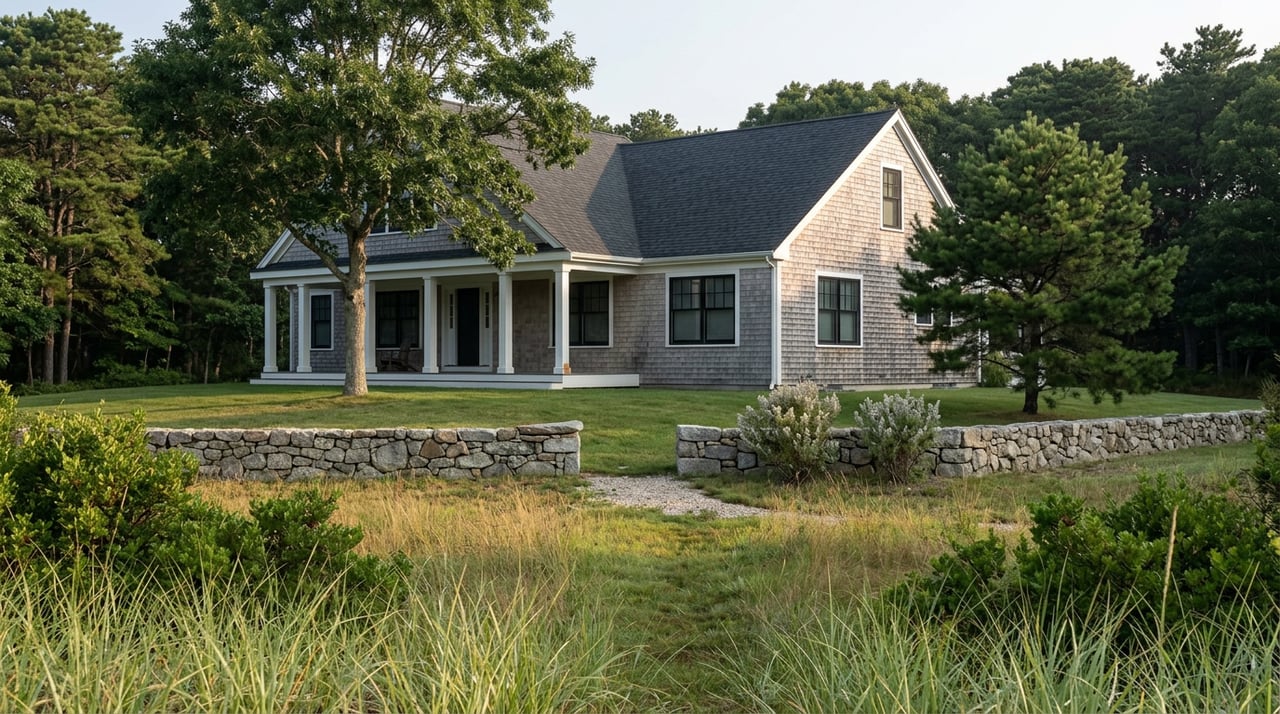
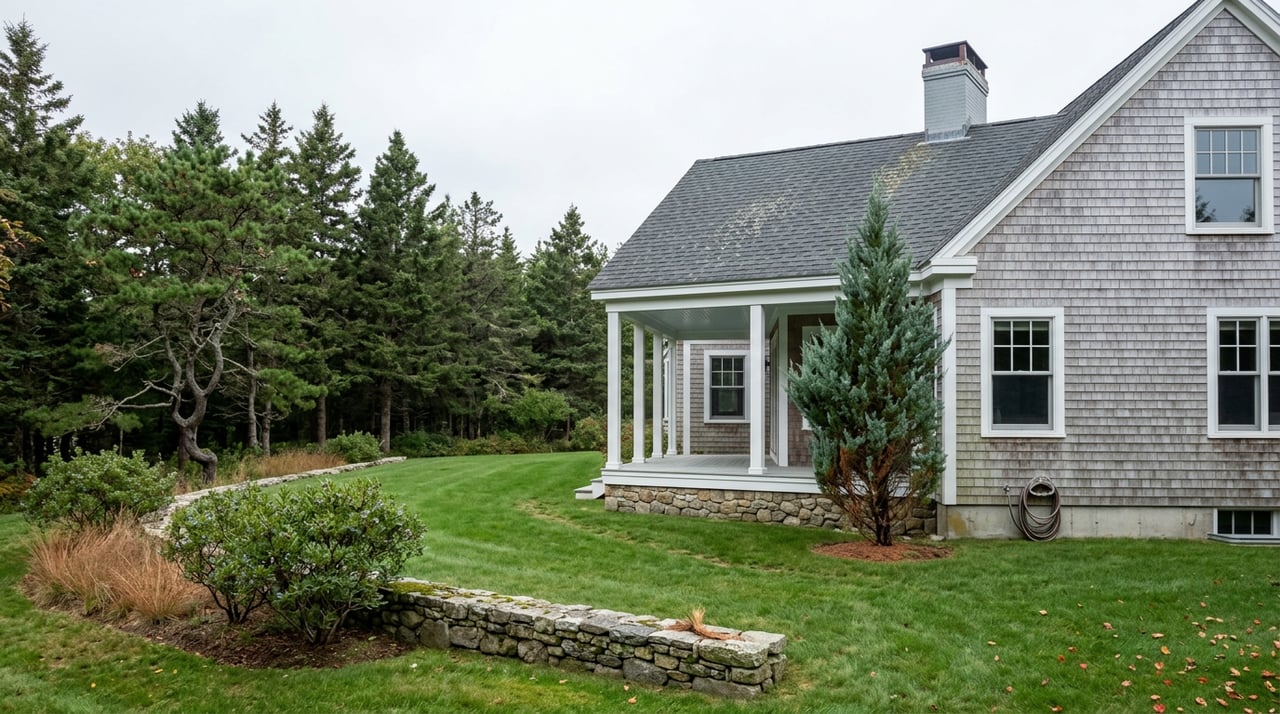
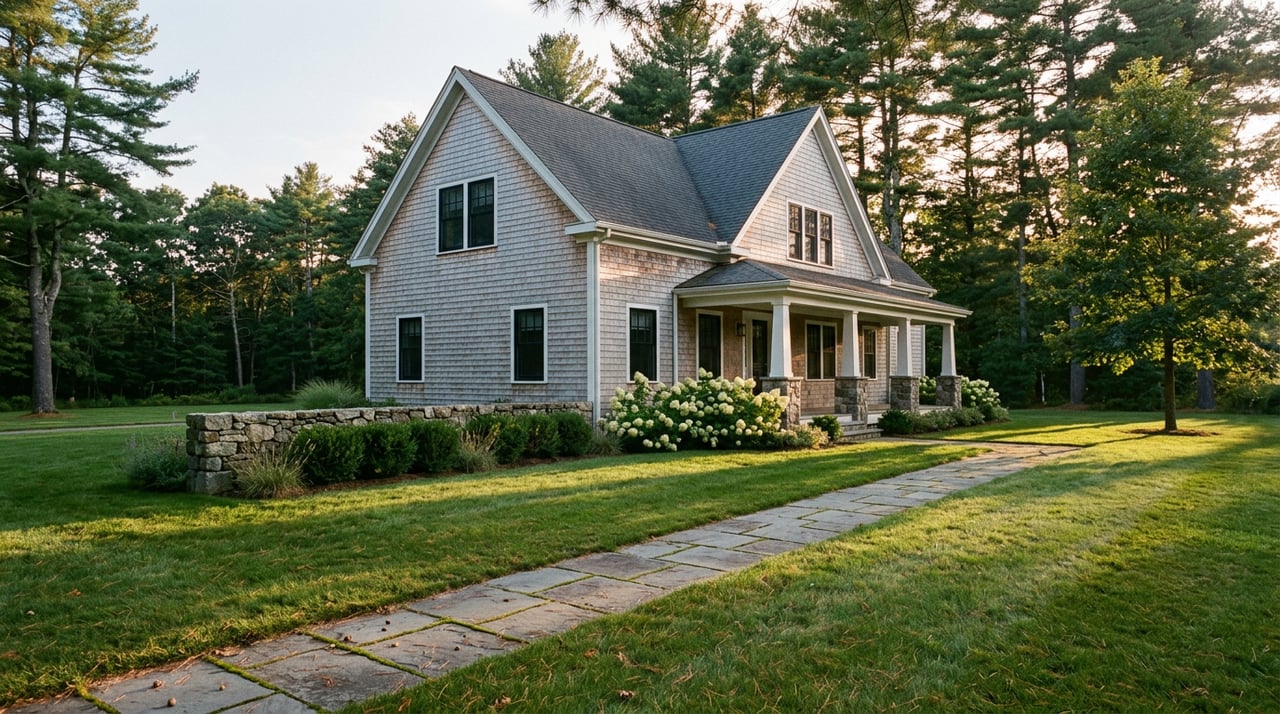
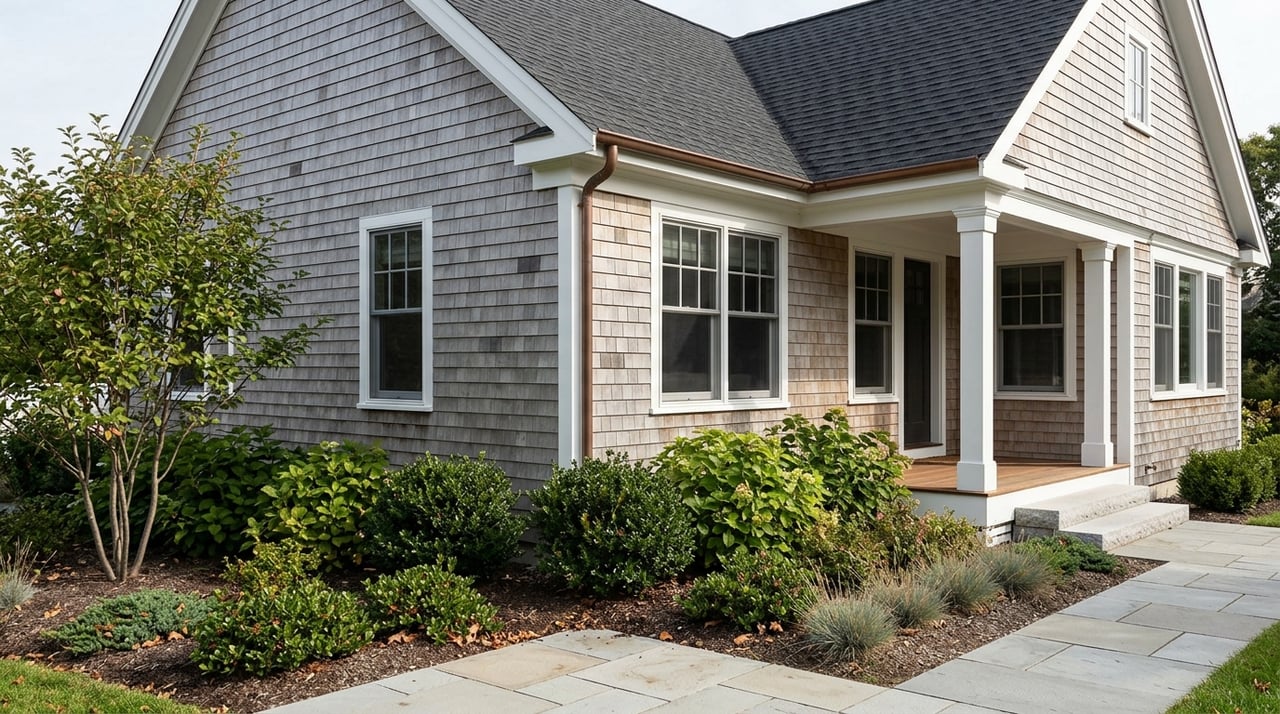
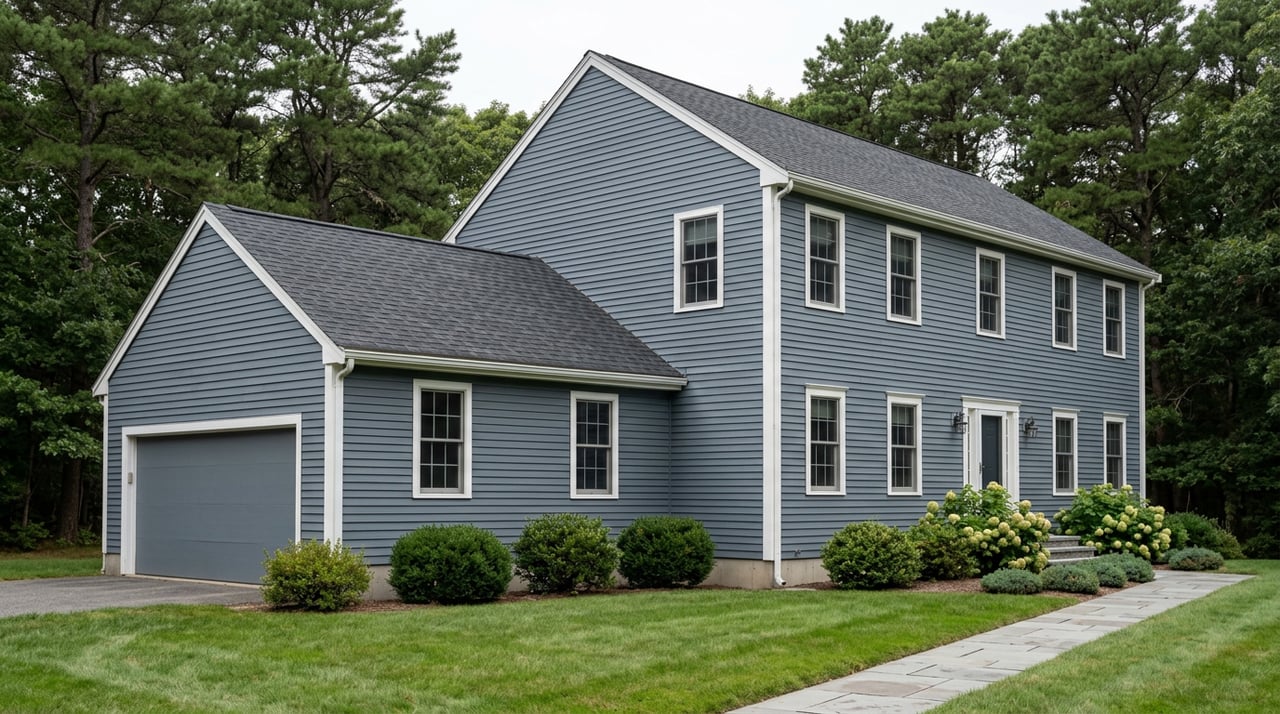
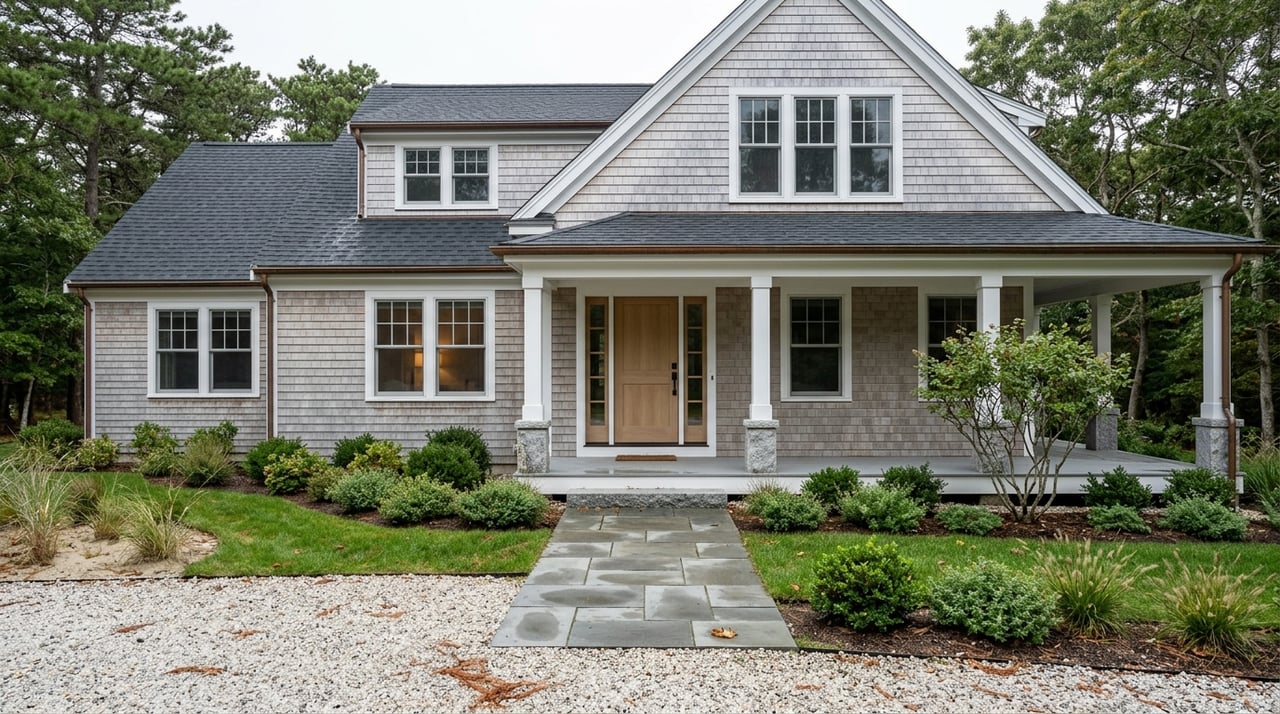
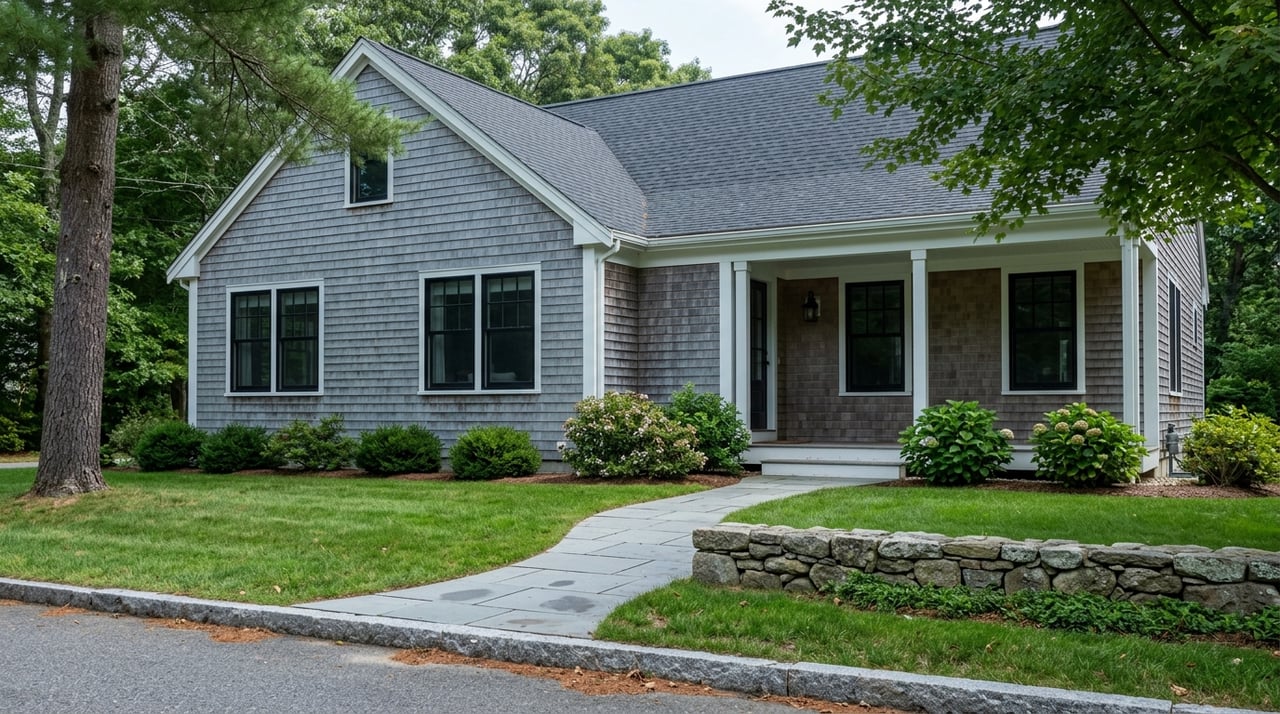
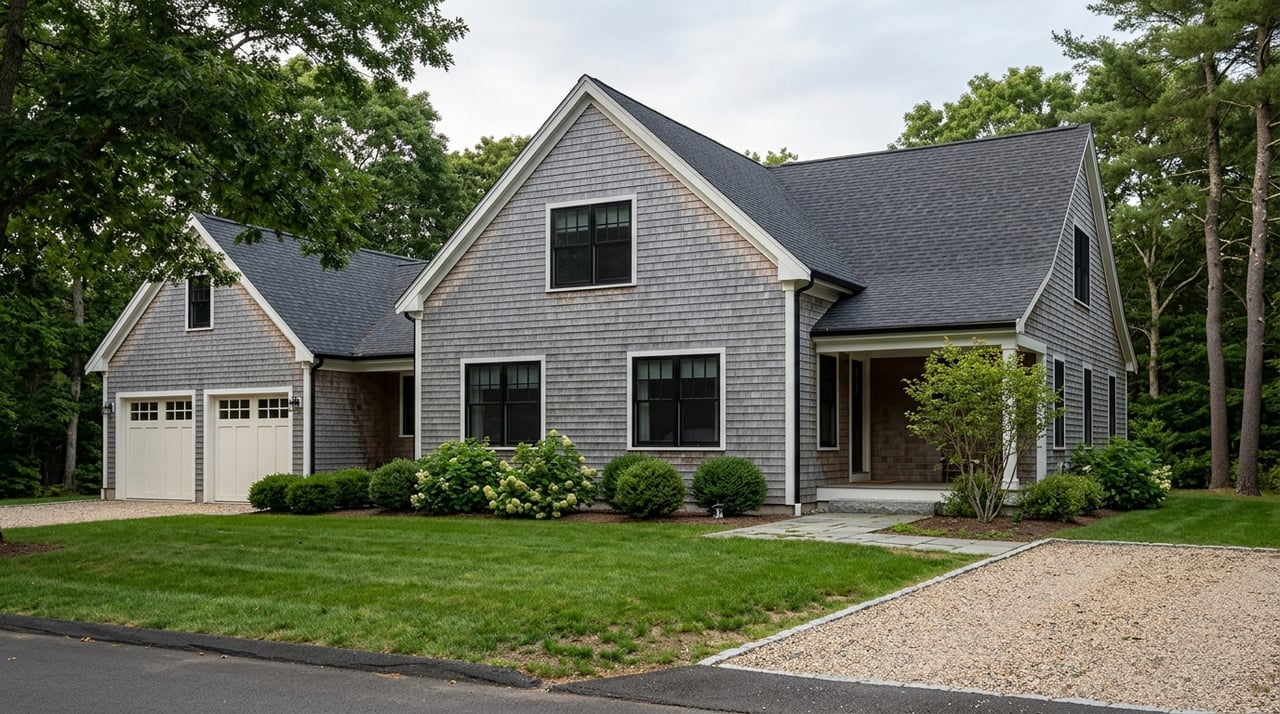
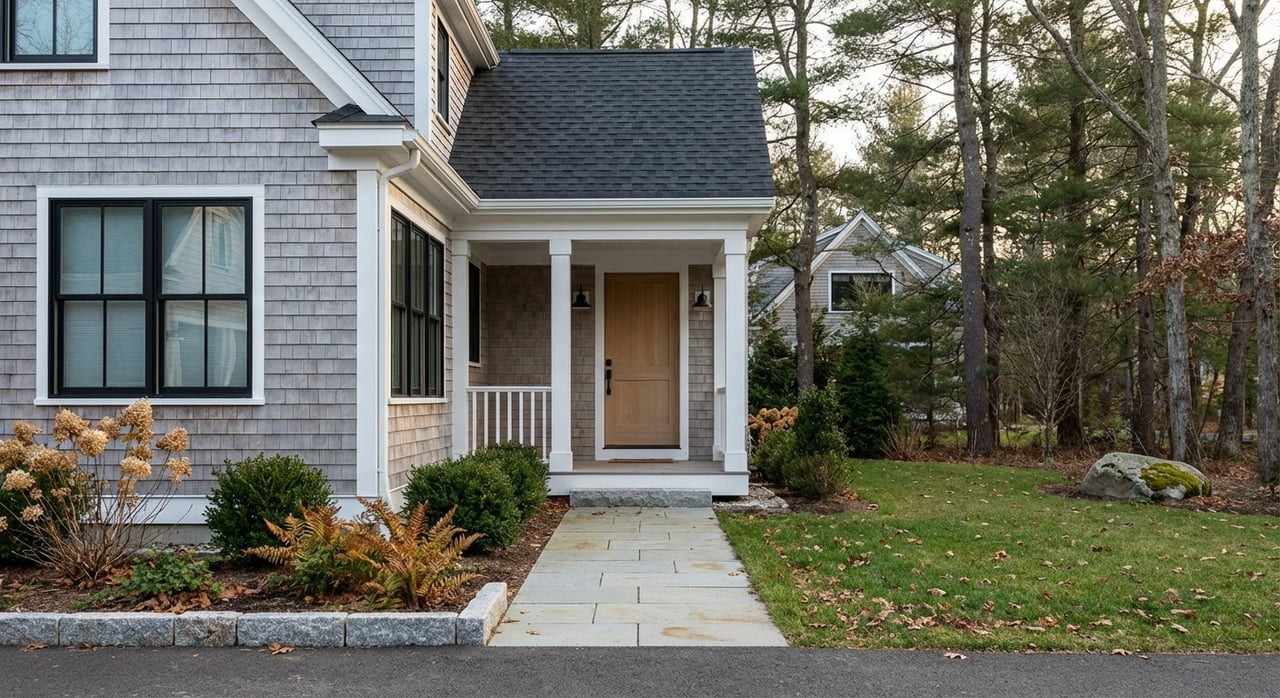
Chiltonville tends to suggest a more detached-home, lot-oriented setting. Town materials point to surviving historic homes on roads such as Doten Road, Clifford Road, and Sandwich Road, along with landmarks like Chiltonville Congregational Church and Bramhall’s Store. Altogether, the area feels rooted in local history without the same dense mixed-use pattern found downtown.
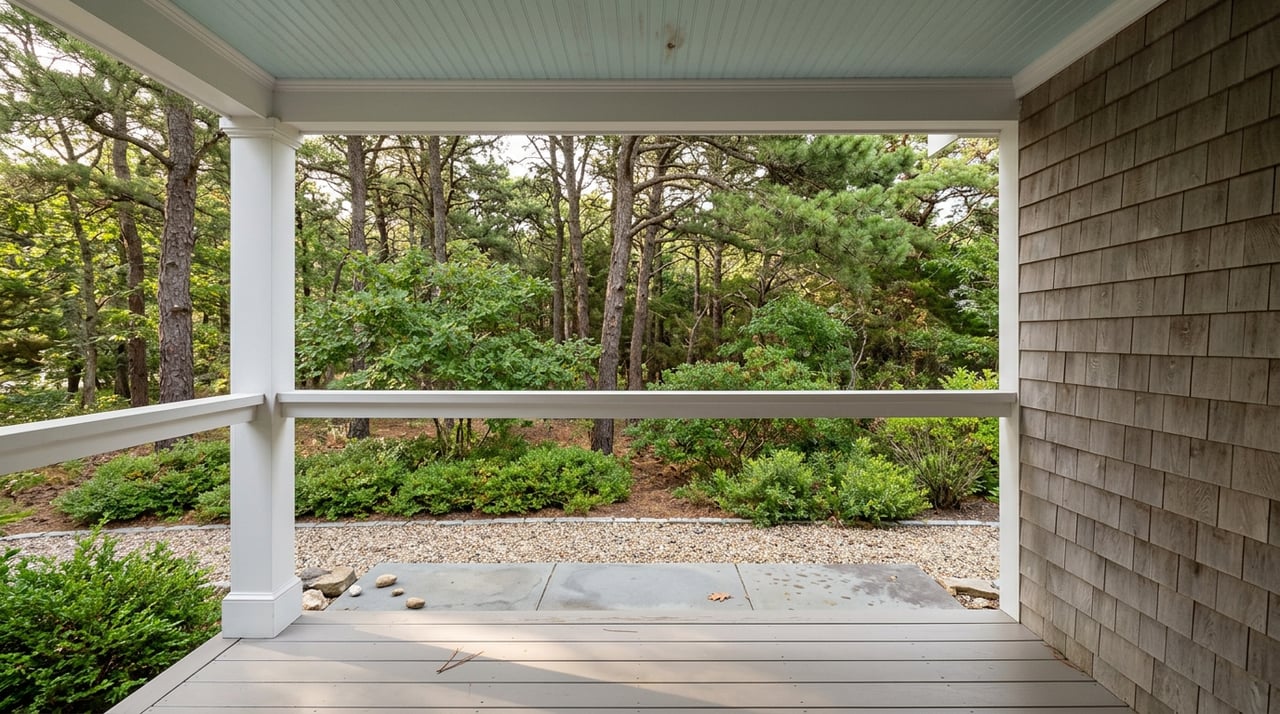
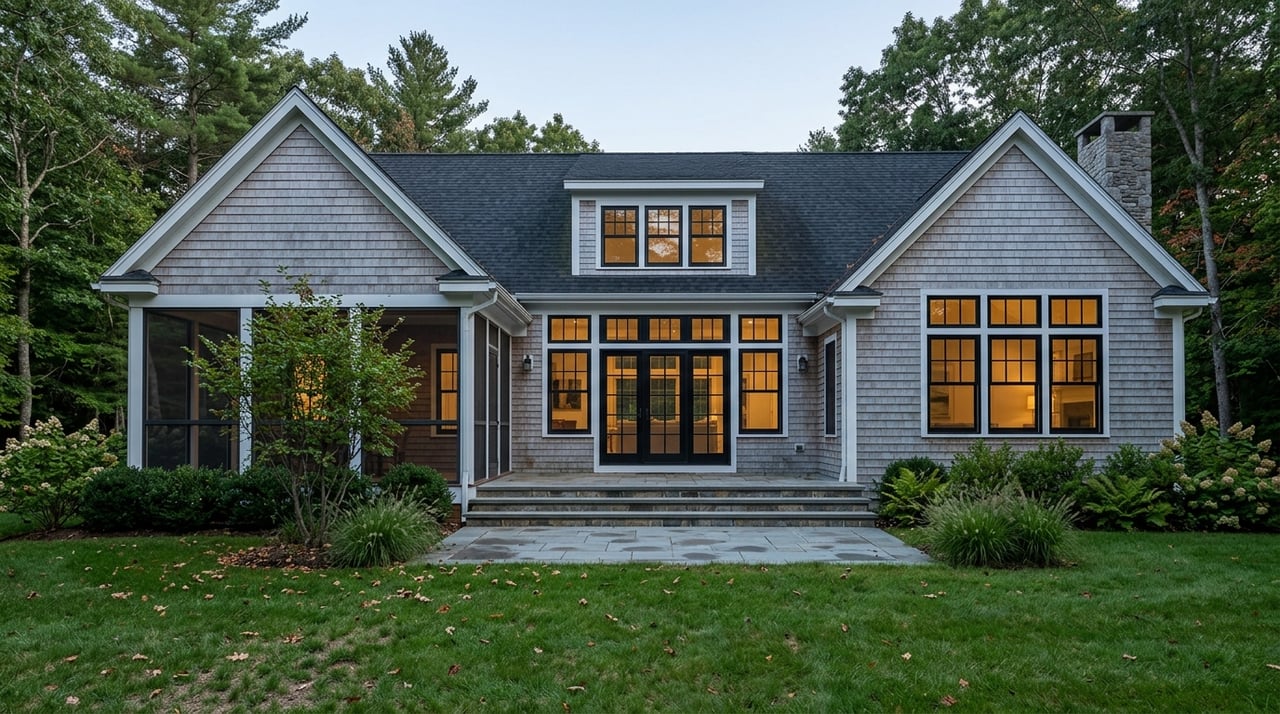
For buyers, that often means a more relaxed residential rhythm. Homes are typically part of a broader landscape story that includes the Eel River watershed, the harbor edge, and surrounding open space. If you value privacy, a quieter street scene, or a setting that feels less built-up, Chiltonville may better match your priorities.
Daily Life And Convenience
Why Downtown Appeals To Walkability Seekers
Downtown is the easier choice if you want to be near day-to-day destinations and civic life. Plymouth’s visitor information places the Historic and Cultural District in the heart of the waterfront and downtown, and the town’s circulation study describes Plymouth Center as a walkable district with a pedestrian-scale street system and numerous destinations. That can be a major advantage if you want more options within a short distance.
This kind of location can be especially attractive for downsizers, relocators, or buyers who want less dependence on a car for every small errand. You may find that being close to the center of town changes how you use your time. Instead of planning every outing, you may be able to step into the flow of town more easily.
Why Chiltonville Appeals To Quiet-Living Buyers
Chiltonville is better framed as a quieter residential base with nature nearby. The Eel River watershed covers about 15 square miles, runs about 3.9 miles to Plymouth Harbor, and is recognized by the town for its aesthetic and recreational value. That creates a lifestyle appeal that feels more rooted in scenery and open space than in concentrated amenities.
The Eel River Preserve adds to that appeal. The town notes that the preserve restored 1.5 miles of stream channel and 40 acres of cranberry bogs, and now includes a 2-mile trail. If outdoor access matters to you, Chiltonville offers a compelling setting for a more landscape-driven daily routine.
Parking, Traffic, And Getting Around
Downtown Transportation Realities
Downtown convenience comes with trade-offs. Plymouth’s circulation study says the older street network includes narrow roads, peak-period congestion, and strong demand for on-street parking near downtown. If you are considering this area, parking should be part of your decision from the start.
Park Plymouth notes that paid parking season runs from April 1 through November 30, generally from 9 a.m. to 7 p.m. Downtown and waterfront parking includes meters, surface lots, and a deck near Town Hall. For some buyers, that is a manageable part of downtown life. For others, especially those used to private driveways and easy access, it may feel like a drawback.
Chiltonville And Car Dependence
Chiltonville is typically the more car-dependent option for everyday errands. Plymouth is primarily a car-and-bus town, and the circulation study says MBTA commuter rail service was indefinitely terminated in April 2021. That town-wide reality matters whether you live downtown or in Chiltonville, but it is usually felt more strongly in village-style residential areas.
GATRA provides bus service along central corridors including Route 3A, Water Street, Summer Street, South Street, and Obery Street. The town also lists CAL Express, Dial-A-Ride, medical transportation, and ADA paratransit. Those services may be especially helpful for downsizers or buyers planning for long-term convenience.
Which Lifestyle Fits You Best?
If you picture yourself living near the waterfront, enjoying a walkable center, and being close to civic and commercial activity, Downtown Plymouth may be the stronger match. It tends to suit buyers who value access, energy, and architectural character, and who are comfortable with parking rules and historic-district review for certain exterior changes. In exchange, you get a front-row seat to the most active part of town.
If you picture yourself in a quieter setting with older village character, more open-space appeal, and a strong connection to the Eel River and harbor landscape, Chiltonville may be the better fit. It tends to appeal to buyers who want a calmer pace and a more residential feel. In exchange, you are likely giving up some of downtown’s immediate walkability and destination density.
A Smart Way To Compare The Two
When you tour these areas, focus on how you want your day to feel. Think about whether you want to step out into a walkable center or return home to a more tucked-away setting. Also consider how much importance you place on parking, exterior renovation flexibility, outdoor access, and how often you expect to drive.
For many buyers, this is less about which area is better and more about which area is more natural for the life you want to live. That is where local guidance makes a real difference. A thoughtful comparison can help you avoid choosing a home that looks right on paper but feels wrong in practice.
If you are weighing Downtown Plymouth versus Chiltonville, working with a local expert can help you compare not just homes, but the day-to-day experience behind each address. For personalized guidance on Plymouth neighborhoods, your next move, or downsizing options, connect with Lynne Morey.
FAQs
Is Downtown Plymouth more walkable than Chiltonville?
- Yes. Town materials describe Plymouth Center and downtown as a walkable district with a pedestrian-scale street system and numerous destinations, while Chiltonville is better understood as a quieter residential area with more reliance on a car.
Does living in Downtown Plymouth involve historic district rules?
- It can. The downtown area sits within Plymouth’s local historic district, and exterior changes visible from a public way may be subject to local historic district review.
What kind of homes are common in Chiltonville?
- Chiltonville is best described as a more detached-home, lot-oriented area with older village character and a stronger connection to open space than downtown’s tighter mixed-use fabric.
Is parking harder in Downtown Plymouth?
- In many cases, yes. Town and parking sources note narrow streets, parking demand near downtown, and a paid parking season from April 1 to November 30, generally from 9 a.m. to 7 p.m.
Does Chiltonville offer access to trails and nature?
- Yes. The Eel River Preserve includes a 2-mile trail, and the broader Eel River watershed is noted by the town for its aesthetic and recreational value.
Is Plymouth a commuter rail town right now?
- No. The town’s circulation study says Plymouth’s MBTA commuter rail service was indefinitely terminated in April 2021, so local transportation is more centered on driving and bus-based services.