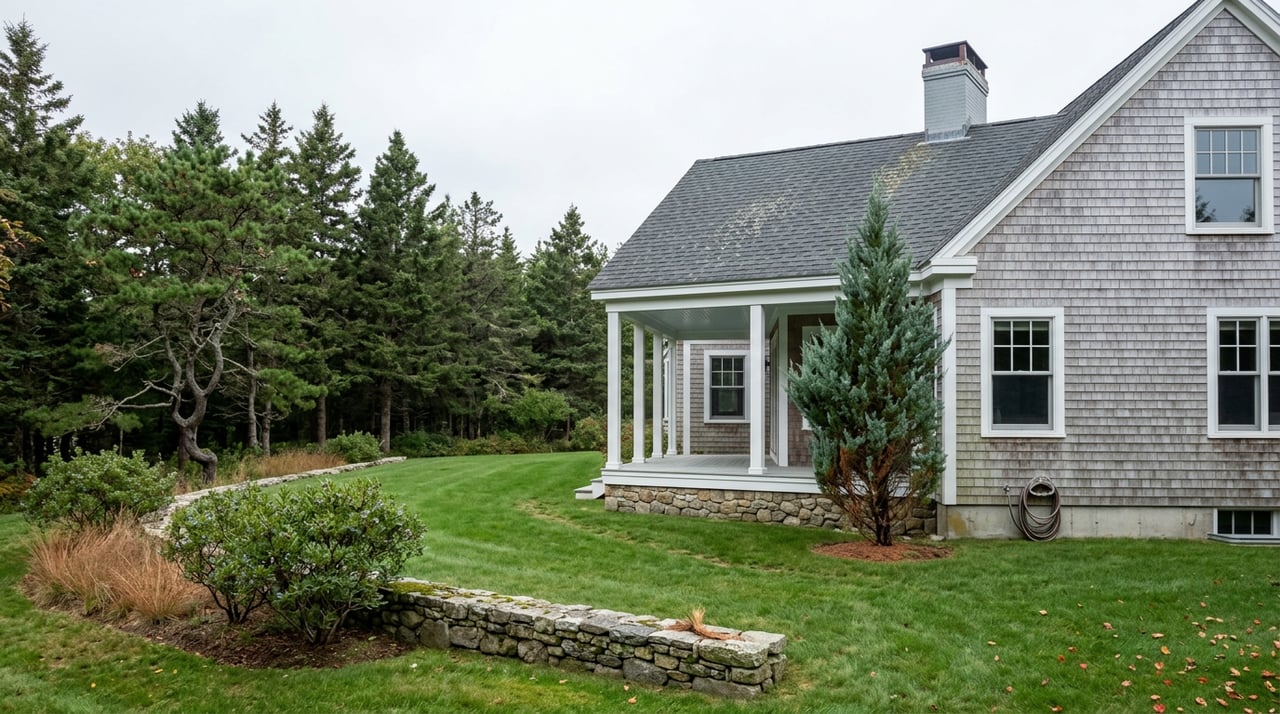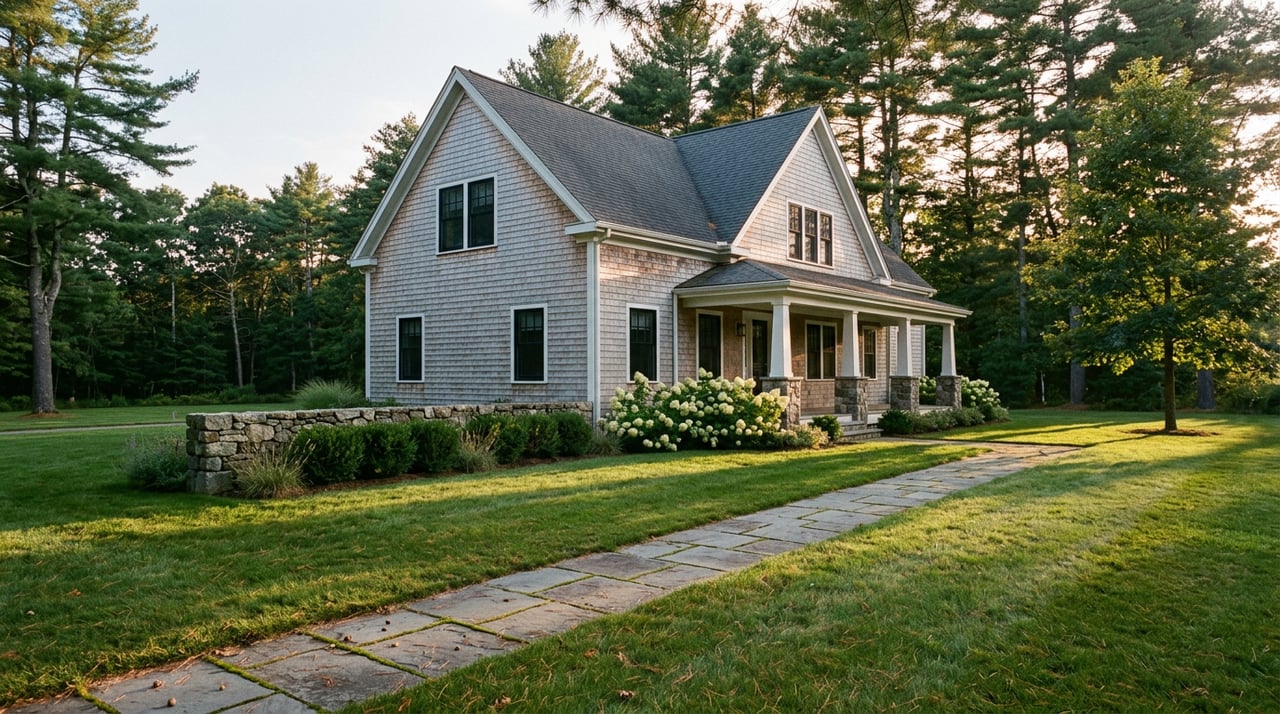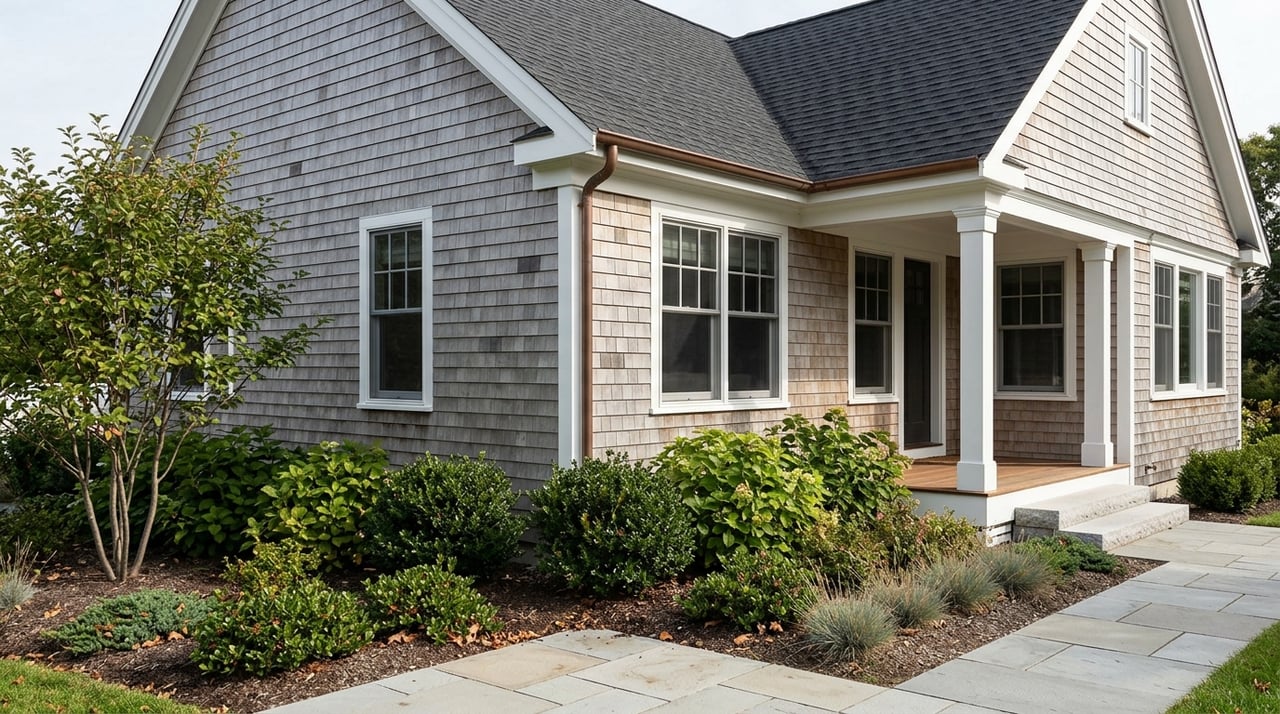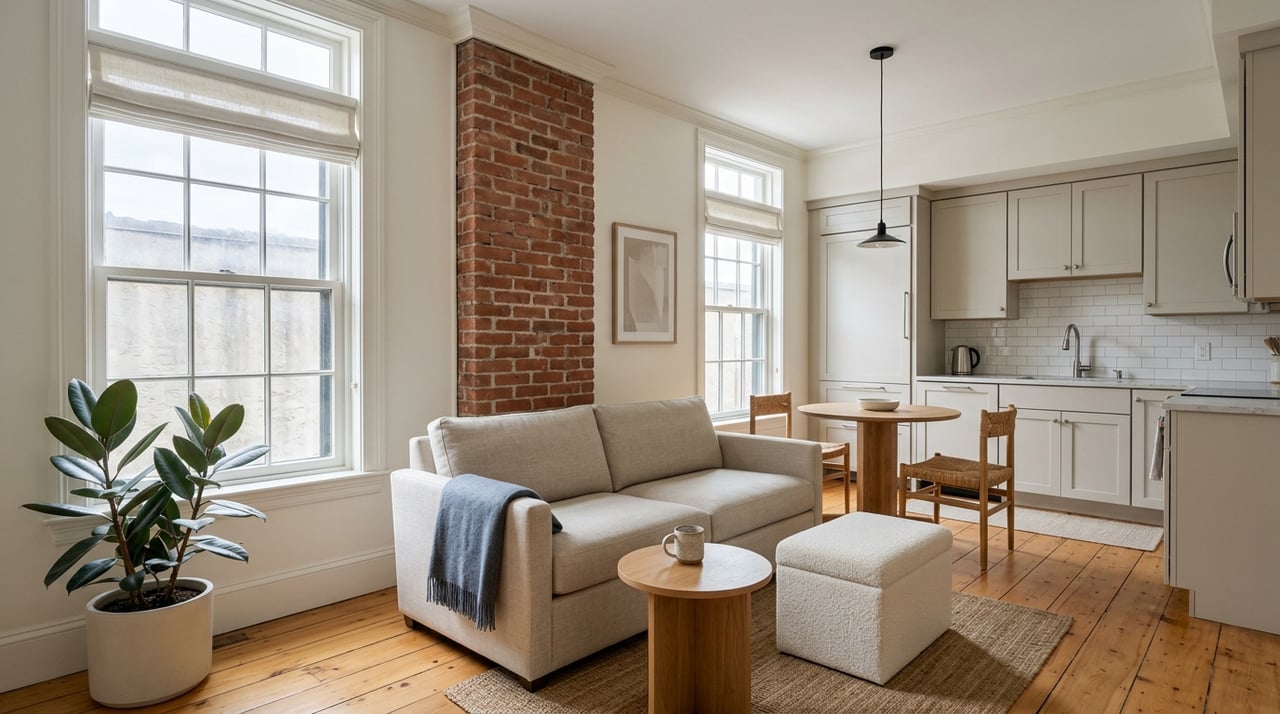
Selling a compact home in Downtown Plymouth can feel tricky at first. You want your place to look spacious, polished, and inviting without stripping away the character that makes it special. The good news is that small homes and condos often shine brightest when you do less, not more. With the right staging approach, you can highlight light, flow, and historic charm in a way that helps buyers picture themselves living there. Let’s dive in.
Why Downtown Plymouth staging is different
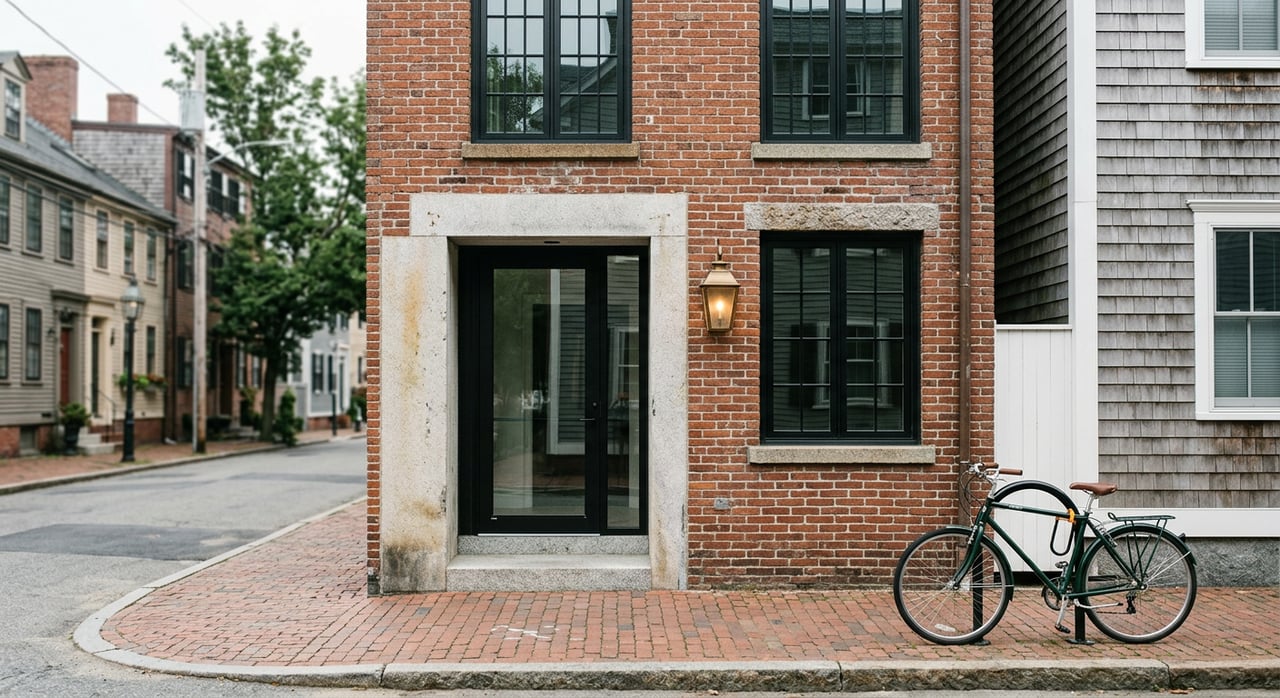
Downtown Plymouth is not a typical suburban setting. Plymouth Center is defined by a traditional village pattern, a waterfront setting, and older blocks and streets that create a classic downtown feel.
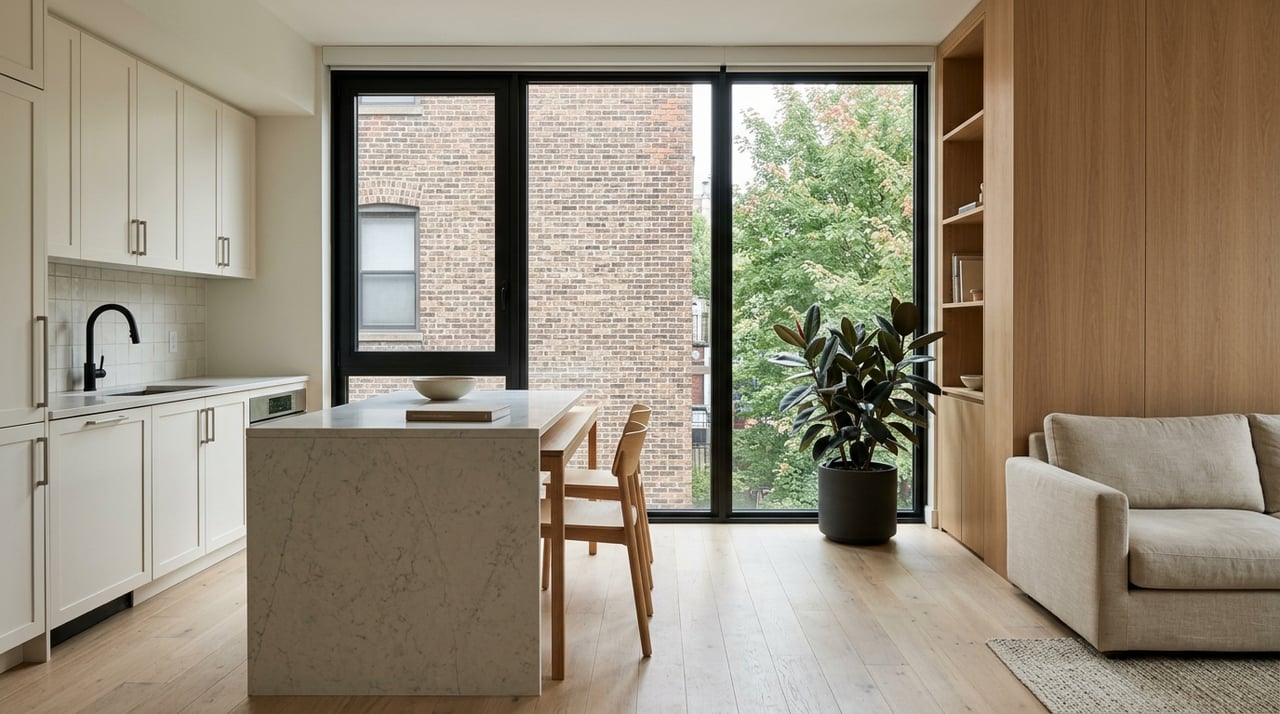
That matters when you stage a home here. In a compact downtown house or condo, oversized furniture, heavy décor, and too many accessories can compete with the very features buyers came to see. A lighter, more edited presentation usually works better because it lets the room proportions, natural light, and original details take center stage.
Start with editing, not decorating
If you only do one thing before listing, start by removing excess. According to the National Association of Realtors 2025 Profile of Home Staging, decluttering was the most common recommendation from listing agents, followed closely by cleaning the entire home.
In a smaller Downtown Plymouth property, clutter shows up fast. Full counters, crowded shelves, and packed corners make rooms feel tighter than they are. When you clear surfaces and cut back on furniture, buyers can focus on the home instead of your belongings.
Here is a simple order to follow:
- Clear countertops and horizontal surfaces
- Pack away personal items and extra décor
- Remove furniture that blocks walkways
- Store off-season clothing and excess household items
- Deep clean every room
- Repair small visible issues before photos and showings
This kind of editing is especially useful in downtown condos, cottages, and older attached homes where every inch counts.
Prioritize the rooms buyers notice most
Not every room carries the same weight. NAR reported that buyers’ agents ranked the living room, primary bedroom, and kitchen as the most important spaces for staging.
That gives you a clear roadmap. If your budget or time is limited, focus there first. In many compact Plymouth homes, those rooms set the tone for the whole showing.
Stage the living room for openness
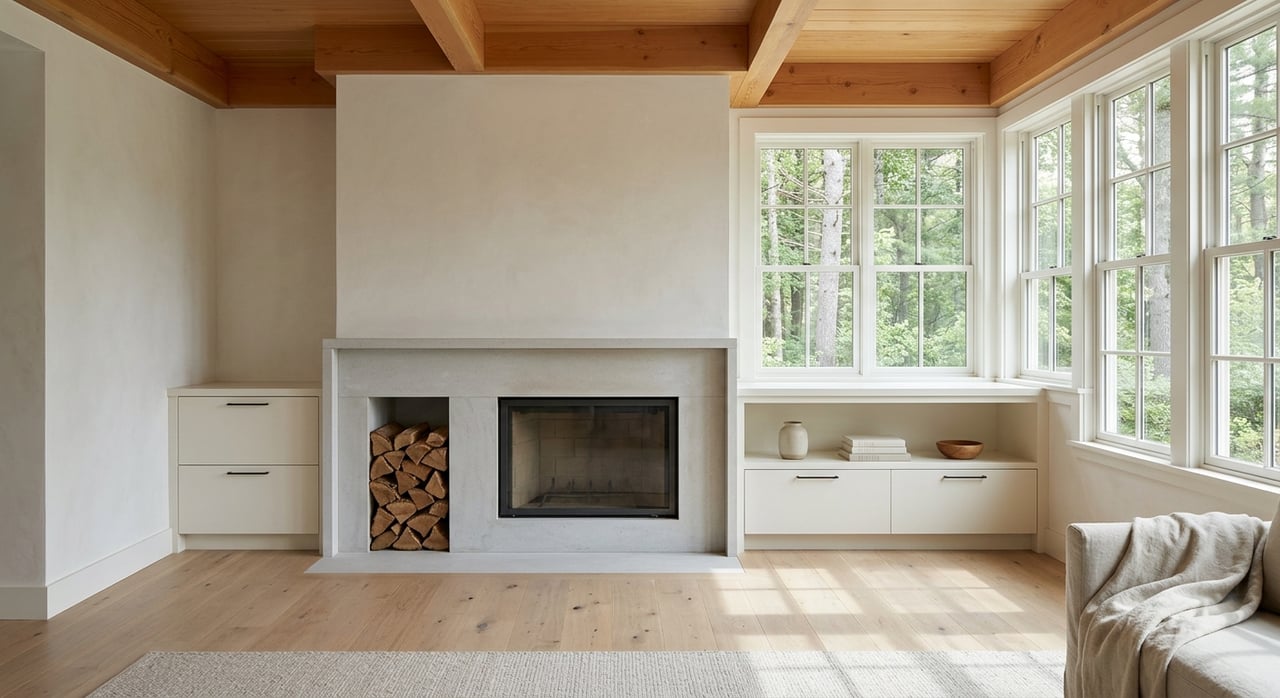
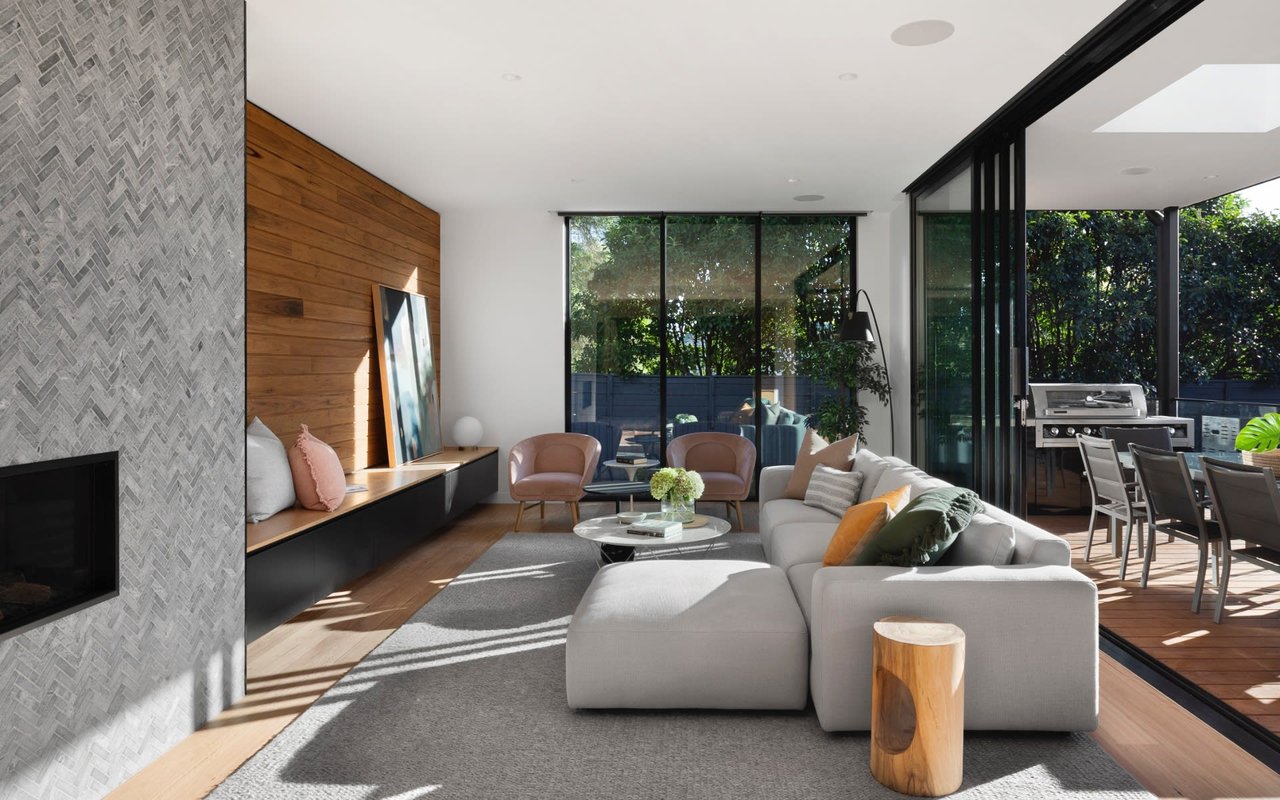
The living room is often where buyers decide whether a smaller home feels comfortable or cramped. Too much seating, bulky tables, or furniture pushed into odd spots can make the room feel undersized.
Use fewer pieces and make sure each one fits the scale of the room. Leave clear walking paths and create one obvious conversation area. If the home has historic trim, built-ins, or a mantel, keep those features visible instead of blocking them.
Make the primary bedroom feel calm
Bedrooms should feel restful, not crowded. NAR guidance notes that excess furniture and undefined spaces can confuse buyers or make a room seem smaller.
In a compact bedroom, keep the bed as the focal point and remove extra seating, storage pieces, or personal collections if they make the room feel full. Crisp bedding, open floor space, and simplified nightstands can make a big difference.
Keep the kitchen bright and clean
Kitchens do not need elaborate styling to impress. They need to feel clean, functional, and easy to maintain.
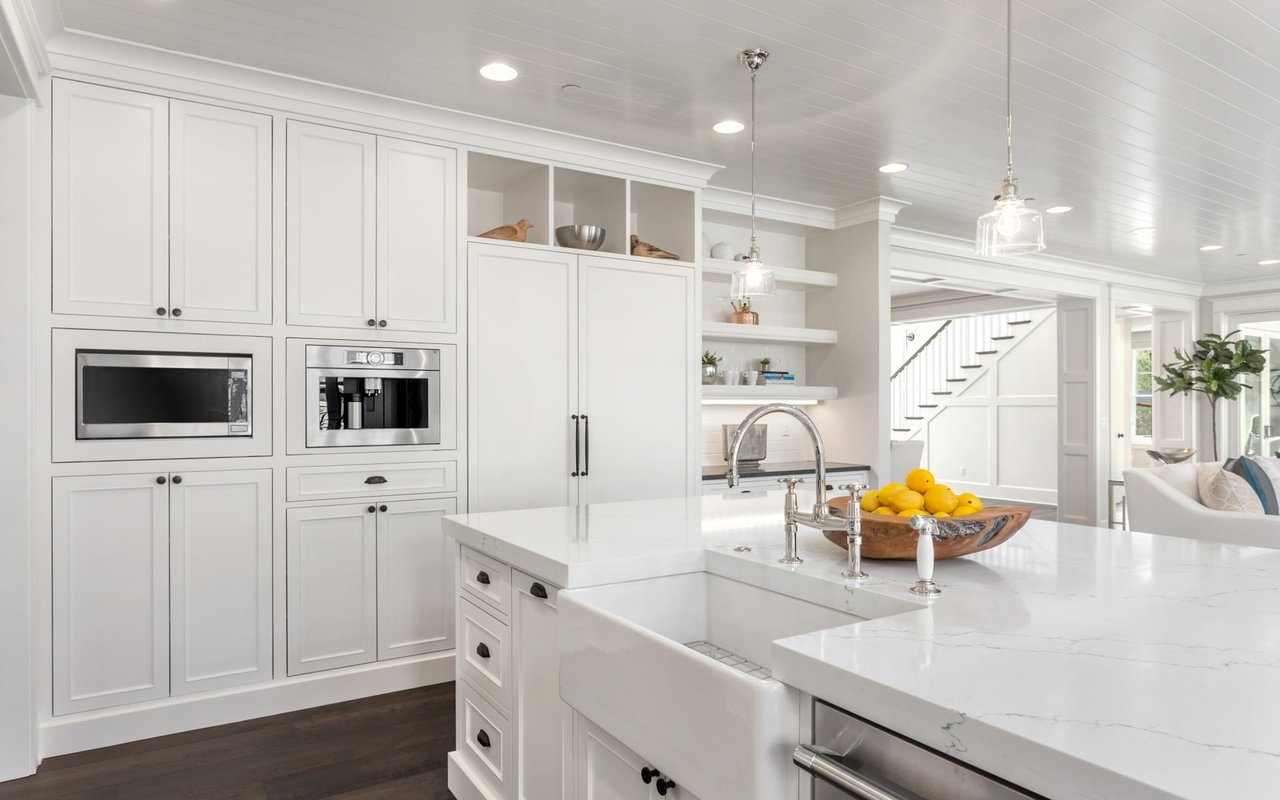
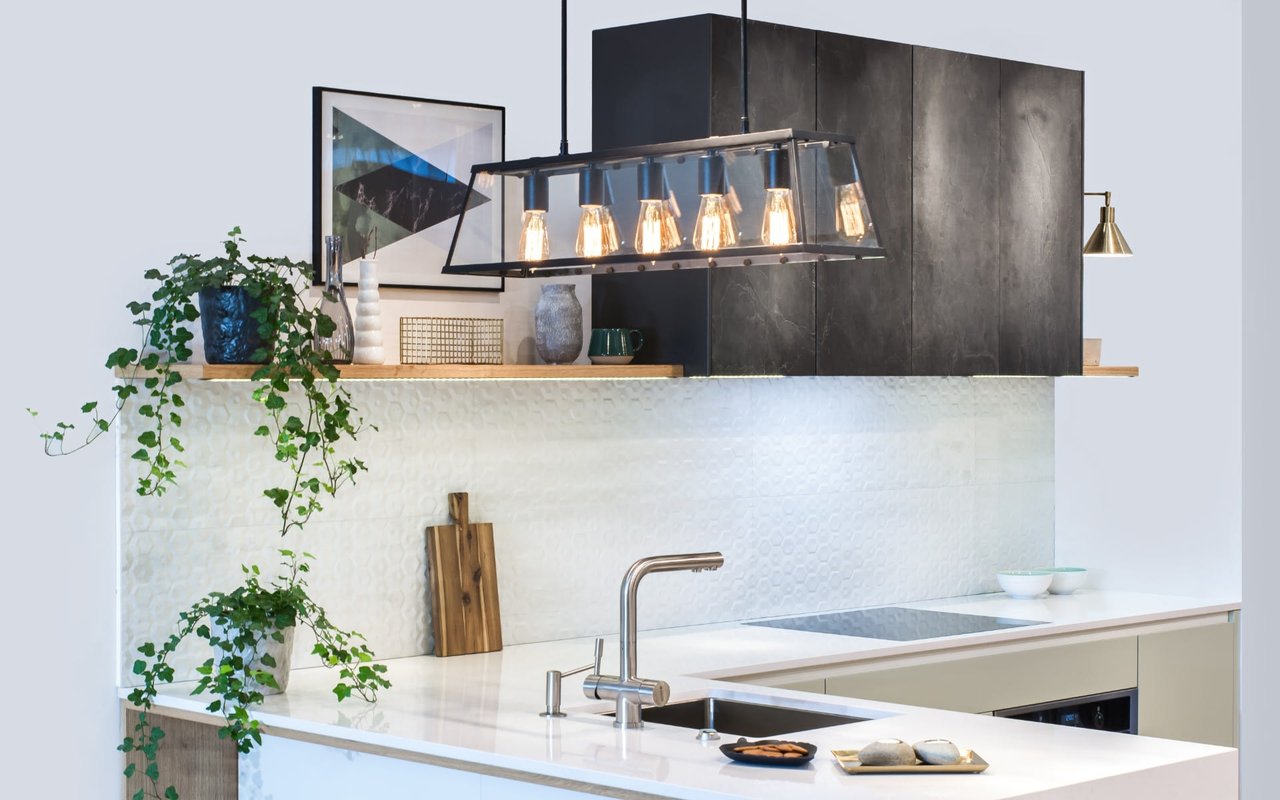
Clear counters almost completely. Leave only a few restrained accents if needed. If your kitchen is smaller, bright lighting and a simple, uncluttered setup can help it feel more open in both photos and in person.
Define every nook and small space
Compact downtown homes often include alcoves, loft corners, bonus rooms, or small flex areas. These spaces can be charming, but if their purpose is unclear, buyers may see them as awkward.
NAR’s staging guidance supports giving each room or nook a clear function. A small corner might become a reading area, a tidy desk space, or a compact dining setup. The goal is not to overfill the area, but to show how it can work in daily life.
When a buyer can instantly understand a space, the whole home feels more usable.
Use the right furniture scale
One of the fastest ways to make a compact home look smaller is to use furniture that is too large. Deep sectionals, oversized coffee tables, and heavy bedroom sets can eat up valuable visual space.
Instead, choose pieces that fit the room and leave breathing room around them. You do not need to make the home look empty. You want it to feel comfortable, balanced, and easy to move through.
This is especially important in Downtown Plymouth homes where room layouts may reflect older design patterns. Clean circulation and clear sightlines help buyers feel the home is functional and well cared for.
Let light do more of the work
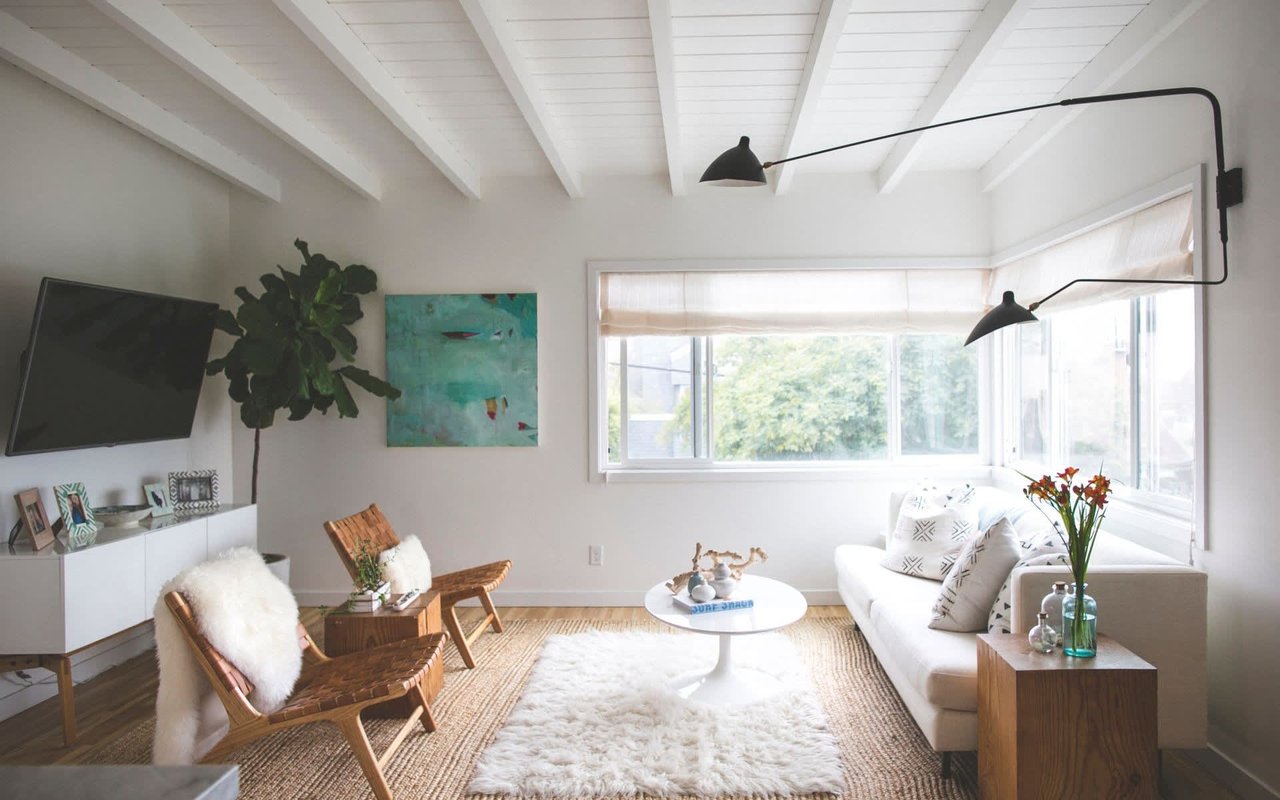
Light is one of your best staging tools. NAR recommends opening blinds and curtains, keeping lighting consistent, and using bulbs that help rooms feel brighter.
That advice matters even more in smaller homes. Natural light can make walls feel less confining and help a room photograph better. Warm neutral tones can also reflect light and visually recede, which helps compact spaces feel calmer and more open.
Before photography or a showing, try this checklist:
- Open blinds and curtains fully where appropriate
- Replace dim or mismatched bulbs
- Turn on lamps in darker corners
- Remove heavy window treatments if they block light
- Keep window areas clean and simple
In a historic downtown setting, this lighter look often complements the home’s architecture instead of fighting it.
Highlight character instead of covering it up
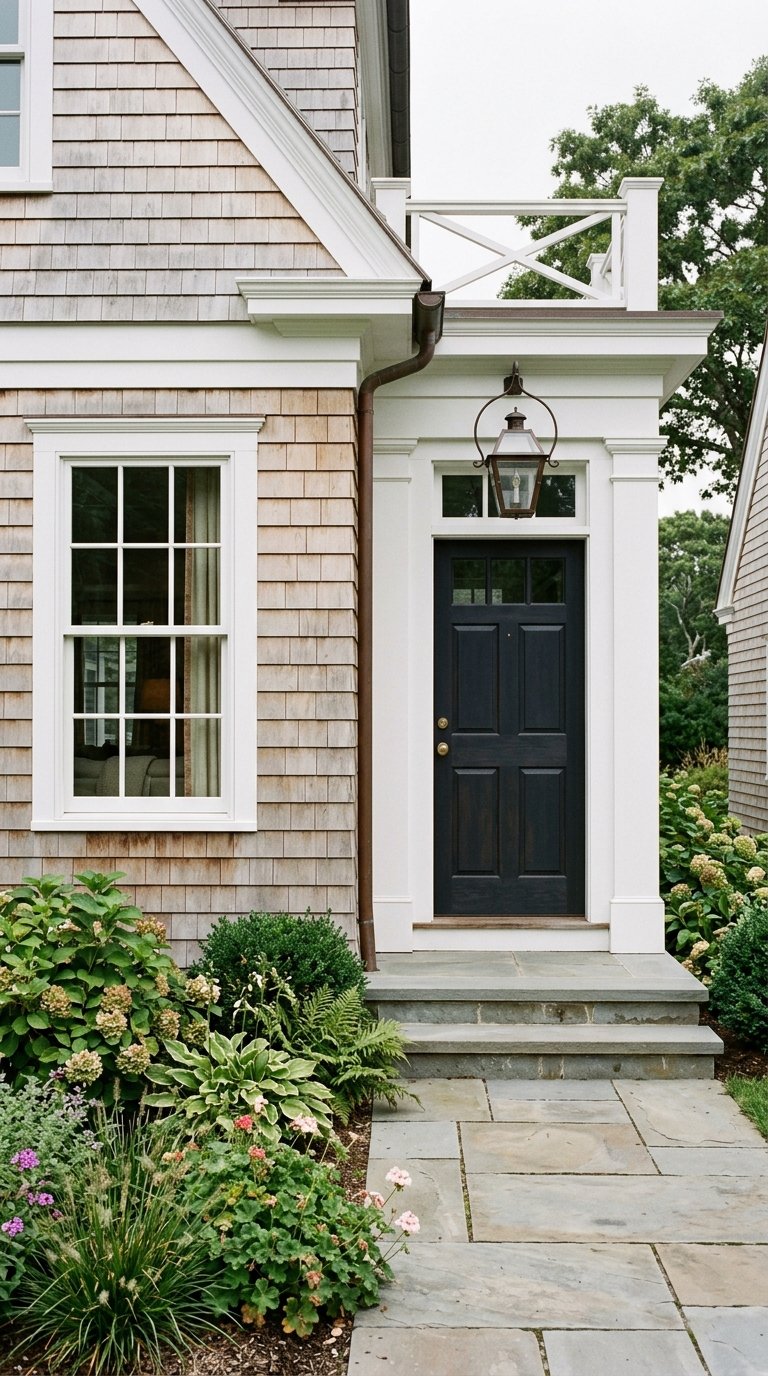
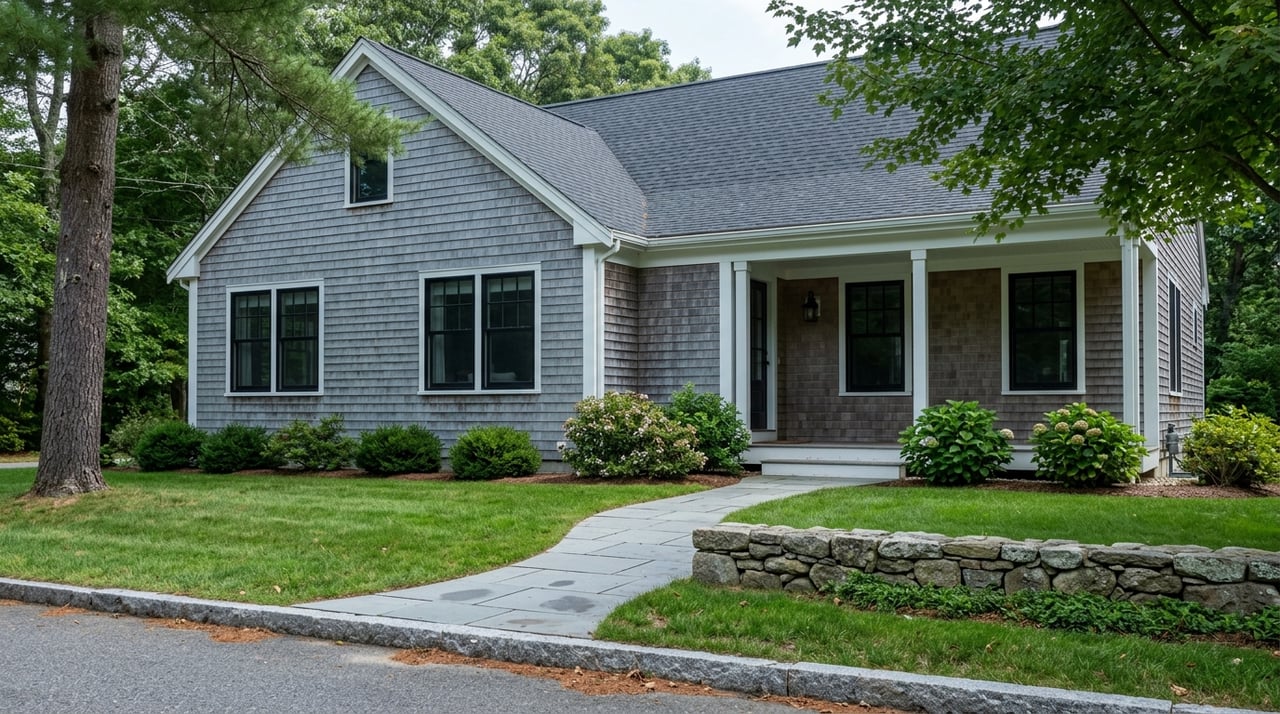
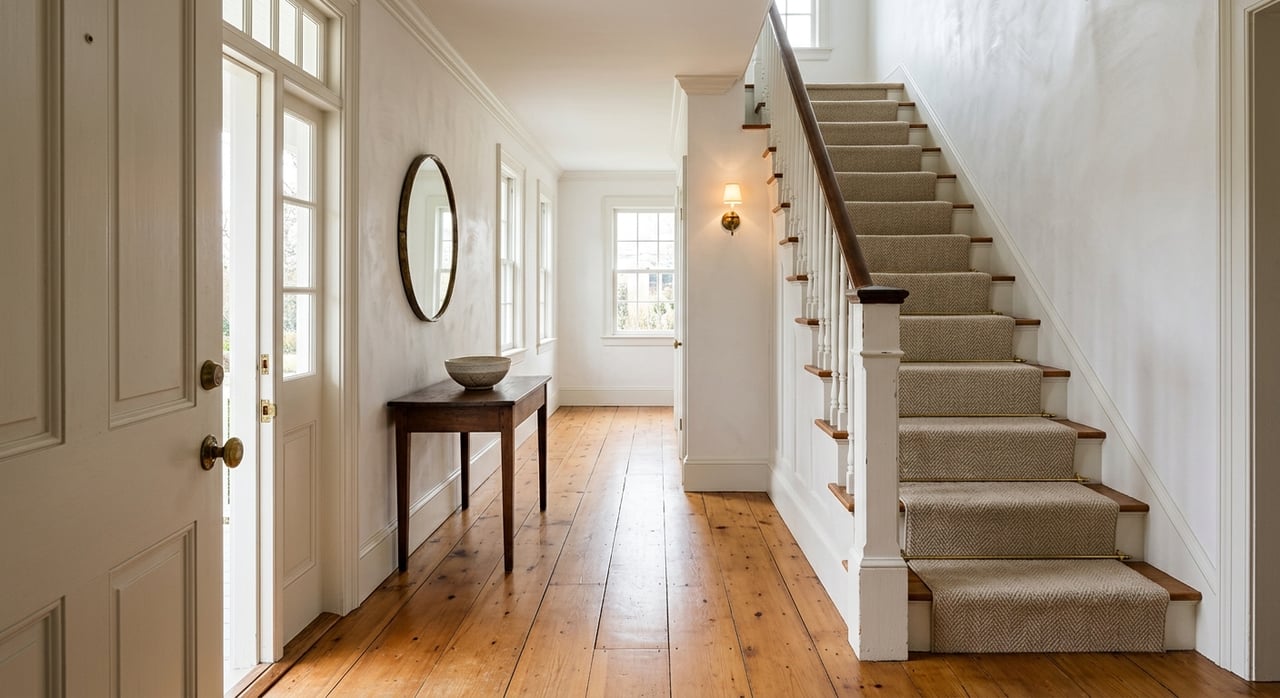
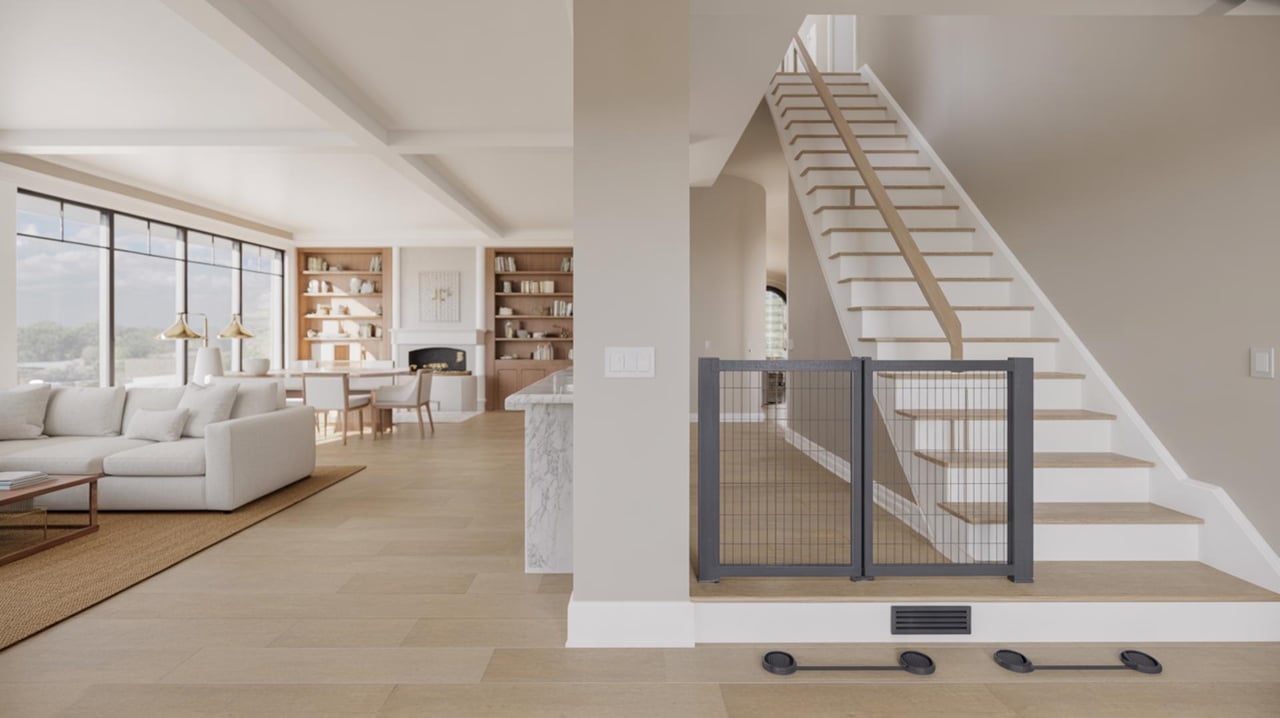
Downtown Plymouth has a strong historic identity, and many homes in or near the center reflect that character. If your property includes original trim, built-ins, stair details, mantels, or older windows, staging should help those features stand out.
That usually means restraint. Busy patterns, too many accessories, and large furniture can hide the details that give the home its appeal. A cleaner setup lets buyers notice craftsmanship and texture more easily.
Small homes can still feel upscale. In fact, a polished, light-filled, well-edited room often feels more refined than one packed with decorative items.
Be careful with exterior changes
If your property is in Plymouth’s Historic District, exterior changes visible from a public way may require review and approval from the Historic District Commission. The town notes that items such as paint color, windows, lighting fixtures, signs, and similar exterior features may fall under that review.
That means you should not assume a last-minute exterior update is simple. The town’s guidance says exterior work applications must include details such as photos, materials, colors, and plans, and work completed without approval can trigger fines under state and local law.
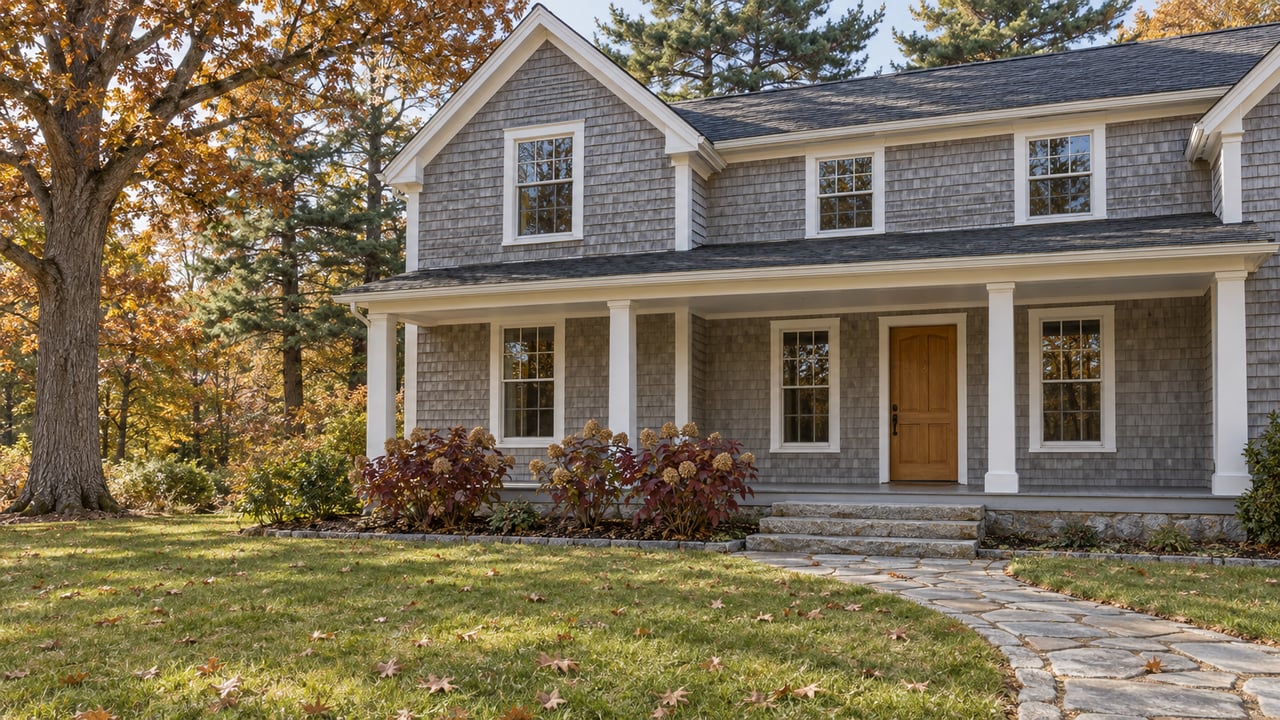
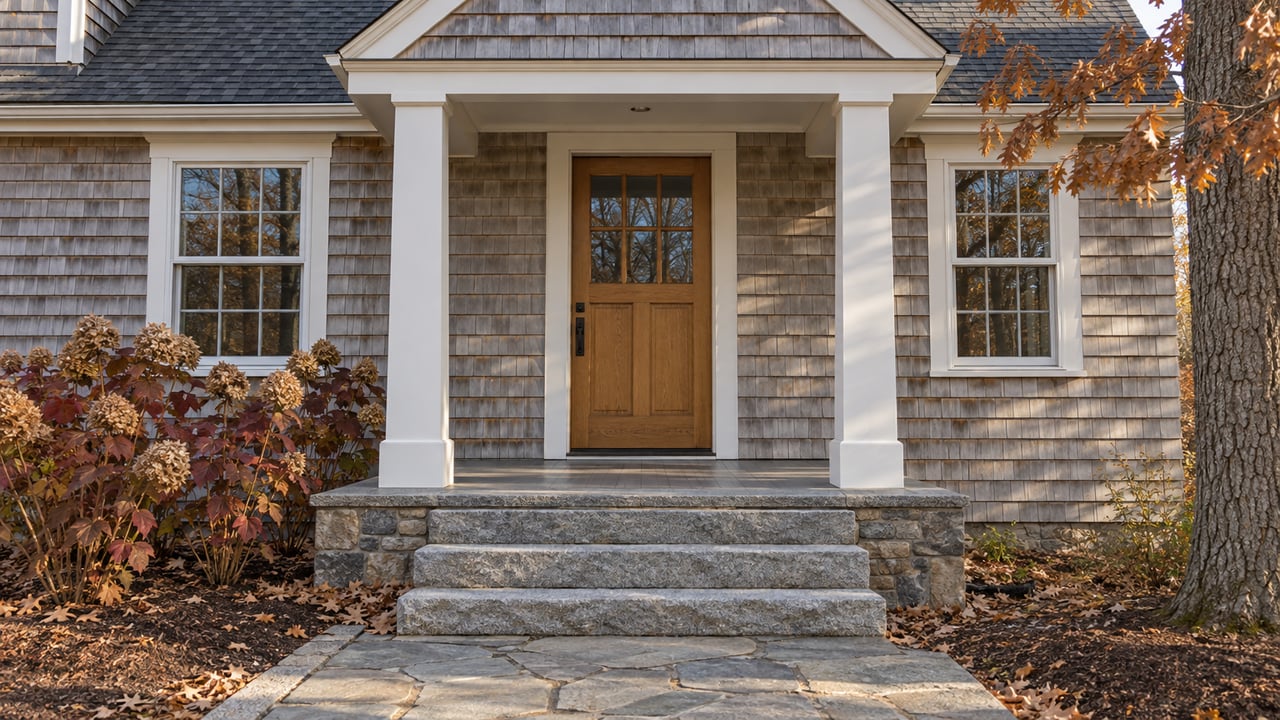
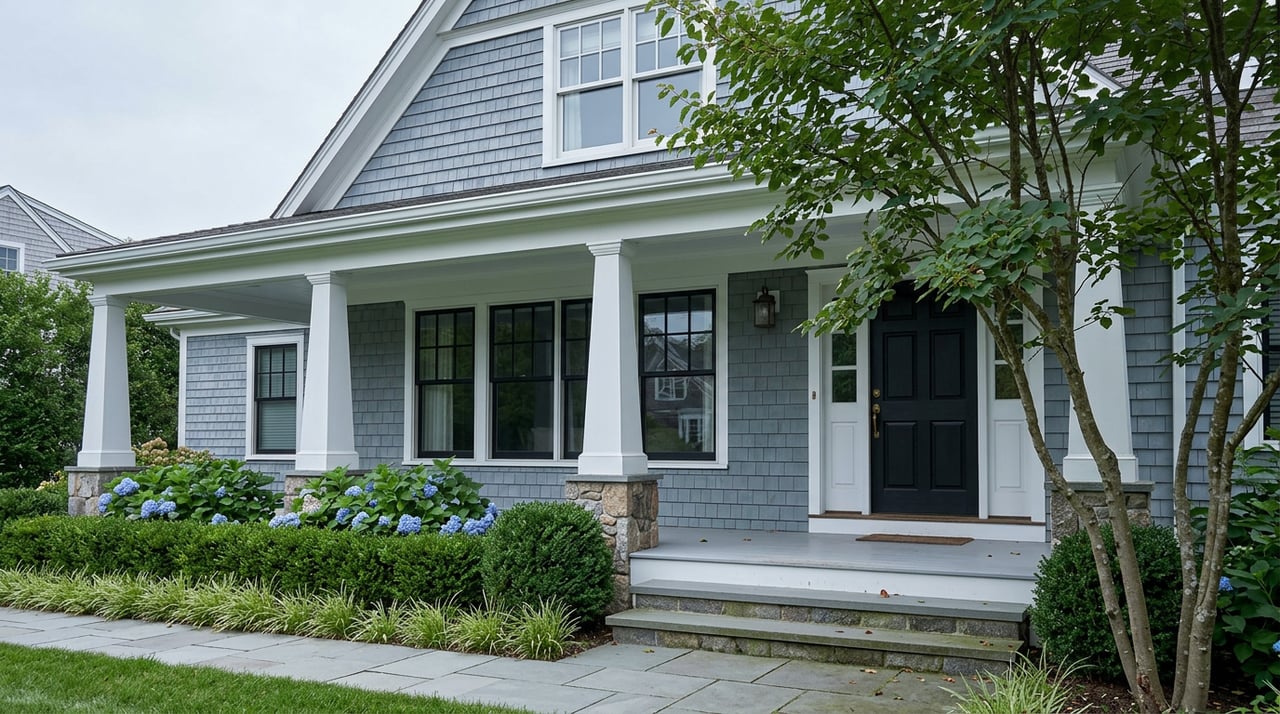
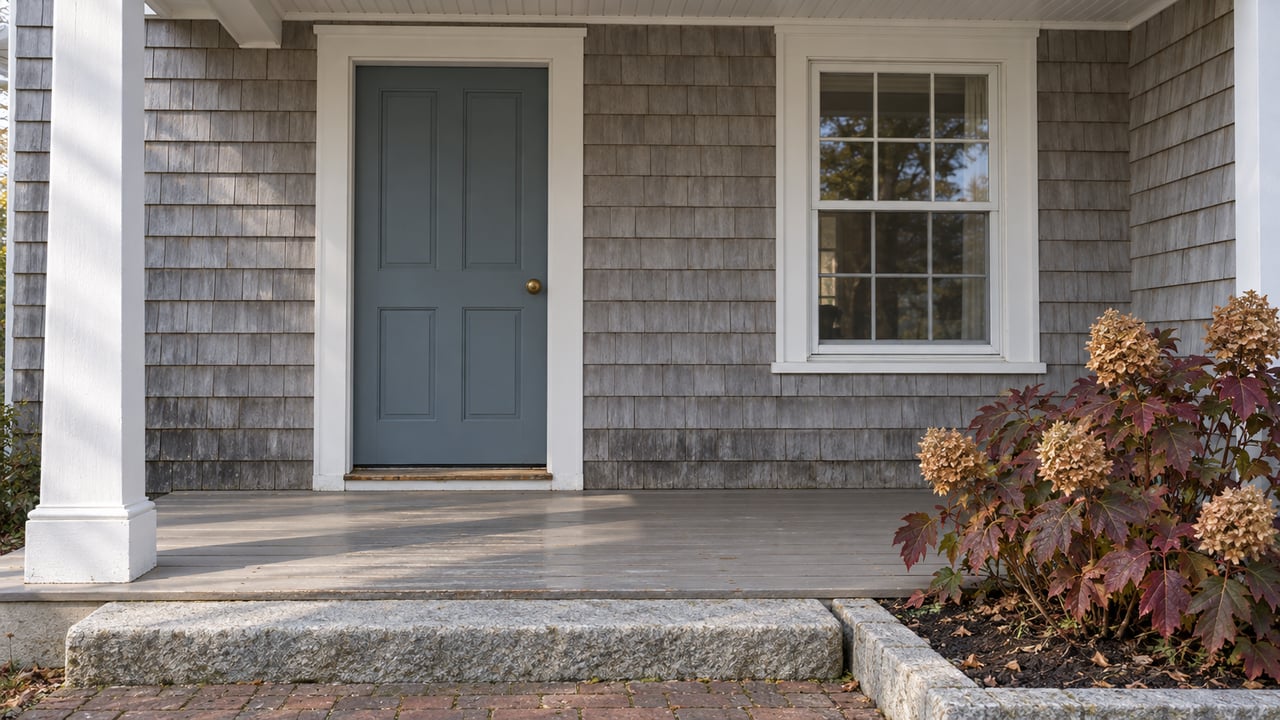
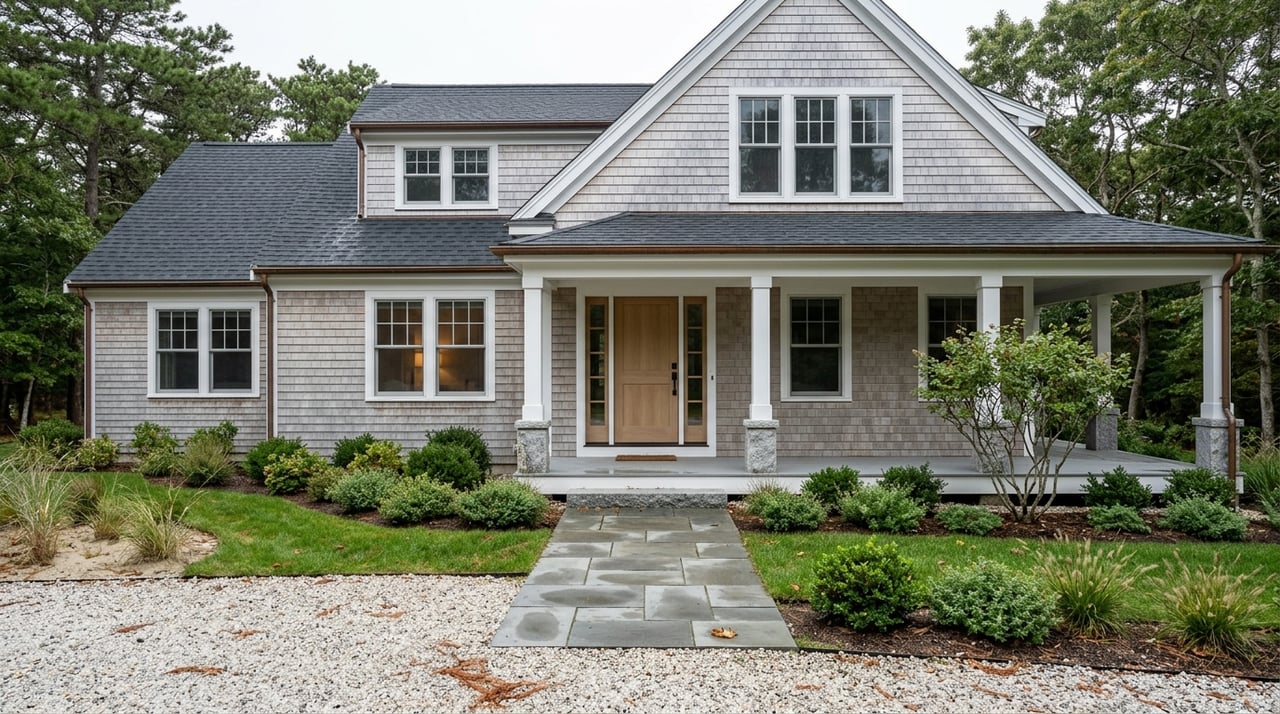
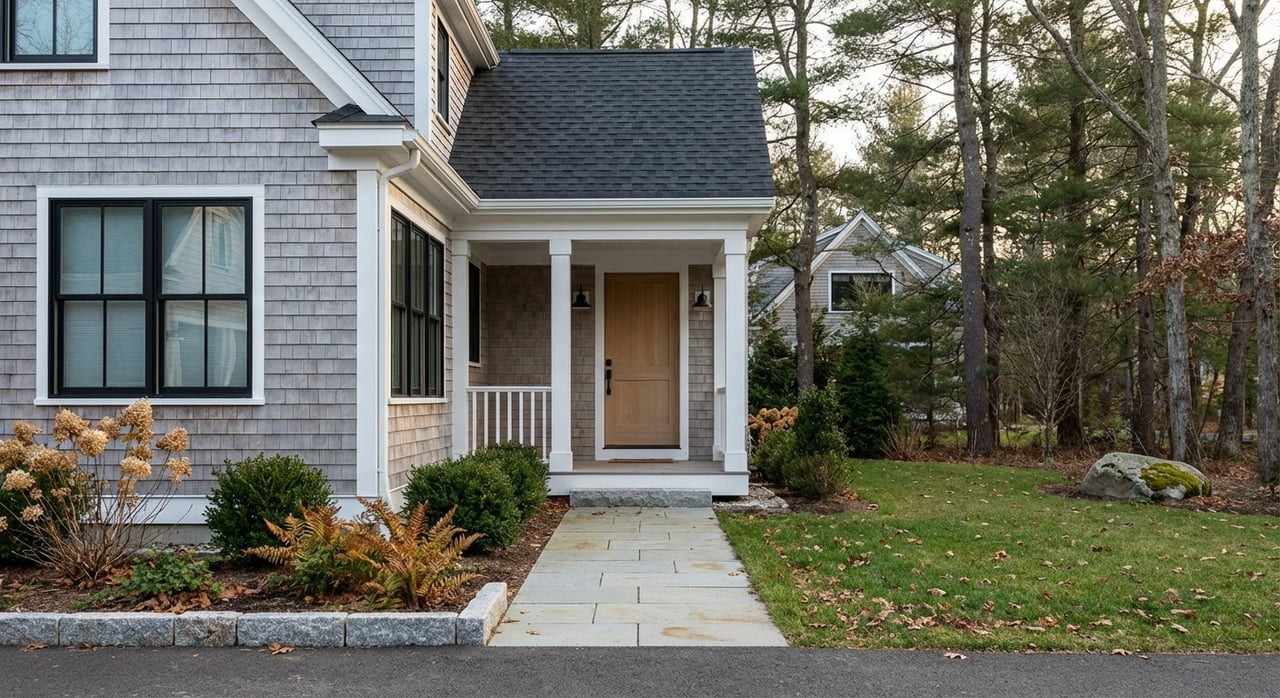
For staging purposes, focus first on lawful, low-risk presentation basics like tidiness, cleanliness, and a neat entry experience. If you are considering visible exterior changes before listing, it is smart to confirm local requirements early.
Match the home to the marketing
Great staging works best when it lines up with strong visuals. NAR found that 73% of buyers’ agents rated listing photos as highly important, ahead of videos and virtual tours.
That means your staging plan should be built with photography in mind. Clear surfaces, good lighting, and a believable level of polish tend to translate well online, where many buyers first decide whether to schedule a showing.
Traditional physical staging still matters too. NAR reported that 57% of buyers’ agents rated physical staging as important, and 43% said the same about virtual tours.
If a room is vacant or difficult to visualize, virtual staging can help. But the presentation should still feel realistic, and any photo enhancements that materially alter the property should be disclosed. Buyers respond best when the home they tour matches the home they saw online.
What staging can help you achieve
Staging is not magic, but the research suggests it can make a meaningful difference. NAR’s 2025 report found that 29% of agents said staging led to a 1% to 10% increase in the dollar value offered, and 49% said it reduced time on market.
Just as important, 83% of buyers’ agents said staging makes it easier for buyers to visualize the property as their future home. That is the real goal. In a compact Downtown Plymouth home, thoughtful staging helps buyers see possibility instead of limitations.
A smart staging mindset for Downtown Plymouth
The best staging plan for a compact downtown property is usually not about adding more. It is about making thoughtful choices so the home feels open, useful, and true to its setting.
In Plymouth, that often means clean lines, right-sized furnishings, brighter rooms, and respect for the home’s original character. When your space is edited with care and marketed with strong visuals, it can feel both inviting and elevated.
If you’re preparing to sell in Downtown Plymouth and want guidance on positioning your home for today’s buyers, Lynne Morey can help you create a staging and marketing plan that fits your property and your goals.
FAQs
Which rooms should you stage first in a compact Downtown Plymouth home?
- Start with the living room, primary bedroom, and kitchen, since NAR’s 2025 staging research found these are the spaces buyers notice most.
Can a small Downtown Plymouth home still feel high-end?
- Yes. A smaller home can feel polished and upscale when it is decluttered, well lit, and furnished at the right scale.
Should you renovate a historic Downtown Plymouth home before listing?
- If you are considering exterior changes visible from a public way, check whether Historic District Commission review is required first. Inside, it is often more effective to highlight original character rather than cover it up.
Is virtual staging enough for a Downtown Plymouth listing?
- Virtual staging can help buyers understand a vacant room, but physical staging and strong listing photos still matter. The online presentation should match what buyers will actually see in person.
How full should closets be when staging a smaller Plymouth condo or house?
- Keep closets only partly full rather than packed, since overcrowded storage areas can make the home feel short on space.
Does staging really help a home sell faster in Plymouth?
- Staging can help. In NAR’s 2025 report, 49% of agents said staging reduced time on market, and many also reported stronger offers.