The call usually comes about three weeks after the offer gets accepted. The loan officer opens with something like "so the appraisal came back" and pauses just long enough that the buyer already knows the number is not going to be the number they wrote on the contract.
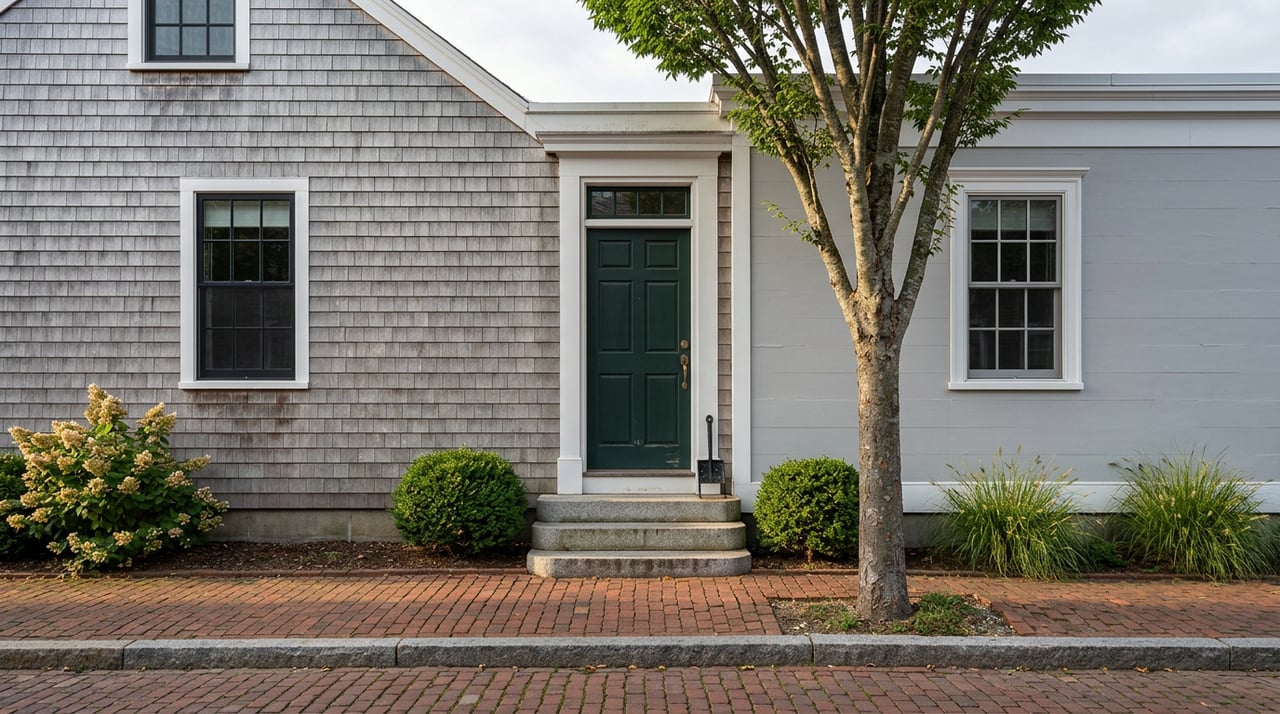
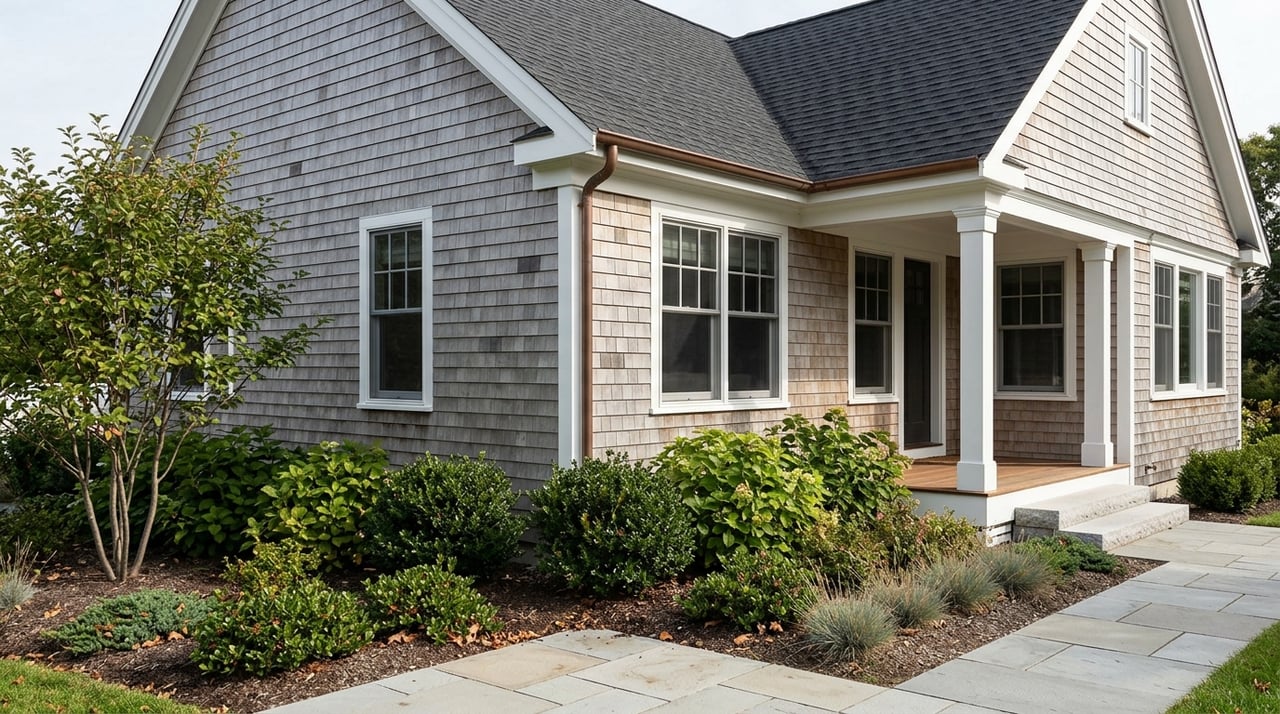
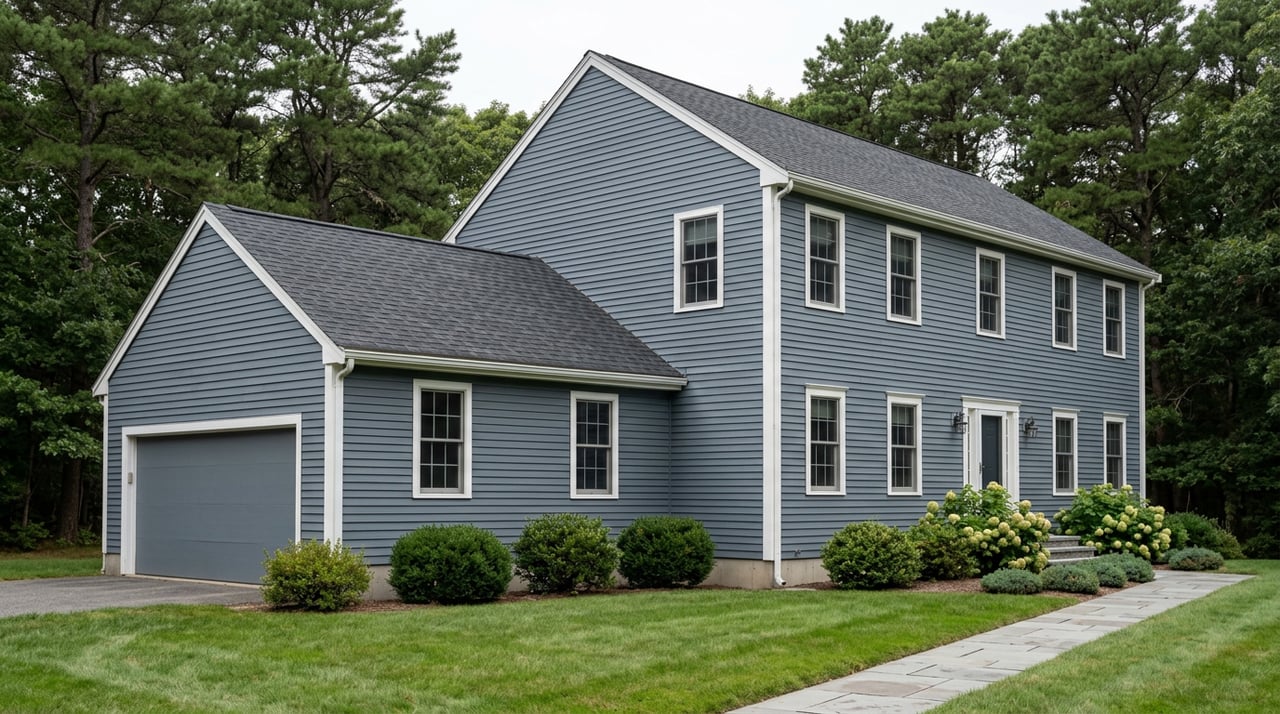
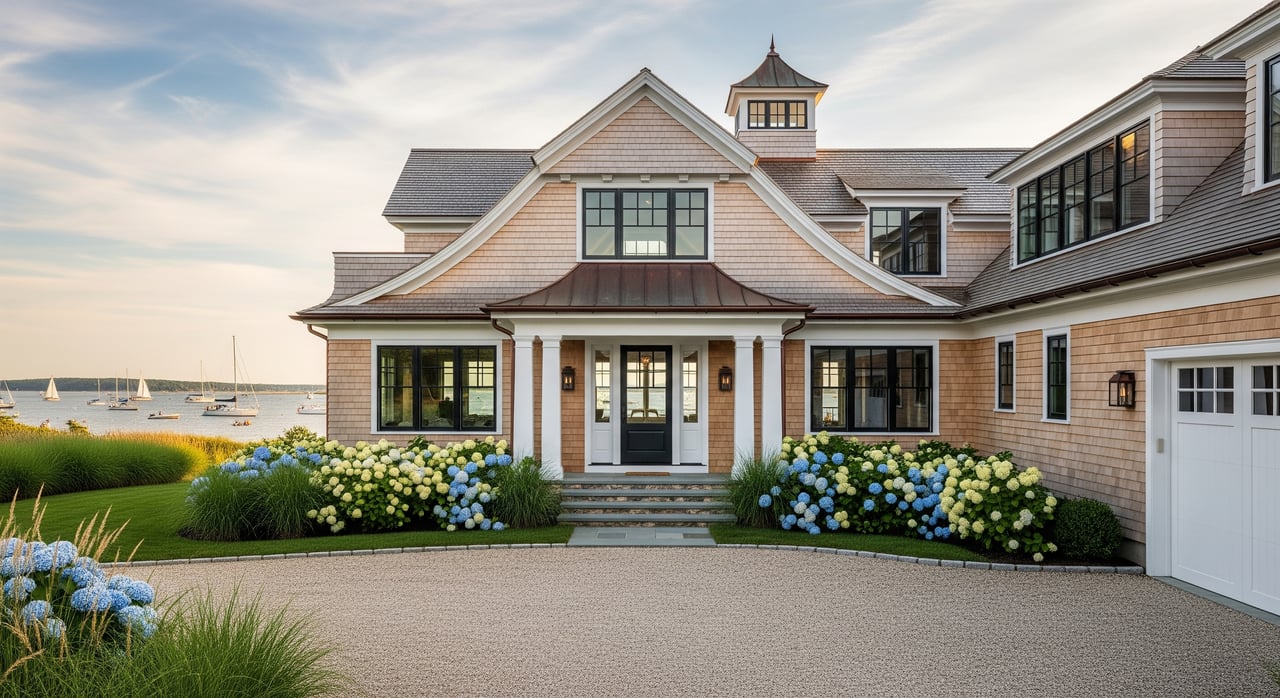
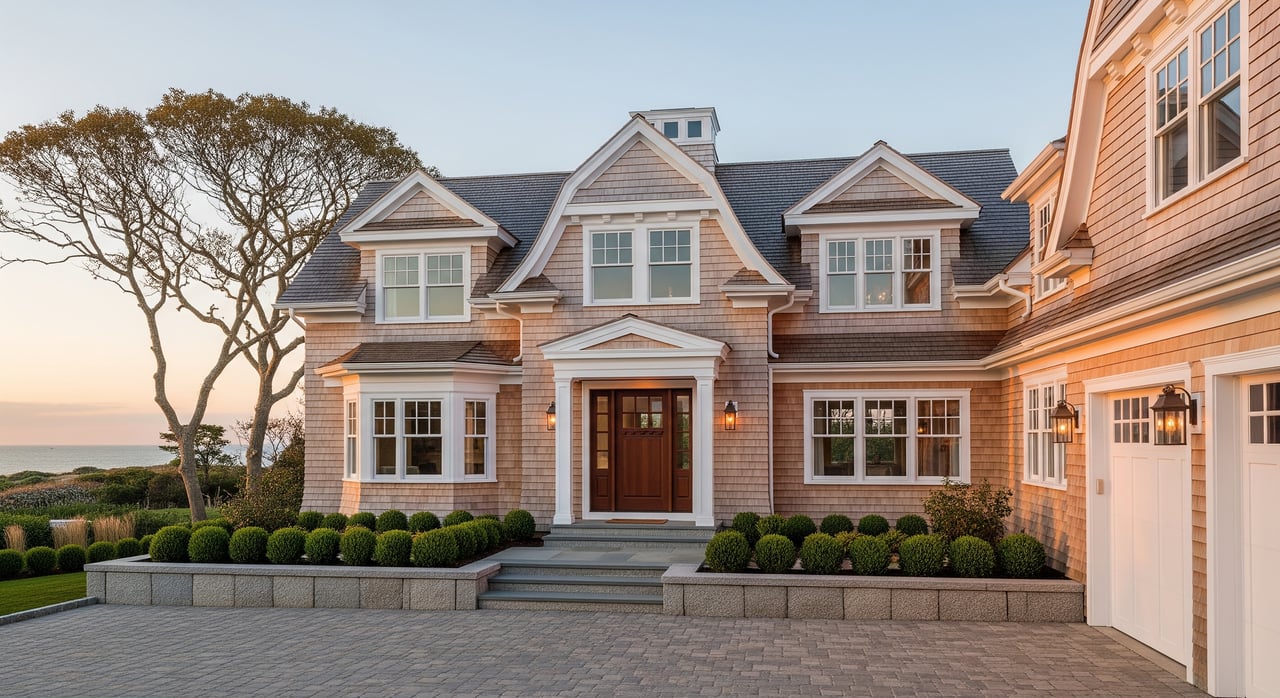
In West Plymouth right now, that call is more likely to happen than most buyers realize, and it happens for a different reason depending on which side of the neighborhood's split market you chose. Buyers comparing a new-construction attached townhome near the Colony Place corridor against an early-2000s Colonial on a pond lot are not just choosing a floor plan. They are choosing which set of rules a bank will use to decide what their home is actually worth, and those rules do not produce the same answer.
Two Homes, Two Ways Of Getting Priced
An appraiser has two main tools. The sales comparison approach looks at what similar homes nearby actually closed for. The cost approach adds up the value of the land and the cost to rebuild the structure new, then depreciates for age and condition.
Resale Colonials in West Plymouth get priced almost entirely on the sales comparison approach, because there is usually a stack of recent closed sales on similar lots to pull from. New construction is a different problem. If a subdivision has not had a closed sale yet, or has only one or two, the appraiser leans harder on the cost approach and on builder pricing in comparable communities, which is a rougher way to arrive at a number that a lender will actually finance.
Appraisers who work new construction regularly have noted that upgrades and lot premiums, the finishes and site choices a builder charges a premium for, often get credited at only about half their cost once a home goes to resale. A buyer who paid full price for a screened porch, a finished walkout basement, and a corner lot may find the appraisal only recognizes a portion of what those choices actually cost at the closing table.
| New construction townhome | Resale Colonial | |
|---|---|---|
| Primary valuation method | Cost approach, thin or no in-project comps | Sales comparison, established comp pool |
| Upgrades and lot premiums | Often credited near half of cost on resale | Already baked into recent sale prices |
| Typical friction | Appraisal lags an ambitious builder price | Appraisal usually tracks recent neighborhood sales |
What The Current Numbers Are Actually Saying
Plymouth's overall market data this year explains why this gap keeps surfacing on both sides of West Plymouth's split. In March 2026, the town's median sale price reached $743,000, up 10.8 percent from a year earlier, with homes typically fielding two offers and going under agreement in about 47 days. That is still a market where buyers stretch.
But look one layer down and the picture gets more complicated. By February 2026, the sale-to-list ratio held at 98.67 percent, yet the share of listings cutting price had climbed to 62.5 percent, up sharply from 39.81 percent the year before, while the share of homes selling above asking dropped to 23.21 percent from 33.98 percent. That is a market cooling underneath a headline number that still looks hot.
Even the public estimators cannot agree on what a Plymouth home is worth right now. One widely used home value index put the typical Plymouth home at $574,604 in mid-2026, nearly $170,000 below the reported median sale price for March. Different methodologies, different answers, on the exact same town. When two data providers can disagree by six figures at the town level, it is not surprising that a single licensed appraiser trying to value one specific new townhome against a handful of thin comps can land somewhere the buyer did not expect.
The Rate Buydown That Can Quietly Inflate The Price You Agreed To
New construction in 2026 comes with an incentive layer that resale mostly does not: builder-affiliated mortgage financing. Recent industry data tracking rate locks nationally found new-construction loans through builder-affiliated lenders running about 137 basis points below loans from non-builder lenders in early August, with the spread widening to as much as 179 basis points, a 30-year builder rate averaging 5.23 percent against 6.6 percent elsewhere. As of August 16, 2026, the average 30-year fixed rate across Massachusetts sat at 6.67 percent, so a builder-subsidized rate in the low 5s is a real, meaningful difference in monthly payment.
Builders offer this because a rate buydown is often cheaper for them than an outright price cut and it protects the value of the rest of their inventory. A Boston Globe piece on Massachusetts new construction this summer noted that 64 percent of builders were offering sales incentives and 37 percent were cutting prices outright, with buydowns common across both. The same reporting cited a Realtor.com estimate that new-construction buyers save an average of $25,335 over the first ten years of ownership compared to buying a 20-year-old home, with Massachusetts topping every state at $38,927 in ten-year savings, largely due to strict building codes and harsh winters driving up long-term costs on older housing stock.
That savings case is real. But a rate buydown does not change what a home is worth, only what it costs to borrow against it. If a builder raises the sticker price to help fund the buydown, the appraiser is still comparing that sticker price against thin, apples-to-oranges comps. A buyer chasing the lower monthly payment can end up under contract at a number the appraisal will not confirm.
The savings math on new construction is genuine. The appraisal math runs on a completely separate clock, and nobody reconciles the two until the loan is already in underwriting.
When The Number Comes Back Low, Here Are The Real Options
- Bring more cash to closing. The lender will only finance against the appraised value, not the contract price, so the buyer covers the difference out of pocket.
- Renegotiate with the seller or builder to bring the price down to the appraised number.
- Request a Reconsideration of Value from the lender, submitting additional comparable sales, particularly recent closings inside the same subdivision if buying new.
- Switch lenders and order a fresh appraisal from a different licensed appraiser, understanding there is no guarantee the new number will differ.
- Walk away from the deal, if the contract still includes an appraisal contingency.
Before You Waive The Appraisal Contingency
- Ask whether your lender is affiliated with the builder and get the actual rate spread being offered this week, not a general estimate.
- Ask the builder's sales office to itemize what the rate buydown is costing, so it is clear how much of the price reflects home value versus financing subsidy.
- Ask your agent to pull closed sales inside the specific subdivision if buying new, not neighborhood-wide averages that mix product types.
- Decide, in writing, how much cash is available to cover a shortfall before the offer is ever submitted, not after the appraisal comes back.
- If buying resale, ask what recent upgrades the seller made and how comparable homes without those upgrades have sold, since full remodel cost rarely survives appraisal intact.
A Down Payment Window That Already Closed
One more timing detail worth knowing before writing an offer. Massachusetts expanded its interest-free down payment assistance to up to $25,000 for buyers locking a MassHousing mortgage, but that expanded 0 percent option closed to new locks as of July 2, 2026, earlier than originally planned due to demand. Buyers who assumed that program is still open should check current terms directly before budgeting around it.
Plymouth's own town-level program is still a resource worth asking about. The town offers up to $15,000 as a zero-interest deferred second mortgage for eligible first-time buyers of a modest single-family home, covering up to half of a required down payment plus reasonable closing costs, administered through the town's Office of Community Development.
Frequently Asked Questions
Does every new construction purchase in West Plymouth require an appraisal? Yes, if the purchase is financed. Only cash buyers can skip it, and even then a lender-ordered appraisal is standard practice for anyone using a mortgage.
Can a low appraisal be appealed more than once? Reconsiderations of Value are typically a one-time formal request per lender, though switching lenders resets the process with a new appraiser.
Does waiving the appraisal contingency actually help win a bid in this market? It can make an offer more attractive to a seller, but it also shifts the entire cash gap risk onto the buyer if the number comes in low, which is worth weighing against how much cash reserve is realistically available.
Whichever side of West Plymouth's split market you are shopping, the appraisal is the moment where the two products stop looking like variations on the same home and start behaving like two entirely different transactions. Getting ahead of that before an offer goes in, not after, is the difference between a smooth closing and a renegotiation under pressure. If you want a second set of eyes on how a specific West Plymouth property is likely to appraise before you write an offer, Lynne Morey is happy to walk through it with you.