If you are picturing downtown Plymouth as only a tourist stop, you may be surprised by how livable it feels day to day. This is a place where historic streets, harbor views, restaurants, homes, and civic spaces all sit close together, which can make everyday routines feel easier and more interesting. If you are thinking about moving here, downsizing, or simply trying to understand the lifestyle, this guide will show you what daily life in downtown Plymouth is really like. Let’s dive in.
Downtown Plymouth feels active and walkable
Downtown Plymouth centers on a compact historic and waterfront district where residential, commercial, and civic uses overlap. The Town of Plymouth describes the area as part of its Historic and Cultural District, and local zoning supports a mix of commercial and residential uses with pedestrian-oriented connections.
In practical terms, that means your day may involve walking from home to a coffee shop, the harbor, a local errand, or an evening event without needing a long drive. Park Plymouth notes that most downtown and waterfront points of interest are within about a 15-minute walk, which helps explain why the area feels connected and easy to navigate.
This is not a quiet, tucked-away neighborhood in the suburban sense. It is a working town center with regular local traffic, visitor activity, and public events, and the town has studied traffic flow, parking, and pedestrian safety in the North Plymouth and Plymouth Center area. If you enjoy energy and movement around you, that can be part of the appeal.
The historic setting shapes everyday life
One of the most distinct parts of living downtown is the setting itself. Plymouth’s historic district includes a major portion of the first townscape established as a permanent English settlement in the United States, with street layouts dating back as early as 1621.
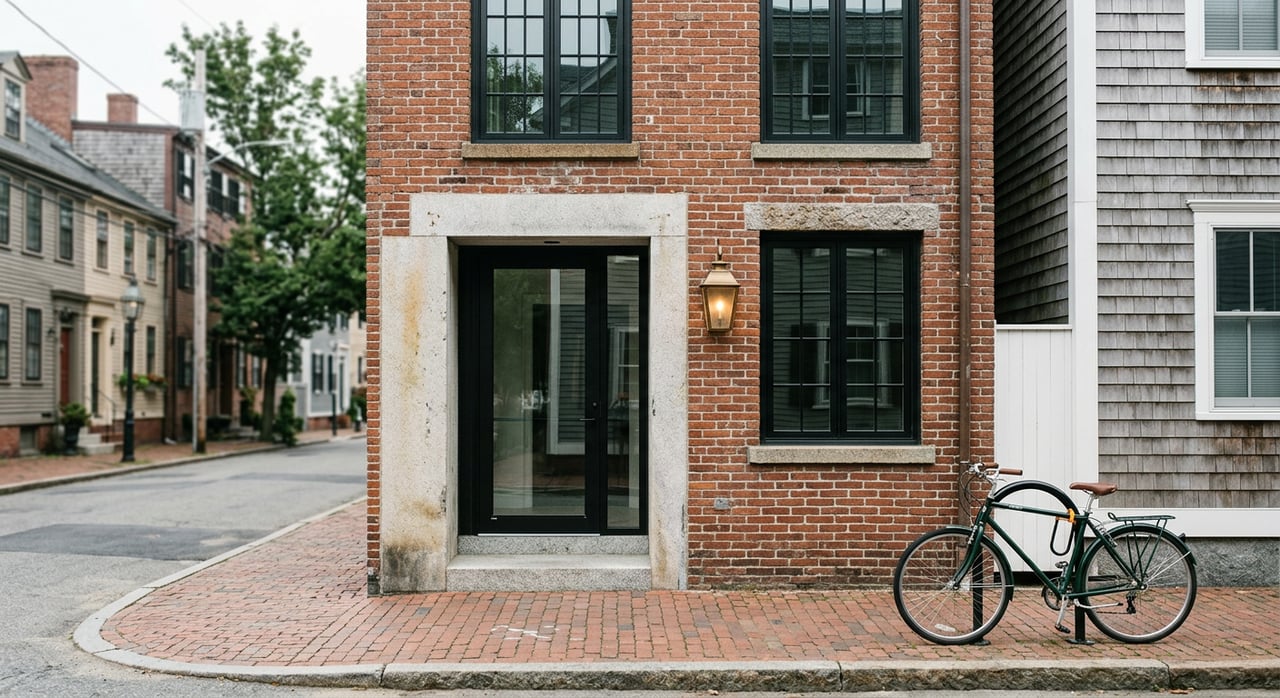
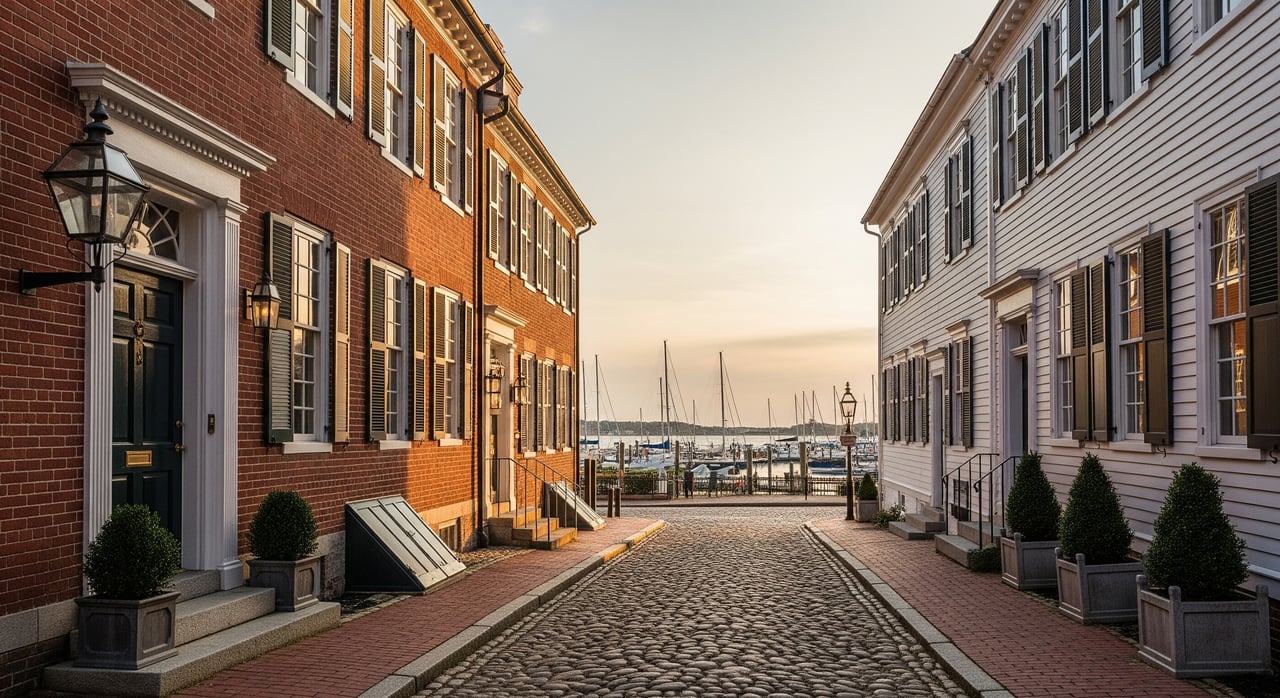
That history is not hidden away behind gates or preserved only in museums. It shows up in the pattern of streets, the scale of buildings, the mix of storefronts and homes, and the overall feeling of walking through town. Plymouth’s historic district guidelines describe the area as a mix of commercial, residential, and waterfront streetscapes, so daily life often happens against a backdrop that feels both active and deeply rooted.
For many buyers, this is a major reason to consider downtown Plymouth. If you are drawn to older architecture, in-town living, and a neighborhood with visible character, the setting can feel hard to replicate elsewhere.
Getting around is about short trips
Daily movement downtown usually depends more on short walks and flexible parking than on constant driving. Public parking options include free short-stay spaces, 2-hour and 4-hour curbside parking, surface lots, 10-hour lots, and garage parking.
That variety can be helpful, but it also means downtown living works best when you are comfortable with parking management as part of your routine. Park Plymouth says the paid parking season runs from April 1 through November 30, so your experience may shift a bit depending on the time of year.
If you expect large private driveways, abundant free parking, and quick in-and-out access everywhere, downtown may feel more structured than a typical neighborhood. On the other hand, if you like the idea of parking once and doing several things on foot, the area supports that lifestyle well.
Ride options add convenience
A useful local perk is the Ride Circuit program, which offers free on-demand rides in all-electric vehicles throughout the downtown and waterfront historic district and to and from Plimoth Patuxet Museums. For residents, that can make it easier to leave the car parked while still moving between lunch, shopping, the harbor, and cultural stops.
The area also supports bicycle-friendly travel, and downtown and waterfront EV charging stations add another layer of convenience. Together, those options reinforce a daily rhythm that feels more flexible than car-dependent.
Errands are simple, but suburban-style shopping is not the focus
Downtown Plymouth offers the kind of amenities that fit an in-town lifestyle. You will find restaurants, cafes, shopping, lodging, and services woven into the area rather than spread across a large suburban retail corridor.
That can make daily errands feel pleasant and efficient, especially if you like combining practical stops with time by the water. You might grab coffee, pick up a few things, walk the harbor, and meet a friend for lunch all within a compact area.
The tradeoff is that downtown is not designed like a big-box shopping district. If your ideal routine depends on large retail centers and expansive parking lots, the downtown experience may feel more urban and condensed than expected.
The waterfront becomes part of your routine
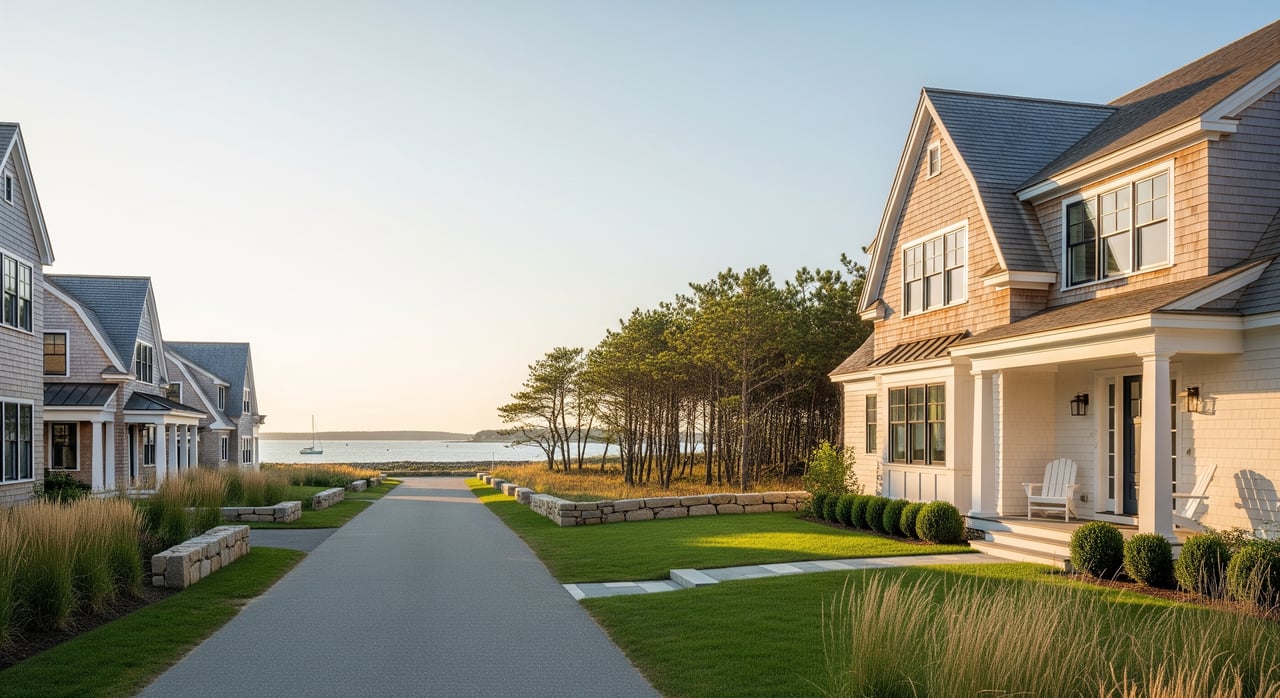
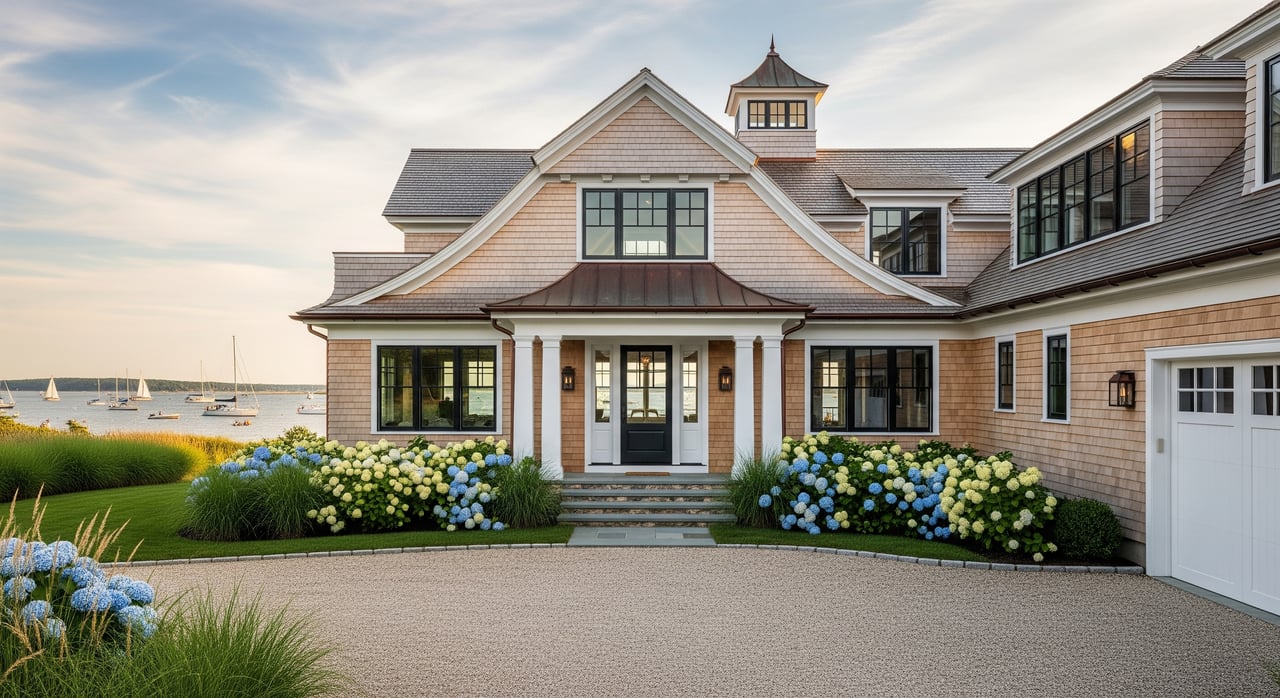
For many people, the biggest lifestyle advantage is how closely daily life connects to the harbor and public outdoor spaces. Downtown Plymouth is not just near the water. The waterfront is part of the normal rhythm of the area.
The Sea to Shining Sea Trail connects the waterfront with Brewster Gardens, Town Brook, and Morton Park. The town describes it as a semi-urban walking trail, and along the route you pass restaurants, Plymouth Harbor, the Mayflower II, and Plymouth Rock, using sidewalks and crosswalks through the waterfront core.
That means a walk after work, a morning stroll, or a casual weekend outing can feel scenic without requiring a special trip. If being able to step into open air and water views matters to you, downtown Plymouth offers that in a very practical way.
Public spaces stay in use
Open spaces here are not only visual amenities. They are active parts of community life. Nelson Park is open to the public on a first-come, first-served basis, and town rules for special events include concerts, farmers markets, sidewalk sales, parades, block parties, and road races.
This tells you something important about the neighborhood. Downtown life is shaped not just by homes and businesses, but also by a shared civic calendar that brings people into public spaces throughout the year.
Arts and events keep the area lively
Culture is unusually visible for a downtown of this size. Plymouth Memorial Hall sits in the heart of historic downtown within walking distance of major waterfront landmarks, while The Spire Center for Performing Arts on Court Street hosts music, theater, and dance.
In summer, Project Arts runs a free concert series at the waterfront bandstand at DCR Pilgrim Memorial State Park on Water Street. For residents, that means entertainment is often close to home and easy to enjoy without much planning.
This steady mix of events and venues adds to downtown’s everyday appeal, but it also contributes to the area’s busier feel during peak seasons. If you like an active setting with things going on, that can be a benefit. If you prefer a quieter rhythm, it is worth keeping in mind.
Homes reflect the area’s historic pattern
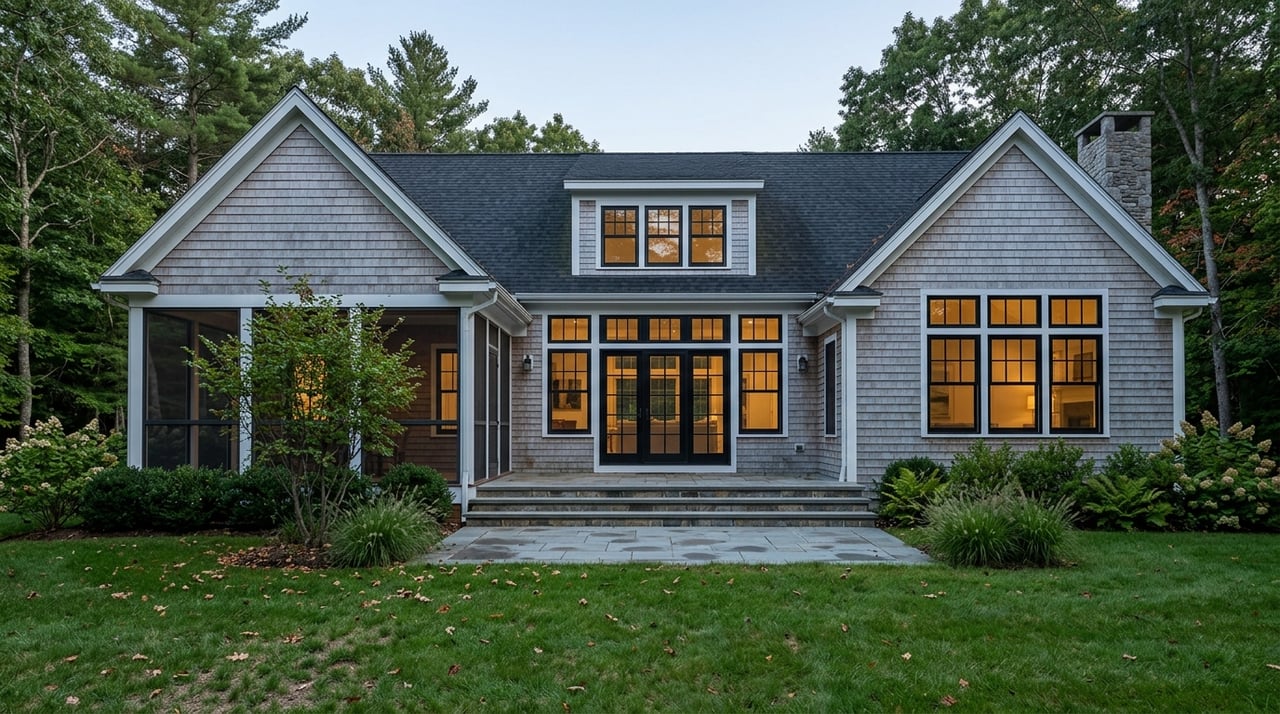
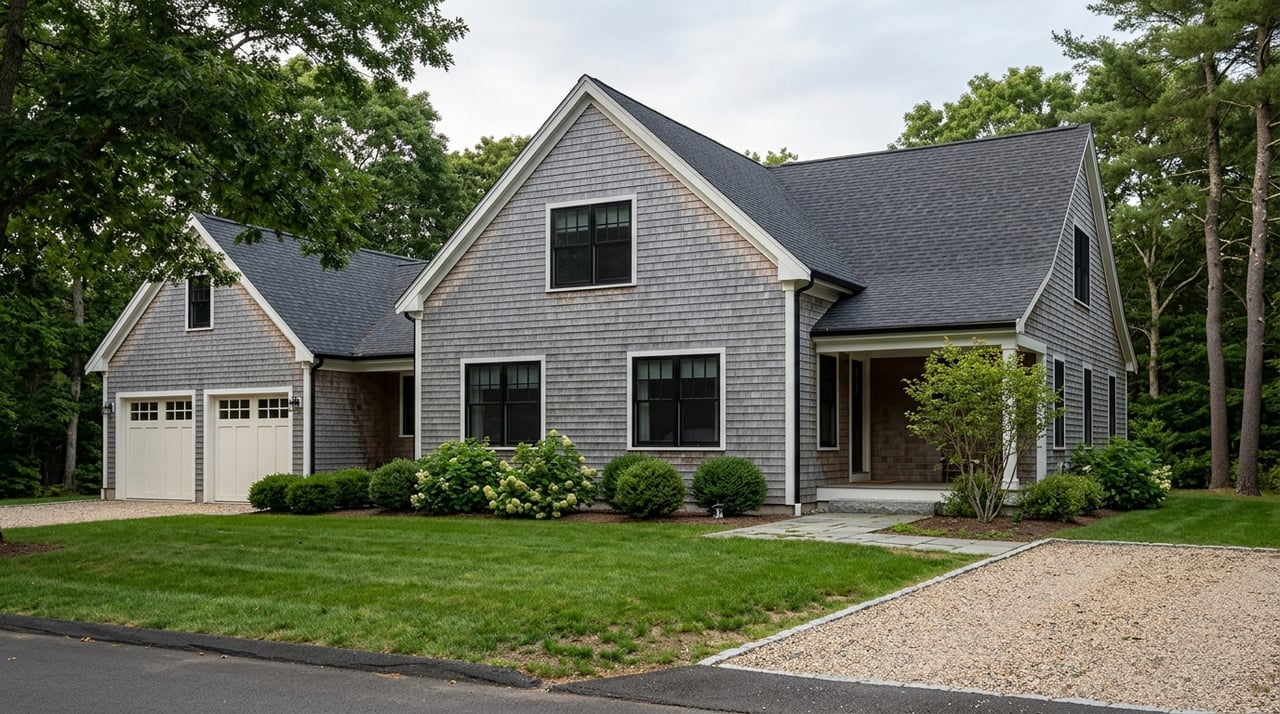
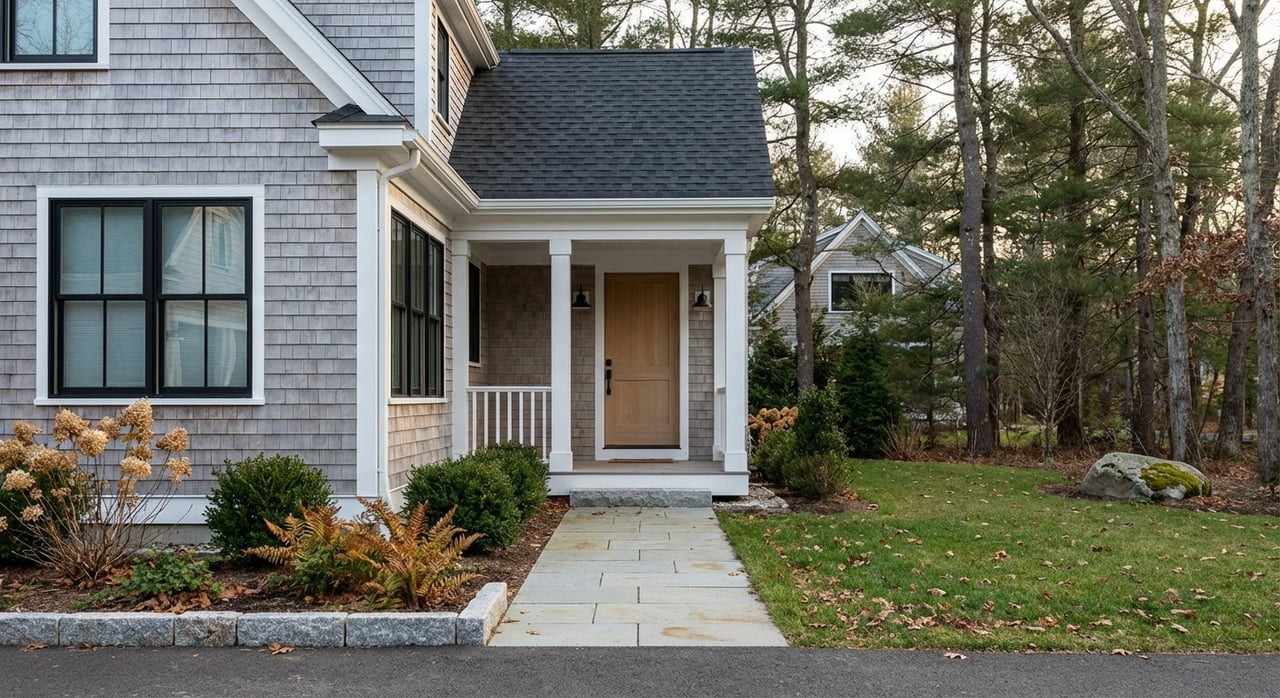
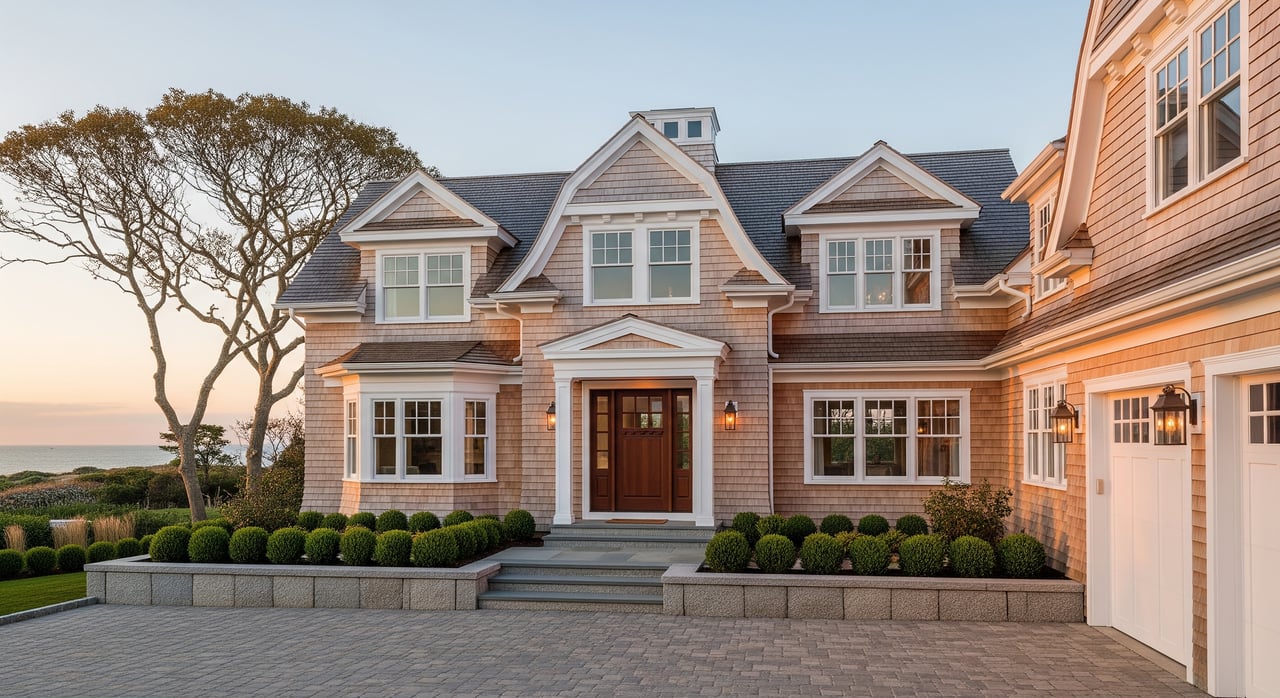
The housing stock downtown is very different from a conventional subdivision. Plymouth’s local historic district includes about 286 properties, and the Main and Court Street corridor includes commercial, mixed-use, residential, and institutional buildings, many set close to the street.
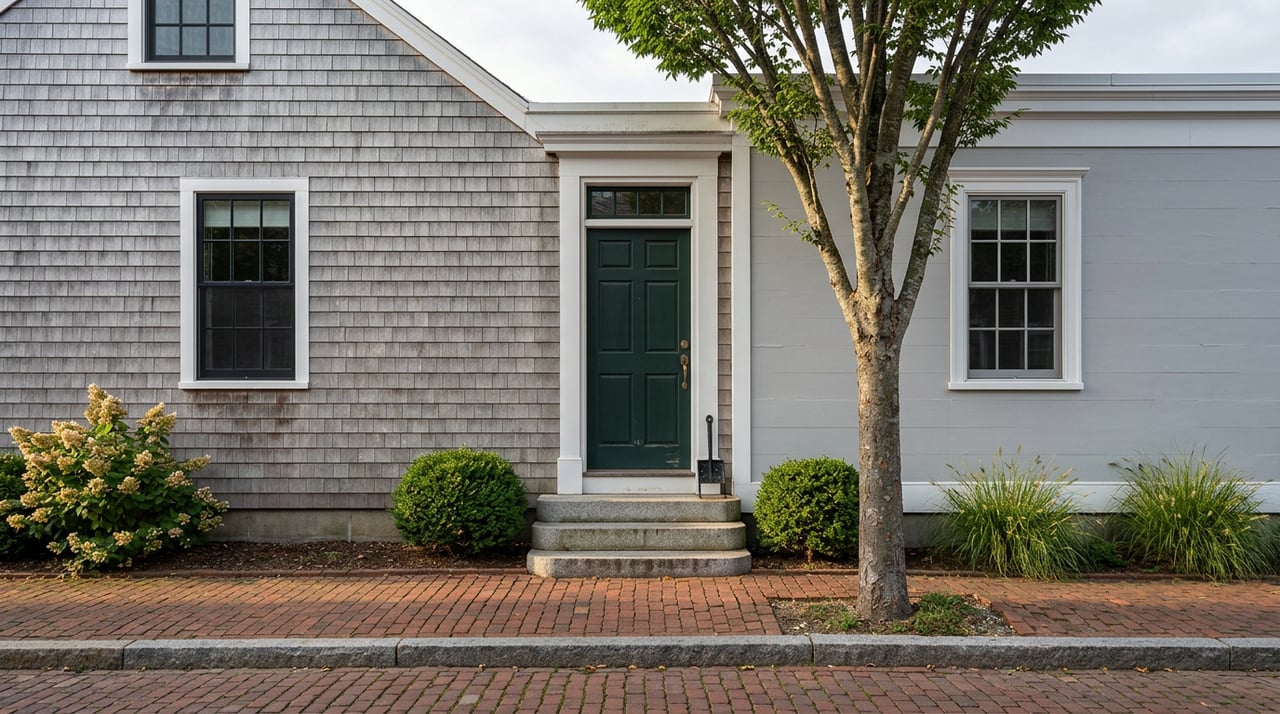
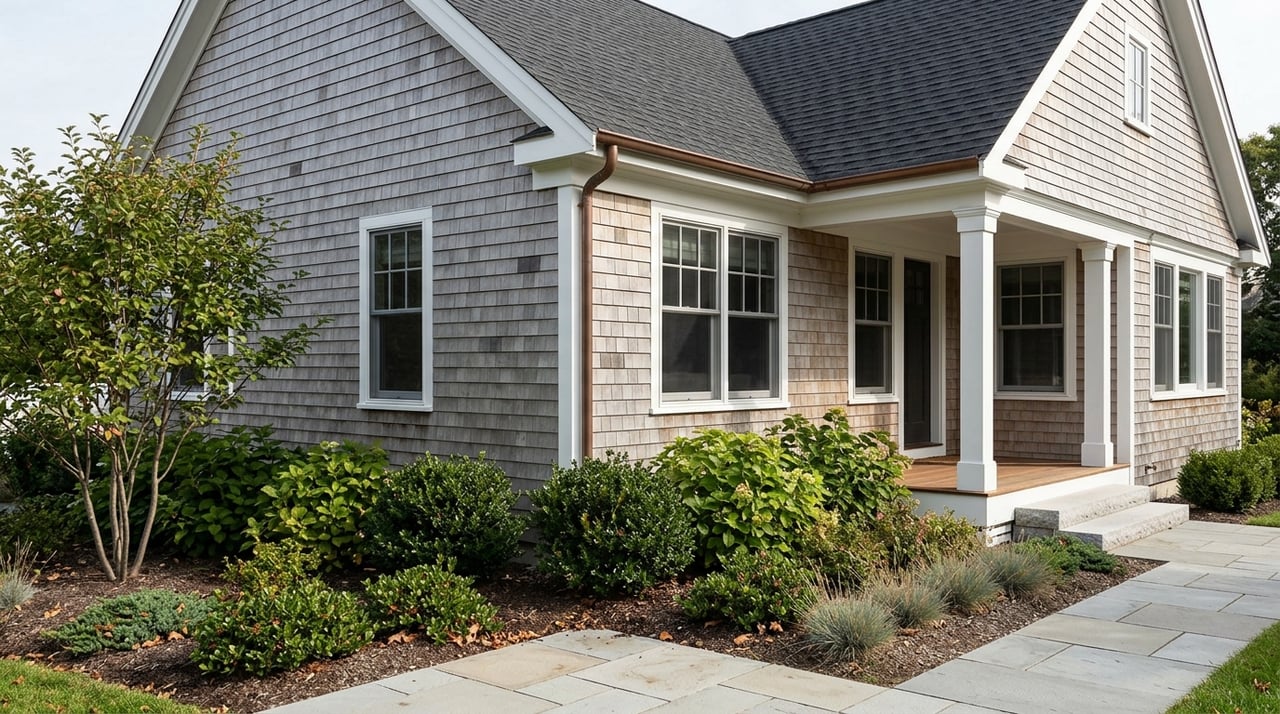
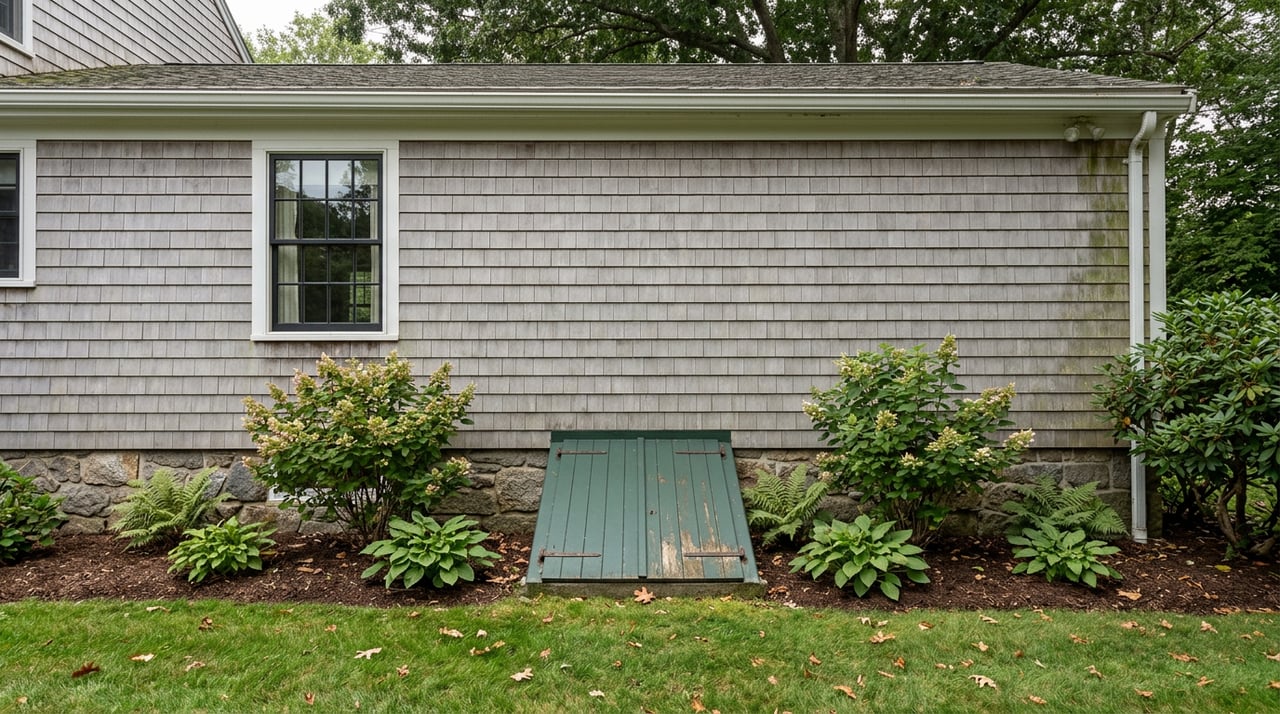
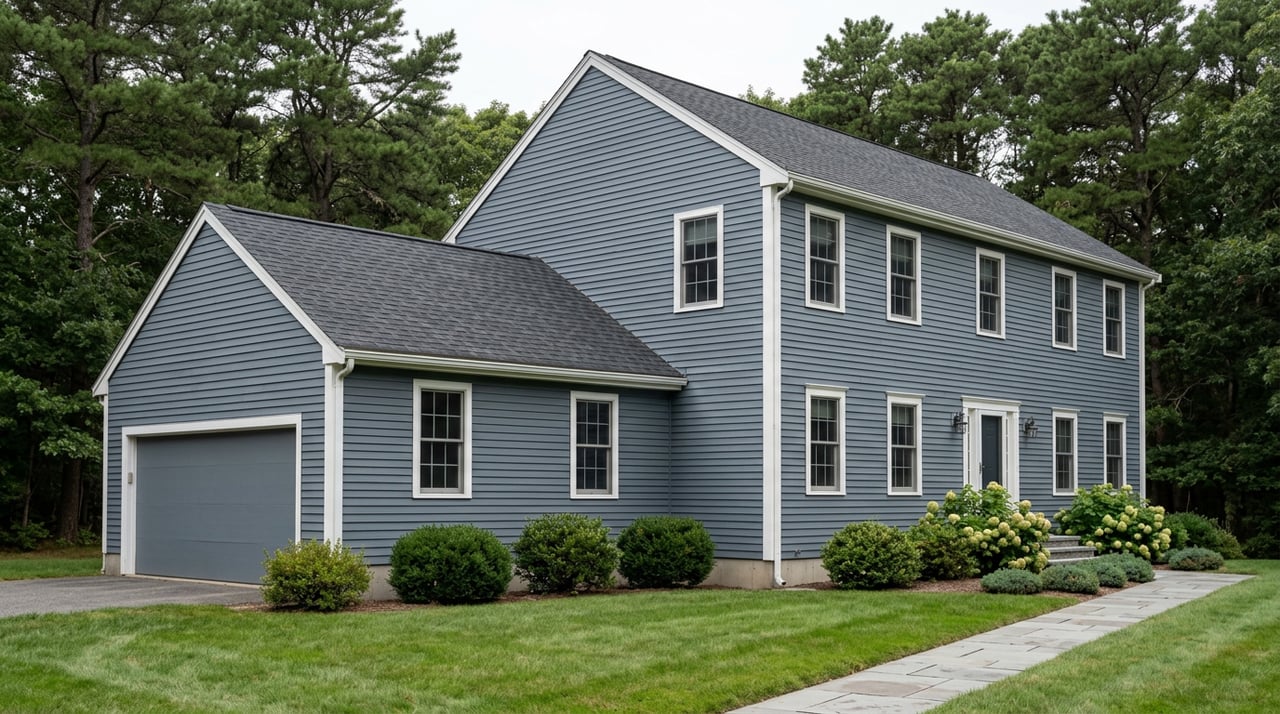
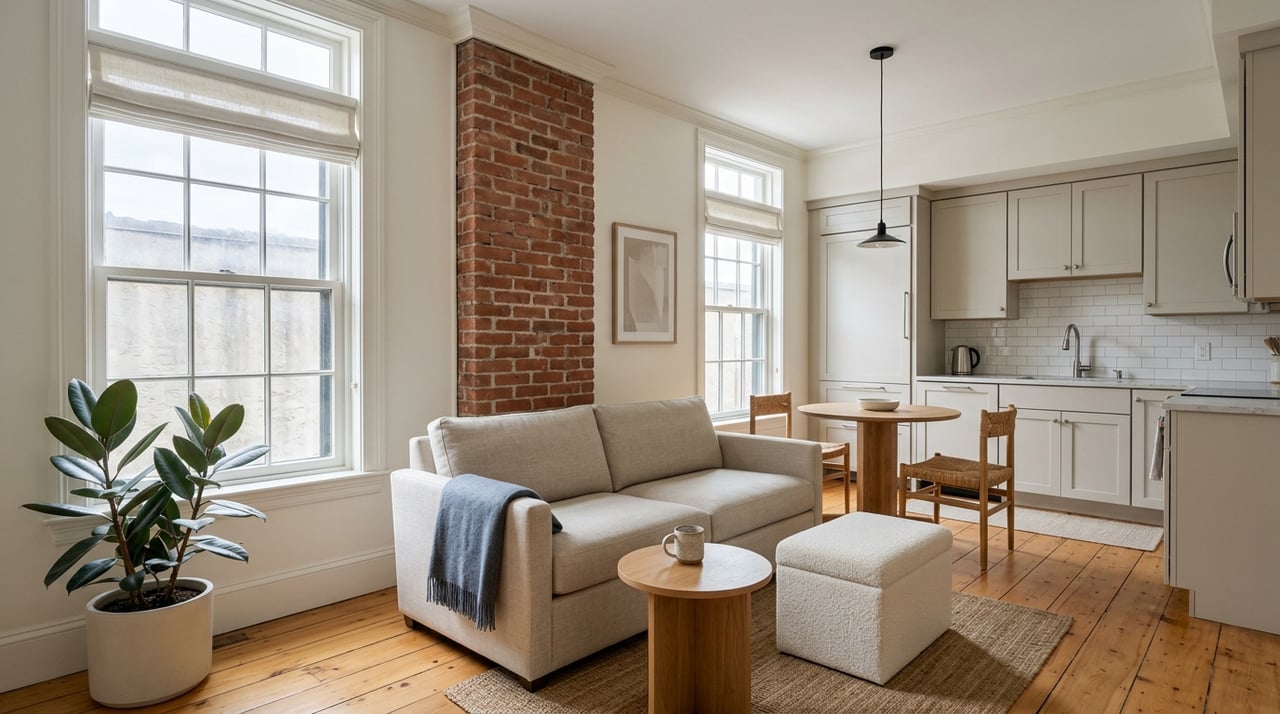
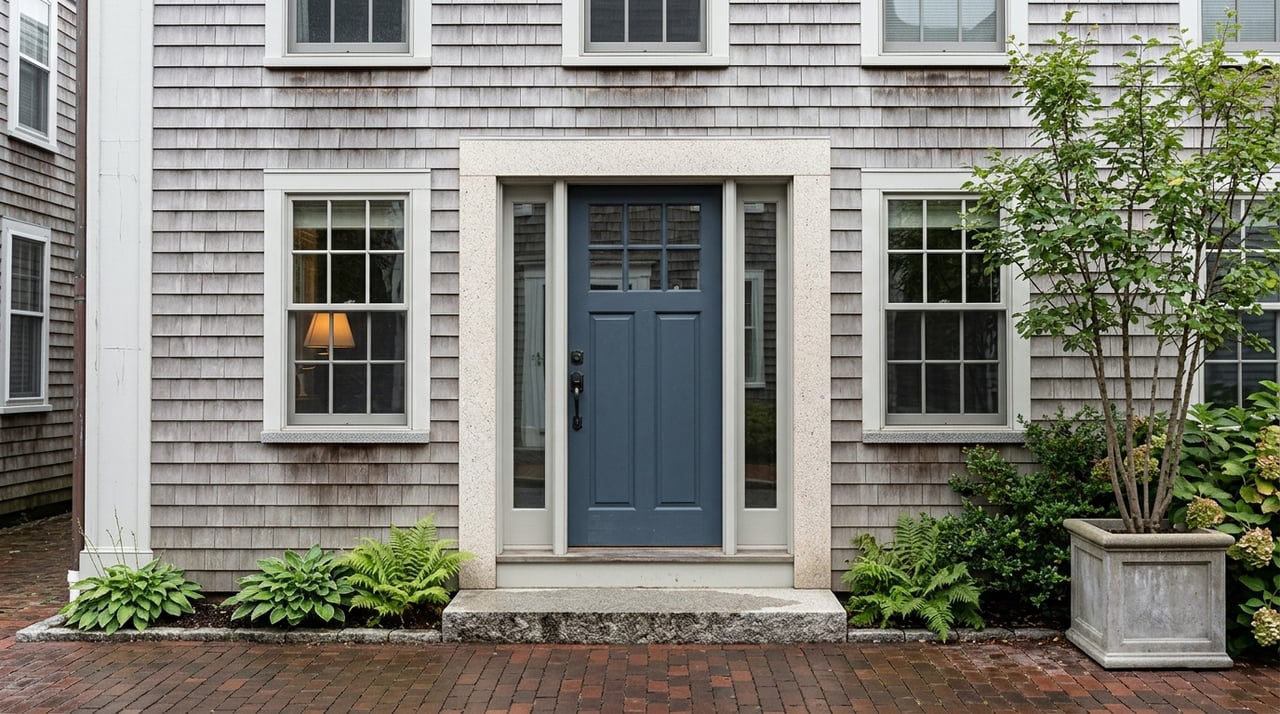
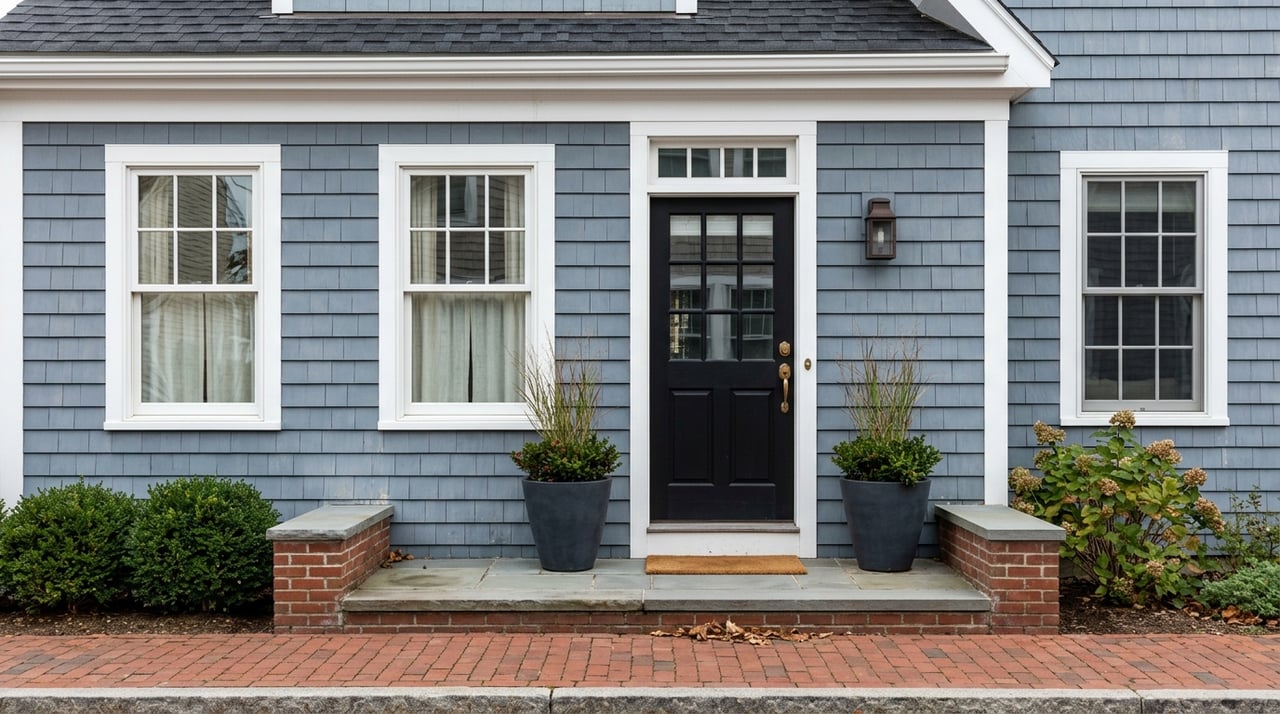
On nearby residential and mixed-use side streets, the town describes detached homes, row houses, some larger homes on larger lots, and many accessory carriage houses or garages. Building materials are commonly brick or wood, which adds to the traditional New England character.
If you are comparing neighborhoods, this is a good clue about fit. Downtown Plymouth is generally more appealing to buyers who value charm, location, and walkability over newer layouts, larger setbacks, and more uniform housing styles.
Mixed-use living is part of the appeal
The Downtown and Harbor zoning district is intended to support a pedestrian-oriented environment and preserve distinctive historic architecture while allowing a broad range of residential, retail, and service uses. As a result, downtown can feel layered and practical.
You may live near restaurants, offices, shops, gathering spaces, and visitor destinations. For some buyers, that blend creates a richer daily experience. For others, it may feel busier than they want.
Historic rules come with benefits and tradeoffs
If you own a home in Plymouth’s historic district, exterior changes visible from public ways are reviewed. This helps protect the area’s architectural continuity and long-term character.
For homeowners, that can be a real advantage because it supports a consistent streetscape and helps preserve what makes downtown visually distinctive. At the same time, it can mean less flexibility for informal exterior updates than you might have in a newer neighborhood.
This is one of the clearest examples of downtown Plymouth’s overall lifestyle. The area offers a strong sense of place, but it also asks residents to work within a setting that is carefully managed and widely valued.
Who downtown Plymouth fits best
Downtown Plymouth tends to be a strong match if you want:
- Walkability for dining, errands, and waterfront access
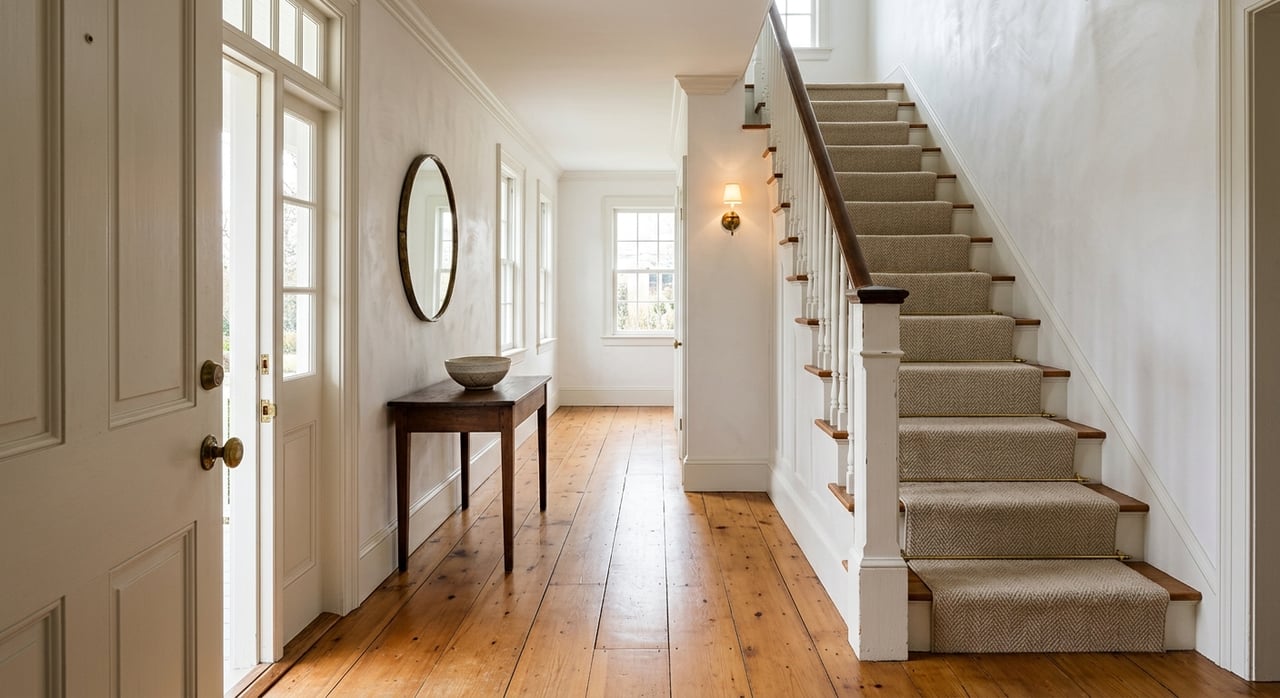
- Historic architecture and older homes with character
- A lively civic calendar with public events and arts venues
- A compact neighborhood where daily life happens close together
- Flexible ways to get around, including walking and on-demand local rides
It may be less natural a fit if your top priorities are:
- Large lots and a more spread-out residential setting
- Easy free parking at all times
- A lower-traffic environment with less visitor activity
- A more conventional suburban shopping pattern
What day-to-day life really feels like
The simplest way to describe downtown Plymouth is this: it feels historic, waterfront-oriented, and highly walkable, with enough restaurants, public spaces, and cultural activity to make everyday life feel full without being complicated.
You are not choosing a neighborhood that hides from attention. You are choosing a visible, active town center where locals and visitors share the same streets, harbor views, and public spaces. For the right buyer, that creates a daily lifestyle that feels connected, scenic, and easy to enjoy.
If you are considering a move to downtown Plymouth or weighing it against other Plymouth neighborhoods, working with a local expert can help you sort out which setting best matches your routine, priorities, and long-term plans. To talk through your options, connect with Lynne Morey.
FAQs
What is downtown Plymouth like for everyday living?
- Downtown Plymouth feels compact, walkable, historic, and active, with homes, restaurants, shops, civic spaces, and waterfront areas close together.
Is downtown Plymouth easy to walk around?
- Yes. Park Plymouth says the downtown and waterfront area is pedestrian friendly, and most points of interest are within about a 15-minute walk.
How does parking work in downtown Plymouth?
- Downtown parking includes short-stay spaces, curbside parking, lots, and garage parking, and the paid parking season runs from April 1 through November 30.
What kinds of homes are in downtown Plymouth?
- The area includes a mix of detached homes, row houses, mixed-use buildings, and historic properties, often close to the street and built in brick or wood.
Does downtown Plymouth have public events and arts venues?
- Yes. The area includes venues like Plymouth Memorial Hall and The Spire Center for Performing Arts, and public events can include concerts, farmers markets, parades, and road races.
Is downtown Plymouth a good fit for buyers who want waterfront access?
- For many buyers, yes. The waterfront, harbor walks, trails, and public spaces are a regular part of everyday life in downtown Plymouth.