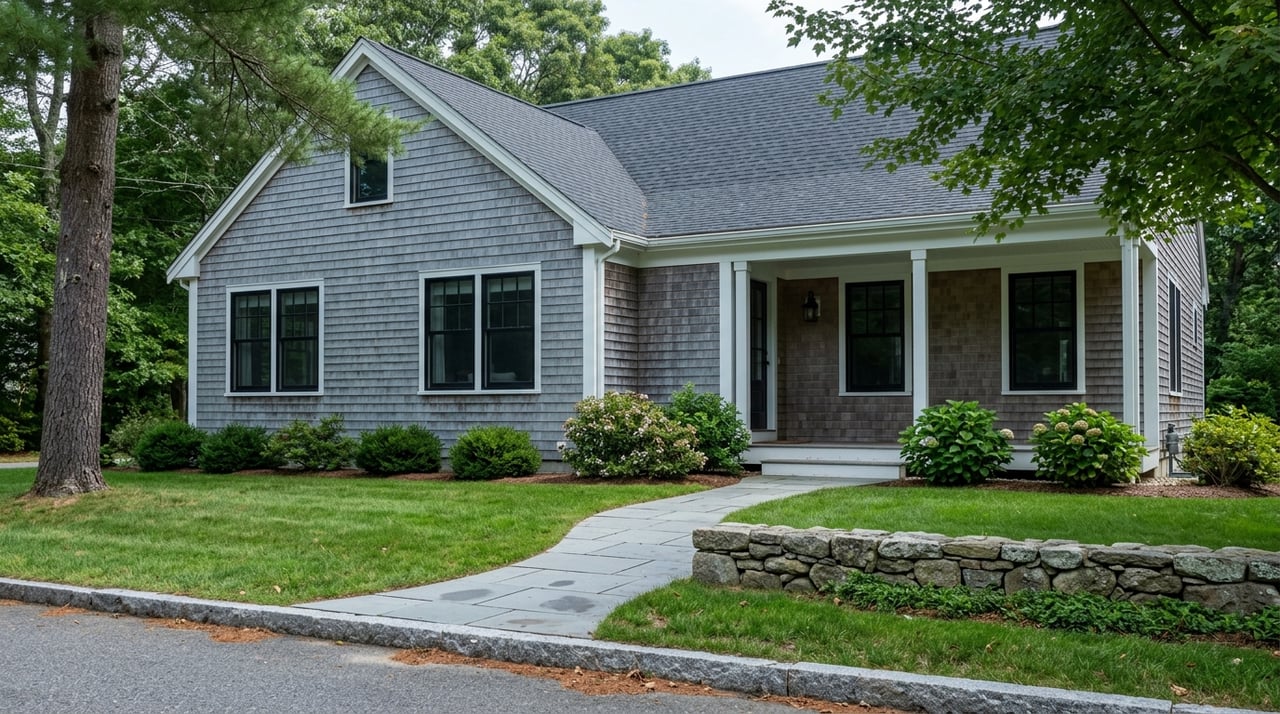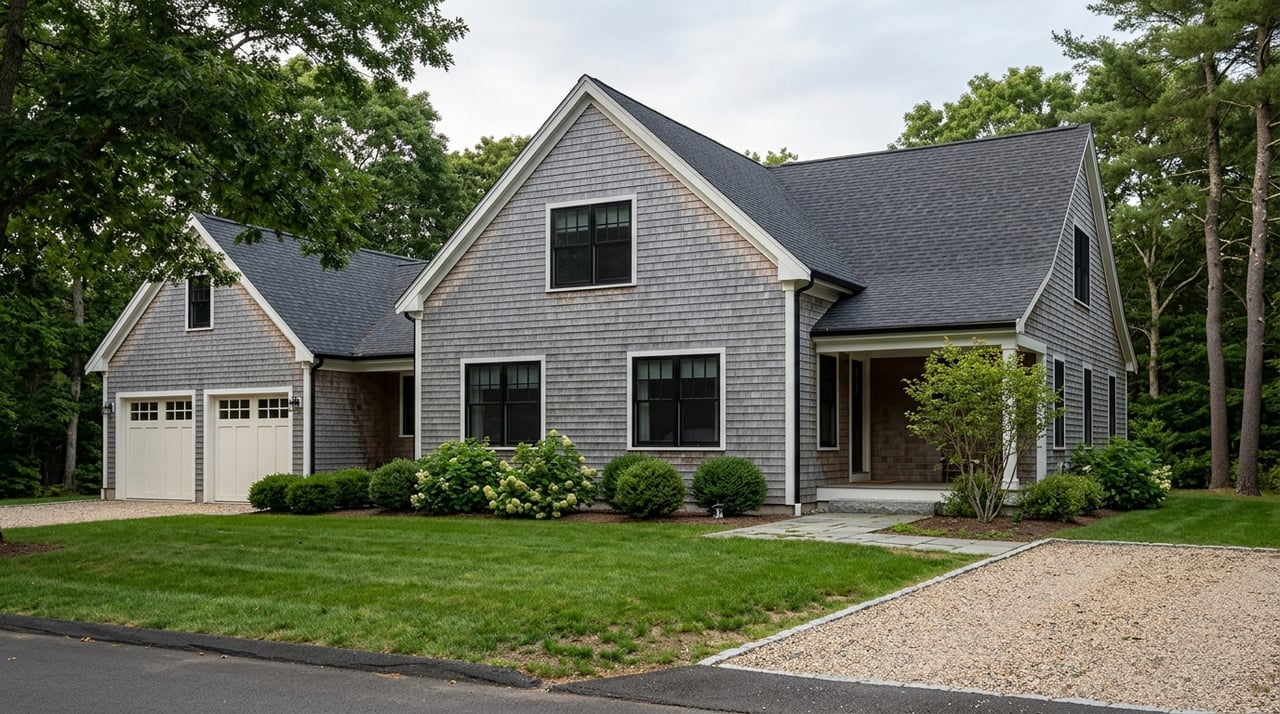
Ask any Chiltonville buyer what worries them about an older home on a big wooded lot, and they will say the septic system. That instinct is correct. Plymouth's Board of Health has written rules that go beyond the state's own Title 5 code, and a failed inspection can stall a closing fast.
What almost nobody asks about is the well. That is the gap worth understanding before you write an offer or sign a listing agreement in this neighborhood, because Plymouth's own rules treat septic and water as two very different problems, and only one of them gets checked automatically at the moment of sale.
Plymouth Tightened Its Own Septic Code, Not Just The State's
Every Massachusetts town operates under Title 5 of the state environmental code, which governs how septic systems are designed, inspected, and repaired. Plymouth went further. The town's Board of Health added supplemental rules on top of the state baseline, and the most consequential one for Chiltonville is straightforward: cesspools are disallowed outright. Any cesspool or cesspit found during an inspection is an automatic failure, whether the trigger is a sale or a building permit application for an addition.
A second local rule matters just as much for a village built out largely in the mid-twentieth century. If a structure is served by a septic system designed between 1950 and 1979, the town requires an approved Title 5 inspection report before the Health Department will sign off on a building permit for any major or minor addition or alteration. In practice, that means a homeowner who wants to add a mudroom or expand a kitchen on an older Chiltonville property cannot skip the septic conversation just because they are not selling.
Layer the state's baseline timing on top of that. A Title 5 inspection is required within two years before a property transfer, and if weather conditions prevent an inspection at the time of sale, it must happen within six months afterward, according to the state's guide to buying or selling property with a septic system. A newly installed or upgraded system that has earned a Certificate of Compliance from the local Board of Health is exempt from this inspection requirement for the next two to three years, provided pumping records show the system was serviced on schedule.
None of this is unusual for coastal Massachusetts. What it does is set an expectation. By the time a Chiltonville buyer reaches the table, they have usually heard enough about Title 5 to assume the whole property has been vetted.
What Passing Actually Certifies, And What It Doesn't
A Title 5 inspection evaluates the septic tank, the distribution box, and the leaching field. The inspector checks whether the system backs up, whether components are structurally sound, whether a metal tank has aged past twenty years, and whether the system sits too close to a well or surface water. None of that touches what comes out of the tap.
Well water testing is a separate system entirely, and Plymouth treats it with a much lighter hand. The town does not conduct well testing itself and directs residents to private companies, but the more important detail is the transfer rule: a water test is not required when a property changes hands unless the well sits less than 100 feet from the septic system, per state code 310 CMR 15.303, as the Town of Plymouth's own well water page makes clear.
On a typical suburban half-acre, that proximity rule catches almost every well. On the larger, older parcels common in Chiltonville, where septic systems and wells were often sited with room to spare between them, that same rule can mean no water test is required at all. A property can pass Title 5 cleanly and close on schedule without a single coliform, nitrate, or arsenic result ever being pulled.
That is not a flaw in the process. It is simply a rule most buyers never think to ask about, because the septic conversation has already used up their attention.
Why This Gap Bites Harder In Chiltonville
Two features of this neighborhood make the well and septic question more complicated than it looks on paper.
The first is age. Many homes in Chiltonville and neighboring West Plymouth were built in the mid-twentieth century, a period when as-built drawings for septic systems were rarely filed with the town, according to 1620 Sanitation, a Plymouth-based septic company founded by Michael Maher. When those records were never created, a public records request to the town can come back empty, which means locating the tank itself sometimes requires an electronic locating service before any inspection or pumping can even begin.
The second is soil. Properties along the S Meadow Rd corridor and near Long Pond frequently sit on sandy soils where tank edges shift over time, again per 1620 Sanitation's field experience across these specific streets. Sandy soil drains well, which is good for a leach field, but it also means components can settle or migrate in ways that are harder to predict from old paperwork, if that paperwork exists at all.
Put those two facts together and the picture is clear. An older Chiltonville home with an unmarked tank in sandy soil, on a lot with more than 100 feet between well and septic, can move through a sale with a passing Title 5 report and a water supply nobody has tested in years, possibly ever.
Repair Or Replace: What The 2026 Numbers Actually Mean At The Table
When a septic issue does surface, the size of the fix changes the negotiation entirely. Current 2026 guides put the range like this:
| Scenario | Typical Cost Range (2026) | What It Signals For Negotiation |
|---|---|---|
| Minor repair (pump chamber, alarm, effluent filter) | $650 to $3,050 | Small enough that sellers often complete it before listing |
| Standard full replacement (typical soil conditions) | $18,000 to $30,000 | Usually settled through price adjustment or escrow holdback |
| Engineered replacement (poor soil, high water table, sandy or coastal lots) | $35,000 to $50,000 or more | Large enough to justify a full re-negotiation of terms |
These figures come from a 2026 Massachusetts installation cost breakdown published by Pavel Buys Houses and repair cost data compiled from Angi's Massachusetts figures. A checkmyseptic.com 2026 guide places full replacement even higher, at $15,000 to $40,000 or more, underscoring how wide the range runs once soil conditions get involved.
When a system fails inspection mid-transaction, buyers and sellers are not limited to walking away or the seller absorbing the full cost upfront. A common middle path is an escrow holdback, where the estimated repair or replacement cost is set aside at closing so the sale proceeds while the work gets scheduled. Given the cost spread above, knowing which scenario you are actually negotiating, a $900 alarm repair or a $45,000 engineered system, changes what a reasonable holdback looks like.
What To Ask For Before You Write An Offer
- Request the most recent Title 5 inspection report and confirm it falls within the required two-year window, or ask whether the system holds a Certificate of Compliance from a recent upgrade.
- Ask directly whether the well has ever been tested, regardless of its distance from the septic system. The 100-foot rule is a legal floor, not a recommendation.
- If the home was built with a system designed between 1950 and 1979 and any addition is planned, confirm Title 5 approval before assuming a building permit will follow.
- If the tank location isn't marked or documented, request an electronic locate before waiving any inspection contingency.
- If a repair or replacement is identified, negotiate the mechanism, price adjustment versus escrow holdback, based on the actual cost tier involved.
A Few Questions Worth Settling Early
Does a passing Title 5 inspection mean the drinking water is safe? No. Title 5 evaluates the septic tank, distribution box, and leach field. It says nothing about coliform bacteria, nitrate, or arsenic levels in a private well.
If my well is more than 100 feet from the septic system, can I still request a water test? Yes. The distance rule determines what's mandatory, not what's advisable. Buyers can make a water test a contingency at any distance.
What happens if a Chiltonville property fails its Title 5 inspection during a sale? Massachusetts generally requires resolution before or shortly after closing, but sellers and buyers frequently negotiate an escrow holdback covering the estimated repair or replacement cost so the transaction can move forward on schedule.
Septic and well questions are exactly where an engineering background earns its keep, translating inspection reports and soil conditions into plain terms before they become closing-day surprises. If you're weighing a purchase or a sale on one of Chiltonville's older, larger lots, Lynne Morey can walk through what a specific property's systems mean for your offer or your listing price. Request a free consultation to start that conversation before you're standing at the table.